Landmark: Village Museum
City: Bucharest
Country: Romania
Continent: Europe
Village Museum, Bucharest, Romania, Europe
The Village Museum is an open-air ethnographic museum located in Bucharest, Romania. It showcases traditional Romanian village life through a collection of authentic houses and structures from various regions of the country.
Visual Characteristics
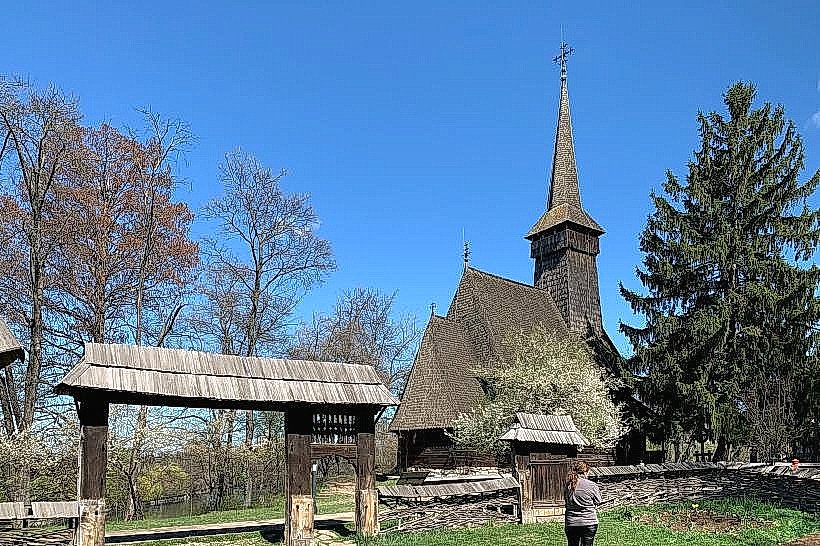
The museum comprises approximately 300 structures, including houses, churches, windmills, and watermills, reconstructed on-site. These buildings are constructed from materials indigenous to their regions of origin, such as wood, stone, and thatch. Architectural styles vary significantly, reflecting the diverse historical and cultural influences across Romania. Structures are arranged to simulate village layouts, complete with courtyards, fences, and agricultural implements.
Location & Access Logistics
The Village Museum is situated in King Michael I Park (formerly Herăstrău Park) in Sector 1 of Bucharest. It is accessible via Șoseaua Kiseleff. The distance from the city center (University Square) is approximately 5 kilometers northwest. Parking is available within the park's designated areas, though capacity can be limited during peak hours. Public transport options include bus lines 131, 205, 331, and 335, which stop near the park entrance. The nearest metro station is Aviatorilor (M1 line), approximately a 15-minute walk from the museum.
Historical & Ecological Origin
The museum was founded in 1936 by Dimitrie Gusti, a sociologist and ethnologist. Its original purpose was to provide a comprehensive and authentic representation of Romanian rural architecture, crafts, and way of life. The site itself is part of King Michael I Park, a large urban green space established in the mid-20th century, built on former royal hunting grounds.
Key Highlights & Activities
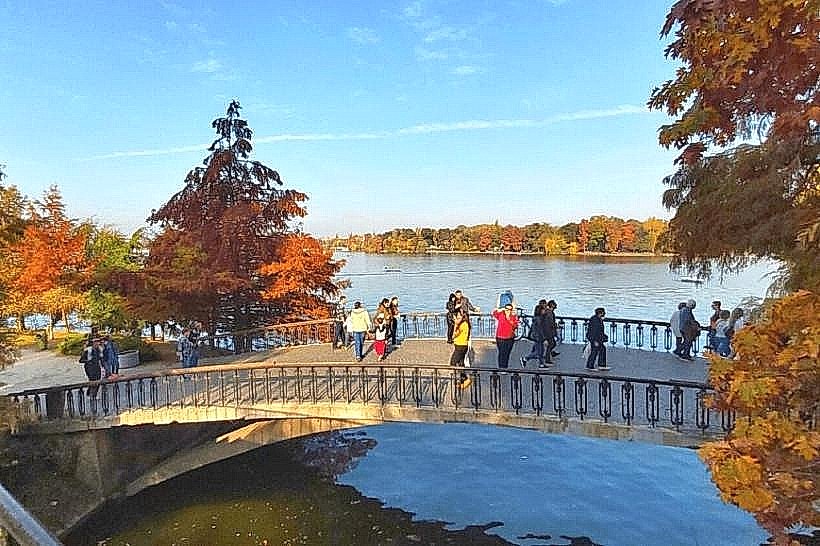
Visitors can explore individual houses, examining interior furnishings and tools. Demonstrations of traditional crafts, such as pottery, weaving, and wood carving, are often held on weekends. Guided tours are available, providing detailed information on the architecture and cultural context of each structure. The museum also features a small lake and walking paths within its grounds.
Infrastructure & Amenities
Restrooms are located within the museum complex. Shaded areas are provided by mature trees throughout the park and within the museum's courtyards. Cell phone signal (4G/5G) is generally available. Food vendors and small cafes are situated near the park entrances and within the museum grounds, offering snacks and beverages.
Best Time to Visit
The best time of day for photography is generally late morning or late afternoon, when the sun's angle provides optimal lighting on the structures. The most favorable months for visiting are from April to October, when the weather is mild and outdoor activities are most comfortable. The museum is an outdoor site, so checking weather forecasts is advisable.
Facts & Legends
One of the museum's most notable structures is a 17th-century wooden church from Maramureș, transported and reassembled on-site. It is one of the oldest wooden churches in Romania. A local anecdote suggests that during its construction, the original builders used a technique that allowed the church to be assembled without nails, a testament to traditional craftsmanship.
Nearby Landmarks
- King Michael I Park (0km, encompassing)
- The Romanian Peasant Museum (1.5km Southeast)
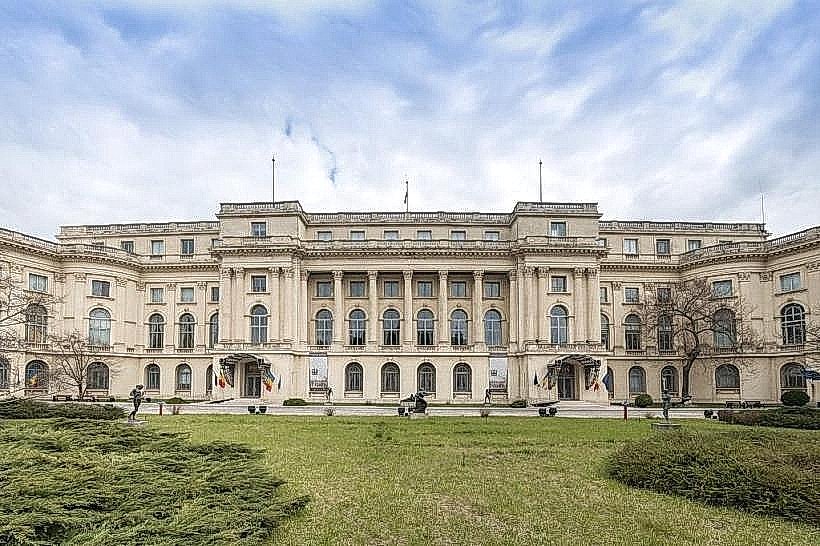
- National Museum of Art of Romania (2.5km Southeast)
- Herăstrău Lake (0.2km West)
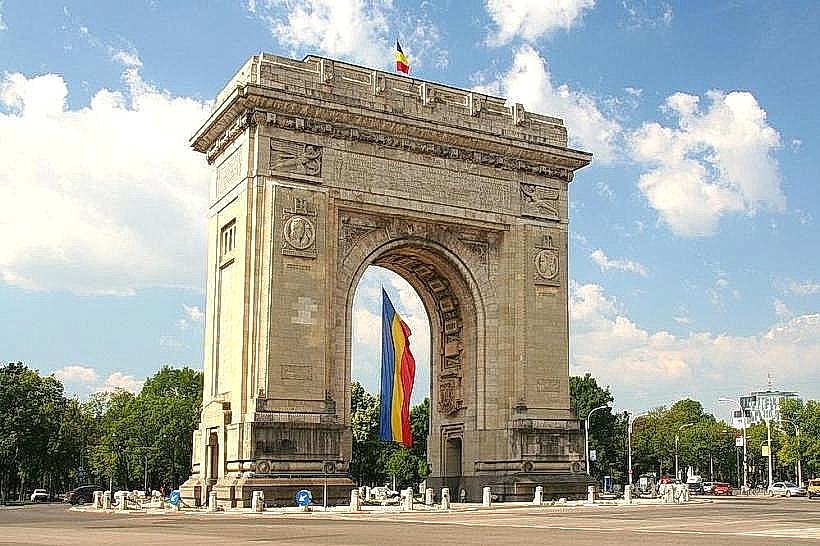
- Arcul de Triumf (1.8km North)