Landmark: Campo Ma’an National Park
City: Kribi
Country: Cameroon
Continent: Africa
Campo Ma’an National Park, Kribi, Cameroon, Africa
Campo Ma’an National Park is a protected area located in the South Region of Cameroon, near the city of Kribi.
This park encompasses a significant portion of the Congo Basin rainforest, serving as a critical biodiversity hotspot.
Visual Characteristics
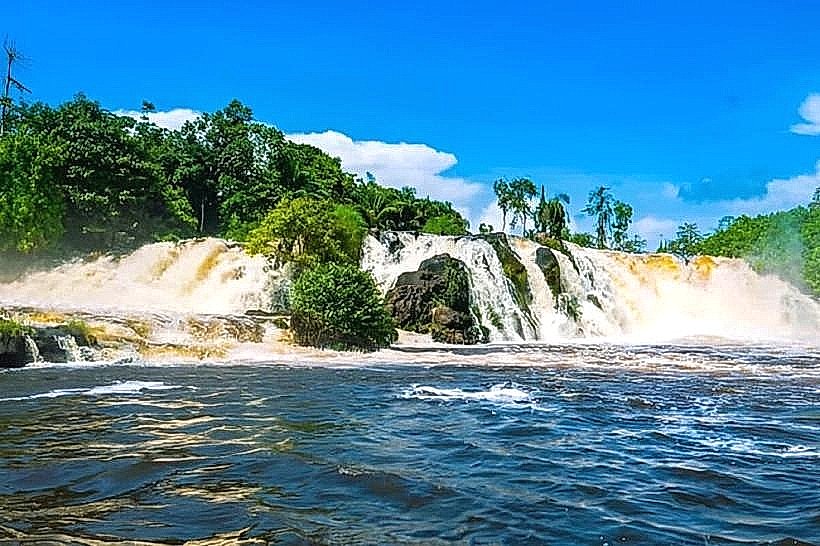
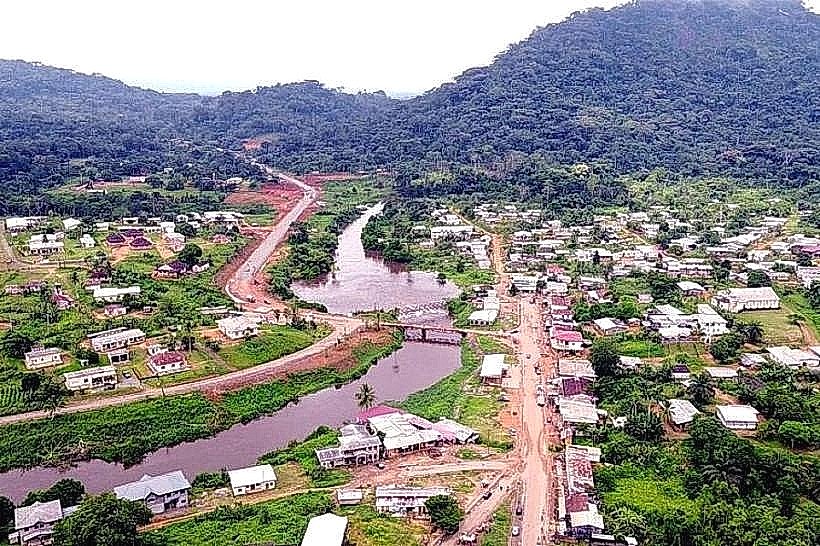
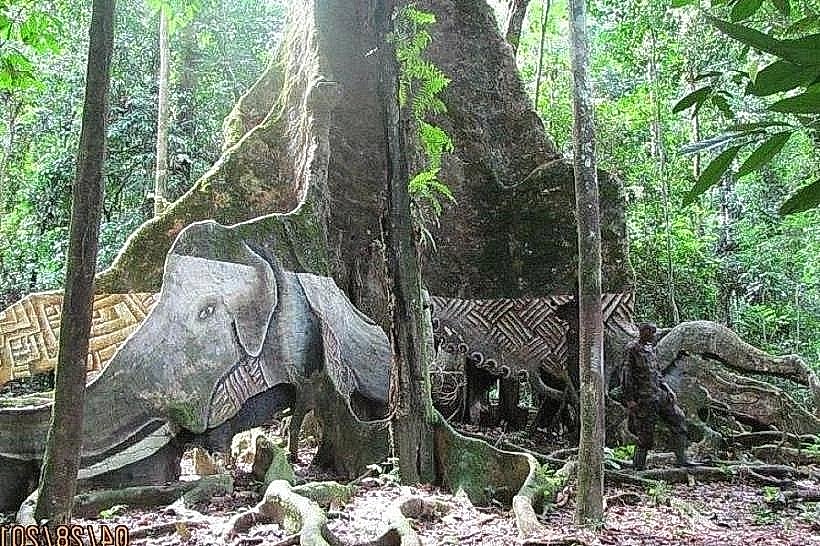
The park's terrain is characterized by dense, primary rainforest with a canopy reaching heights of 30-40 meters. Dominant tree species include various types of hardwoods. The undergrowth is thick, with ferns and smaller shrubs. Several rivers and streams traverse the landscape, with water color varying from clear to brown depending on sediment load. The park's elevation ranges from approximately 100 to 500 meters above sea level.
Location & Access Logistics
Campo Ma’an National Park is situated approximately 100 kilometers south of Kribi. Access is primarily via unpaved roads, requiring a 4x4 vehicle, especially during the rainy season. The main access point is from the village of Bipaga. There is no public transport directly to the park; visitors typically arrange private transport from Kribi or Douala. Parking is available at designated ranger stations within the park's buffer zones.
Historical & Ecological Origin
Established in 1999, Campo Ma’an National Park was created to protect a significant area of rainforest and its associated biodiversity, including endangered species. It is part of a larger transboundary conservation initiative. Ecologically, the park is classified as a tropical moist broadleaf forest, representing a vital corridor for wildlife movement within the Congo Basin.
Key Highlights & Activities
Activities include guided forest walks along designated trails, bird watching, and wildlife observation. Specific trails include the "Elephant Trail" and the "River Trail." Visitors may have opportunities to see primates, forest elephants, and a variety of bird species. Boat trips on the Ntem River are also possible in certain sections.
Infrastructure & Amenities
Basic infrastructure includes ranger stations for visitor registration and information. Limited restroom facilities are available at the main entrance points. Shade is abundant due to the dense forest canopy. Cell phone signal is generally absent within the park. Food vendors are not present within the park; visitors must bring their own supplies.
Best Time to Visit
The dry seasons, from December to February and June to August, offer the most favorable conditions for access and wildlife viewing. The best time of day for photography is generally early morning or late afternoon when light penetration through the canopy is more diffused. High tide is not a relevant factor for park visitation.
Facts & Legends
The park is home to the critically endangered Cross River gorilla, though sightings are rare. Local folklore speaks of forest spirits that protect certain areas of the park, discouraging unauthorized entry.
Nearby Landmarks
- Kribi Beach (approx. 100km Northwest)
- Lobéké National Park (approx. 300km Northeast)
- Dja Faunal Reserve (approx. 250km North)