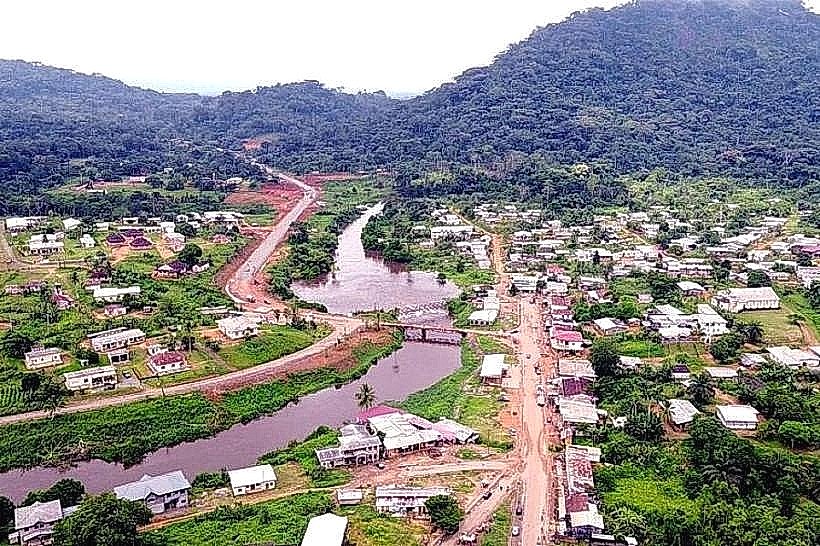
Landmark: Lolodorf Cultural Village
City: Kribi
Country: Cameroon
Continent: Africa
Lolodorf Cultural Village, Kribi, Cameroon, Africa
Lolodorf Cultural Village is a heritage site located in Kribi, Cameroon. It serves as a repository for traditional artifacts and architectural styles of the local ethnic groups.
Visual Characteristics
The village comprises several traditional huts constructed from local materials, primarily wood and thatch. These structures are typically circular or rectangular with steeply pitched roofs designed for rainfall runoff. The walls are often woven from plant fibers, and some feature decorative carvings. The ground within the village is generally packed earth.
Location & Access Logistics
Lolodorf Cultural Village is situated approximately 15 kilometers inland from Kribi. Access is via the N1 road, turning off onto a secondary, unpaved track for the final 2 kilometers. Vehicle access is possible, though a 4x4 is recommended during the rainy season. There is no direct public transport to the village; visitors typically arrange private transport from Kribi.
Historical & Ecological Origin
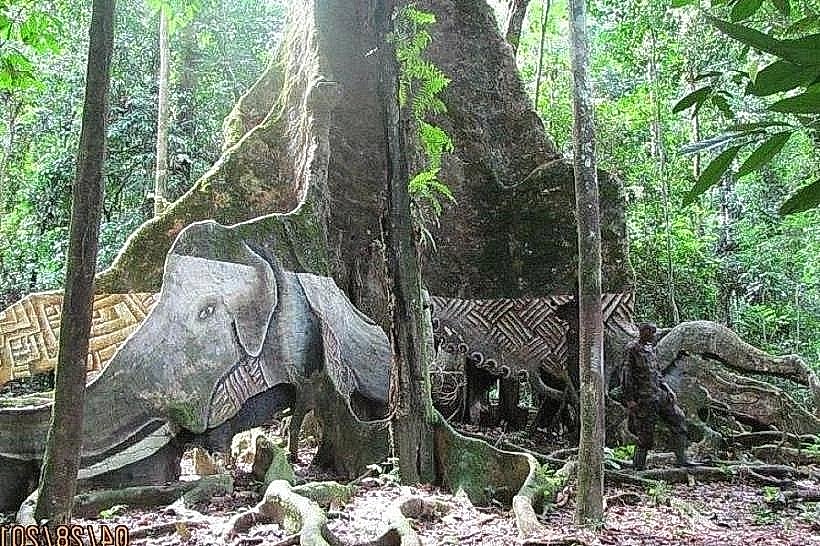
The village is a reconstruction and preservation effort, aiming to showcase the traditional living arrangements of the Beti-Pahuin people. The architectural styles reflect indigenous building techniques passed down through generations. The surrounding environment is tropical rainforest, characterized by dense vegetation and high humidity.
Key Highlights & Activities
Visitors can observe the construction methods of traditional dwellings. Demonstrations of local crafts, such as weaving and carving, may be available upon prior arrangement. The site offers opportunities to learn about the social structures and daily life of the region's historical inhabitants.
Infrastructure & Amenities
Basic amenities are limited. There are no permanent restroom facilities. Shade is provided by the natural tree canopy and the roofs of the huts. Cell phone signal is unreliable within the village itself. Food vendors are not present at the site; arrangements for food should be made in Kribi.
Best Time to Visit
The dry season, from November to March, offers the most favorable conditions for visiting due to reduced rainfall. The best time of day for observation is generally mid-morning or late afternoon when the light is less direct.
Facts & Legends
A specific tradition observed in the construction of these huts involves the orientation of the main entrance, which is often aligned with prevailing winds or specific celestial markers, though the exact reasoning varies by clan.
Nearby Landmarks
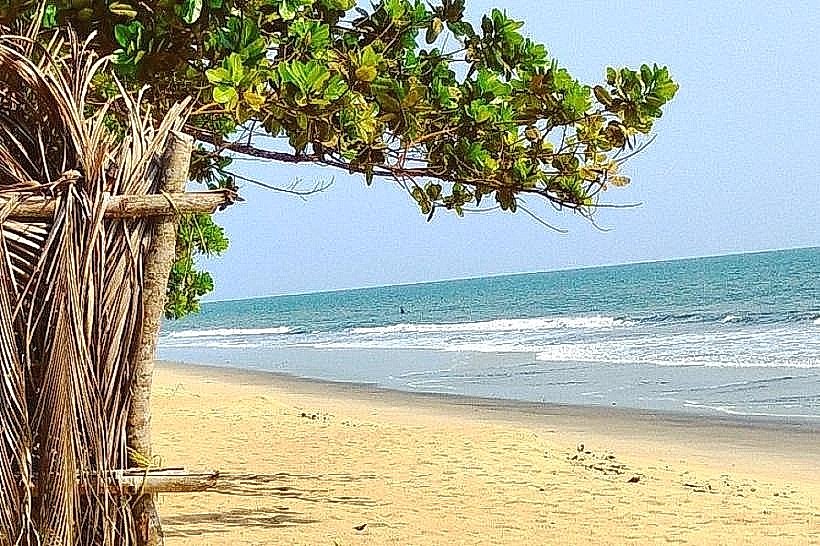
- Kribi Beach (15km Southwest)
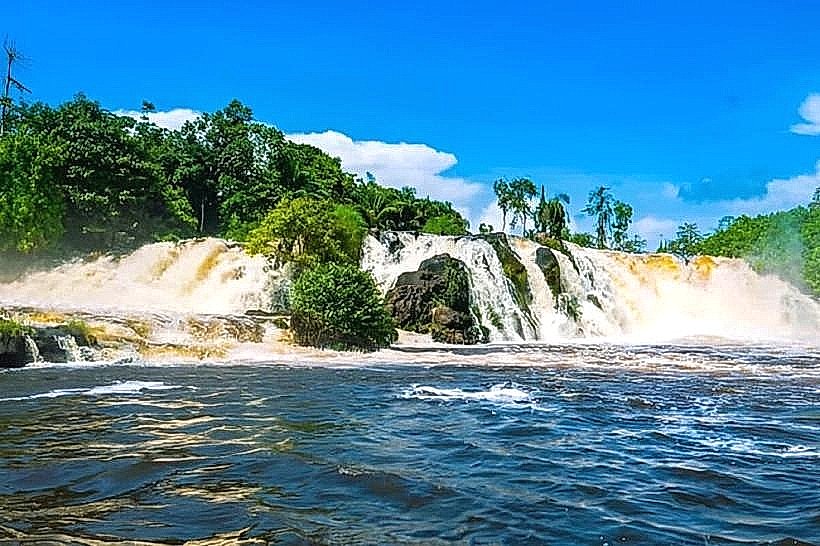
- Lobe River Waterfalls (18km Southwest)
- Eboundja Village (22km Southwest)