Landmark: Catalina Island
City: La Romana
Country: Dominican Republic
Continent: North America
Catalina Island, La Romana, Dominican Republic, North America
Catalina Island is an uninhabited island located approximately 2.4 kilometers southeast of La Romana, Dominican Republic. It serves as a popular destination for day trips focused on marine activities.
Visual Characteristics
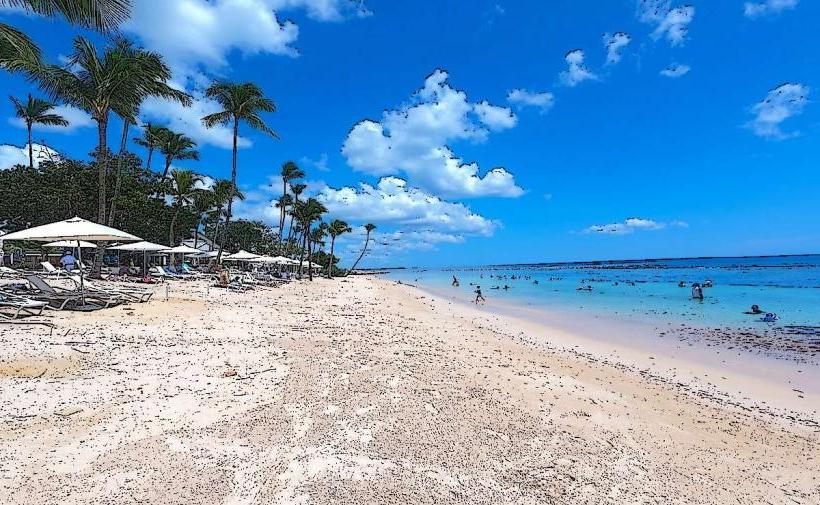
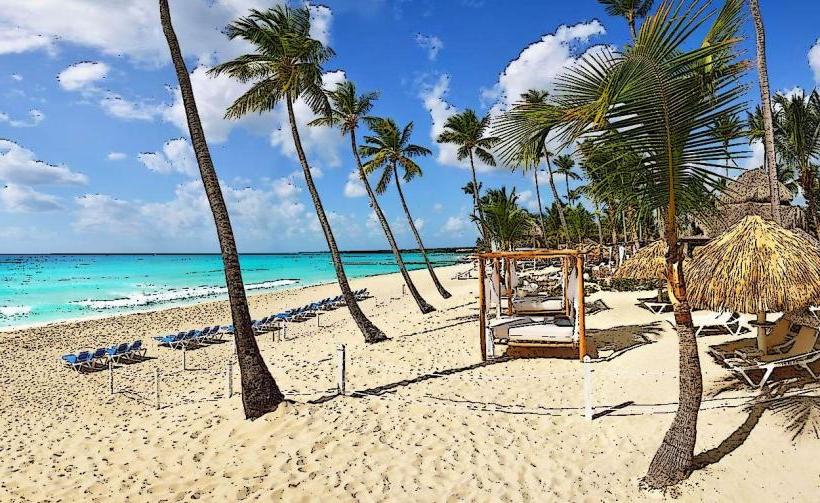
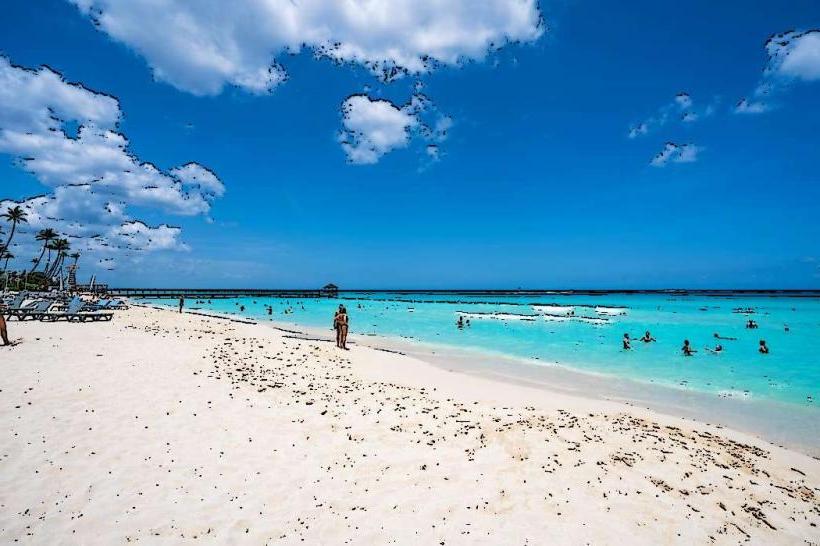
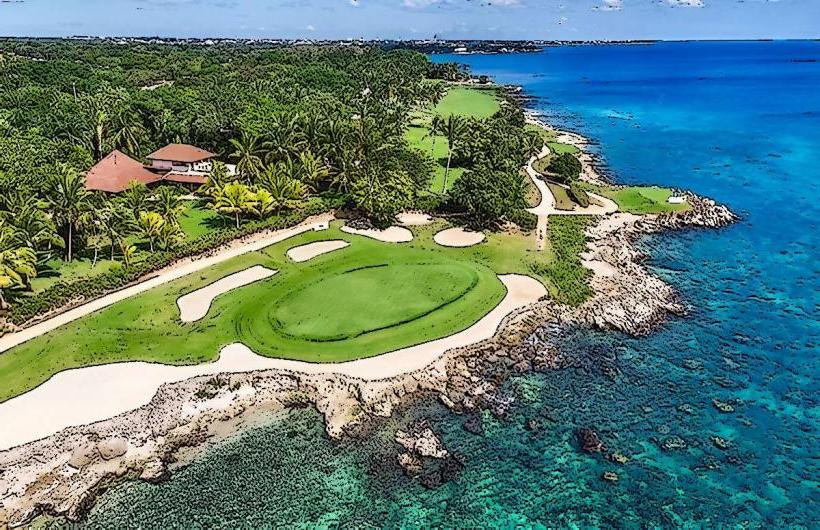
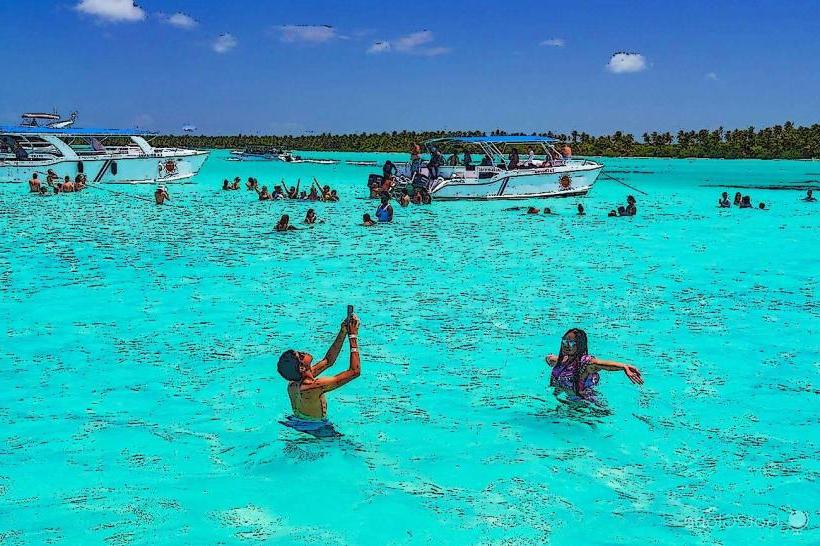
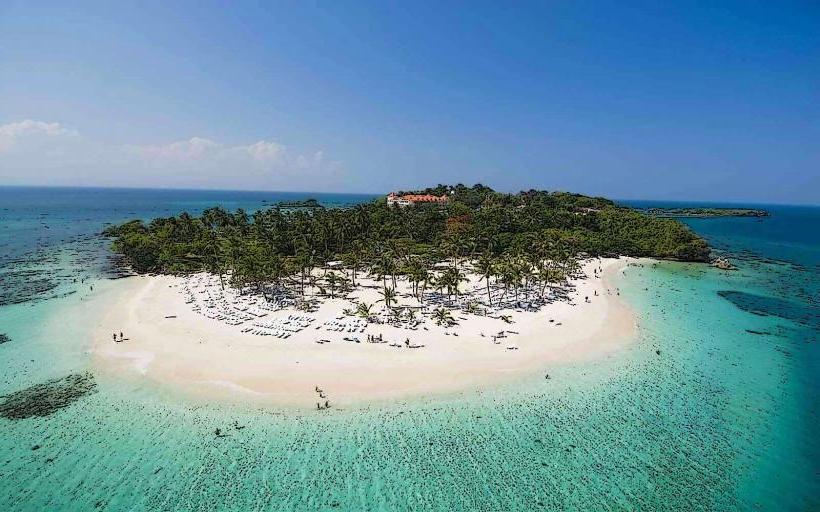
The island features white sand beaches and clear turquoise waters. Its interior is covered with dense tropical dry forest vegetation, primarily palm trees and various shrubs. The coastline is generally low-lying, with some rocky outcrops on the eastern side.
Location & Access Logistics
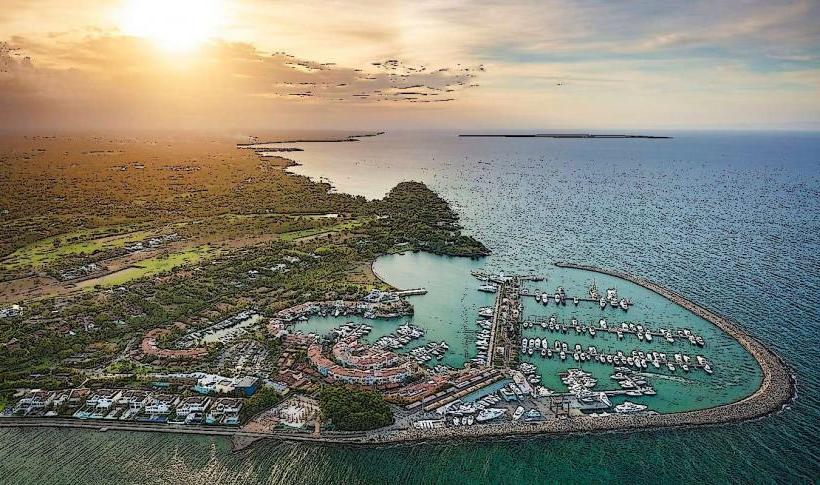
Access to Catalina Island is exclusively by boat. Tour operators depart from various points along the La Romana coastline, including the marina at Casa de Campo. The island is approximately a 20-minute boat ride from the mainland. There are no roads or public transport options directly to the island; all visitors arrive via organized boat transfers. No parking facilities exist on the island itself.
Historical & Ecological Origin
Catalina Island is a natural coral atoll, formed by the accumulation of coral polyps over millennia. It is part of the Parque Nacional del Este protected area, recognized for its marine biodiversity and coral reef ecosystems. The island was named by Christopher Columbus during his second voyage in 1494.
Key Highlights & Activities
Snorkeling and scuba diving are primary activities, particularly at sites like 'The Wall' and 'The Aquarium', which feature diverse coral formations and marine life. Beach relaxation and swimming are also common. Some tours include a barbecue lunch served directly on the beach. Glass-bottom boat tours are available for non-swimmers.
Infrastructure & Amenities
Basic restroom facilities are typically provided by tour operators on the island, often in temporary structures. Limited natural shade is available from palm trees. Cell phone signal (4G) is generally intermittent and unreliable. Food and beverages are usually part of organized tours, with no permanent vendors or shops on the island.
Best Time to Visit
The dry season from December to April offers the most stable weather conditions with less rainfall and calmer seas. Mornings generally provide clearer waters and better lighting for underwater photography. High tide does not significantly impact access or activities on the island's beaches.
Facts & Legends
Local lore suggests the island was once a hideout for pirates due to its secluded coves and strategic location. A verified historical fact is that the island was officially declared a protected natural monument in 1997 to preserve its ecological value.
Nearby Landmarks
- La Romana Port: 2.5km West
- Casa de Campo Marina: 3km Northwest
- Playa Minitas: 4km Northwest