Landmark: La Romana Altos de Chavón
City: La Romana
Country: Dominican Republic
Continent: North America
La Romana Altos de Chavón, La Romana, Dominican Republic, North America
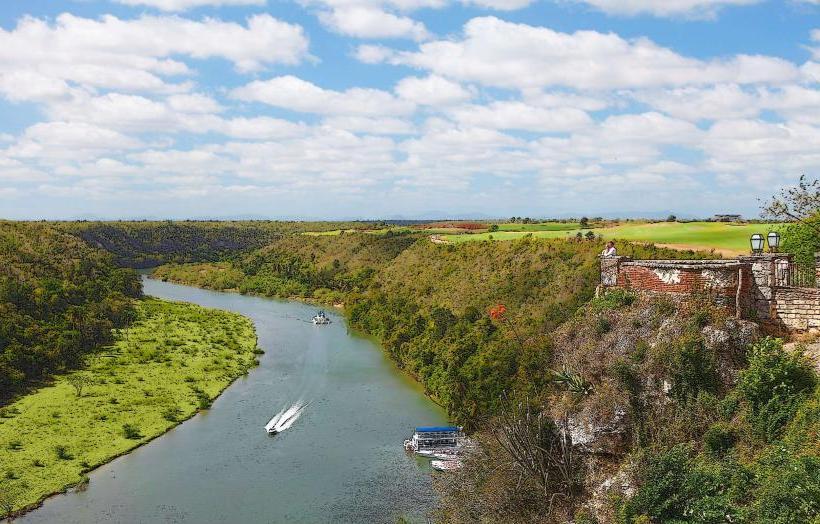
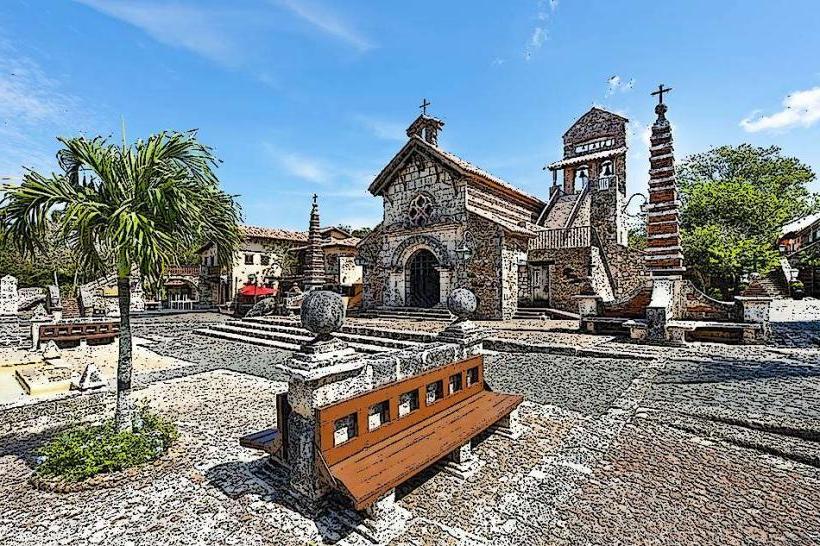
Altos De Chavón is a meticulously crafted replica of a 16th-century Mediterranean village, situated on a plateau overlooking the Chavón River in La Romana, Dominican Republic. It functions as a cultural center and artists' community.
Visual Characteristics
The village is constructed primarily from local coral stone and terracotta, giving it an aged, rustic appearance. Buildings feature rough-hewn stone walls, red-tiled roofs, and cobblestone streets. Architectural elements include arched doorways, wrought-iron balconies, and a central plaza. The village encompasses a 5,000-seat Roman-style amphitheater, a stone church, and several artisan workshops and galleries. The overall aesthetic replicates a blend of Spanish and Italian Renaissance styles.
Location & Access Logistics
Altos de Chavón is located within the private resort community of Casa de Campo, approximately 10 kilometers east of La Romana city center. Access is primarily via Carretera La Romana-Higuey (Highway 3). Visitors typically enter through the main gate of Casa de Campo, where identification may be required. Ample parking is available on-site. Public transport directly to Altos de Chavón is limited; taxis or resort shuttles are the most common methods of arrival from La Romana or surrounding areas.
Historical & Ecological Origin
Construction of Altos de Chavón began in 1976 and was completed in 1982. It was conceived by Charles Bluhdorn, then chairman of Gulf+Western, and designed by Dominican architect Roberto Copa. The village was built by local artisans and served as a gift to his daughter, Dominique Bluhdorn. Its original purpose was to create a cultural and artistic hub, fostering local talent and preserving Dominican heritage.
Key Highlights & Activities
Visitors can explore the St. Stanislaus Church, a functional Catholic church. The Regional Museum of Archaeology displays pre-Columbian artifacts from the Taino culture. The Altos de Chavón Amphitheater hosts concerts and events. Artisan workshops offer demonstrations and sales of local crafts, including pottery, weaving, and painting. Dining options are available at various restaurants and cafes within the village.
Infrastructure & Amenities
Restrooms are available throughout the village. Shade is provided by building overhangs, arcades, and scattered trees. Cell phone signal (4G/5G) is generally reliable. Multiple food vendors, including full-service restaurants and casual cafes, are present. There are also gift shops and art galleries.
Best Time to Visit
The best time to visit is during the cooler, drier months from December to April. Mornings, between 9:00 AM and 11:00 AM, or late afternoons, after 3:00 PM, are ideal for photography due to softer lighting and to avoid the midday heat. The village is accessible year-round.
Facts & Legends
The Altos de Chavón Amphitheater was inaugurated in 1982 with a concert by Frank Sinatra. The village is home to the Altos de Chavón School of Design, affiliated with Parsons School of Design in New York City, attracting students from around the world.
Nearby Landmarks
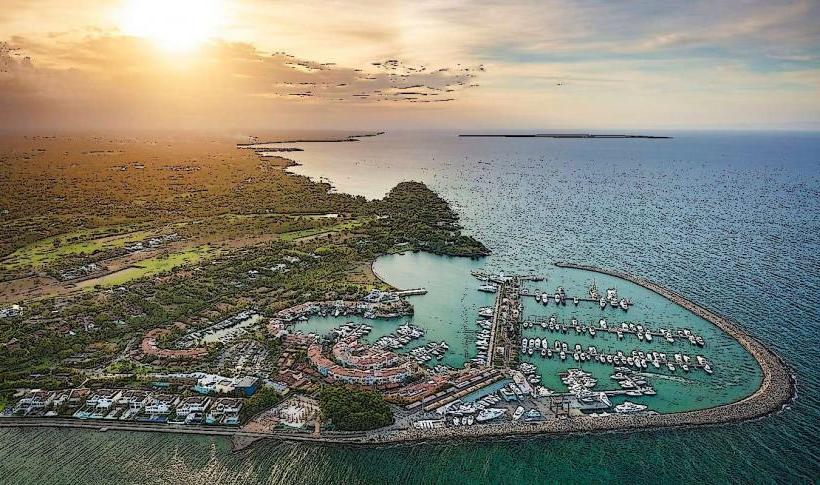
- Casa de Campo Marina: 3.5km South
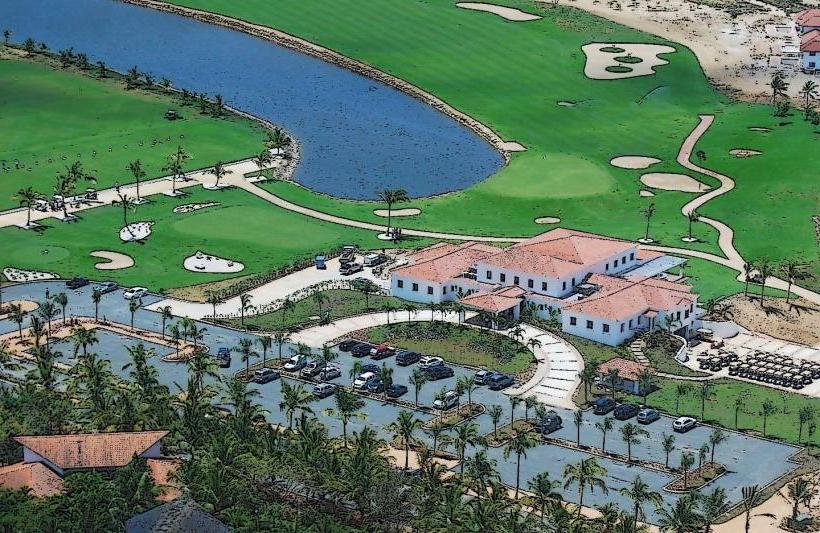
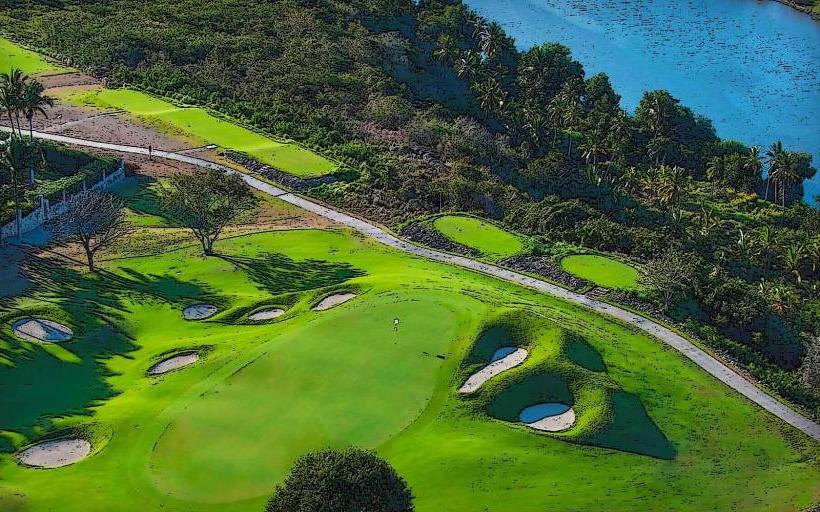
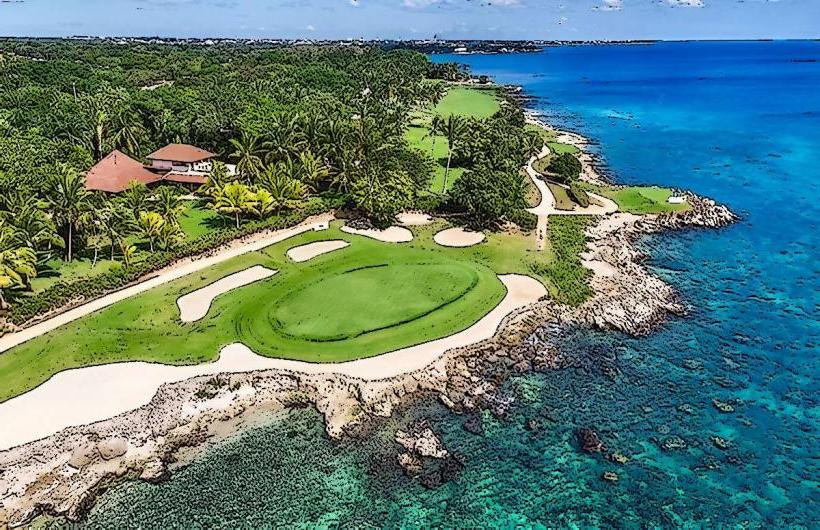
- Dye Fore Golf Course: 1.5km East
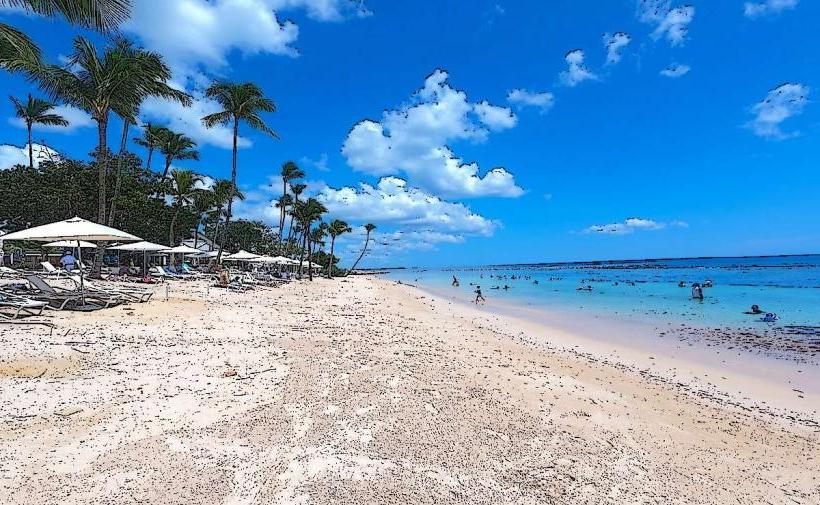
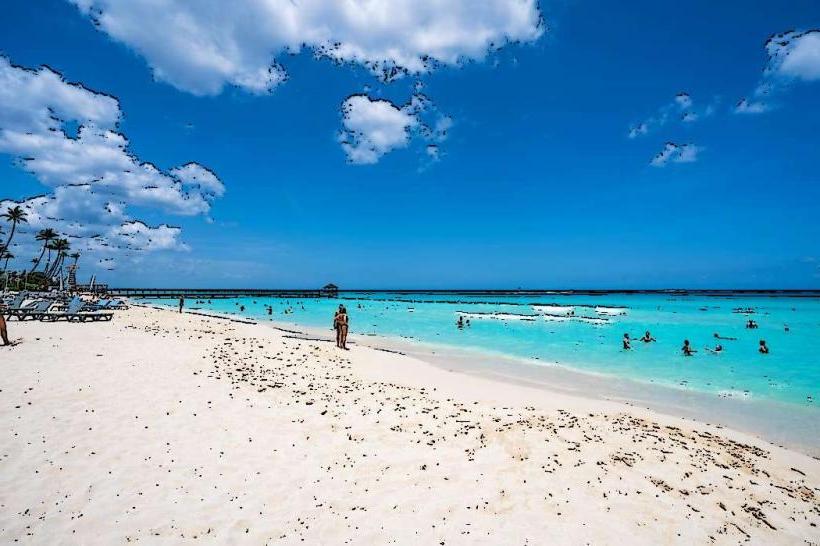
- Minitas Beach: 4km South-West
- La Romana International Airport (LRM): 12km West