Landmark: Padre Nuestro Ecological Trail
City: La Romana
Country: Dominican Republic
Continent: North America
Padre Nuestro Ecological Trail, La Romana, Dominican Republic, North America
The Padre Nuestro Ecological Trail is a protected natural area encompassing a network of hiking paths, subtropical dry forest, and limestone caves. It is situated near the city of La Romana in the Dominican Republic.
Visual Characteristics
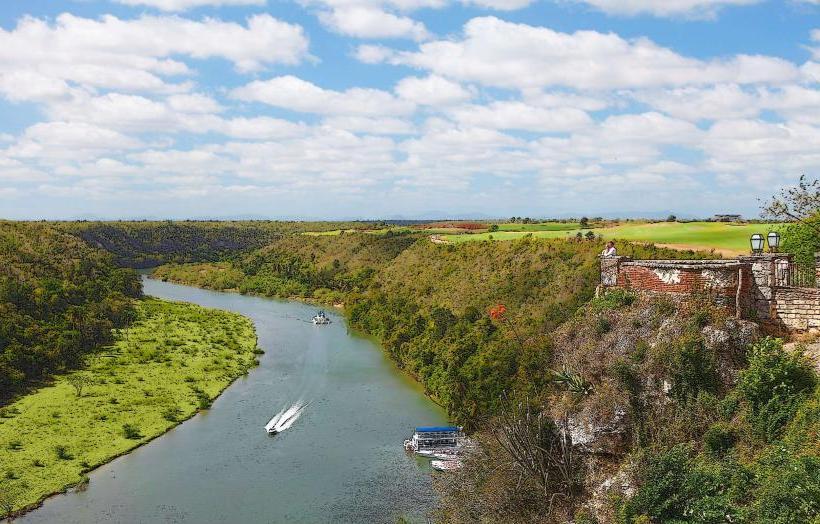
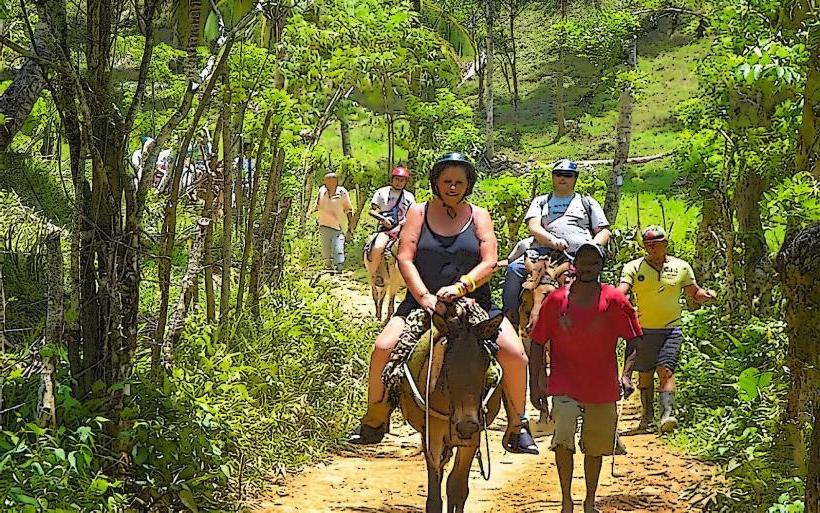
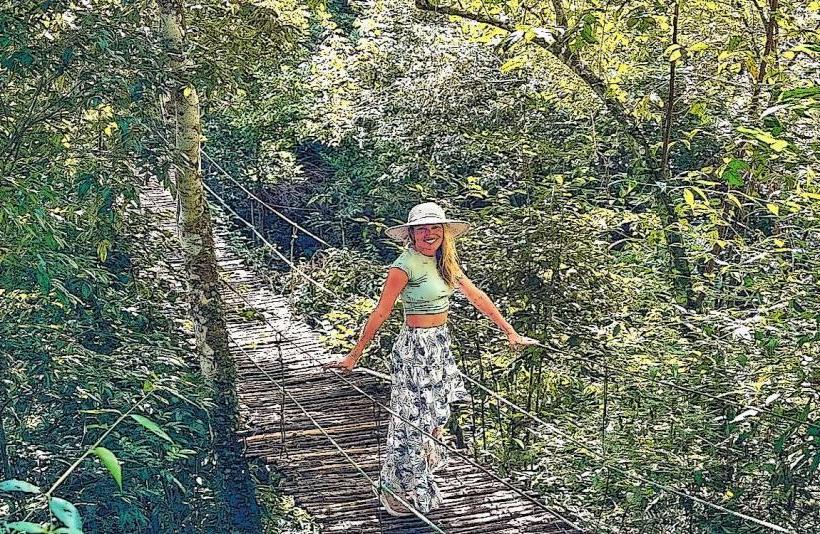
The trail traverses a landscape characterized by dense, low-lying subtropical dry forest with a canopy reaching approximately 10-15 meters. The terrain features exposed karst limestone formations and numerous sinkholes. Key visual elements include the entrances to several underground caves, some containing freshwater lagoons with clear, cool water. The vegetation is primarily green, with seasonal variations, and includes various native trees, shrubs, and epiphytes.
Location & Access Logistics
The Padre Nuestro Ecological Trail is located approximately 15 kilometers west of La Romana city center. Access is typically via a turn-off from the Carretera La Romana-San Pedro de Macorís (Highway 3), near the entrance to the Cueva de las Maravillas. A designated parking area is available at the main entrance point. Public transportation options include local "guaguas" (minibuses) traveling along Highway 3, which can drop visitors near the entrance, or private taxi services from La Romana.
Historical & Ecological Origin
The trail's landscape is a result of extensive limestone karst geological formations, developed over millions of years through the dissolution of soluble bedrock. Ecologically, it is classified as a subtropical dry forest, a critical habitat for various endemic and native flora and fauna adapted to arid conditions. The caves within the trail system were formed by groundwater erosion and have historically served as shelters and ceremonial sites for the indigenous Taíno people.
Key Highlights & Activities
Visitors can engage in guided hiking along marked trails, exploring the diverse forest ecosystem. Specific activities include cave exploration, with opportunities to observe stalactites, stalagmites, and underground freshwater lagoons. Swimming is permitted in designated cenotes or cave lagoons. Bird watching is also a prominent activity due to the area's avian diversity.
Infrastructure & Amenities
Basic restroom facilities are available near the main entrance point, often shared with the Cueva de las Maravillas visitor center. The trail itself offers natural shade from the forest canopy. Cell phone signal (4G/5G) can be intermittent along certain sections of the trail due to the dense vegetation and topography. Limited food and beverage vendors may be present at the entrance, with more extensive options available along Highway 3 or in La Romana.
Best Time to Visit
The optimal time to visit is during the dry season, from November to April, when temperatures are milder and rainfall is minimal, ensuring comfortable hiking conditions. Visiting in the early morning is recommended to avoid the peak heat of the day and to experience cooler temperatures and better natural light for photography within the forest and cave entrances.
Facts & Legends
The caves of Padre Nuestro contain evidence of ancient Taíno presence, including petroglyphs and artifacts, indicating their use as sacred spaces. A practical tip for visitors is to wear sturdy, closed-toe shoes suitable for uneven terrain and to carry sufficient water, as the trail can be physically demanding.
Nearby Landmarks
- Cueva de las Maravillas: 0.5km East
- Río Cumayasa (estuary): 4km South
- Playa Cumayasa: 5km Southeast