Information
Landmark: Cayo CocoCity: Ciego de Avila
Country: Cuba
Continent: North America
Cayo Coco, Ciego de Avila, Cuba, North America
Cayo Coco is a Cuban island located in the Jardines del Rey archipelago, off the northern coast of Ciego de Avila Province.
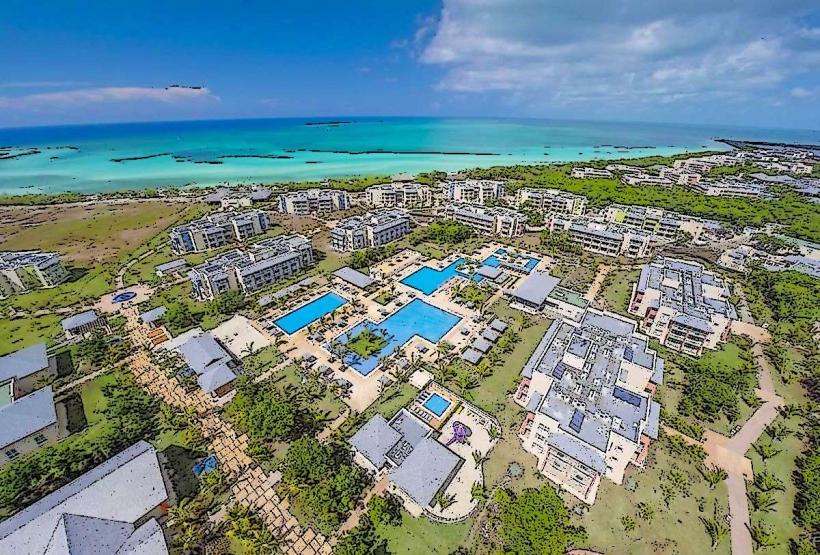
It is a flat, low-lying island characterized by extensive mangrove forests and white sand beaches.
Visual Characteristics
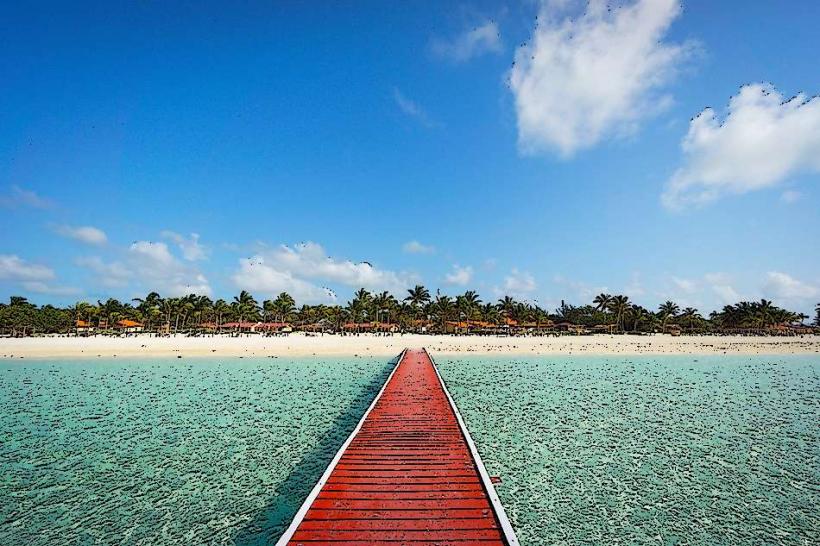
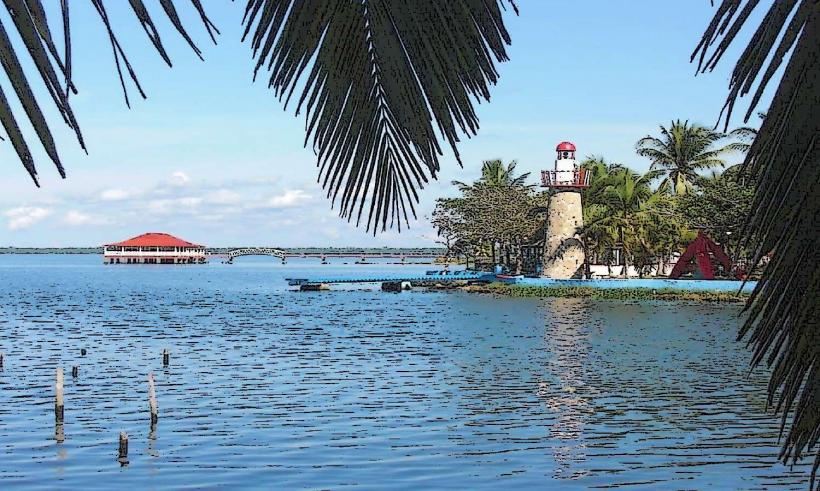
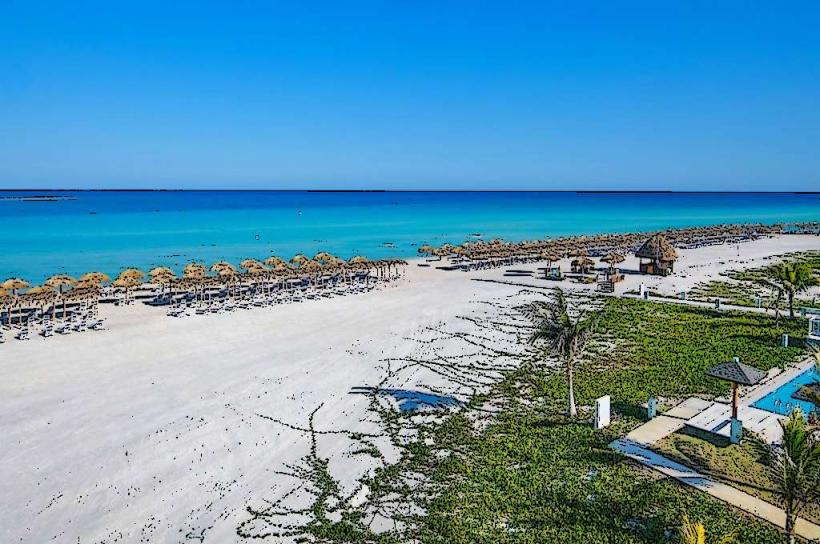
The island's coastline features long stretches of fine, white coral sand. Inland, the terrain is dominated by dense mangrove vegetation, primarily red mangrove (Rhizophora mangle), with some areas of palm trees. The waters surrounding Cayo Coco are shallow and exhibit a range of blues and greens, becoming deeper offshore. The island's elevation is minimal, with the highest points rarely exceeding a few meters above sea level.
Location & Access Logistics
Cayo Coco is situated approximately 500 kilometers east of Havana. Access is primarily via the 27-kilometer-long causeway (Carretera de Cayo Coco) connecting it to the mainland town of Morón. This causeway is the only road access. The nearest international airport is Jardines del Rey Airport (CCC) on Cayo Coco itself, with direct flights from various international locations. For those arriving by car from mainland Cuba, parking is available at hotels and designated areas. Public transport to the island is limited to organized tour buses and taxis from Morón.
Historical & Ecological Origin
Cayo Coco is a natural island formed by the accumulation of marine sediments and coral reef growth over millennia. Its ecological significance lies in its extensive mangrove ecosystems, which serve as critical nurseries for marine life and provide habitat for numerous bird species, including the native Cuban flamingo (Phoenicopterus ruber). Historically, the island was sparsely inhabited, primarily by fishermen, until the development of tourism infrastructure began in the late 20th century.
Key Highlights & Activities
Activities include swimming and sunbathing on the beaches, such as Playa Flamenco and Playa Larga. Snorkeling and diving are possible in the coral reefs offshore, particularly at designated dive sites. Birdwatching is a significant activity, with opportunities to observe flamingos, pelicans, and various other avian species in the mangrove areas. Fishing excursions are also available. Walking or cycling along designated paths within resort areas is permitted.
Infrastructure & Amenities
The island hosts several all-inclusive resorts. Within these resorts, amenities typically include restaurants, bars, swimming pools, and private beach access. Public restrooms are generally available within resort facilities and at the airport. Shade is provided by palm trees and resort structures on beaches. Cell phone signal (3G/4G) is generally available within resort zones and along the main causeway, though it can be intermittent in more remote areas. Food vendors are primarily located within resort complexes; limited options exist outside these areas.
Best Time to Visit
The dry season, from November to April, offers the most favorable weather conditions with lower humidity and less rainfall. The best time of day for photography, particularly for capturing the color of the water and sky, is generally between 9:00 AM and 11:00 AM, and again from 3:00 PM to 5:00 PM, avoiding the harshest midday sun. High tide is not a critical factor for beach access, but can influence snorkeling conditions near shore.
Facts & Legends
Cayo Coco is famously associated with the fictional parrot, Coco, from the children's book "The Adventures of Coco the Parrot," written by Cuban author Onelio Jorge Cardoso. While the book is fictional, the island's name is derived from the abundance of coconut palms historically found there.
Nearby Landmarks
- Morón (Town) - 25km Southwest
- Laguna de la Redonda (Lake) - 30km Southwest
- Cayo Guillermo (Island) - 15km East
- Parque Nacional Caguanes (National Park) - 70km Southwest