Landmark: Cha das Caldeiras Village
City: Sao Filipe
Country: Cabo Verde
Continent: Africa
Cha das Caldeiras Village, Sao Filipe, Cabo Verde, Africa
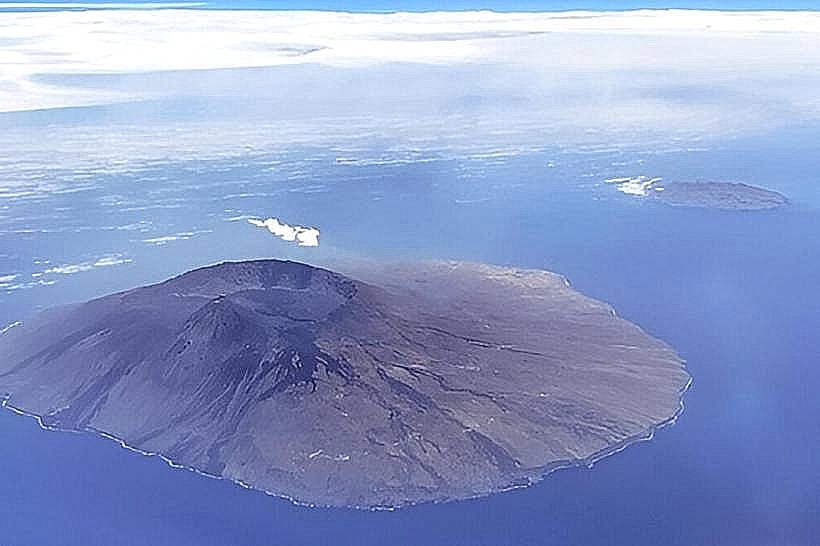
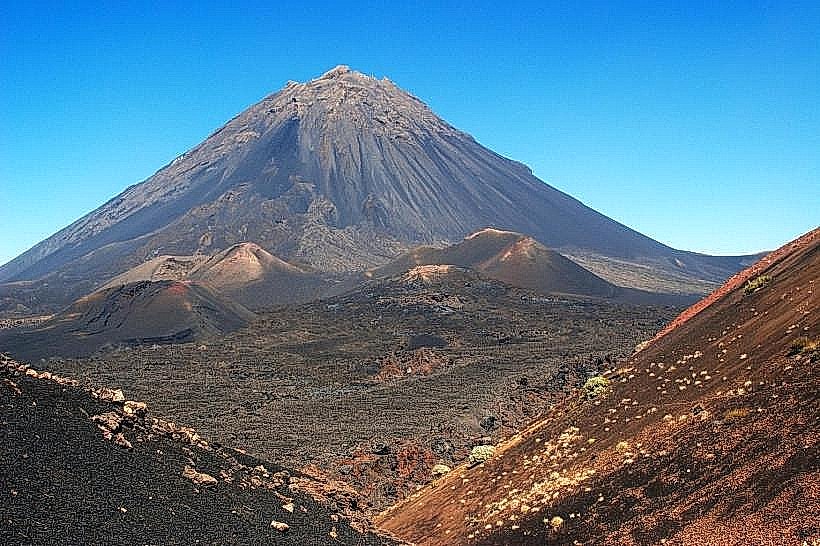
Cha das Caldeiras Village is a settlement situated within the caldera of the Pico de Fogo volcano on the island of Fogo, Cabo Verde.
It serves as the primary access point and base for ascending Pico de Fogo.
Visual Characteristics
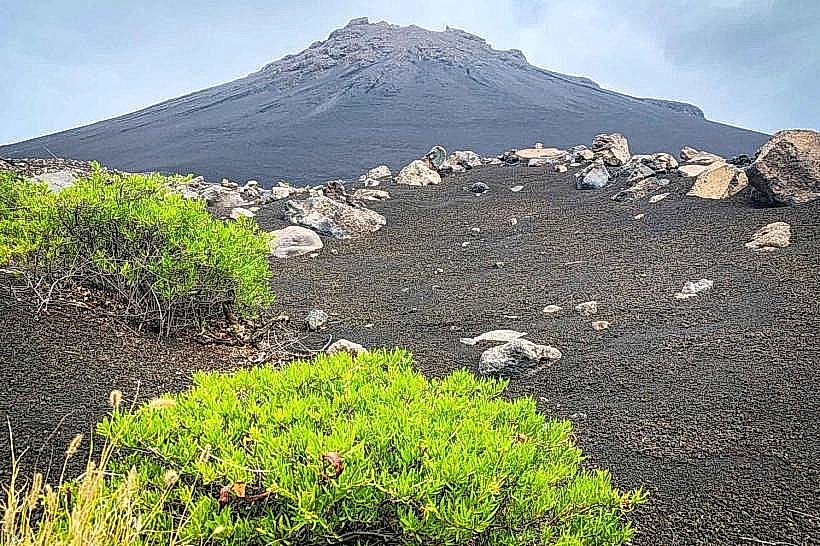
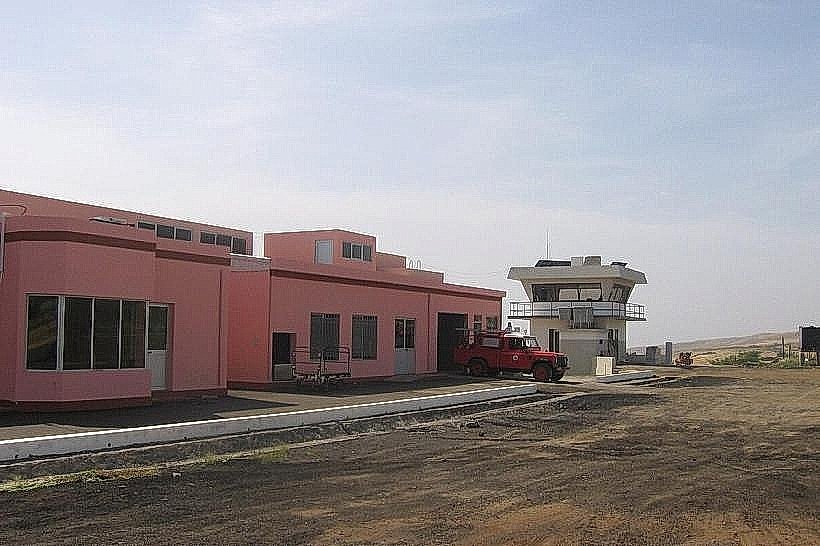
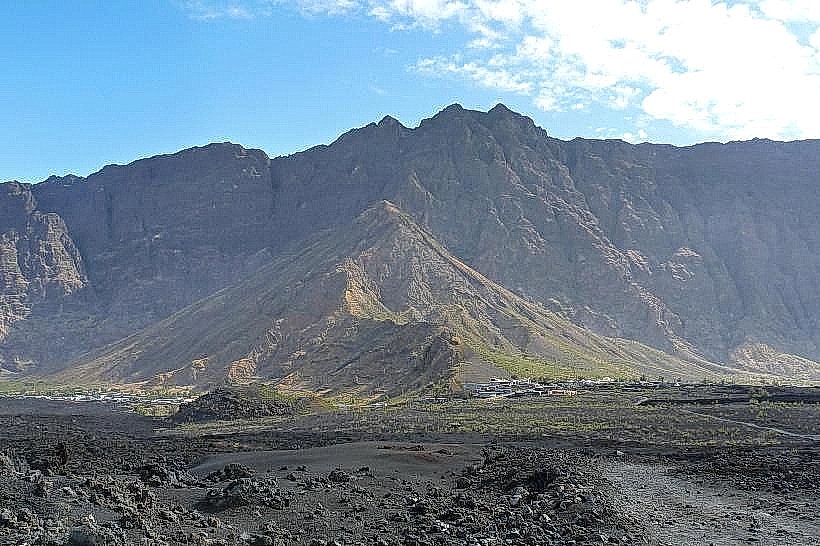
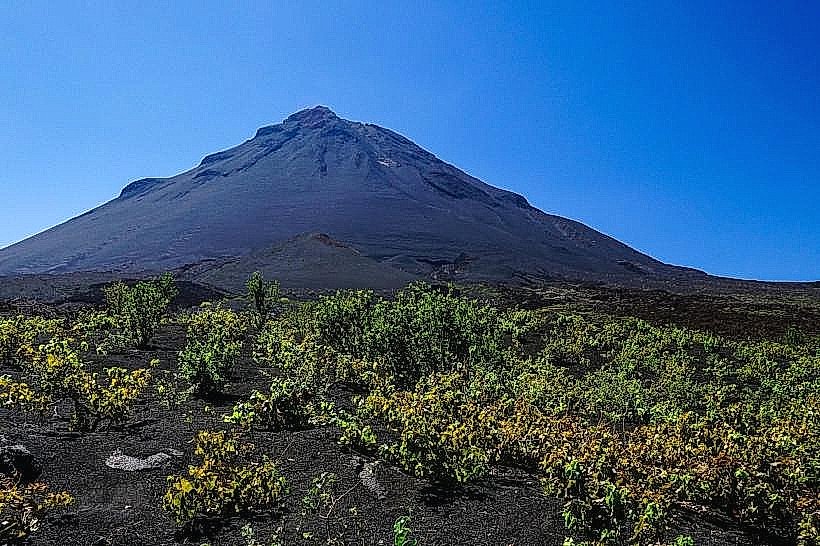
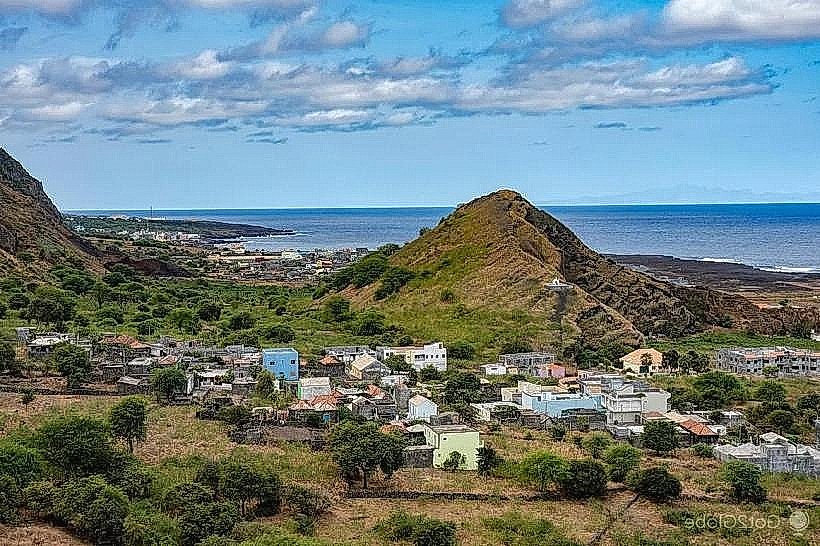
The village consists of a collection of low-lying structures constructed primarily from volcanic rock and corrugated metal. Buildings are typically single-story with simple rectangular designs. The surrounding landscape is characterized by dark volcanic ash and rock, with sparse, hardy vegetation adapted to the arid, high-altitude environment. The caldera walls rise steeply around the settlement.
Location & Access Logistics
Cha das Caldeiras Village is located approximately 25 kilometers inland from the city of Sao Filipe. Access is via the main island road (EN1-FG) which transitions to a rougher, unpaved track for the final section. The track is suitable for 4x4 vehicles. Public transport is limited; shared taxis or pre-arranged transfers from Sao Filipe are the most common methods of arrival. Parking is available on unpaved areas adjacent to the village.
Historical & Ecological Origin
The village's existence is directly tied to the volcanic activity of Pico de Fogo. The caldera itself is a result of past volcanic eruptions. The settlement was established to facilitate access for researchers and, more recently, tourists interested in climbing the volcano. Its ecological origin is a high-altitude volcanic environment.
Key Highlights & Activities
The primary activity is the ascent of Pico de Fogo. Guided hikes to the summit depart daily. Visitors can also explore the immediate surroundings of the caldera, observe volcanic formations, and interact with the local community. Overnight stays in basic accommodations are available.
Infrastructure & Amenities
Basic amenities include a few guesthouses offering simple lodging and meals. There are no formal restaurants, but food can often be arranged through accommodations. Restrooms are available at some guesthouses. Cell phone signal is intermittent and generally weak. There is no formal shade outside of structures.
Best Time to Visit
The best time for visiting is during the dry season, from November to May, to minimize the risk of rain affecting the volcano ascent. The best time of day for photography is generally mid-morning or late afternoon when the sun angle provides definition to the volcanic landscape. There are no tide requirements.
Facts & Legends
A unique aspect of Cha das Caldeiras is the resilience of its inhabitants, who have historically returned to rebuild after volcanic eruptions. Local lore often speaks of the volcano's spirit and its influence on daily life.
Nearby Landmarks
- Pico de Fogo Summit (0.5km North)
- Cova de Fogo (3km West)
- Porto de Vale dos Cavaleiros (4km Southwest)
- Fajã Grande (4.5km Southwest)