Landmark: Pico do Fogo Volcano
City: Sao Filipe
Country: Cabo Verde
Continent: Africa
Pico do Fogo Volcano, Sao Filipe, Cabo Verde, Africa
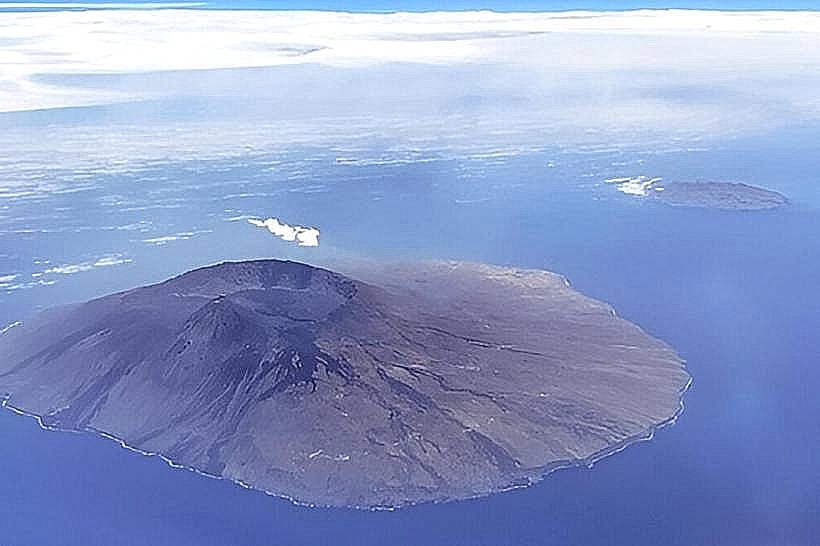
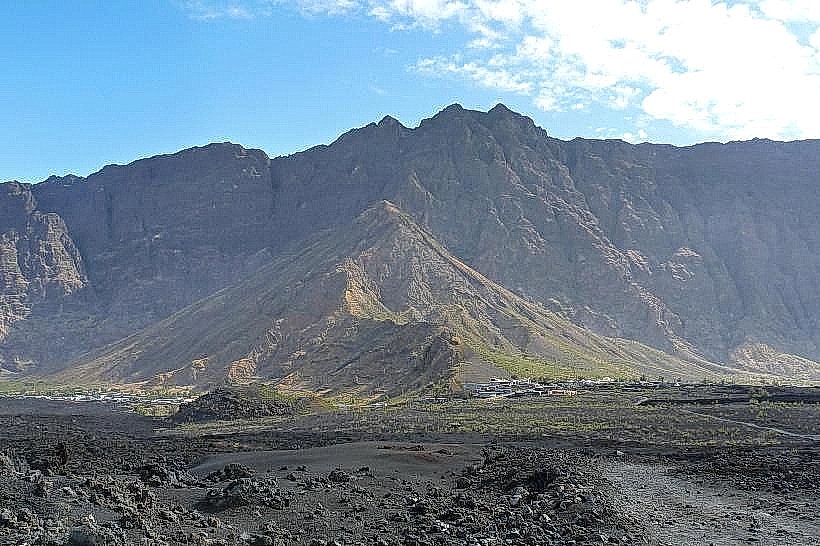
Pico do Fogo is an active stratovolcano located on the island of Fogo in Cabo Verde. It is the highest peak in the Republic of Cabo Verde.
Visual Characteristics
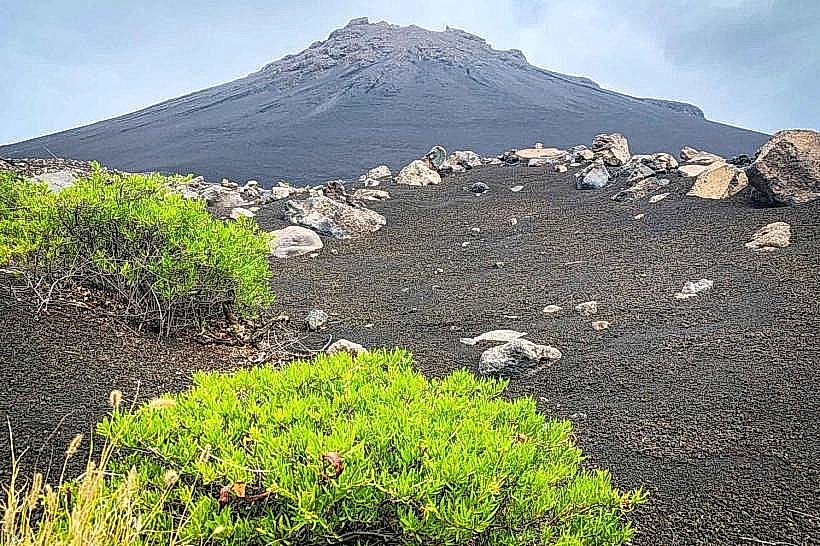
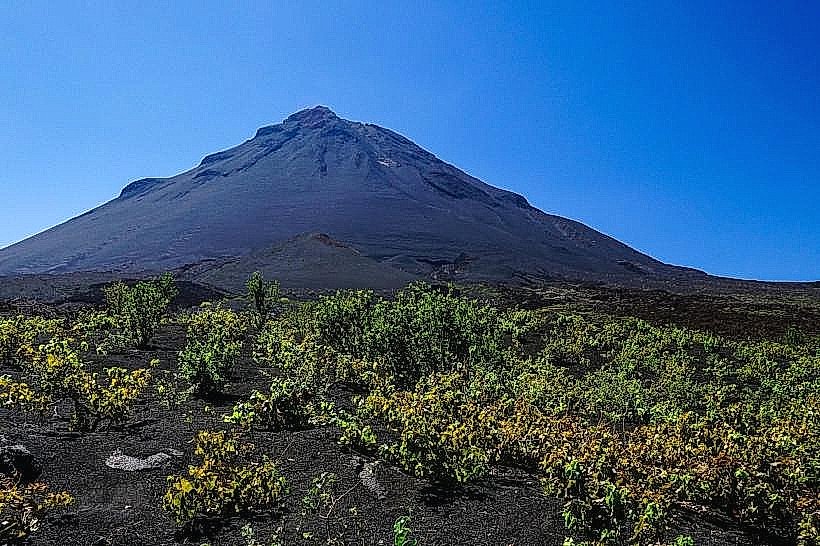
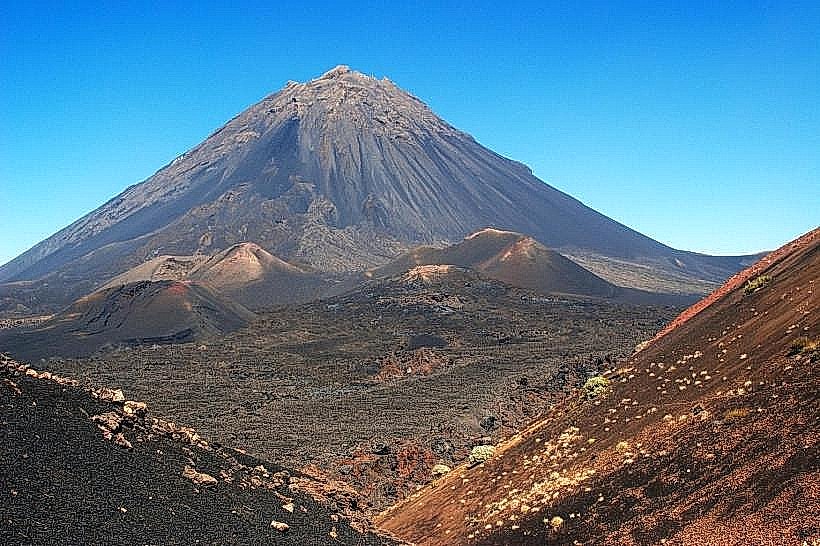
The volcano's cone is composed of dark volcanic rock, primarily basalt. Its slopes are steep, with a caldera at the summit. The current crater is approximately 500 meters in diameter and 150 meters deep. Vegetation is sparse on the upper slopes, consisting mainly of hardy grasses and shrubs adapted to volcanic soil.
Location & Access Logistics
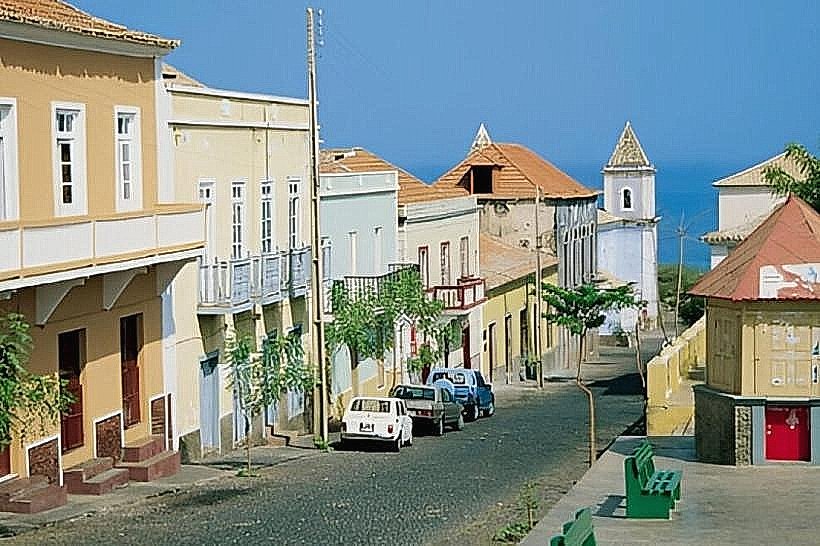
Pico do Fogo is situated in the center of Fogo Island. Access is via a paved road from the town of São Filipe, approximately 20 kilometers inland. The road leads to a parking area at the base of the volcano, at an elevation of around 1,700 meters. From the parking area, ascent is on foot. There are no public transport routes directly to the volcano's base; private car hire or organized tours are the primary methods of access.
Historical & Ecological Origin
Pico do Fogo is a stratovolcano formed by the accumulation of successive lava flows and pyroclastic material. Its formation is part of the volcanic activity of the Cape Verde hotspot. The volcano has a history of eruptions, with the most recent significant event occurring in 2014-2015, which reshaped the summit crater.
Key Highlights & Activities
The primary activity is hiking to the summit crater. Guided ascents are mandatory for safety and are typically arranged in São Filipe. Hikes usually start before dawn to reach the summit for sunrise. Exploration of the caldera and observation of recent lava flows are also key activities.
Infrastructure & Amenities
Basic facilities are available at the parking area, including a small visitor center and rudimentary restrooms. There are no food vendors at the volcano's base; visitors should carry their own provisions. Cell phone signal is intermittent to non-existent on the slopes and at the summit.
Best Time to Visit
The best time for hiking is during the dry season, from November to June. Mornings offer cooler temperatures and clearer visibility. Ascents are best started between 2:00 AM and 4:00 AM to reach the summit for sunrise. The volcano is accessible year-round, weather permitting.
Facts & Legends
The 2014-2015 eruption created a new lava cone within the main caldera, a phenomenon that can be observed by visitors. Local folklore sometimes refers to the volcano as a sleeping giant, with its eruptions seen as signs of its awakening.
Nearby Landmarks
- Chã das Caldeiras (0.5km North)
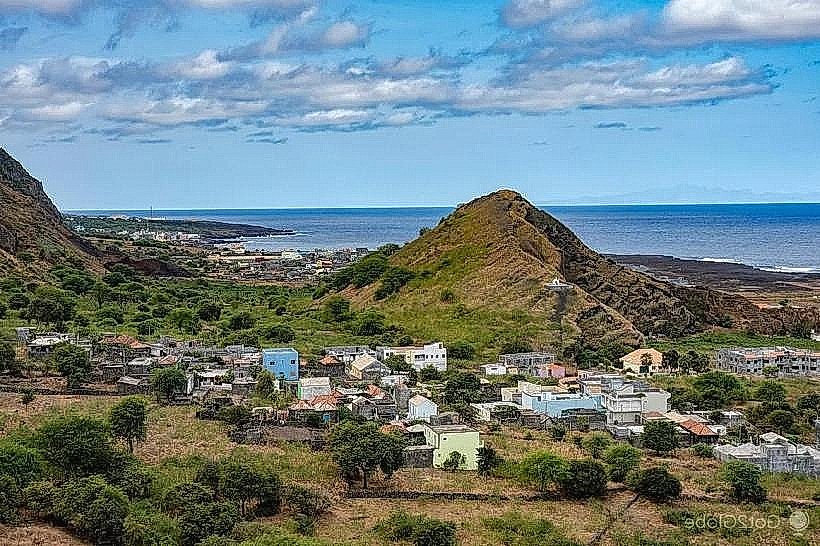
- São Filipe Town (20km Southwest)
- Museu Municipal de São Filipe (21km Southwest)
- Praia (Island Capital) (55km Southeast)