Landmark: Chamundi Hill Temple
City: Mysore
Country: India
Continent: Asia
Chamundi Hill Temple, Mysore, India, Asia
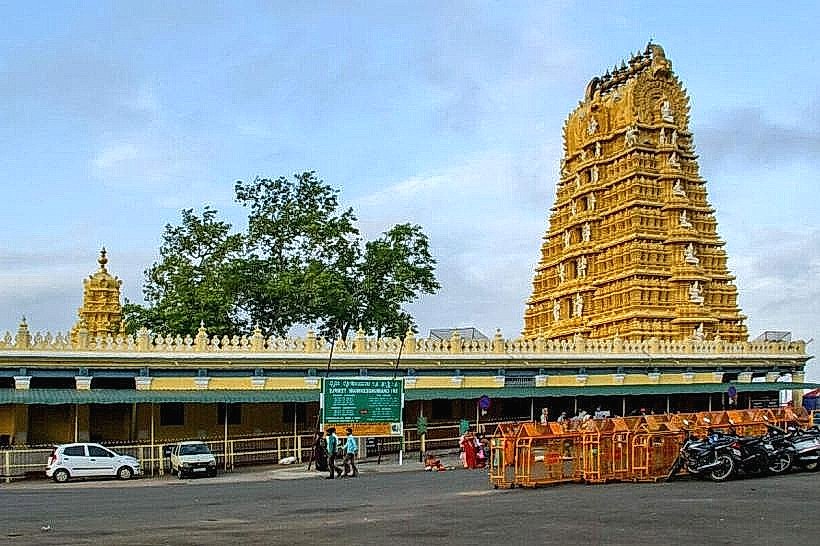
Chamundi Hill Temple is a Hindu temple complex situated atop Chamundi Hill, approximately 13 kilometers southeast of Mysore, India.
Visual Characteristics
The main temple structure is constructed from granite, featuring a Dravidian architectural style. It is characterized by a multi-tiered gopuram (tower) adorned with stucco figures. The temple complex includes several smaller shrines and courtyards. The hill itself is rocky, with sparse vegetation.
Location & Access Logistics
Access to Chamundi Hill Temple is via Chamundi Hill Road, which branches off NH 766 (Mysore-Ooty Road). The distance from Mysore city center is approximately 13 kilometers. Parking is available at designated lots near the temple entrance, with fees applicable. Public transport options include local buses (e.g., Route 201) that run regularly from Mysore city to the temple summit. Taxis and auto-rickshaws are also readily available.
Historical & Ecological Origin
The earliest structures on Chamundi Hill are believed to date back to the 10th century, with significant expansions and renovations occurring in the 17th century under the patronage of the Mysore royal family. The temple is dedicated to Goddess Chamundeshwari, the tutelary deity of the Wodeyar dynasty. The hill is composed of Precambrian granite.
Key Highlights & Activities
Visitors can observe the main temple dedicated to Goddess Chamundeshwari. The Nandi statue, a monolithic sculpture of a bull, is a significant attraction. Viewing platforms offer panoramic vistas of Mysore city. Pilgrims participate in religious rituals and offerings. The climb to the temple involves approximately 1,000 steps, with a motorable road also providing access.
Infrastructure & Amenities
Restrooms are available within the temple complex. Shaded areas are present in courtyards and near the temple entrance. Cell phone signal (4G/5G) is generally good. Food vendors and small shops selling religious items are located in the vicinity of the temple.
Best Time to Visit
For photography, early morning (sunrise) and late afternoon (sunset) offer optimal lighting conditions. The months of September to March generally provide pleasant weather, with lower humidity and moderate temperatures. The temple is open year-round, but avoiding major festival days can result in fewer crowds.
Facts & Legends
A local legend states that the demon Mahishasura, who was defeated by Goddess Chamundeshwari, originated from this hill. The Nandi statue, carved from a single rock, is one of the largest in India and is positioned halfway up the hill.
Nearby Landmarks
- Mysore Palace (10km Northwest)
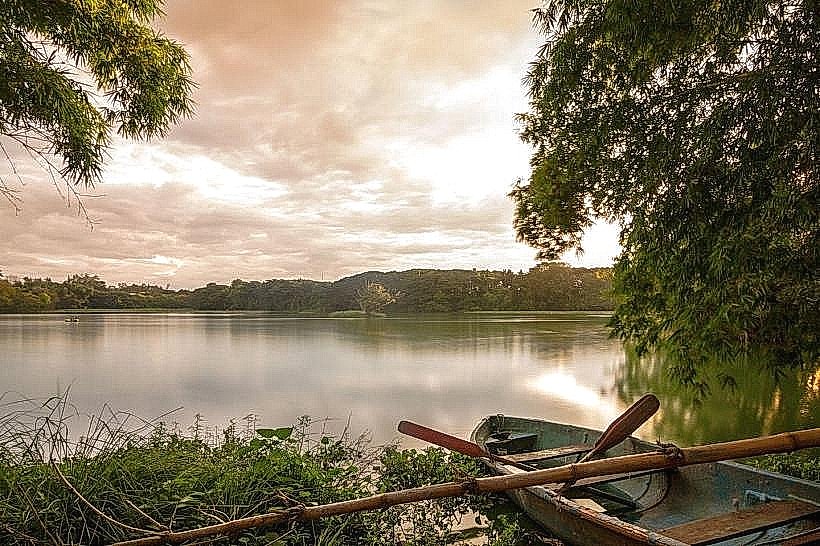
- Karanji Lake (11km Northwest)
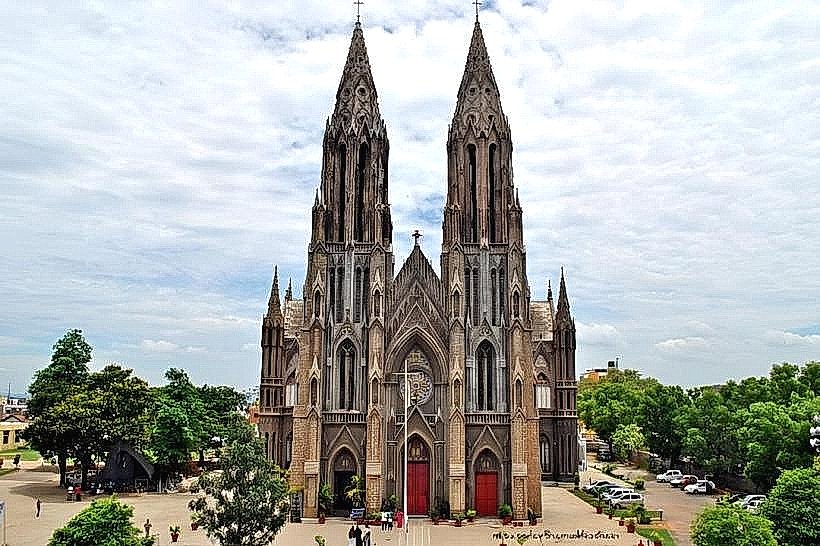
- St. Philomena's Church (12km Northwest)
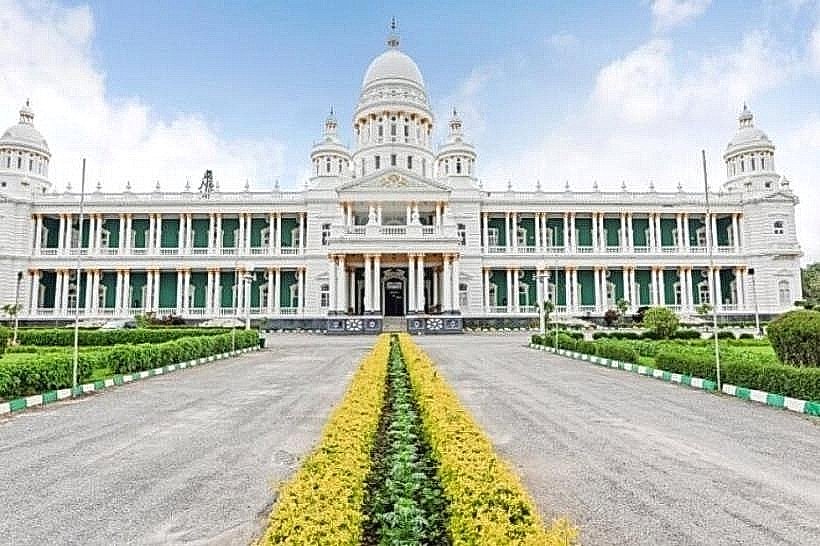
- Lalitha Mahal Palace (11km Northwest)