Landmark: Chittorgarh Fort
City: Chittorgarh
Country: India
Continent: Asia
Chittorgarh Fort, Chittorgarh, India, Asia
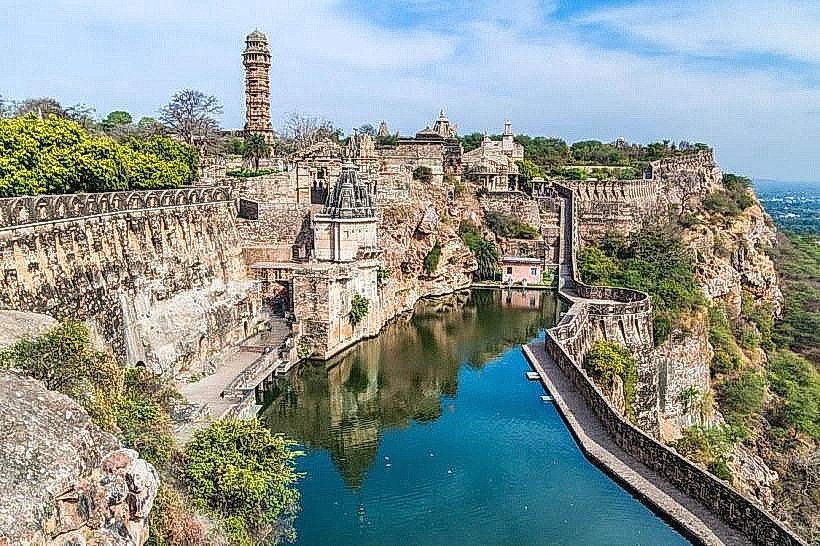
Chittorgarh Fort is a large defensive structure situated in Chittorgarh, Rajasthan, India. It is one of the largest forts in India.
Visual Characteristics
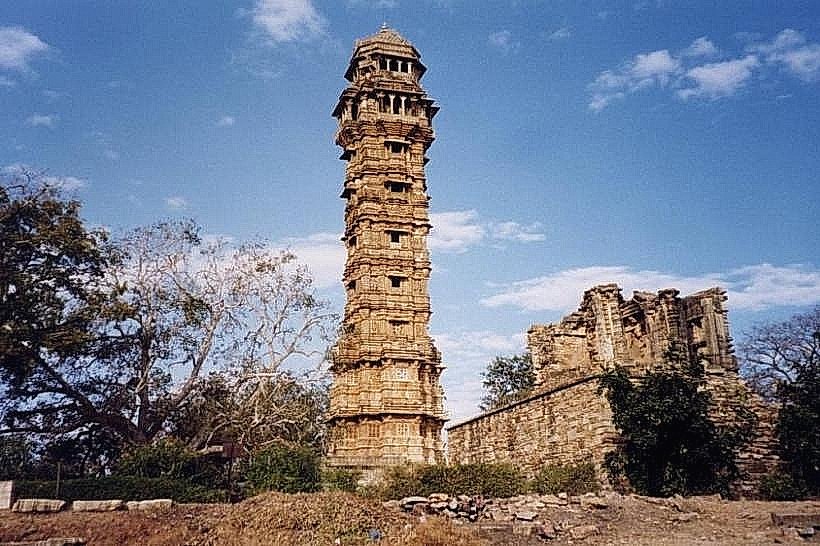
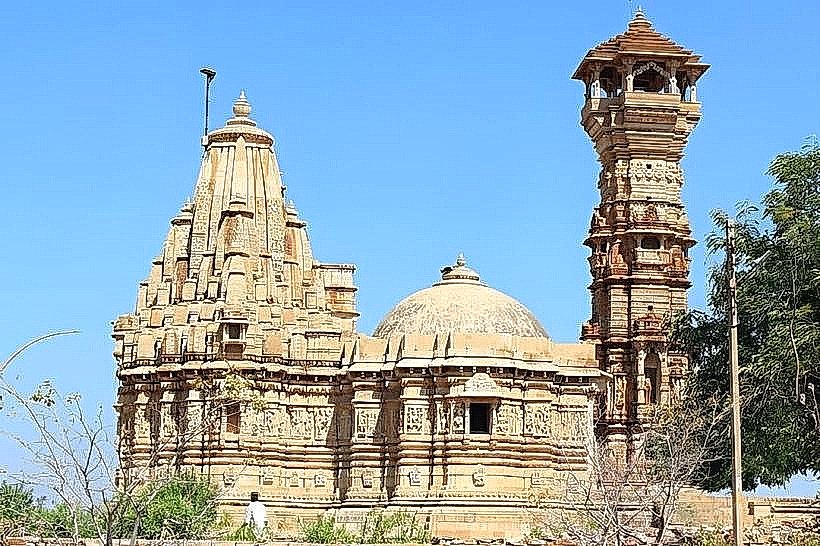
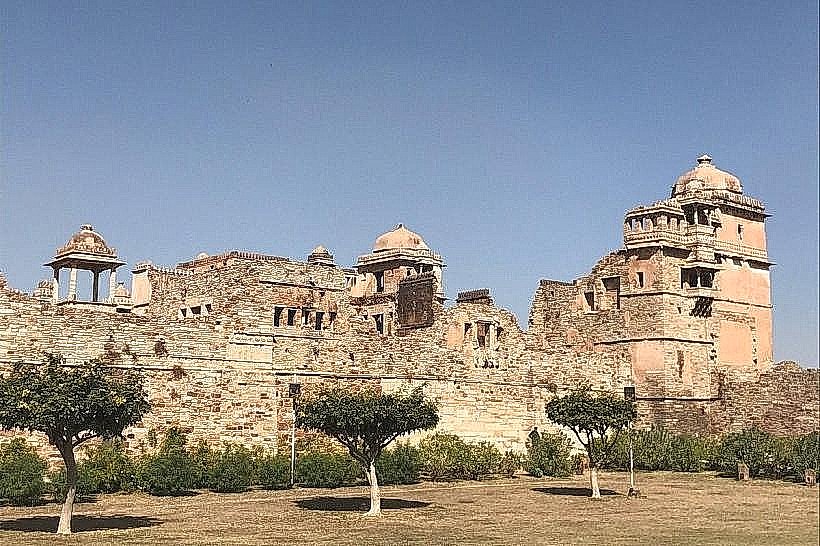
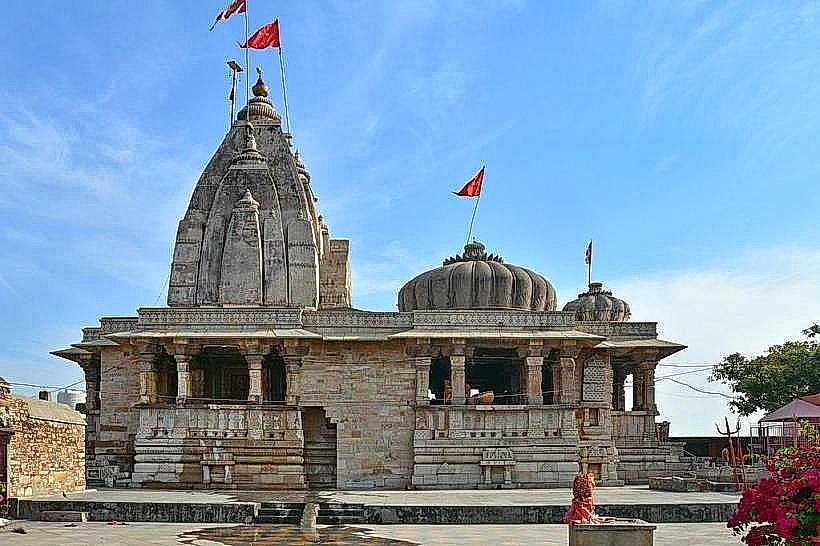
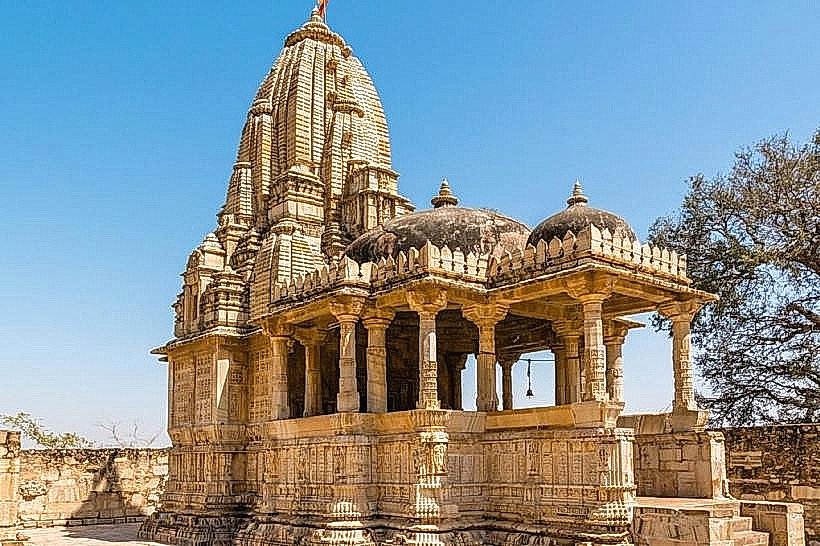
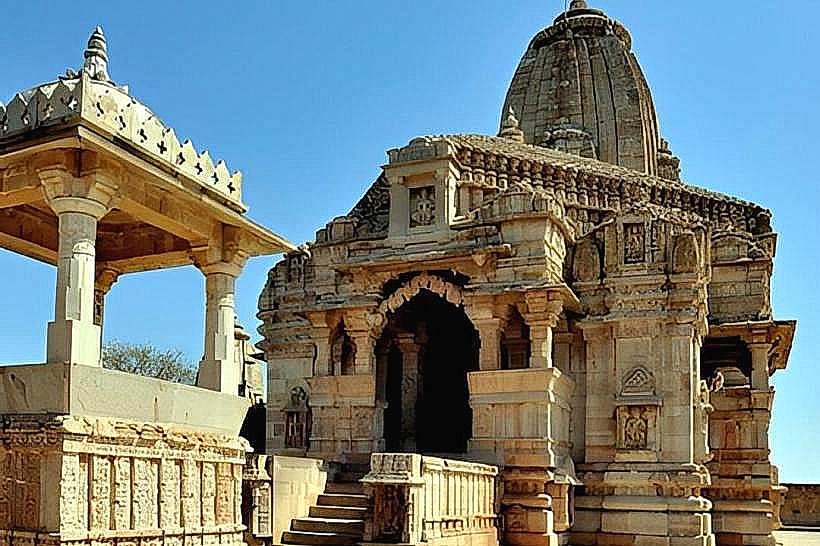
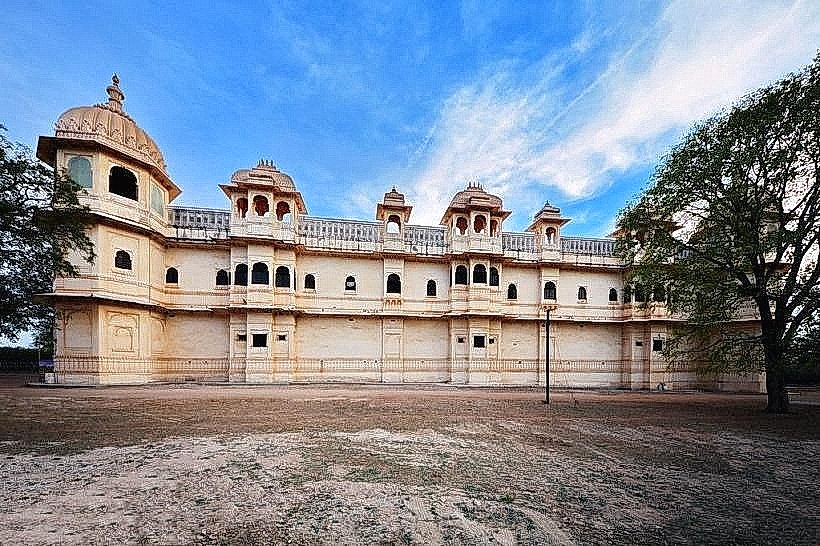
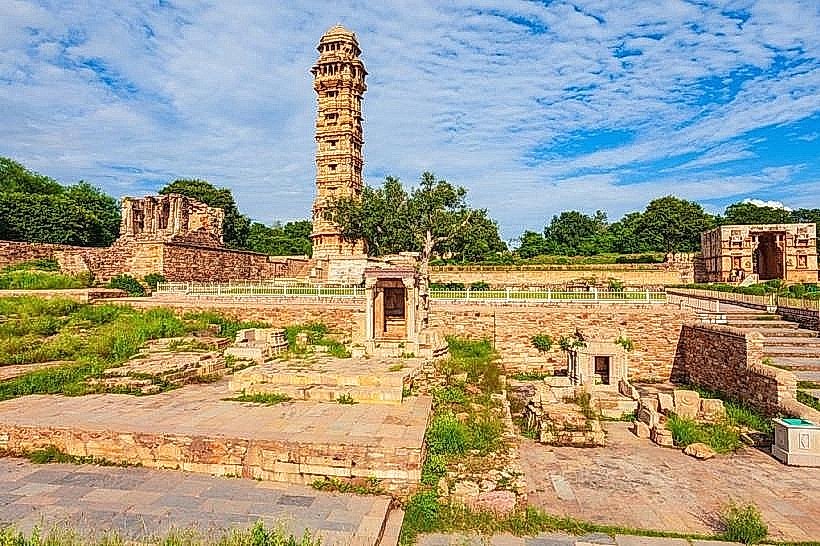
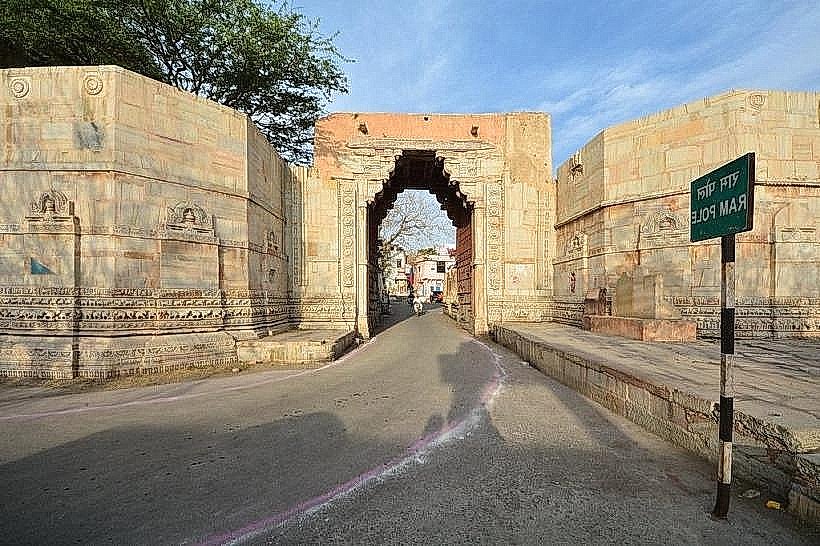
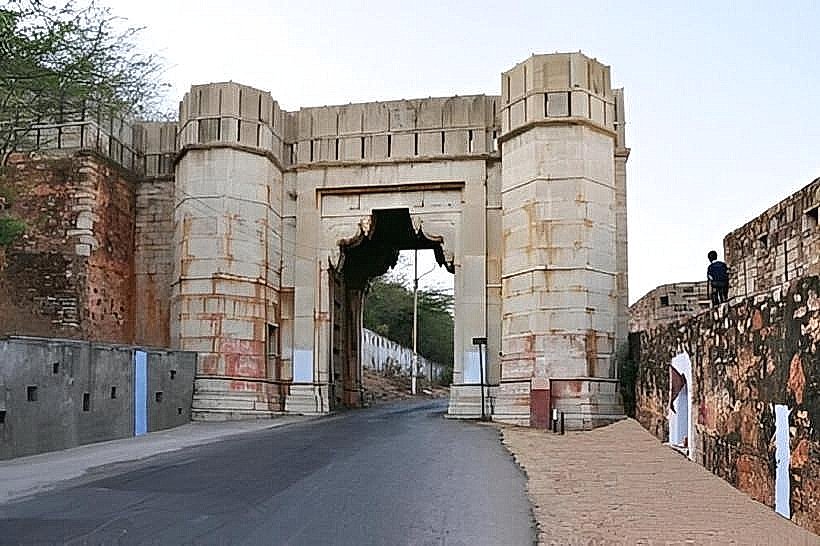
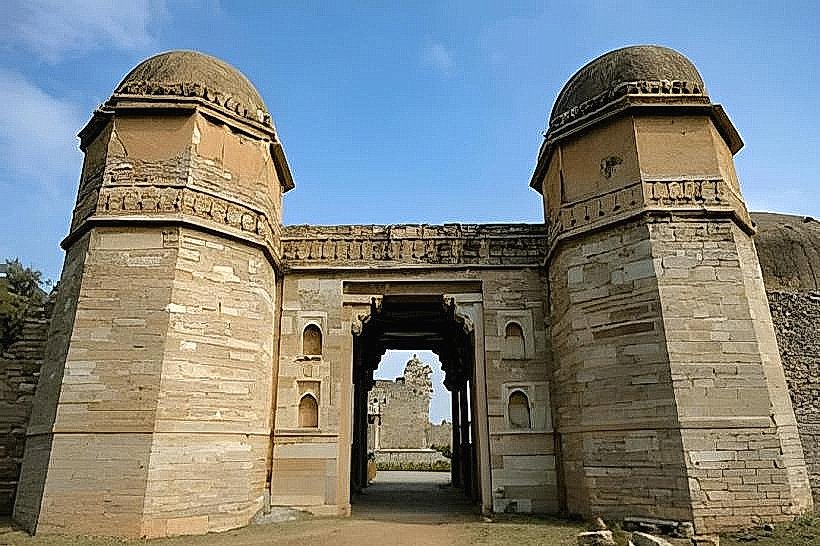
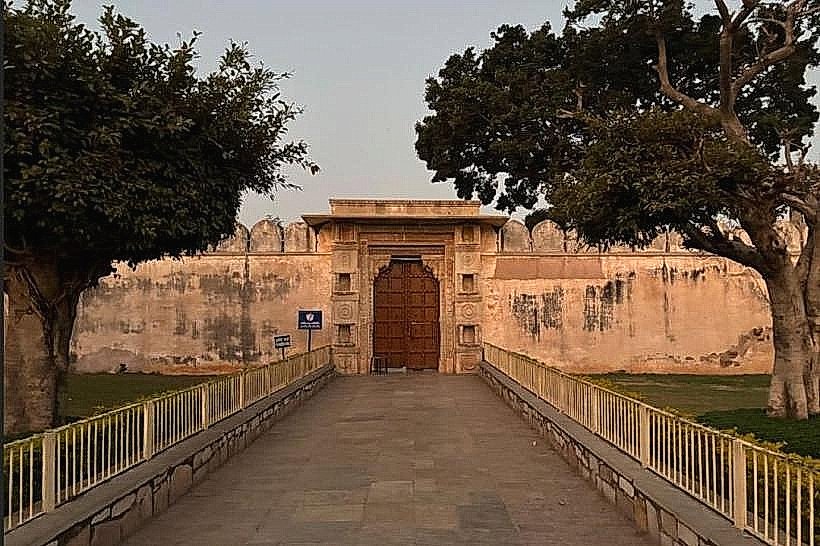
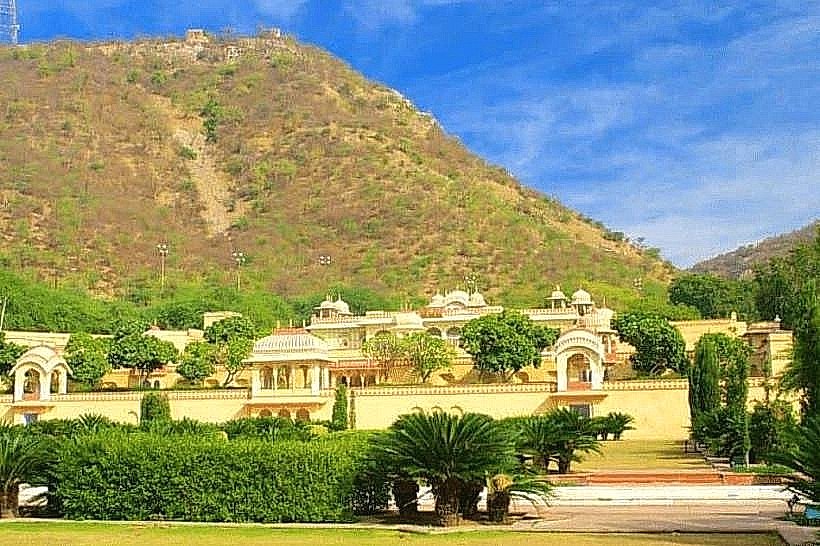
The fort is constructed primarily from red sandstone. It covers an area of approximately 2.8 square kilometers and rises to a height of about 180 meters above the surrounding plain. The fort complex features multiple palaces, temples, and towers, exhibiting a blend of Rajput and Mughal architectural influences. Key structures include the Vijay Stambh (Victory Tower) and Kirti Stambh (Pillar of Fame).
Location & Access Logistics
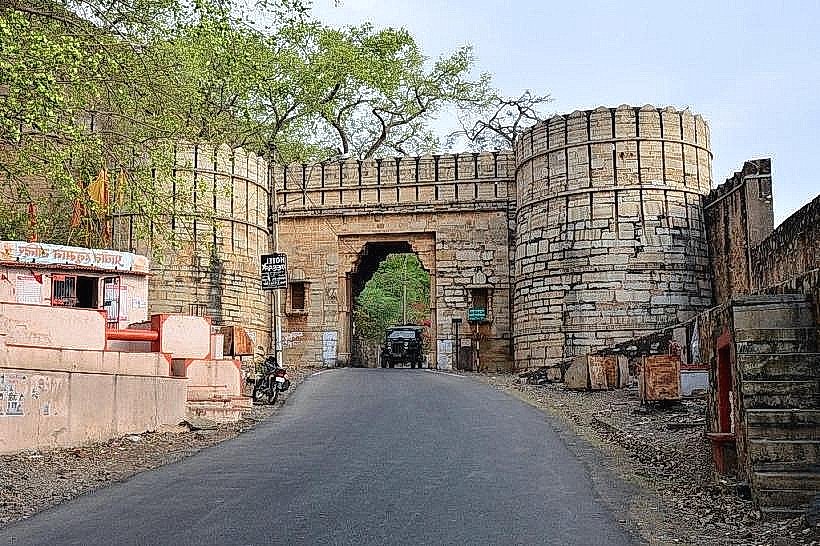
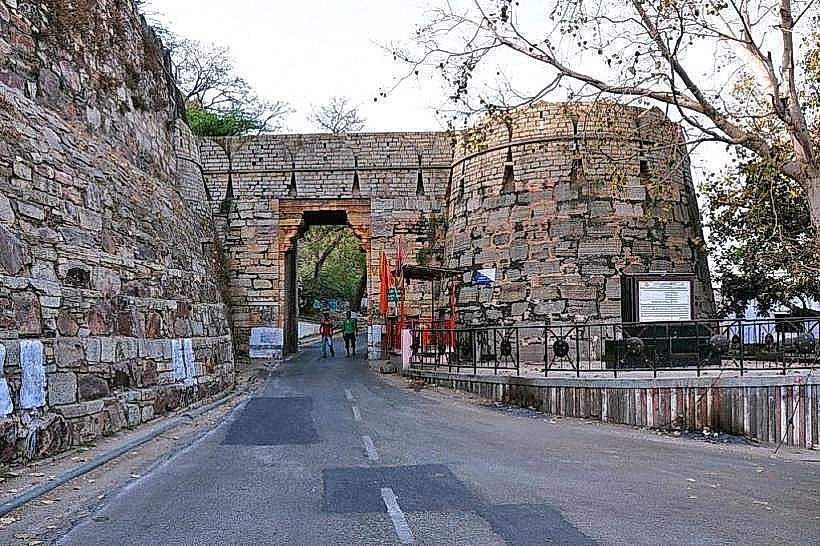
Chittorgarh Fort is located 4 kilometers east of Chittorgarh city center. Access is via State Highway 36. A paved road leads directly to the fort's main gate. Parking is available at the base of the fort and within designated areas inside. The nearest railway station is Chittorgarh Junction, approximately 5 kilometers from the fort. Local auto-rickshaws and taxis are available from the station.
Historical & Ecological Origin
Construction of Chittorgarh Fort began in the 7th century AD, attributed to Chitrangada Mori. It served as the capital of the Mewar kingdom for centuries. The fort has a strategic hilltop location, built on a rocky outcrop of the Aravalli Range.
Key Highlights & Activities
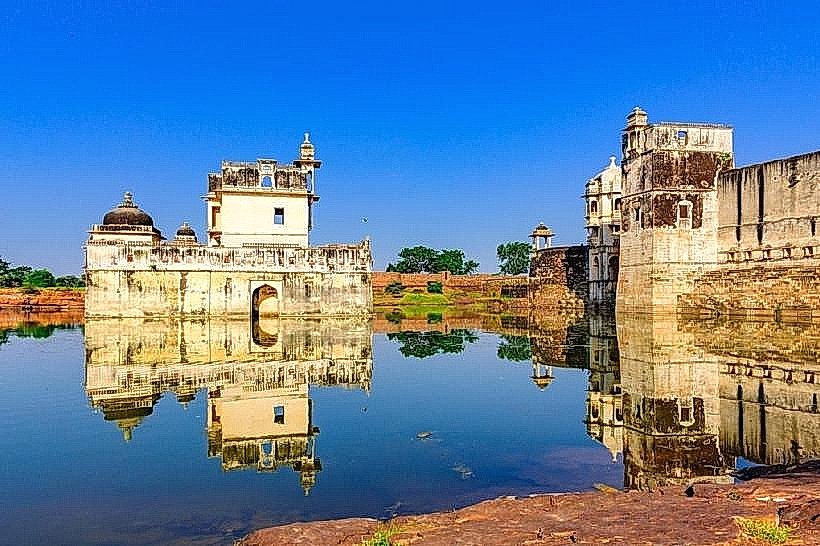
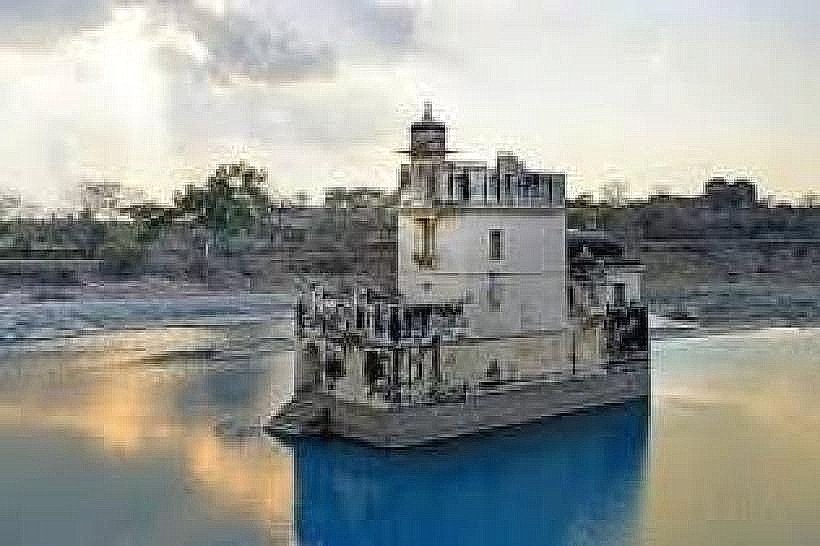
Visitors can explore the various palaces, including Rana Ratan Palace and Padmini Palace. The Vijay Stambh and Kirti Stambh offer panoramic views. Entry to the fort complex is permitted. Photography is allowed within the fort grounds. Guided tours are available, departing from the main entrance.
Infrastructure & Amenities
Restrooms are located at several points within the fort complex. Shade is provided by trees and architectural overhangs in some areas. Cell phone signal (4G) is generally available. Limited food and beverage vendors operate near the main entrance and within the fort.
Best Time to Visit
The best time of day for photography is early morning or late afternoon to utilize softer light. The optimal months for visiting are from October to March, when temperatures are moderate. The fort is accessible year-round.
Facts & Legends
The fort is associated with the legend of Rani Padmini, whose beauty is said to have led to the siege by Alauddin Khilji. The fort has witnessed several sieges and acts of Jauhar (mass self-immolation by women) to avoid capture.
Nearby Landmarks
- Gopeshwar Mahadev Temple: 0.3km West
- Rana Kumbha Palace: 0.6km West
- Padmini Palace: 0.8km West
- Vijay Stambh: 1.2km West
- Kirti Stambh: 1.5km West