Landmark: Rana Kumbha Palace
City: Chittorgarh
Country: India
Continent: Asia
Rana Kumbha Palace, Chittorgarh, India, Asia
Rana Kumbha Palace is a historical fort complex located within the Chittorgarh-fort_chittorgarh" class="underline">Chittorgarh Fort in Chittorgarh, Rajasthan, India.
This palace is recognized as the site of the first of the three great sieges of Chittorgarh.
Visual Characteristics
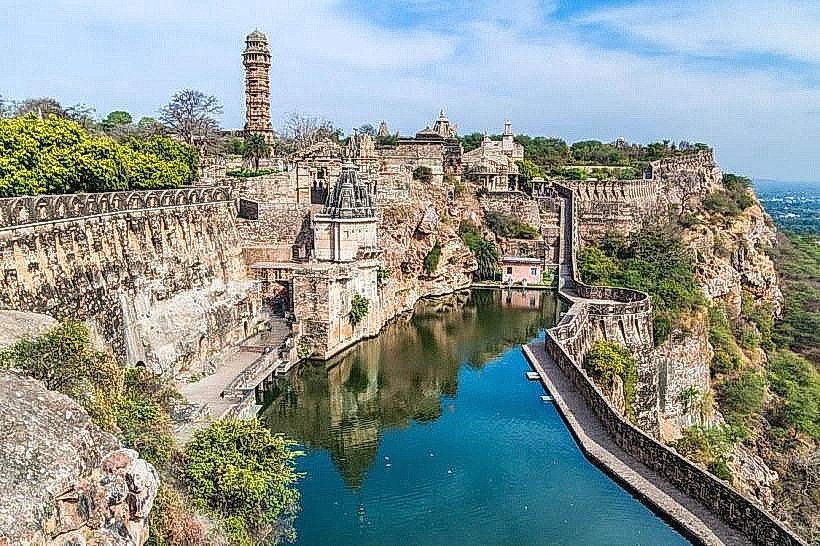
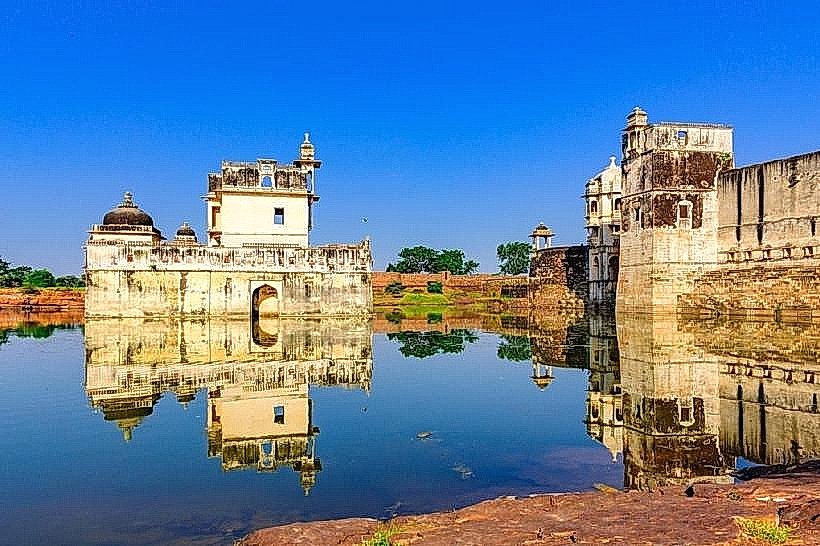
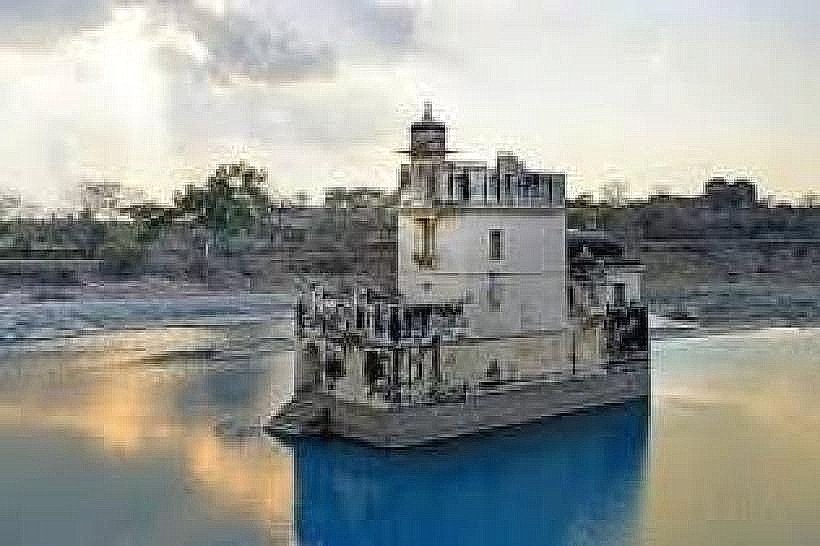
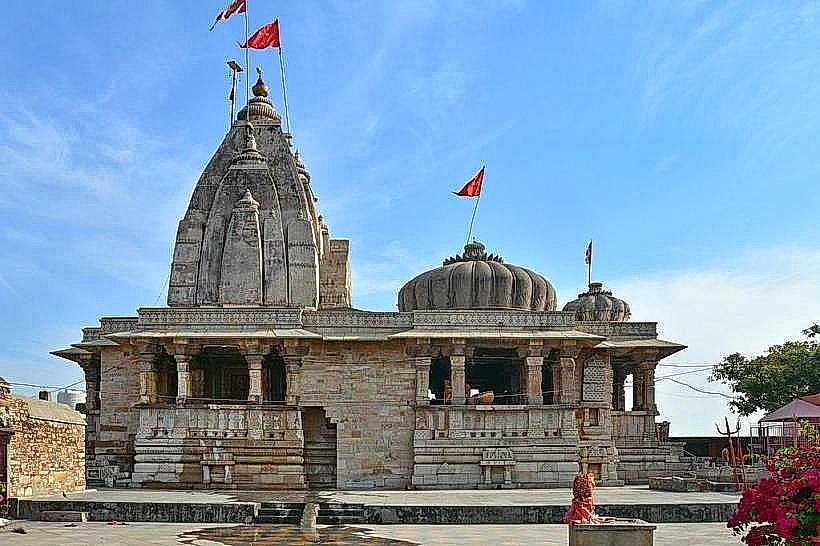
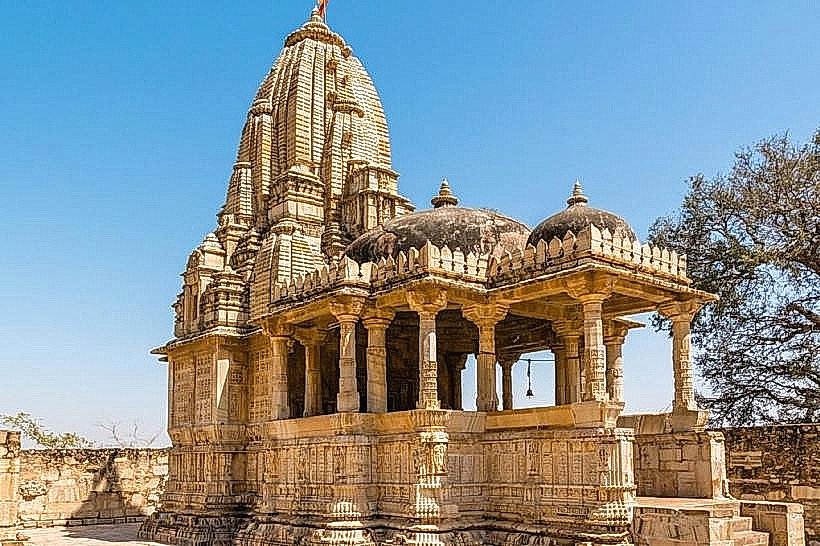
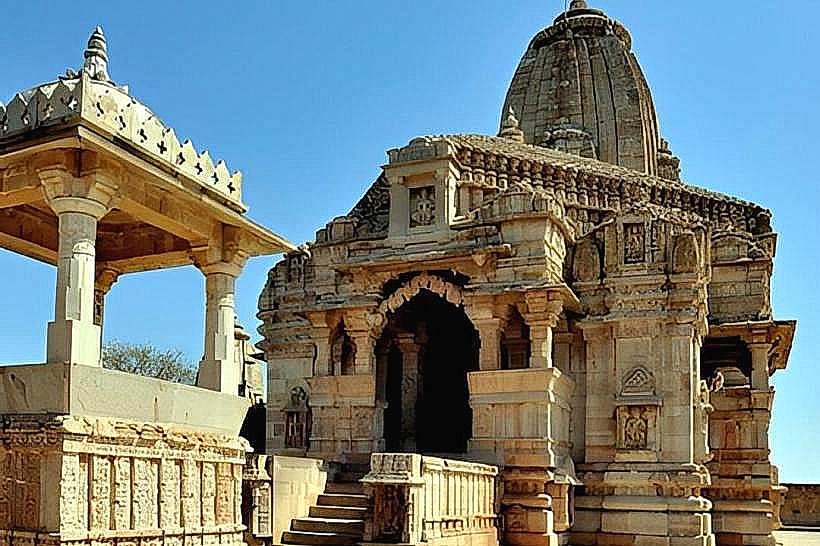
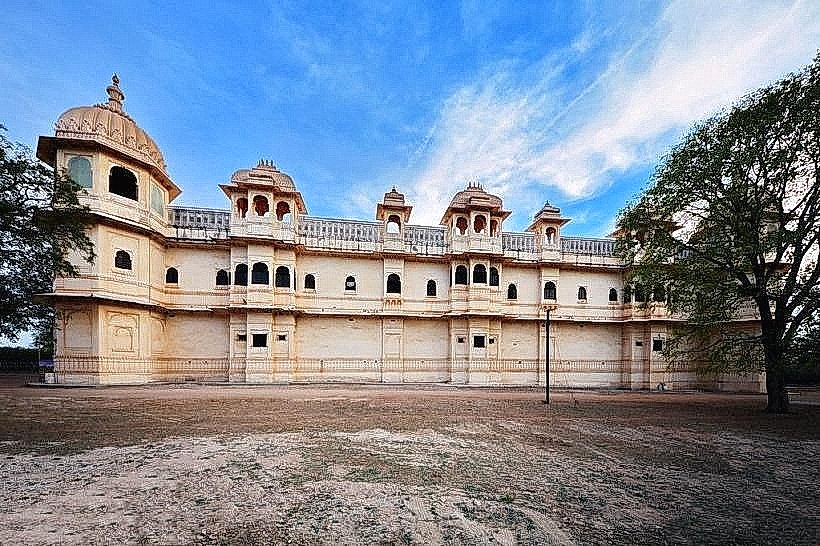
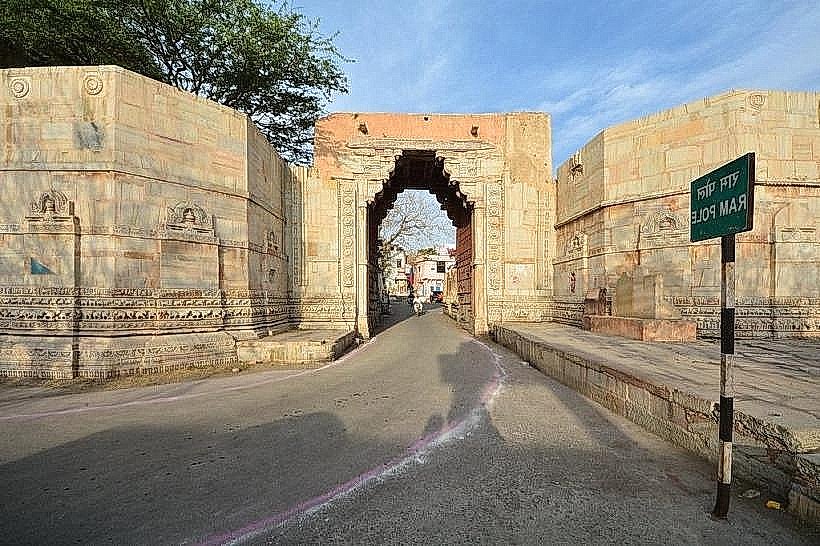
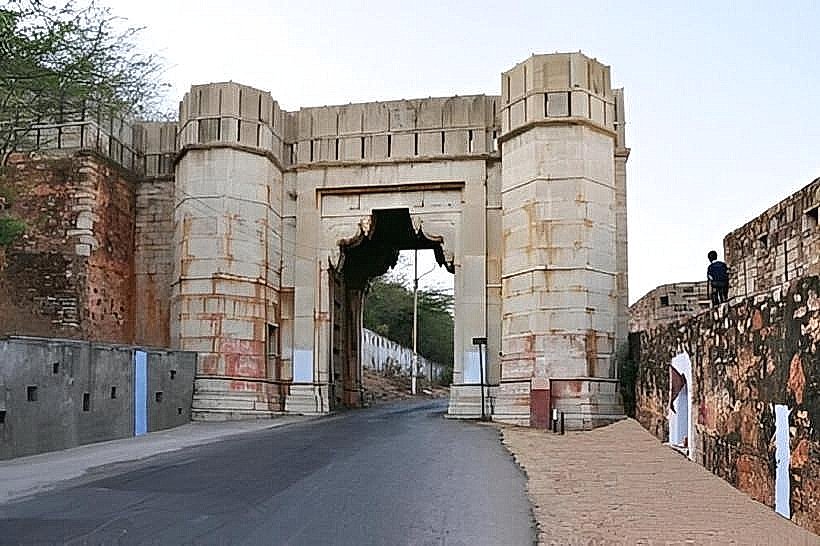
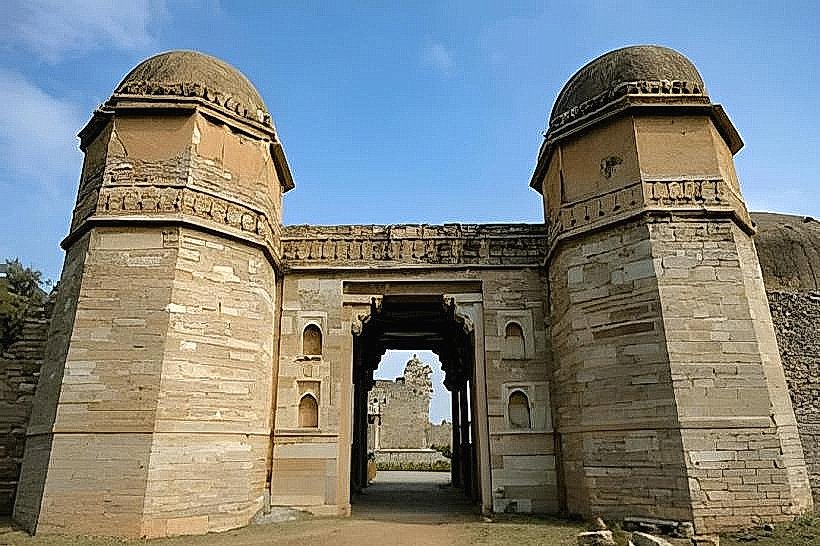
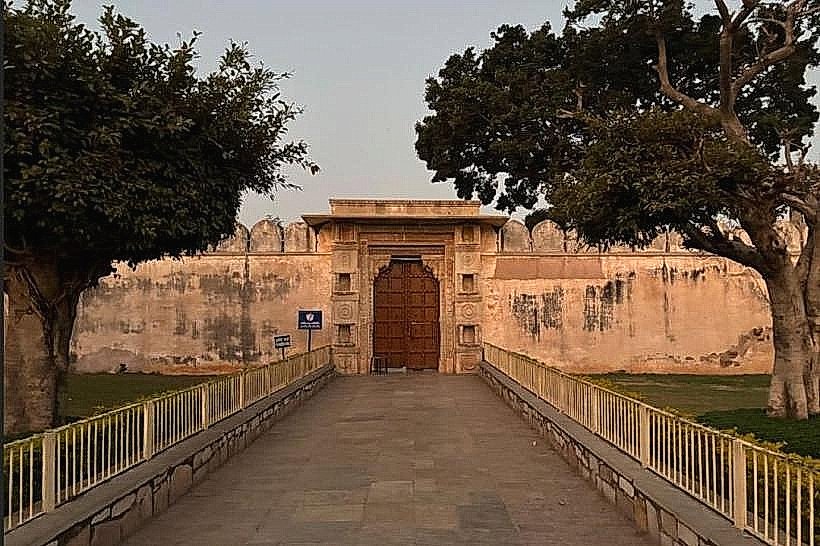
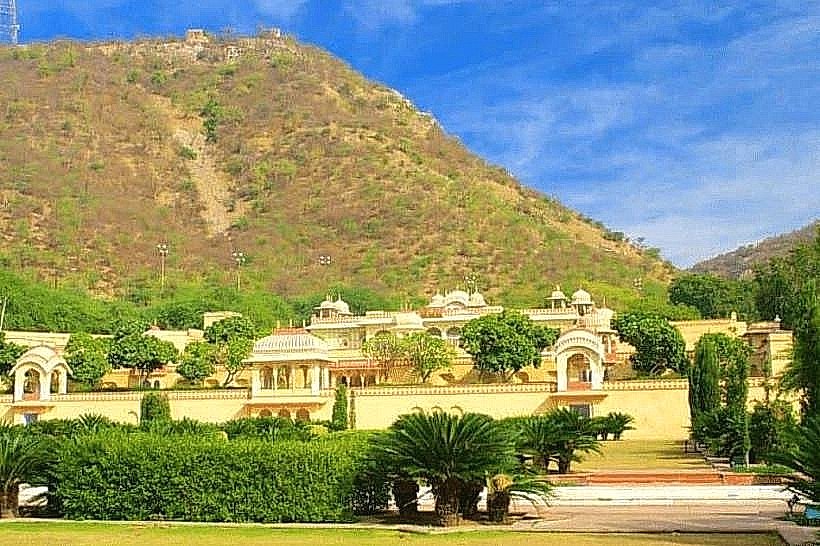
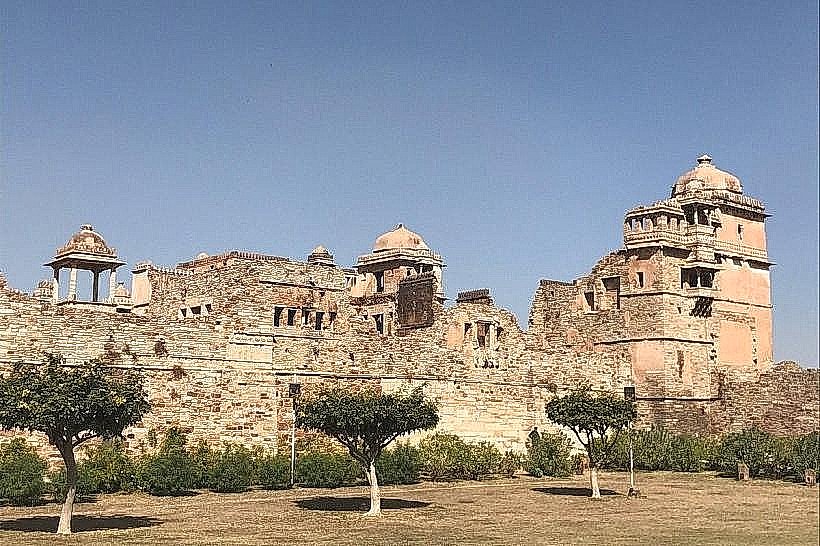
The palace is constructed primarily from red sandstone. It features a quadrangular layout with numerous courtyards, halls, and chambers. Architectural elements include arched doorways, decorative carvings, and bastions. The structure exhibits Rajput architectural styles prevalent during the medieval period.
Location & Access Logistics
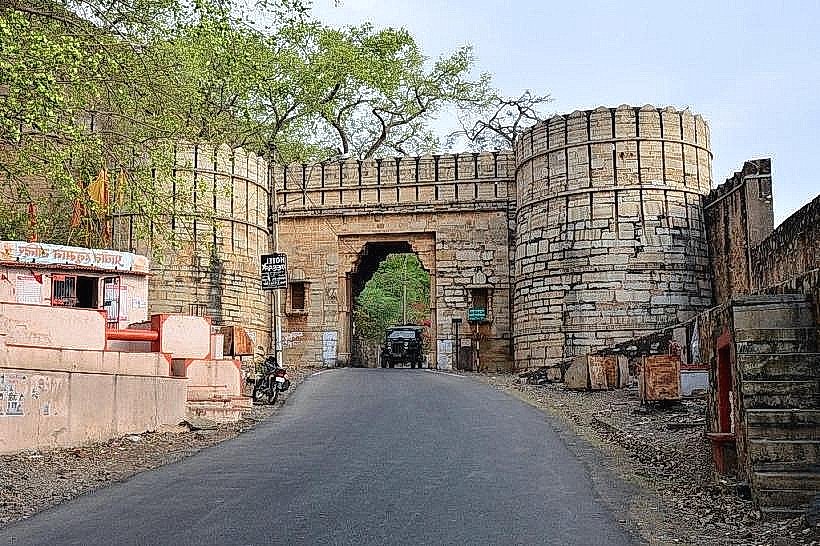
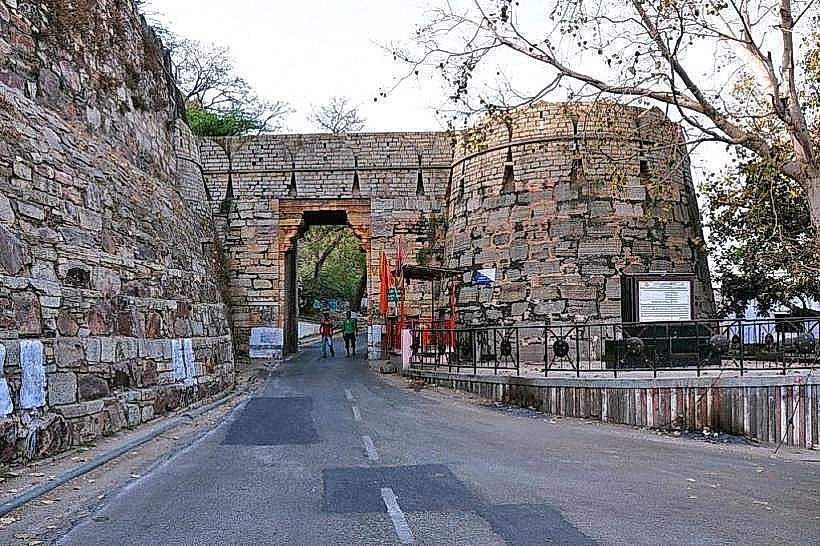
Rana Kumbha Palace is situated within the Chittorgarh Fort complex, approximately 3 kilometers from the city center of Chittorgarh. Access to the fort is via a steep, winding road. Parking is available at designated areas within the fort grounds. Public transport options to Chittorgarh city include buses and trains. From the city, auto-rickshaws and taxis can be hired to reach the fort entrance.
Historical & Ecological Origin
The palace was built in the 15th century by Rana Kumbha, a ruler of the Mewar kingdom. Its original purpose was as a royal residence and administrative center. The structure is part of the larger Chittorgarh Fort, which is built on a rocky hill.
Key Highlights & Activities
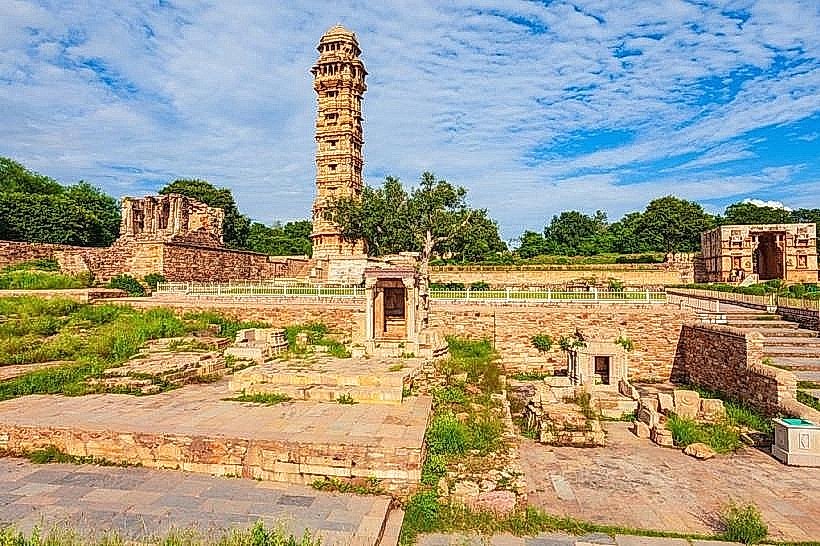
Exploration of the palace ruins is the primary activity. Visitors can observe the remnants of the Jauhar Kund, a sacrificial pyre site. The palace offers views of the surrounding landscape from its elevated position. Photography of the architectural details is permitted.
Infrastructure & Amenities
Restrooms are available near the main entrance of Chittorgarh Fort. Limited shade is present within the palace complex. Cell phone signal (4G) is generally available. No food vendors are located directly within the palace ruins; vendors are present at the fort entrance and in the city.
Best Time to Visit
The best time of day for photography is in the morning or late afternoon to avoid harsh sunlight. The optimal months for visiting are from October to March, when temperatures are cooler. No specific tide requirements apply.
Facts & Legends
Legend states that the palace is haunted by the spirits of queens who performed Jauhar (mass self-immolation) to avoid capture. The palace is also associated with the historical event of Padmini's alleged sighting, which led to the siege by Alauddin Khilji.
Nearby Landmarks
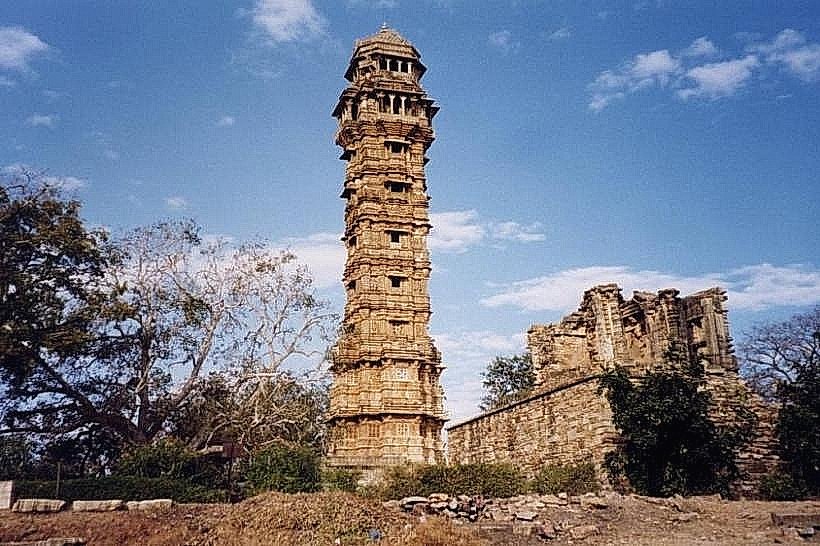
- Vijay Stambh (Victory Tower) - 0.3km North
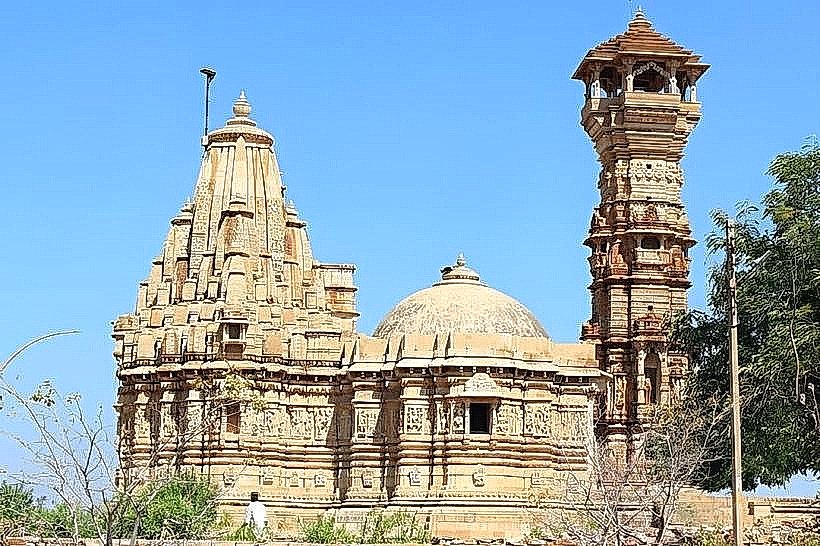
- Kirti Stambh (Jain Tower) - 0.6km Northwest
- Gaumukh Reservoir - 0.8km West
- Meera Temple - 0.4km North