Landmark: Church of the Assumption
City: Birkirkara
Country: Malta
Continent: Europe
Church of the Assumption, Birkirkara, Malta, Europe
Visual Characteristics
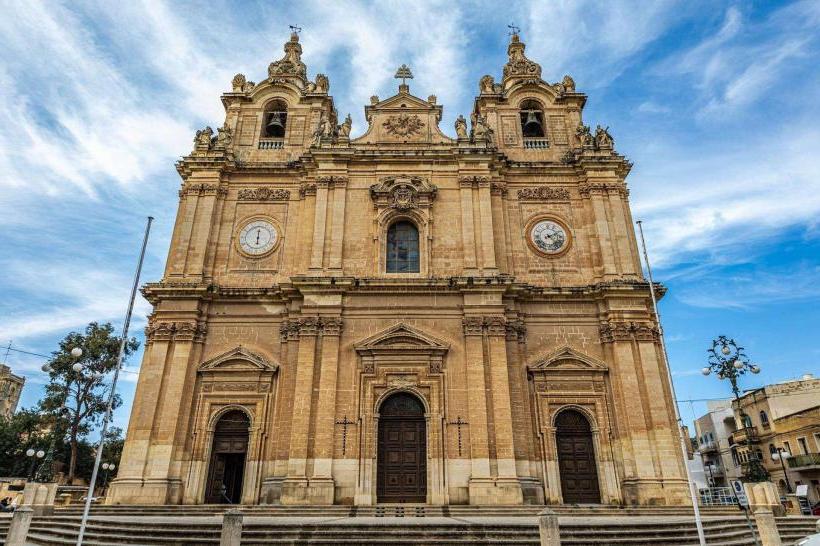
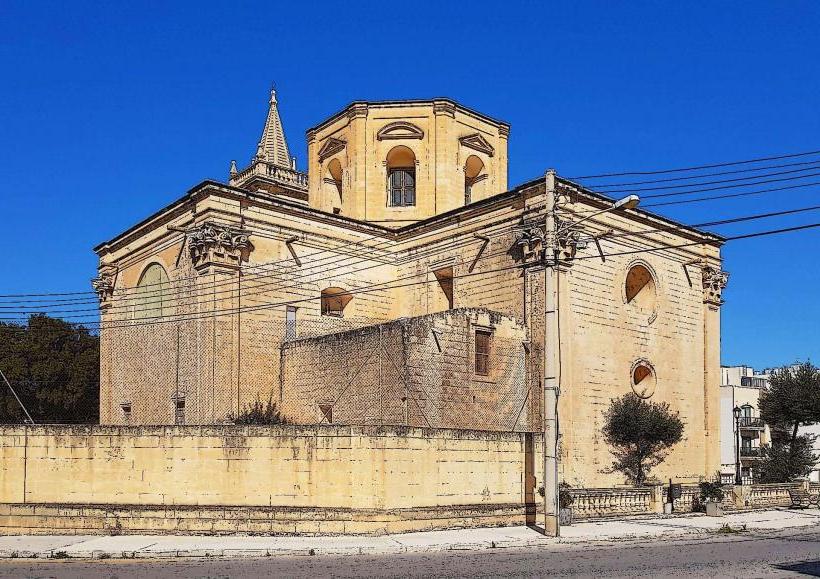
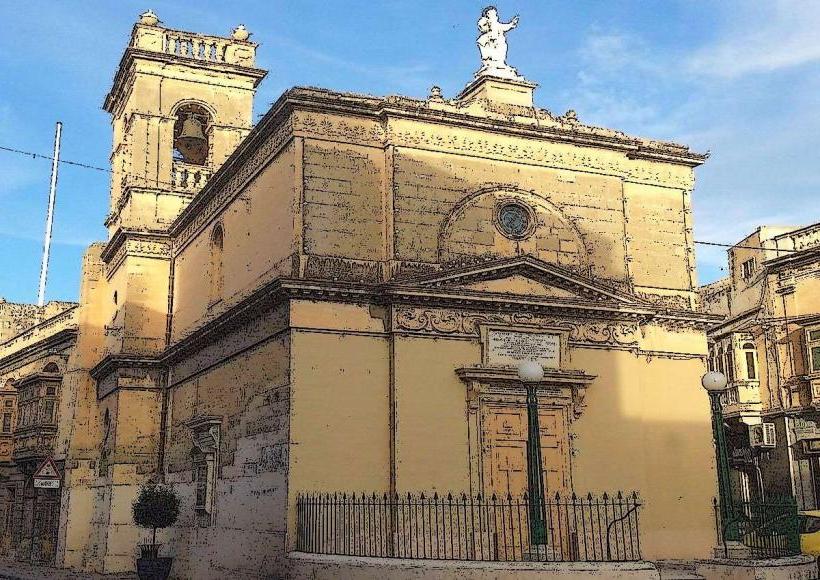
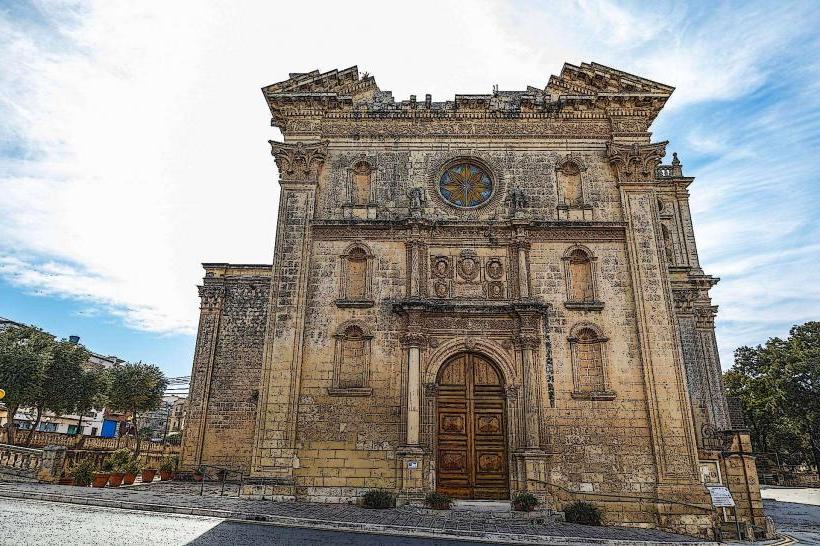
The church exhibits a Baroque architectural style, constructed primarily from local globigerina limestone, which presents a light, honey-colored facade. Its design features a central dome, octagonal in plan, flanked by two bell towers. The main entrance is characterized by a classical portico with columns supporting a pediment. The overall structure reaches an approximate height of 30 meters to the top of the dome, with the bell towers slightly exceeding this. The exterior is adorned with decorative elements typical of the Baroque period, including pilasters, cornices, and sculpted details.
Location & Access Logistics
The Church of the Assumption is located in the older part of Birkirkara, specifically on Triq il-Knisja l-Qadima. It is approximately 6 kilometers west of Valletta city center. Access by car is via Triq Notabile or Triq Fleur-de-Lys, leading into the town's core. Limited street parking is available in the immediate vicinity, often requiring a short walk. Public transport is accessible via several bus routes; bus numbers 41, 43, 44, 45, 46, 47, 48, 50, 54, 56, 106, 120, 182, 202, 209, 238, 260, and X3 serve Birkirkara, with stops within a 5-10 minute walk of the church.
Historical & Ecological Origin
Construction of the Church of the Assumption commenced in 1615, replacing an earlier medieval chapel. The design is attributed to the architect Vittorio Duca, with significant contributions from Tommaso Dingli, a prominent Maltese architect of the period. Its original purpose was to serve as the primary parish church for Birkirkara, a role it held until the larger St. Helen's Basilica was consecrated in the 18th century.
Key Highlights & Activities
Visitors can observe the Baroque architecture and interior artwork, including the altarpiece depicting the Assumption of Mary, attributed to Mattia Preti. The church hosts regular Roman Catholic mass services. Architectural photography of the dome and bell towers is possible from the surrounding streets. The interior offers a quiet space for contemplation.
Infrastructure & Amenities
Restroom facilities are typically available within the church complex or in nearby commercial establishments. The interior of the church provides substantial shade. Cell phone signal (4G/5G) is generally strong throughout Birkirkara. Several small cafes and food vendors are located within a 200-meter radius in the town center.
Best Time to Visit
The best time to visit for photography is during the morning hours (9:00 AM - 11:00 AM) when the eastern facade receives direct sunlight, illuminating its details. Visiting during the shoulder seasons of spring (April-May) and autumn (September-October) offers pleasant weather conditions, avoiding the peak summer heat. It is advisable to check local mass schedules to avoid visiting during service times if the primary interest is architectural observation.
Facts & Legends
This church is locally known as "Il-Knisja l-Qadima", meaning "The Old Church," distinguishing it from the later St. Helen's Basilica. A verified historical oddity is that the church's bell towers were originally intended to be taller but were never completed to their full planned height due to structural concerns or financial limitations. A specific tip for visitors is to explore the narrow streets immediately surrounding the church, which retain much of Birkirkara's historic urban fabric.
Nearby Landmarks
- St. Helen's Basilica: 0.7km North-East
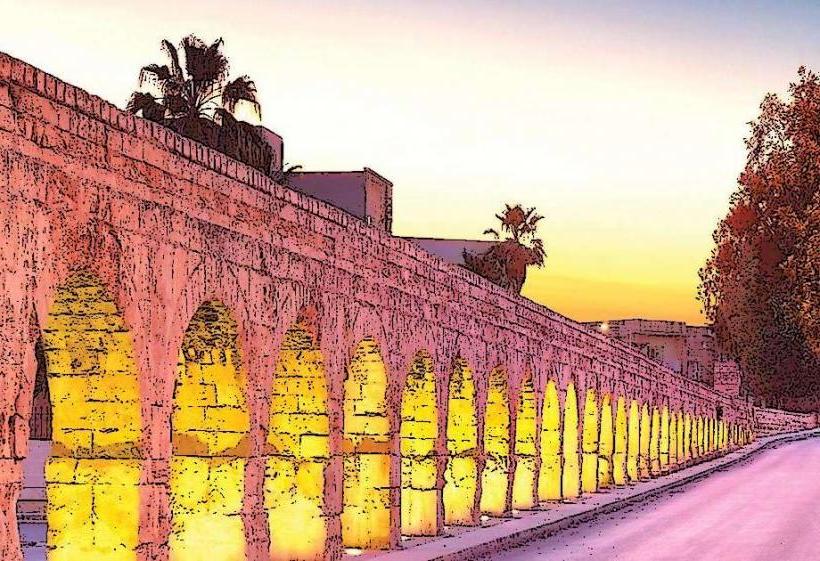
- Wignacourt Aqueduct: 1.2km South-East
- San Anton Gardens: 1.5km West
- Ta' Qali National Park: 2.5km West
- Malta Aviation Museum: 3.0km West