Landmark: Wignacourt Aqueduct
City: Birkirkara
Country: Malta
Continent: Europe
Wignacourt Aqueduct, Birkirkara, Malta, Europe
Visual Characteristics
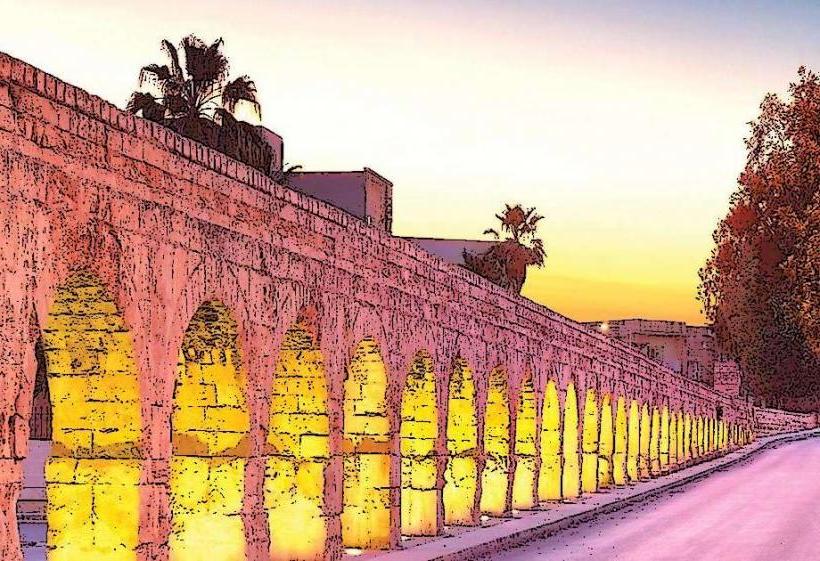
The aqueduct is constructed predominantly from local globigerina limestone, exhibiting a pale yellow to beige color. Its most prominent features are the series of arches, which vary in height and span, supporting the water channel above. Some sections are elevated on single or multiple tiers of arches, while others run at ground level or are integrated into existing terrain. The architectural style is utilitarian Baroque, characterized by robust construction and functional design.
Location & Access Logistics
Visible sections of the aqueduct traverse several localities, including Birkirkara. A notable stretch can be observed along Triq l-Imdina and Triq il-Wied in Birkirkara. The aqueduct's starting point is approximately 10km west of Valletta, with Birkirkara being centrally located along its route. Street parking is available in the residential areas adjacent to the visible sections. Public transport options include numerous bus routes serving Birkirkara, such as routes 50, 51, 52, 53, 54, 56, 106, 120, 182, 202, 209, and 238, with stops near the aqueduct's path.
Historical & Ecological Origin
Construction of the Wignacourt Aqueduct commenced in 1610 and was completed in 1614. It was commissioned by Grand Master Alof de Wignacourt of the Order of St. John. Key figures involved in its design and construction included the Italian engineer Bontadino de Bontadini, Maltese architect Giovanni Attard, and later Tommaso Dingli. Its original purpose was to alleviate the chronic water shortage in Valletta by channeling water from the natural springs of Dingli and Rabat directly to the city.
Key Highlights & Activities
Viewing the historic limestone arches is the primary activity. Photography of the structure, particularly its longer arched sections, is common. Walking alongside the accessible parts of the aqueduct allows for observation of its construction and integration into the modern landscape.
Infrastructure & Amenities
There are no dedicated restrooms or shade structures directly at the aqueduct itself, as it is an open-air historical structure. Restroom facilities and shaded areas are available in nearby cafes and public spaces within Birkirkara. Cell phone signal (4G/5G) is consistently available throughout the area. Food vendors and restaurants are located in the town center of Birkirkara, a short distance from the aqueduct's path.
Best Time to Visit
The best time for photography is during the early morning or late afternoon hours, when the sun casts softer light on the limestone, enhancing its texture and color. The most comfortable months for visiting are spring (April to May) and autumn (September to October), when temperatures are mild. The aqueduct is not affected by high or low tide conditions.
Facts & Legends
The Wignacourt Aqueduct was a significant engineering achievement of its era, crucial for the development and sustainability of Valletta. The coat of arms of Grand Master Wignacourt, featuring three fleurs-de-lis, is prominently carved into several of the aqueduct's arches, serving as a persistent marker of its patron. Some sections of the original aqueduct are still in use today, integrated into Malta's contemporary water infrastructure.
Nearby Landmarks
- San Anton Palace and Gardens: 1.5km North-East
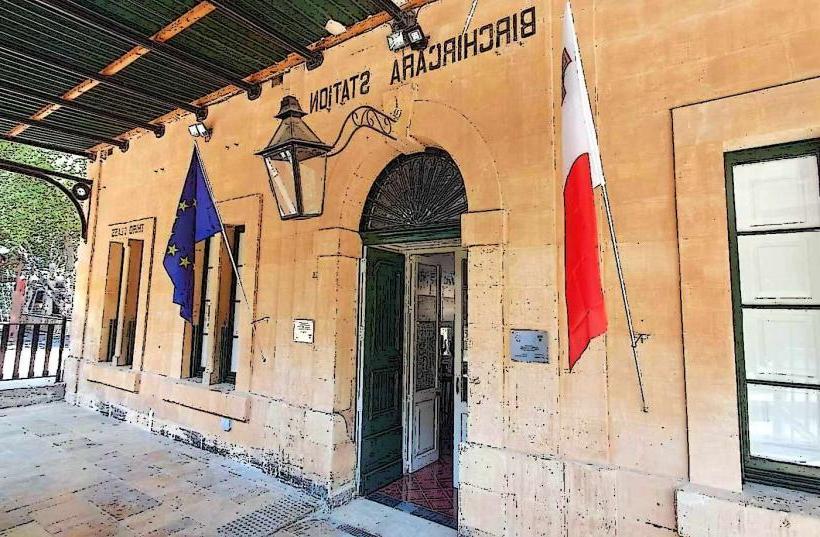
- Old Railway Station Garden (Birkirkara): 0.8km East
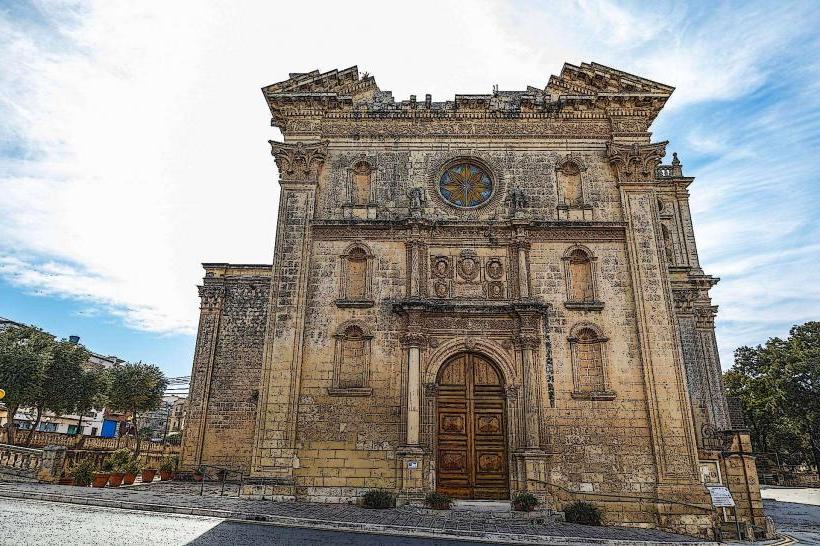
- St Helen's Basilica (Birkirkara): 1.0km East
- Ta' Qali National Park: 2.5km West
- Mdina Gate: 4.5km West