Landmark: Cristo Rey
City: Cali
Country: Colombia
Continent: South America
Cristo Rey, Cali, Colombia, South America
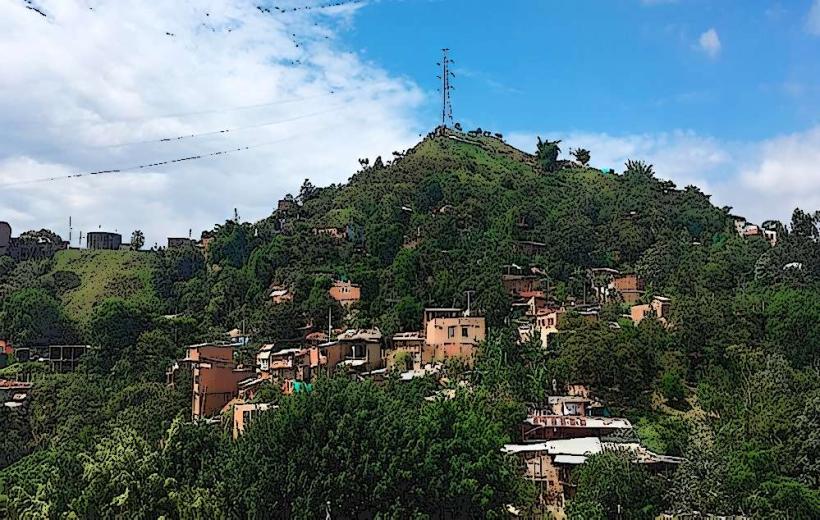
Cristo Rey is a large statue of Jesus Christ situated on a hill overlooking Cali, Colombia.
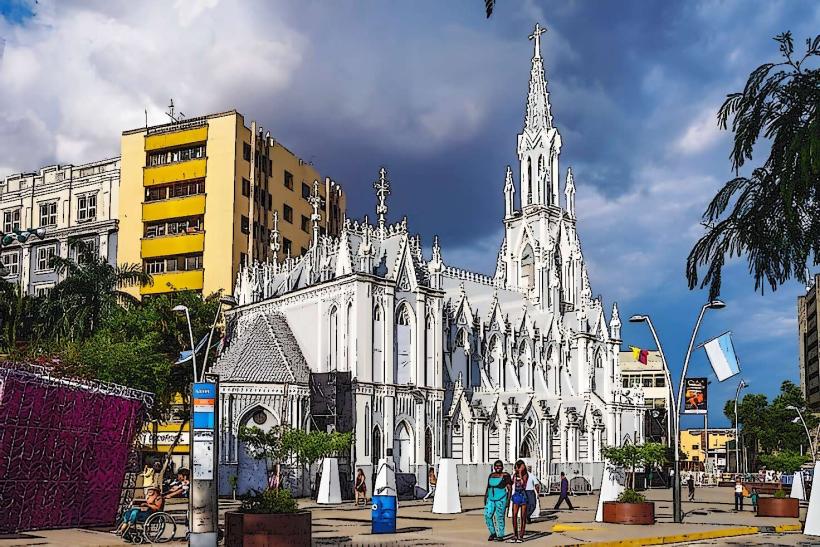
The monument is constructed from concrete and steel, standing approximately 26 meters (85 feet) tall, with the statue itself measuring 14 meters (46 feet). It is built in a Neo-Gothic architectural style. The base of the statue is a three-story structure housing a chapel and museum.
Location & Access Logistics
Cristo Rey is located 5 kilometers (3.1 miles) southwest of Cali's city center. Access is primarily via the Carretera a Cristo Rey, a paved road. Private vehicle parking is available at the site, with capacity for approximately 100 vehicles. Public transport options include local bus lines that stop at the base of the hill, requiring a subsequent walk or taxi ride to the summit. Taxis and ride-sharing services can also reach the parking area directly.
Historical & Ecological Origin
Construction of the Cristo Rey statue began in 1949 and was completed in 1953. The project was conceived by Father Aristides Pardo Serna and designed by architect Giovanni Ramirez. The original purpose was to commemorate the centenary of Colombia's independence and serve as a symbol of peace and faith.
Key Highlights & Activities
Visitors can ascend to the base of the statue for panoramic views of Cali and the surrounding Cauca Valley. The internal chapel is accessible for prayer. The small museum within the base displays religious artifacts and information about the statue's construction. Observation decks provide vantage points for photography.
Infrastructure & Amenities
Restrooms are available at the base of the statue. Limited shaded areas are present near the observation decks. Cell phone signal (4G) is generally available. Food vendors operate near the parking area, offering snacks and beverages.
Best Time to Visit
The best time of day for photography is late afternoon, approximately 1-2 hours before sunset, for optimal lighting on the statue and valley. The dry season, from December to March and July to August, offers clearer skies. There are no tide-dependent activities.
Facts & Legends
A local legend states that the statue's outstretched arms are a protective gesture over the city. The statue's construction faced significant logistical challenges due to its remote hilltop location, requiring innovative methods for transporting materials.
Nearby Landmarks
- Parque del Amor (0.8km Northeast)
- Cerro de las Tres Cruces (1.5km North)
- Jardín Botánico de Cali (3.2km East)
- Museo Arqueológico La Merced (4.1km East)
- Torre de Cali (4.5km East)