Information
Landmark: Delnor-Wiggins Pass State ParkCity: Naples City
Country: USA Florida
Continent: North America
Delnor-Wiggins Pass State Park, Naples City, USA Florida, North America
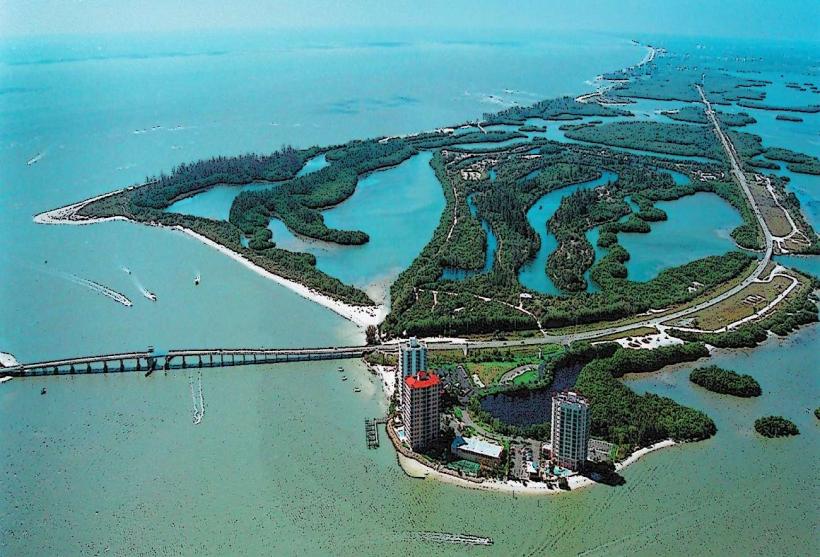
Delnor-Wiggins Pass State Park is a protected coastal area located in Naples, Florida, USA.
This park preserves a significant portion of Southwest Florida's natural coastline, featuring a barrier island with diverse habitats.
Visual Characteristics
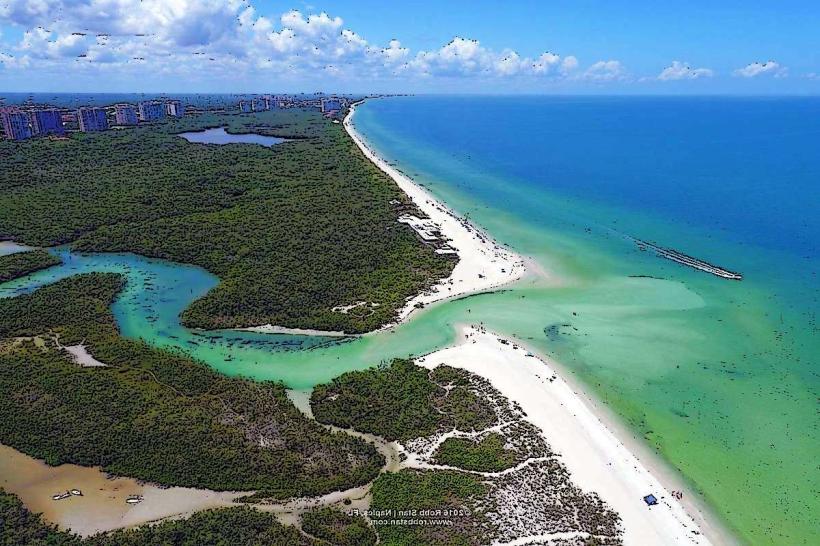
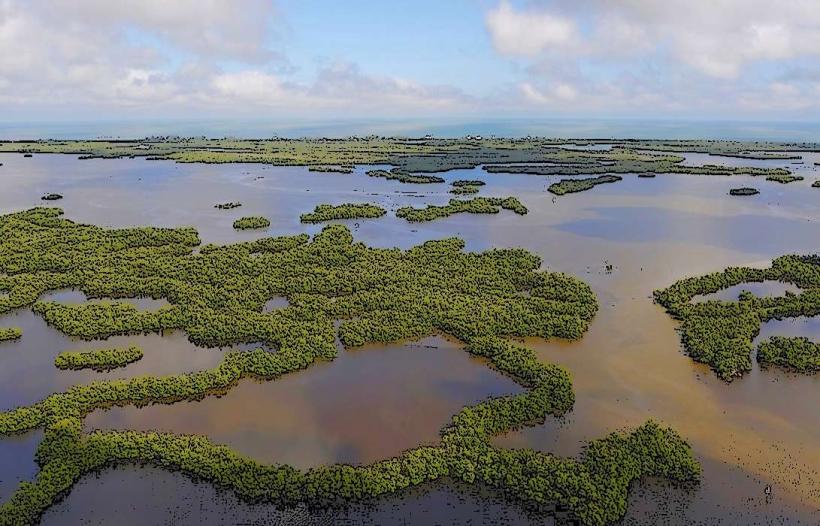
The park comprises approximately 166 acres, primarily consisting of a narrow barrier island. The western coastline features a sandy beach with fine, light-colored quartz sand. The eastern side of the island borders the Cocohatchee River, characterized by mangrove forests and tidal flats. Vegetation includes sea oats, cabbage palms, and various coastal shrubs. The pass itself is an inlet connecting the Gulf of Mexico to the river, with water depths varying based on tidal flow.
Location & Access Logistics
Delnor-Wiggins Pass State Park is situated at 11100 Gulf Shore Drive North, Naples, Florida. It is approximately 10 miles north of downtown Naples. Access is via Gulf Shore Drive North. Parking is available within the park, with designated areas for vehicles. Fees apply for entry and parking. Public transportation options directly to the park are limited; visitors typically use private vehicles or ride-sharing services.
Historical & Ecological Origin
The land was acquired through a combination of state funding and private donations, with the park officially established in 1983. It protects a natural barrier island ecosystem, representative of the Southwest Florida coastal environment. The area's ecological significance lies in its role as a habitat for various bird species, marine life, and its function as a natural buffer against storm surge.
Key Highlights & Activities
Activities include swimming, sunbathing, and beachcombing along the Gulf shoreline. Fishing is permitted in designated areas, particularly along the pass and river. Kayaking and paddleboarding are possible in the Cocohatchee River and the pass. Birdwatching is a primary activity, with opportunities to observe shorebirds, wading birds, and migratory species. Observation of marine life, including dolphins and manatees, is common. A 30-foot observation tower provides elevated views of the coastline and pass.
Infrastructure & Amenities
Restrooms are available at the main pavilion and other locations within the park. Picnic tables and grills are provided. Shade structures are present in picnic areas. Cell phone signal (4G/5G) is generally available throughout the park. No food vendors are located within the park; visitors are advised to bring their own provisions.
Best Time to Visit
The best time for beach activities and swimming is during daylight hours, from sunrise to sunset. For photography, early morning and late afternoon offer optimal lighting conditions. The dry season, from November to April, generally provides the most pleasant weather with lower humidity and average temperatures between 60-80°F (15-27°C). High tide is generally preferred for kayaking and observing marine life in the pass. Low tide exposes more of the sandbars and tidal flats.
Facts & Legends
The park is named after its benefactor, Mrs. Genevieve Delnor Wiggins, who donated a significant portion of the land. A specific tip for visitors is to explore the northern end of the beach, which often yields a higher concentration of shells due to tidal currents.
Nearby Landmarks
- Clam Pass Park (1.5km South)
- Naples Pier (8.2km South)
- Lowdermilk Park (6.1km South)
- Vanderbilt Beach (2.3km South)
- Mercato (4.5km Southeast)