Landmark: Dilijan National Park
City: Dilijan
Country: Armenia
Continent: Asia
Dilijan National Park, Dilijan, Armenia, Asia
Dilijan National Park is a protected area located in the northeastern part of Armenia, near the town of Dilijan.
This park preserves a significant portion of Armenia's forest ecosystems and biodiversity.
Visual Characteristics
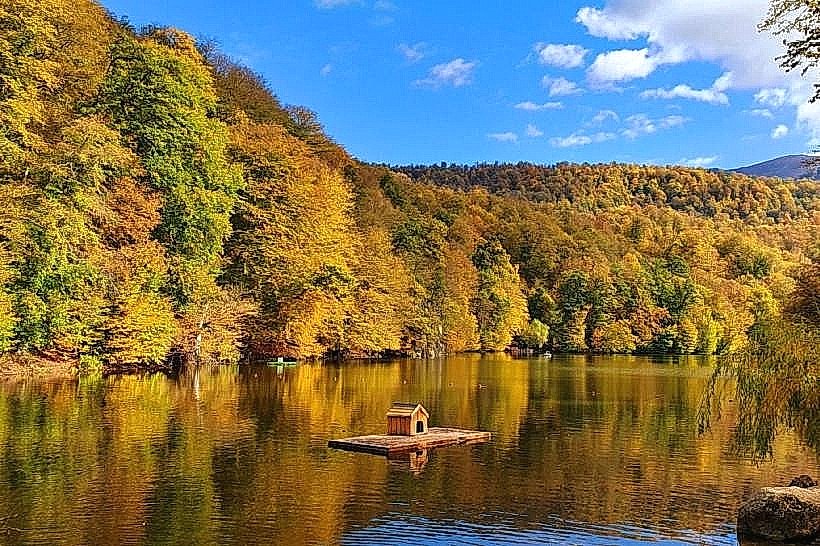
The park is characterized by dense deciduous forests, primarily oak, beech, and hornbeam, covering approximately 85% of its area. Elevations range from 1,100 to 2,300 meters above sea level. The terrain features rolling hills and steeper mountain slopes, with numerous streams and small rivers carving through the landscape. Rock formations are predominantly sedimentary and volcanic.
Location & Access Logistics
Dilijan National Park is situated 100 kilometers northeast of Yerevan, the capital city. Access is primarily via the M4 highway, which passes through the town of Dilijan. From Dilijan town center, local roads and marked trails lead into the park. Parking is available at designated trailheads and visitor centers. Public transport options include intercity buses from Yerevan to Dilijan, followed by local taxis or pre-arranged transport to park entrances.
Historical & Ecological Origin
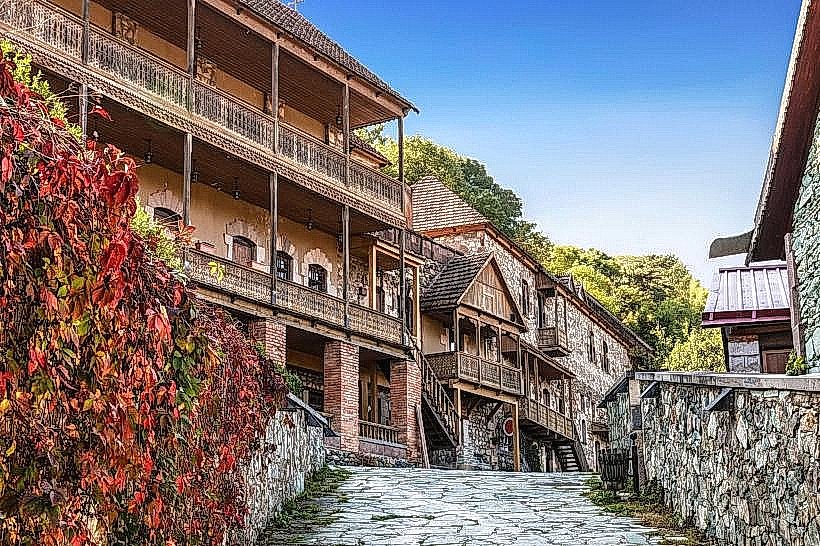
The area was designated a national park in 2002 to protect its rich biodiversity and forest cover. Ecologically, it is classified as a temperate broadleaf and mixed forest biome. The region has a long history of human settlement, with evidence of ancient settlements and monasteries within its boundaries, indicating a long-standing relationship between human activity and the natural environment.
Key Highlights & Activities
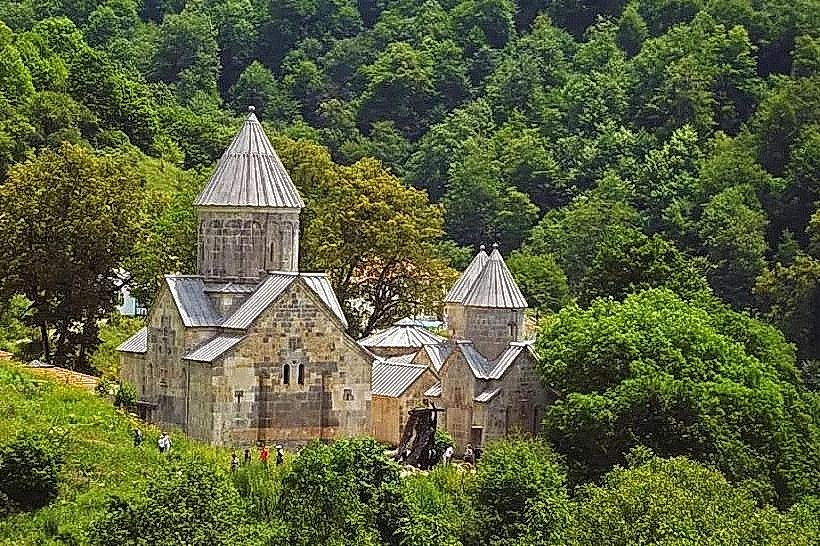
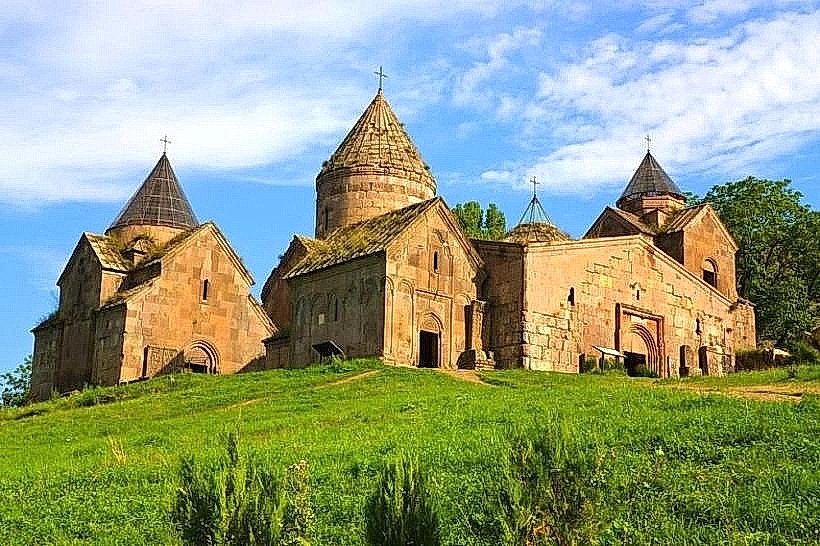
Hiking is a primary activity, with marked trails such as the Dilijan-Parz Lake trail (5km) and the Old Dilijan trail. Birdwatching is possible throughout the park. Photography of forest landscapes and historical sites is recommended. Visiting the Haghartsin Monastery (13th century) and Goshavank Monastery (13th century) are key cultural excursions within the park's perimeter.
Infrastructure & Amenities
Restrooms are available at the main visitor center and at Parz Lake. Shade is abundant due to the dense forest canopy. Cell phone signal (4G) is intermittent within the park, with better reception near populated areas and trailheads. Food vendors are present near Parz Lake and in the town of Dilijan.
Best Time to Visit
The best months for visiting are May through October, offering mild temperatures and clear skies. For photography, early morning and late afternoon provide optimal lighting conditions for forest scenes. Spring (April-May) is suitable for observing wildflowers. Autumn (September-October) offers foliage color.
Facts & Legends
A local legend states that the springs within the park possess healing properties. The park is also known for its unique species of endemic flora, including the Dilijan endemic species of wild thyme.
Nearby Landmarks
- Parz Lake (0.8km West)
- Haghartsin Monastery (4km North)
- Goshavank Monastery (6km Northeast)
- Lake Sevan (25km South)
- Jukhtak Vank Monastery (2km Southwest)