Landmark: Douglas Island Wilderness Area
City: Juneau
Country: USA Alaska
Continent: North America
Douglas Island Wilderness Area, Juneau, USA Alaska, North America
The Douglas Island Wilderness Area is a protected natural space located on Douglas Island, adjacent to Juneau, Alaska, USA.
This area encompasses a significant portion of Douglas Island, providing a habitat for diverse wildlife and recreational opportunities.
Visual Characteristics
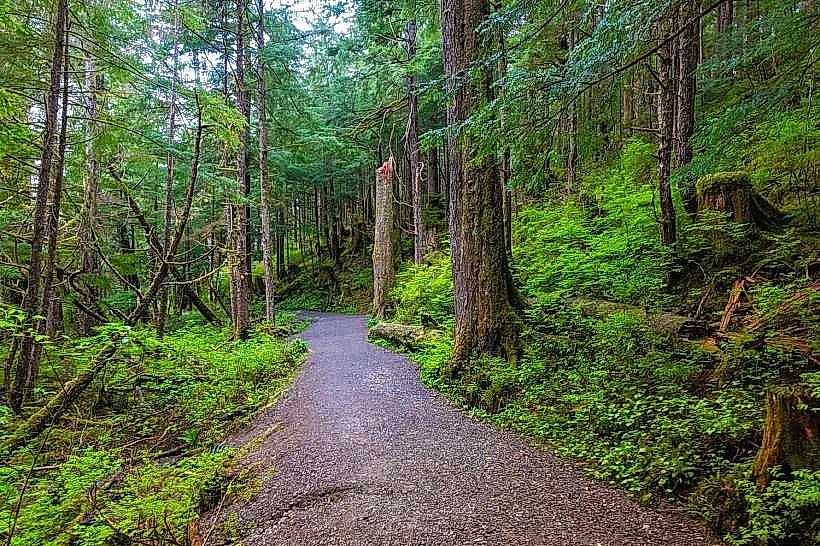
The terrain consists of temperate rainforest characterized by dense coniferous forest, primarily Sitka spruce, western hemlock, and western red cedar. Numerous streams and small lakes are present throughout the area. Elevation ranges from sea level to approximately 3,000 feet (914 meters) on Mount Troy. The coastline features rocky shores and intertidal zones.
Location & Access Logistics
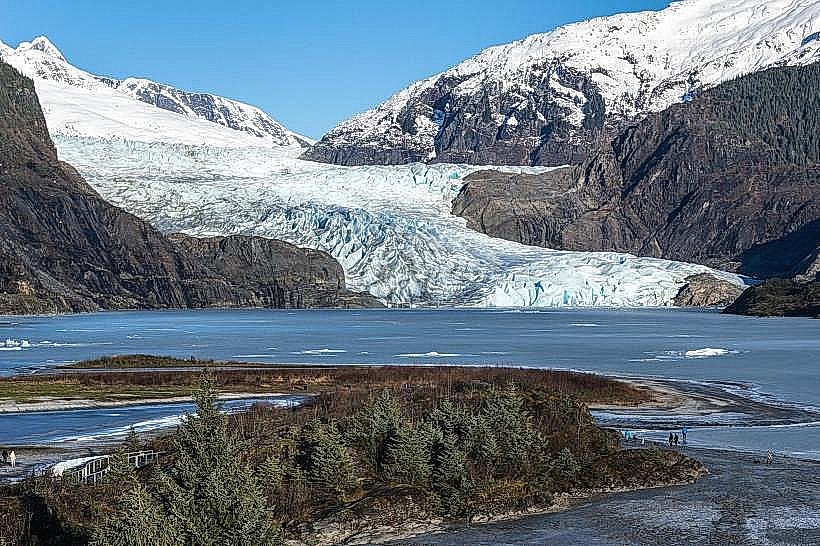
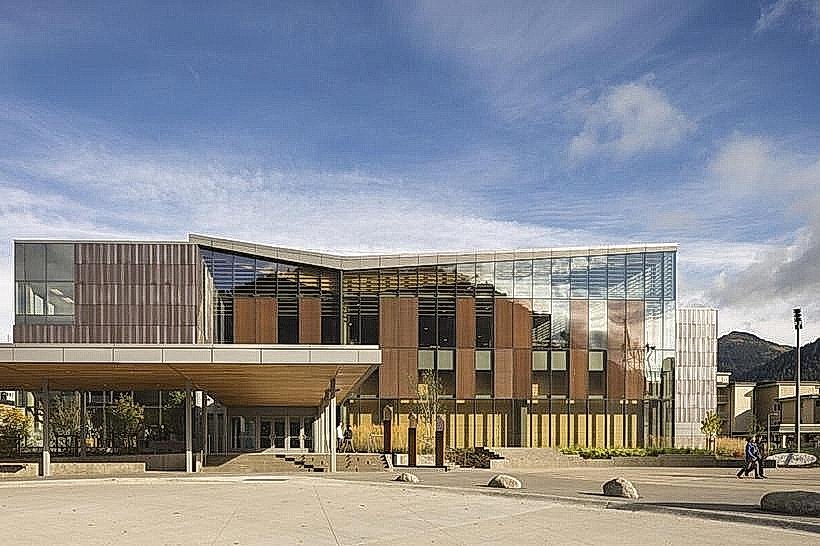
Access to the Douglas Island Wilderness Area is primarily via Douglas Highway (State Route 7) from Juneau. The Mendenhall Glacier Visitor Center is approximately 10 miles (16 km) from downtown Juneau and serves as a common starting point for accessing trailheads on Douglas Island. Several trailheads are accessible from Douglas Highway and local roads such as Thane Road. Parking is available at designated trailheads, though capacity can be limited during peak seasons. Public transportation options to the vicinity of trailheads are available via the Juneau Access Public Transportation (JAT) Route 3, which services Douglas Island.
Historical & Ecological Origin
The Douglas Island Wilderness Area was established to preserve the natural ecological processes and habitats of the temperate rainforest ecosystem. The area's geology is characterized by glacial till and bedrock formations typical of the Coast Mountains. Historically, the island was utilized by indigenous Tlingit people for subsistence and travel. Modern designation as a wilderness area aims to protect its ecological integrity and provide opportunities for primitive recreation.
Key Highlights & Activities
Hiking is a primary activity, with trails such as the Perseverance Trail (partially within the area) and the trails around the base of Mount Troy offering varied terrain. Wildlife viewing, including opportunities to observe black bears, deer, and various bird species, is possible. Photography of the forest and mountain landscapes is also a common pursuit. Some areas may offer opportunities for backcountry camping with appropriate permits.
Infrastructure & Amenities
Basic infrastructure is limited within the wilderness area itself. Designated trailheads often have parking areas. Restrooms are typically available at the Mendenhall Glacier Visitor Center and some larger trailhead parking lots. Shade is abundant due to the dense forest canopy. Cell phone signal strength varies significantly and is generally unreliable in more remote sections of the wilderness area.
Best Time to Visit
The best time for hiking and general exploration is from late May through September, when snow has receded from most trails. Summer months (June to August) offer the most stable weather. For photography, early morning and late afternoon light provides optimal conditions for capturing the forest's details. Tidal considerations are relevant for coastal access points, though most primary access is inland.
Facts & Legends
A notable geological feature is the presence of glacial erratics, large boulders deposited by glaciers, scattered throughout the landscape. Local lore sometimes speaks of the island's isolation fostering a unique spirit, though specific documented legends are scarce.
Nearby Landmarks
- Mendenhall Glacier Visitor Center (0.5km West)
- Shrine of St. Thérèse (8km North)
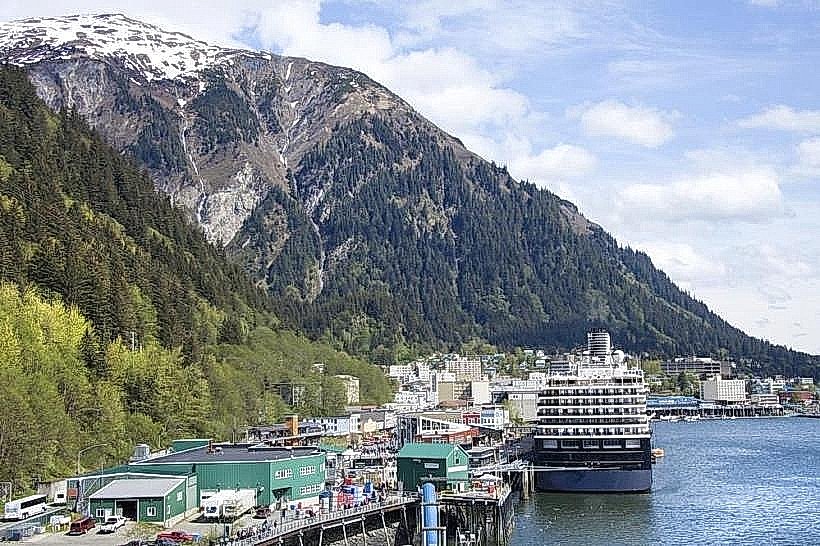
- Downtown Juneau (10km West)
- Auke Bay (12km Northwest)