Landmark: Glacier Bay National Park & Preserve
City: Juneau
Country: USA Alaska
Continent: North America
Glacier Bay National Park & Preserve, Juneau, USA Alaska, North America
Glacier Bay National Park & Preserve is a protected area located in Southeast Alaska, USA. It encompasses a significant portion of the Glacier Bay watershed.
Visual Characteristics
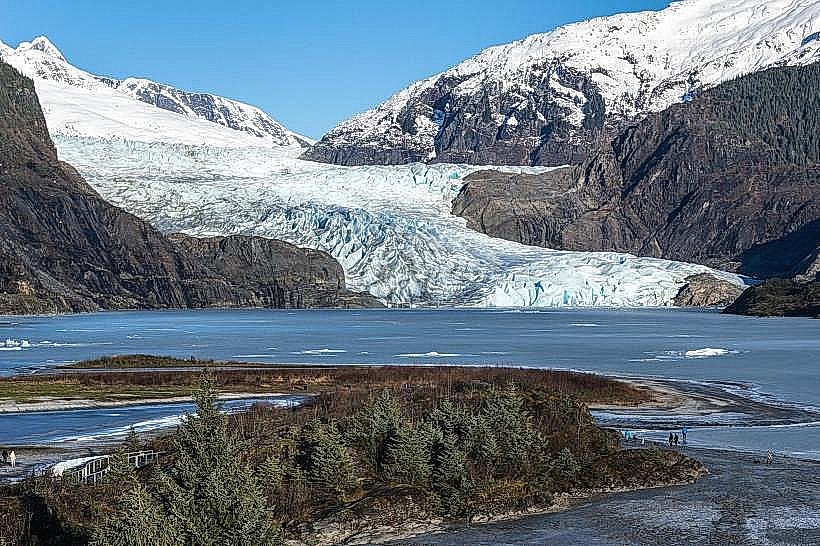
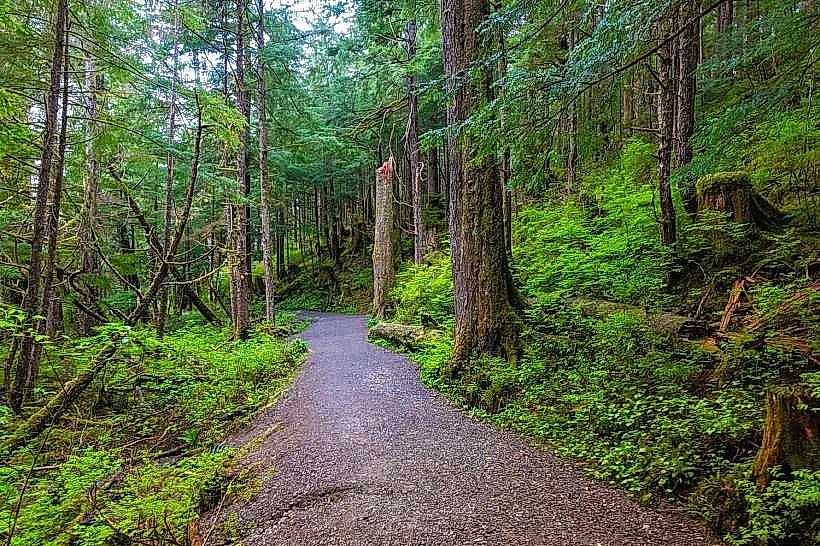
The park features tidewater glaciers that calve icebergs into the bay. The landscape includes steep, glaciated mountains, temperate rainforests, and extensive marine waters. Rock formations are primarily granite and metamorphic rock, shaped by glacial erosion. Vegetation density varies from dense coniferous forests to alpine tundra and barren glacial moraines.
Location & Access Logistics
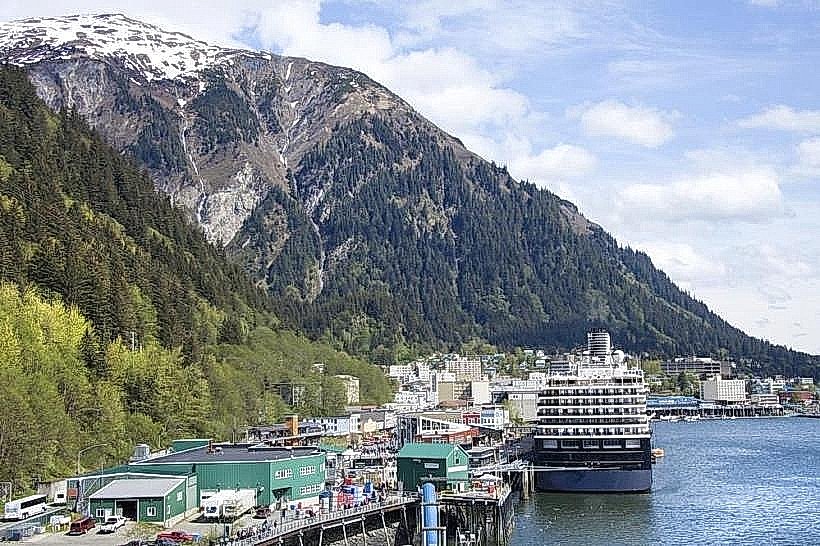
Glacier Bay National Park is accessible primarily by boat or air. The nearest major city is Juneau, Alaska. From Juneau, visitors can take a 50-mile boat trip to the park entrance, typically via tour operators departing from Auke Bay. Alternatively, small aircraft can fly into Gustavus, a small community adjacent to the park, from which shuttle services are available to the park visitor center. There is no road access to the main park area. Limited parking is available at tour departure points in Juneau and Gustavus.
Historical & Ecological Origin
Glacier Bay is a geologically young landscape, with most of its glaciers having receded significantly in the last 200 years. The area is a prime example of glacial retreat and ecological succession. The park was established as a National Monument in 1925 and expanded to National Park and Preserve status in 1980. Its ecological significance lies in its role as a habitat for marine mammals, birds, and terrestrial wildlife, and as a living laboratory for studying glacial processes and ecosystem recovery.
Key Highlights & Activities
Activities include boat tours to observe glaciers and wildlife such as whales, seals, and sea lions. Kayaking is permitted in designated areas. Hiking trails are available near the park headquarters and in Gustavus. Ranger-led programs and educational talks are offered seasonally. Wildlife viewing is a primary activity throughout the park.
Infrastructure & Amenities
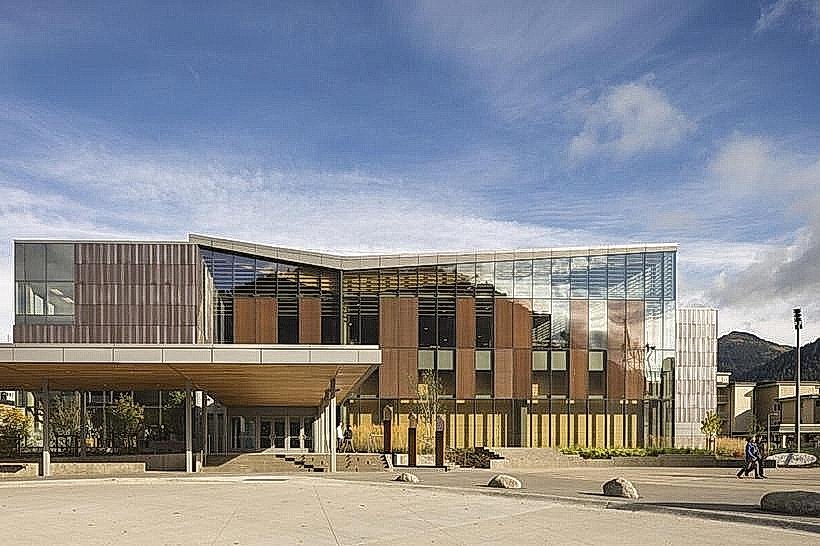
The park has a visitor center located in Gustavus, offering exhibits and information. Restrooms are available at the visitor center and at designated day-use areas. Limited shade is available in forested areas. Cell phone signal is generally unavailable within the park and preserve. Food vendors are not present within the park; visitors must bring their own provisions or purchase them in Gustavus.
Best Time to Visit
The primary visitor season runs from late May to early September. The best time for whale watching is typically from June to August. For optimal glacier viewing and calmer waters, mornings are often preferred. High tide is not a critical factor for most visitor activities, but can influence access to certain shorelines.
Facts & Legends
Glacier Bay is home to the Hoonah Tlingit people, who have a deep historical and cultural connection to the land and sea. Oral traditions describe the bay as being covered by ice until relatively recently in geological time. A specific tip for visitors is to be aware of the rapid weather changes common in Southeast Alaska and to dress in multiple layers.
Nearby Landmarks
- Tracy Arm Fjord (40km Southeast)
- Mendenhall Glacier (50km Southwest, accessible from Juneau)
- Chichagof Island (30km West)
- Admiralty Island National Monument (60km South)