Landmark: Dry Fork Petroglyphs
City: Vernal
Country: USA Utah
Continent: North America
Dry Fork Petroglyphs, Vernal, USA Utah, North America
The Dry Fork Petroglyphs are an archaeological site featuring ancient rock carvings located in Uintah County, Utah, near Vernal.
This site preserves a significant collection of rock art created by ancestral Puebloans.
Visual Characteristics
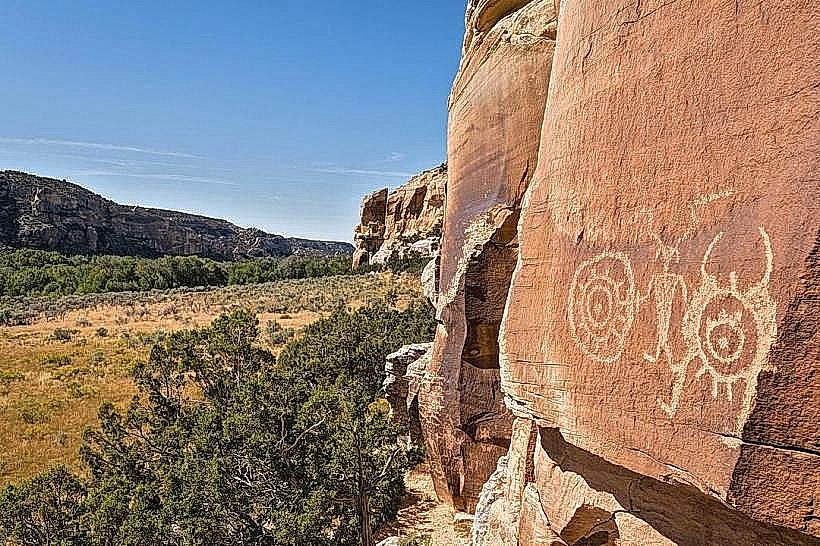
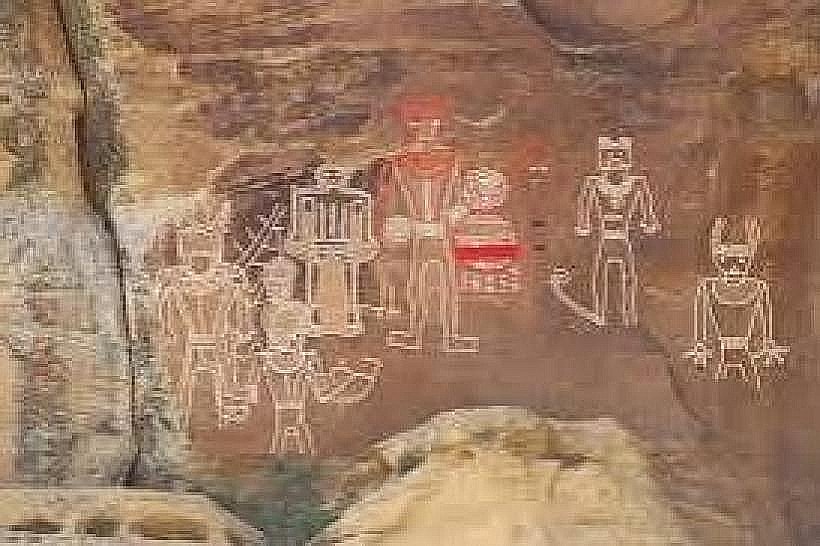
The petroglyphs are etched into sandstone rock faces, primarily composed of Entrada Sandstone. The carvings depict a variety of figures including anthropomorphic forms, animals (such as bighorn sheep and deer), and geometric shapes. The sandstone exhibits a reddish-brown hue, providing a contrast to the lighter-colored etched areas.
Location & Access Logistics
The Dry Fork Petroglyphs are situated approximately 30 miles west of Vernal, Utah. Access is via UT-40 West, turning north onto Dry Fork Road (County Road 14-000). The last 5 miles of Dry Fork Road are unpaved and can be rough, requiring a high-clearance vehicle, especially after precipitation. Parking is available at designated pull-offs near the trailhead. No public transport services this remote location.
Historical & Ecological Origin
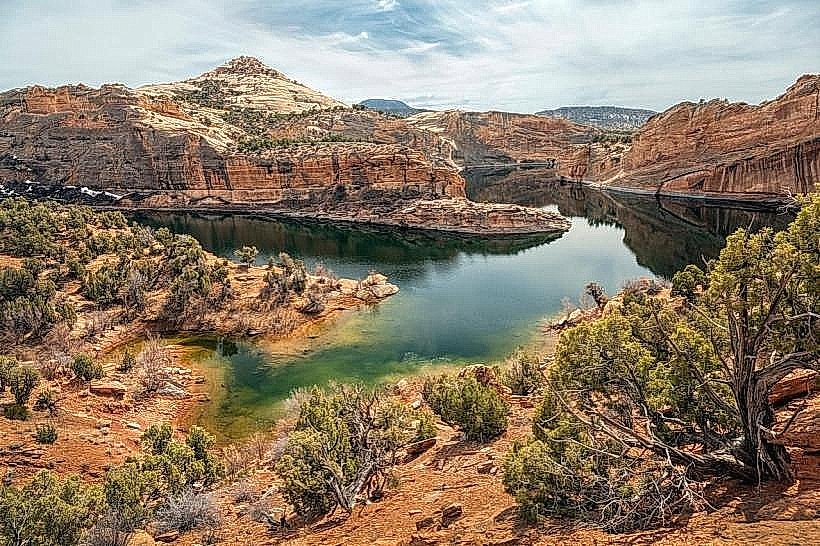
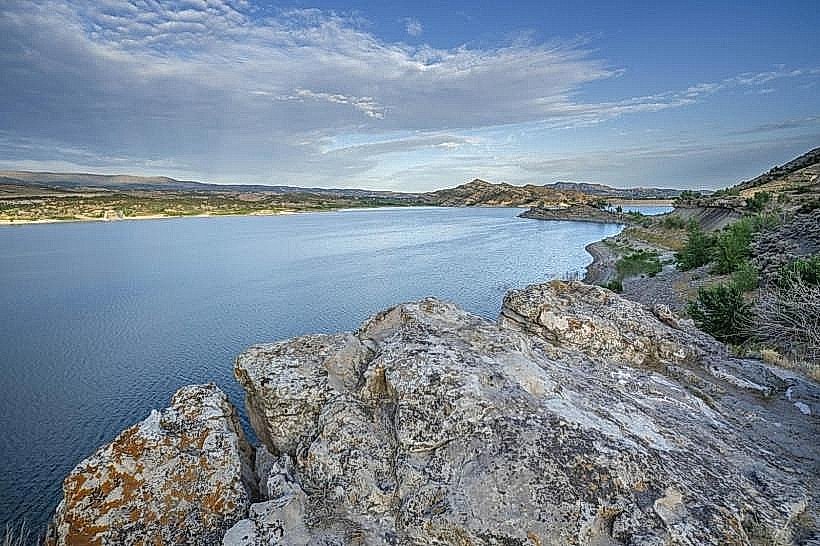
The petroglyphs are estimated to have been created between 1000 and 1300 CE by ancestral Puebloan peoples. The site's location within the Uinta Basin is characterized by arid desert scrubland, with geological formations shaped by millions of years of erosion.
Key Highlights & Activities
Observation of petroglyphs is the primary activity. Visitors can walk along designated trails to view the rock art panels. Photography is permitted. No climbing or touching of the rock art is allowed.
Infrastructure & Amenities
There are no developed facilities at the Dry Fork Petroglyphs site. Restrooms, shade structures, and food vendors are not present. Cell phone reception is unreliable to non-existent.
Best Time to Visit
The best time of day for viewing the petroglyphs is during the morning or late afternoon when the low-angle sun creates shadows that enhance the visibility of the etchings. The months of April through October offer the most favorable weather conditions, avoiding winter snow and extreme summer heat.
Facts & Legends
One notable feature is the presence of "flute player" figures, a common motif in Southwestern rock art, often interpreted as representations of the mythical figure Kokopelli. The remote nature of the site contributes to its preservation.
Nearby Landmarks
- 0.8km South: Split Rock Petroglyphs
- 1.5km Southwest: Dry Fork Canyon Trailhead
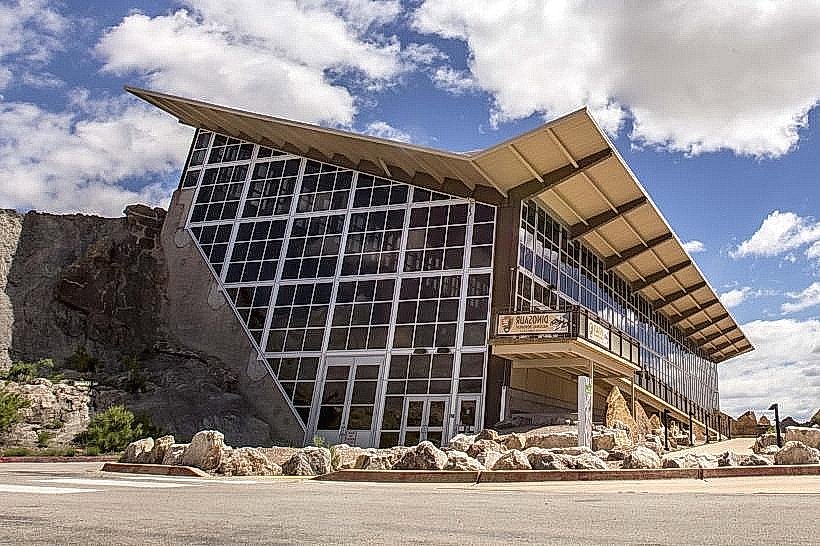
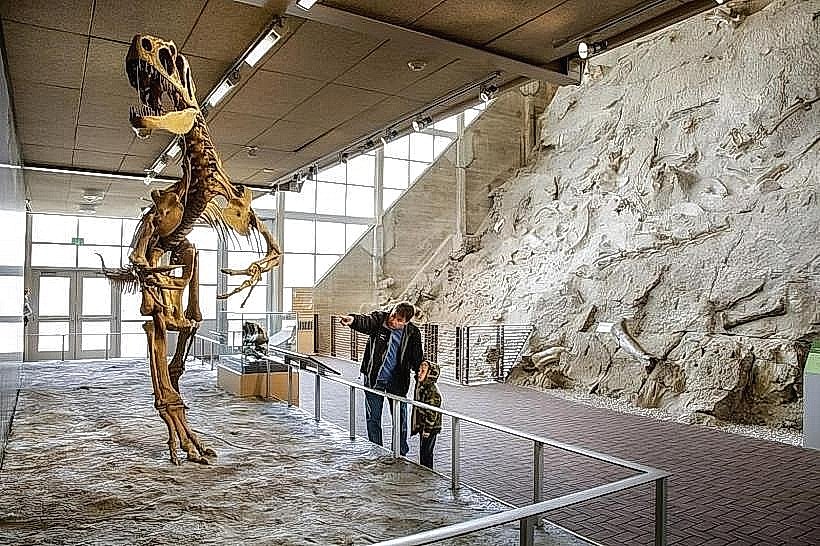
- 4.2km East: Dinosaur National Monument Quarry Visitor Center
- 4.5km East: Cub Creek Petroglyphs