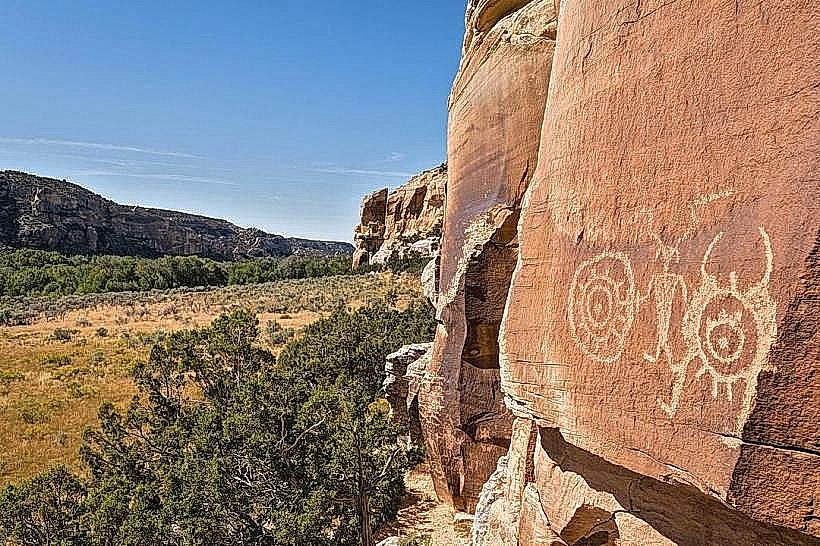
Landmark: McConkie Ranch Petroglyphs
City: Vernal
Country: USA Utah
Continent: North America
McConkie Ranch Petroglyphs, Vernal, USA Utah, North America
The McConkie Ranch Petroglyphs are an archaeological site featuring ancient rock art located near Vernal, Utah.
This site preserves a significant collection of Native American petroglyphs etched into sandstone formations.
Visual Characteristics
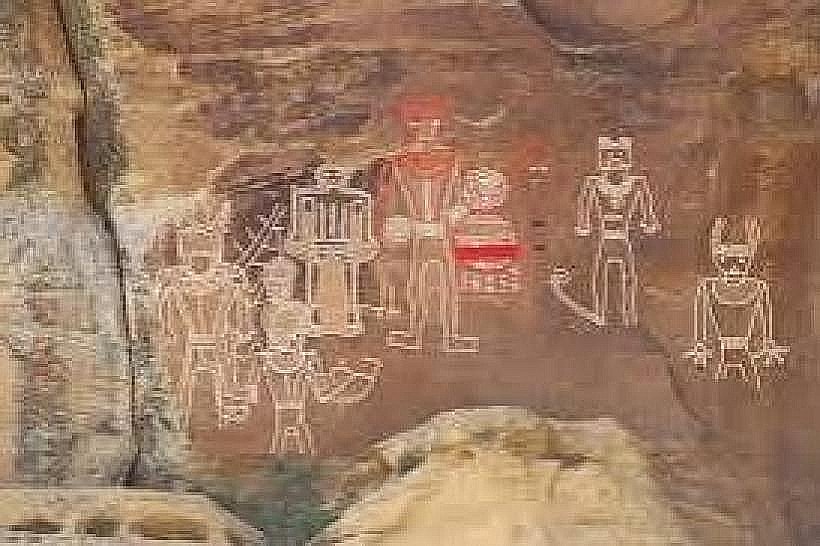
The petroglyphs are carved into Uinta Formation sandstone, characterized by its reddish-brown hue. The carvings depict human figures, animals (including bighorn sheep and deer), and abstract symbols. The rock faces exhibit natural erosion patterns that frame the ancient artwork.
Location & Access Logistics
The McConkie Ranch is situated approximately 20 miles east of Vernal, Utah. Access is via Highway 40 East, then turning north onto the unmarked dirt road leading to the ranch. The final approach is a rough, unpaved track requiring a high-clearance vehicle. Parking is available at the trailhead. No public transport services this location.
Historical & Ecological Origin
The petroglyphs are attributed to the Fremont culture, with some possibly dating back over 1,000 years. They were created by the subtractive technique of pecking away the dark desert varnish to expose the lighter rock beneath. The formations are part of the Uinta Basin's sedimentary rock layers, primarily sandstone and shale.
Key Highlights & Activities
Visitors can observe numerous petroglyph panels along a designated interpretive trail. The primary activity is walking the trail to view and photograph the rock art. The site is best explored on foot to appreciate the detail of the carvings.
Infrastructure & Amenities
Basic amenities are limited. A small, undeveloped parking area is present. There are no restrooms, shade structures, or food vendors at the site. Cell phone reception is unreliable to non-existent.
Best Time to Visit
The best time for photography is during the early morning or late afternoon when the low-angle sunlight creates shadows that enhance the visibility of the petroglyphs. Spring (April-May) and Fall (September-October) offer the most comfortable temperatures for outdoor exploration. Avoid visiting during midday heat.
Facts & Legends
One of the most prominent figures depicted is a large anthropomorphic figure often referred to as the "Great Hunter." Local lore suggests some symbols may represent astronomical observations or shamanistic visions.
Nearby Landmarks
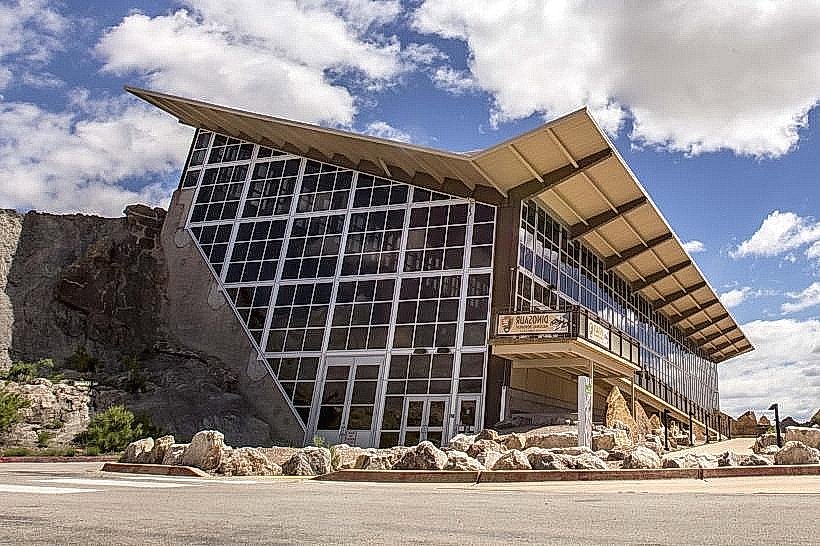
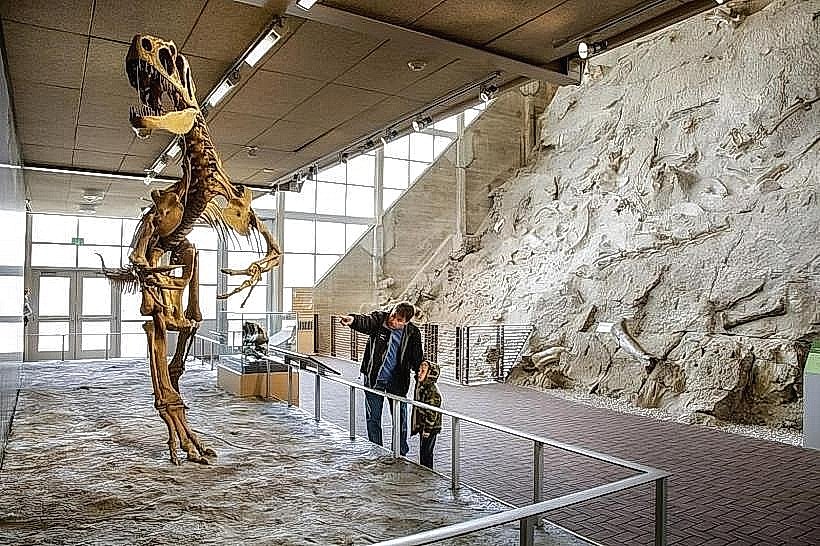
- Dinosaur National Monument Quarry Visitor Center (15km West)
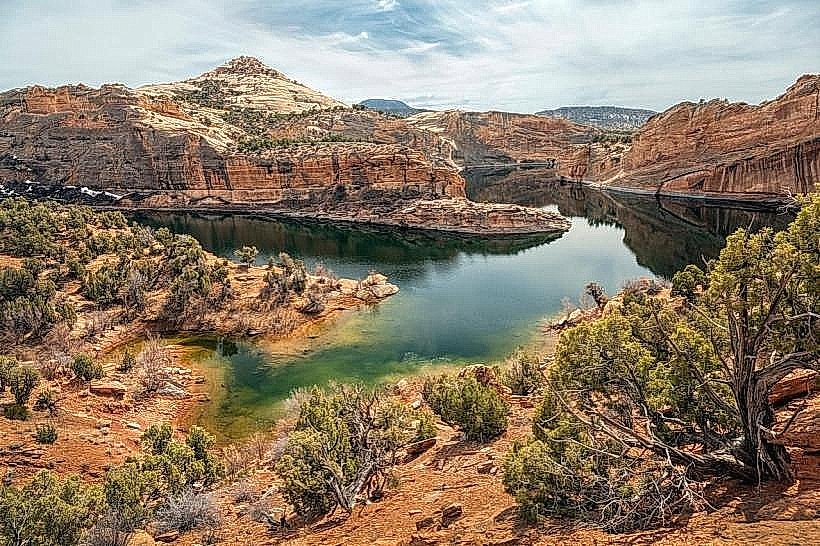
- Steinaker State Park (18km West)
- Utah Field House of Natural History State Park Museum (20km West)
- Red Fleet State Park (25km West)