Landmark: Eagle Point Wildlife Management Area
City: Newport VT
Country: USA Vermont
Continent: North America
Eagle Point Wildlife Management Area, Newport VT, USA Vermont, North America
Eagle Point Wildlife Management Area is a protected natural site located in Newport, Vermont, USA.
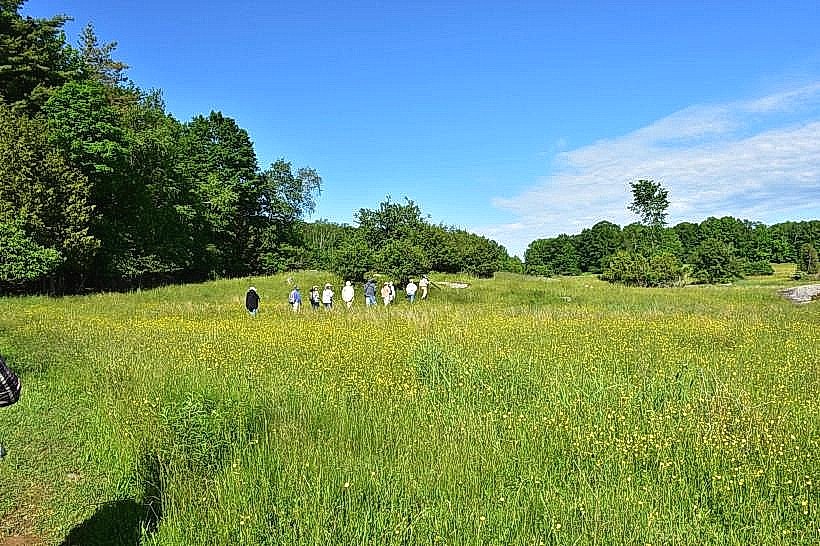
This area encompasses approximately 1,000 acres of mixed forest, wetlands, and open fields.
Visual Characteristics
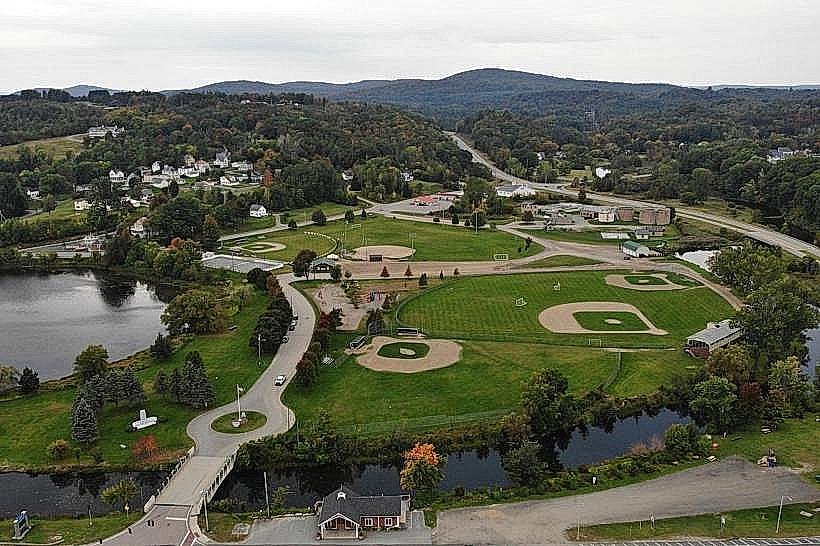
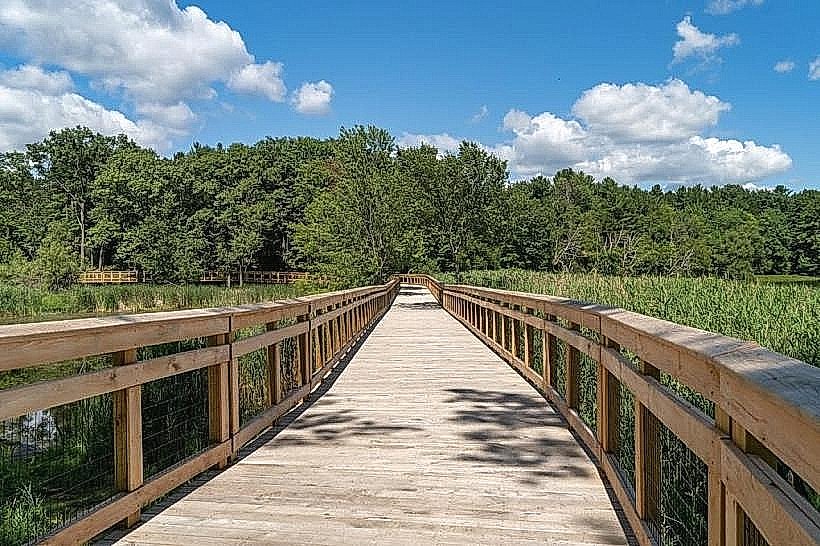
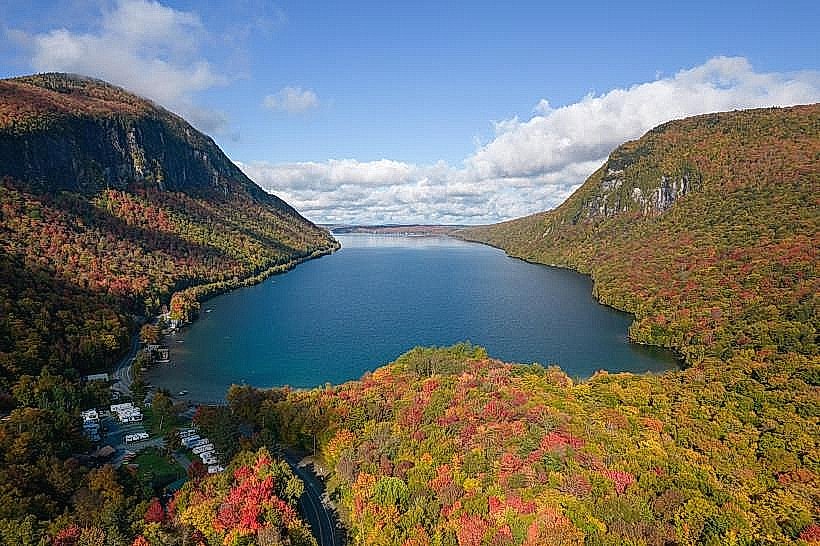
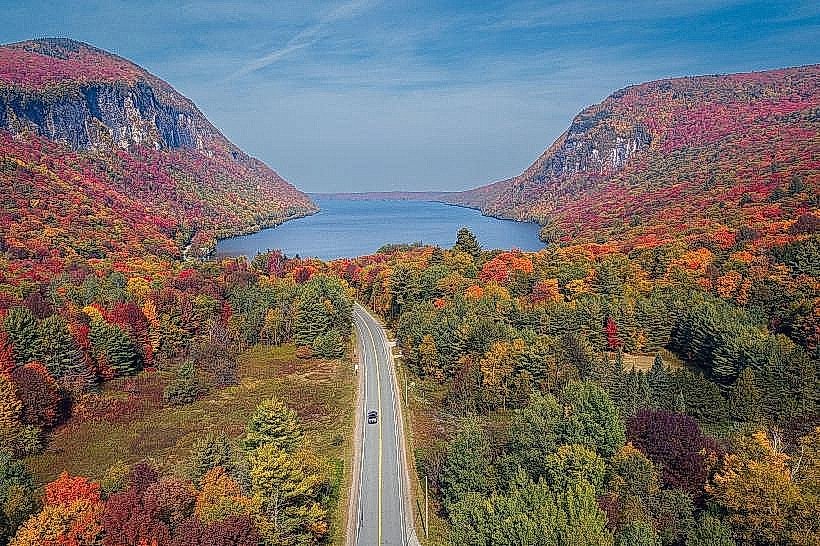
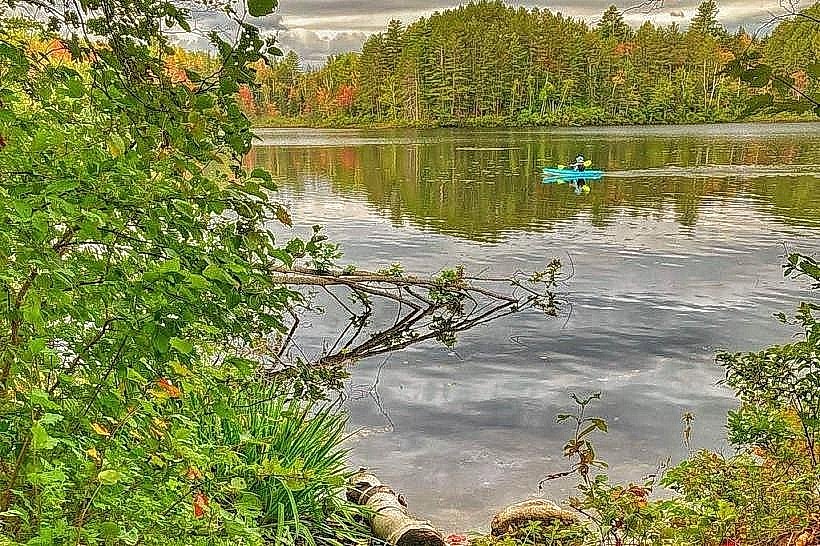
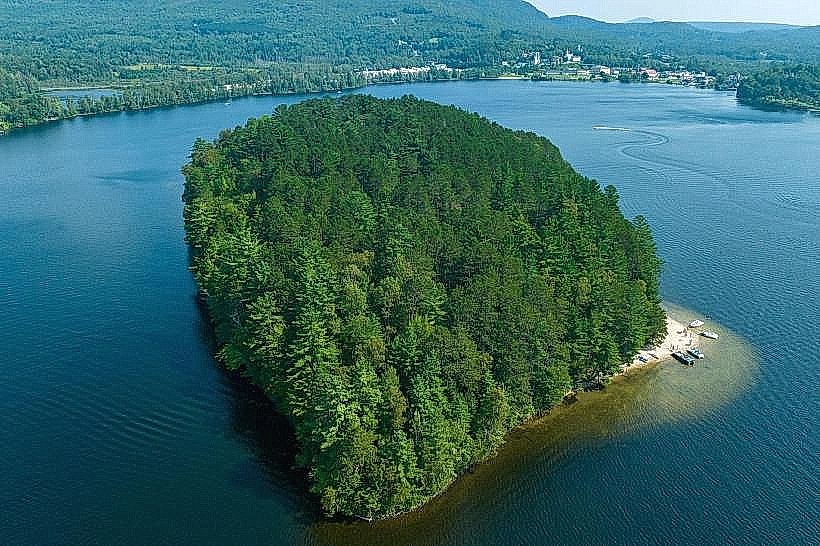
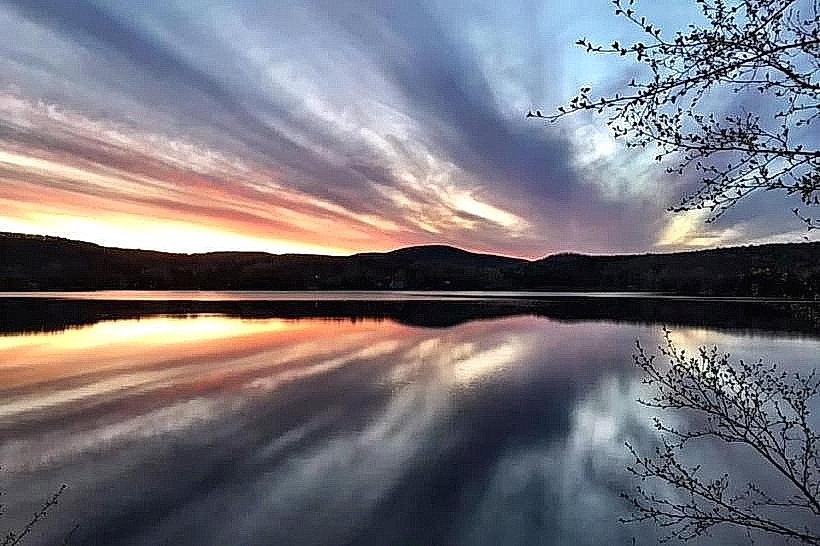
The terrain consists of rolling hills with deciduous trees, primarily maple and birch. Several small ponds and marshy areas are present, characterized by emergent vegetation such as cattails. The soil is a mix of loam and clay. Elevation ranges from approximately 1,200 to 1,500 feet above sea level.
Location & Access Logistics
Eagle Point Wildlife Management Area is situated 5 kilometers west of downtown Newport, VT. Access is via VT Route 105 West. Turn north onto County Road 10 (also known as Lake Road). After approximately 2 kilometers, turn west onto an unpaved access road marked with a Wildlife Management Area sign. Parking is available in a designated gravel lot at the end of the access road. No public transport services this location directly.
Historical & Ecological Origin
The area was established as a Wildlife Management Area in 1975 by the Vermont Department of Fish and Wildlife to preserve habitat for native wildlife and provide public recreational opportunities. Ecologically, it represents a transition zone between northern hardwood forest and wetland ecosystems, supporting a diverse range of flora and fauna.
Key Highlights & Activities
Hiking is permitted on marked trails. Birdwatching is a primary activity due to the varied habitats. Wildlife observation, including deer and various waterfowl, is possible. Limited hunting is allowed during designated seasons, with appropriate permits.
Infrastructure & Amenities
A single gravel parking lot is available. No restrooms, potable water, or food vendors are present within the WMA. Cell phone signal is intermittent, with 4G coverage generally unavailable in most areas.
Best Time to Visit
For birdwatching, early morning (dawn) and late afternoon (dusk) are optimal. Spring (April-May) offers migratory bird activity. Autumn (September-October) provides fall foliage viewing. No specific tide requirements apply.
Facts & Legends
Local folklore suggests that the area was once a favored hunting ground for indigenous peoples, who referred to the prominent hill overlooking the wetlands as "Great Eagle's Perch."
Nearby Landmarks
- Lake Memphremagog (1.5km East)
- Seymour Lake (8km South)
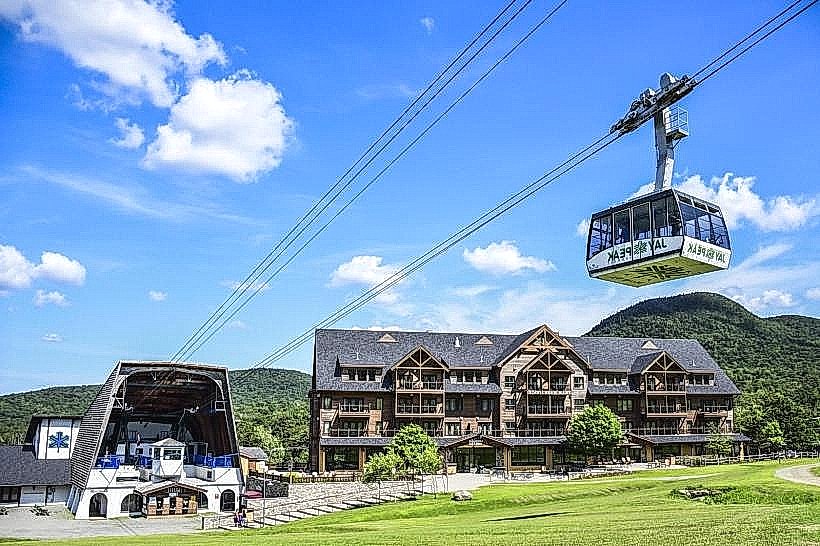
- Jay Peak Resort (25km West)
- Newport State Airport (7km East)