Information
Landmark: Eikan-do Zenrin-jiCity: Kyoto
Country: Japan
Continent: Asia
Eikan-do Zenrin-ji, Kyoto, Japan, Asia
Eikan-do Zenrin-ji is a Buddhist temple located in the Sakyo Ward of Kyoto, Japan.
It is renowned for its autumn foliage and its unique "Mikaeri Amida" statue.
Visual Characteristics
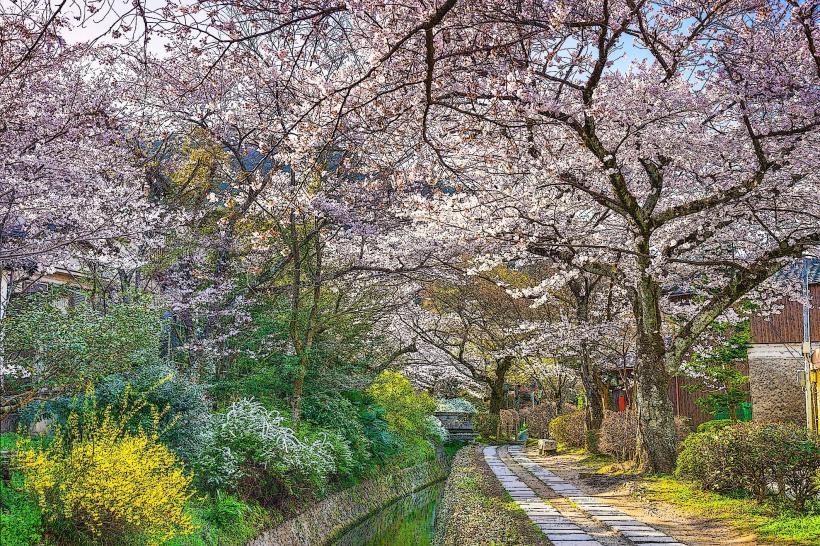
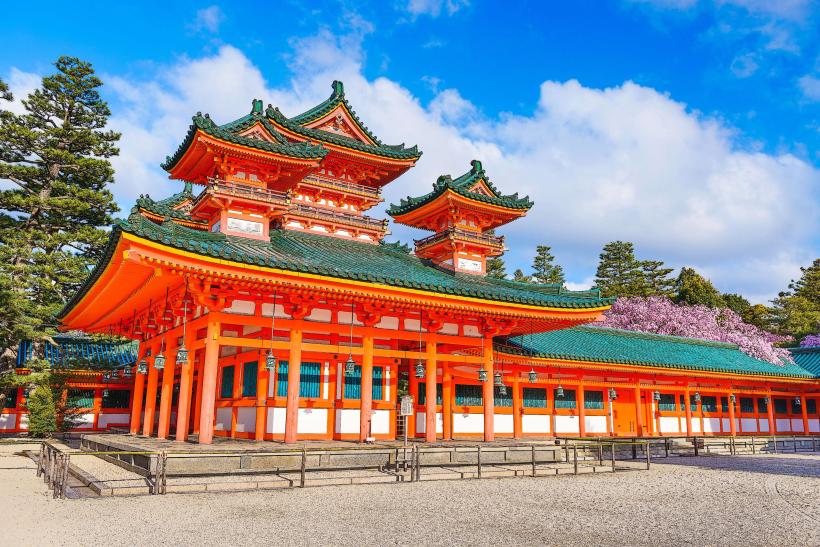
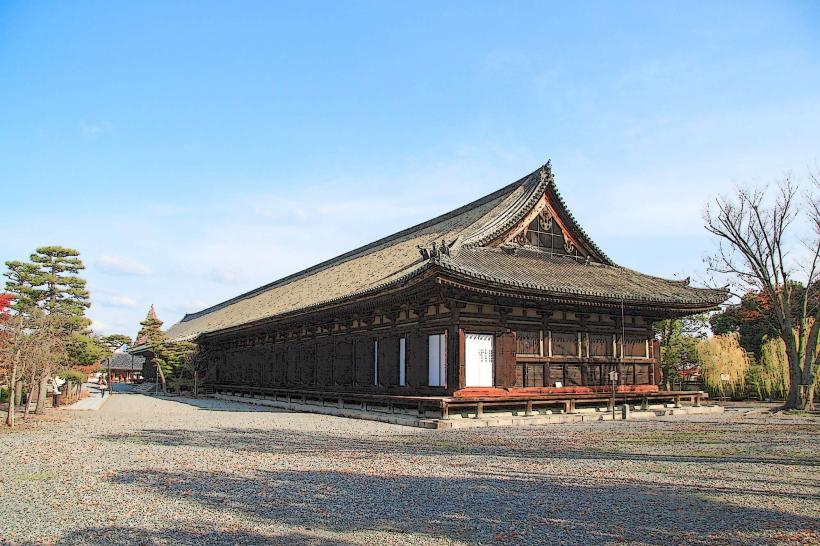
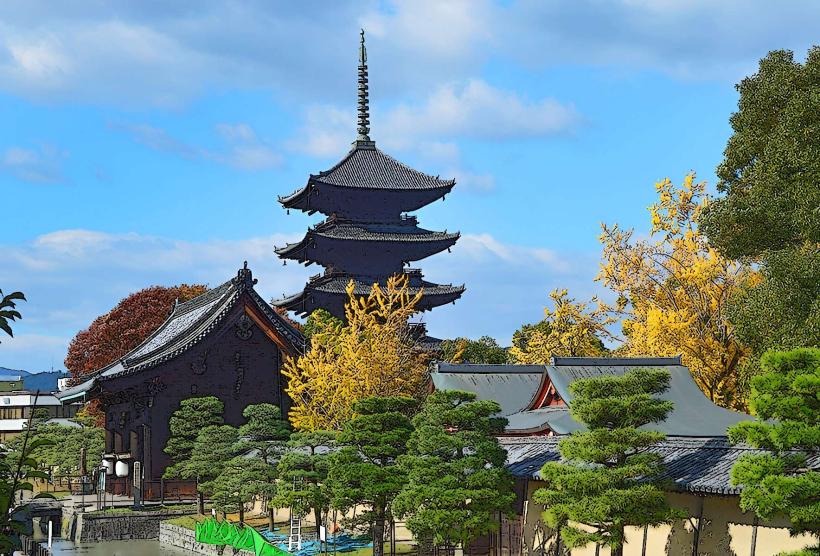
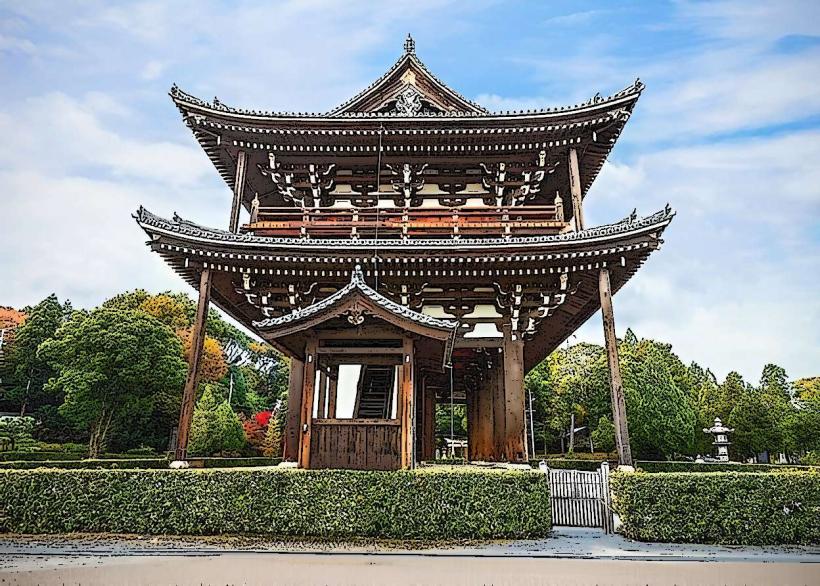
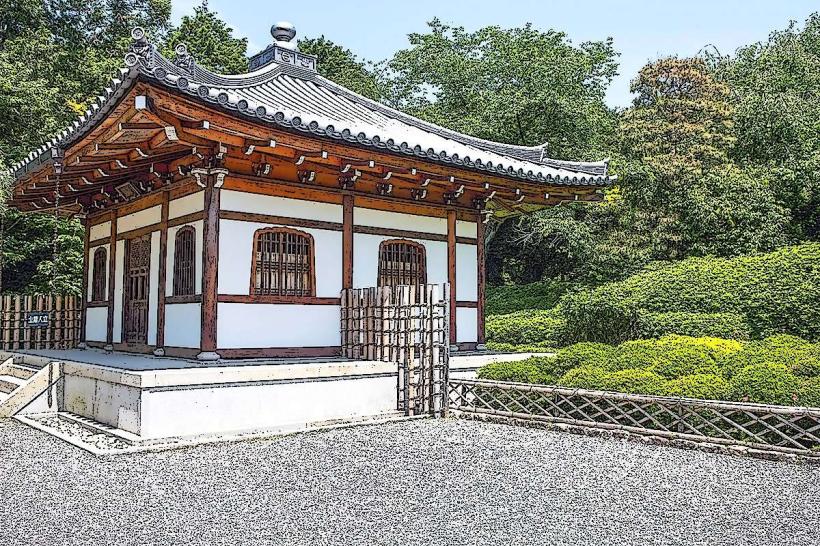
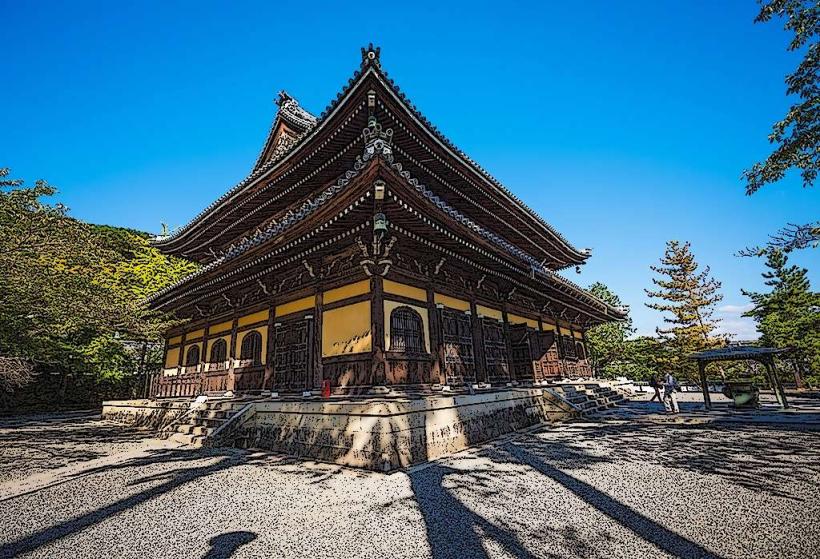
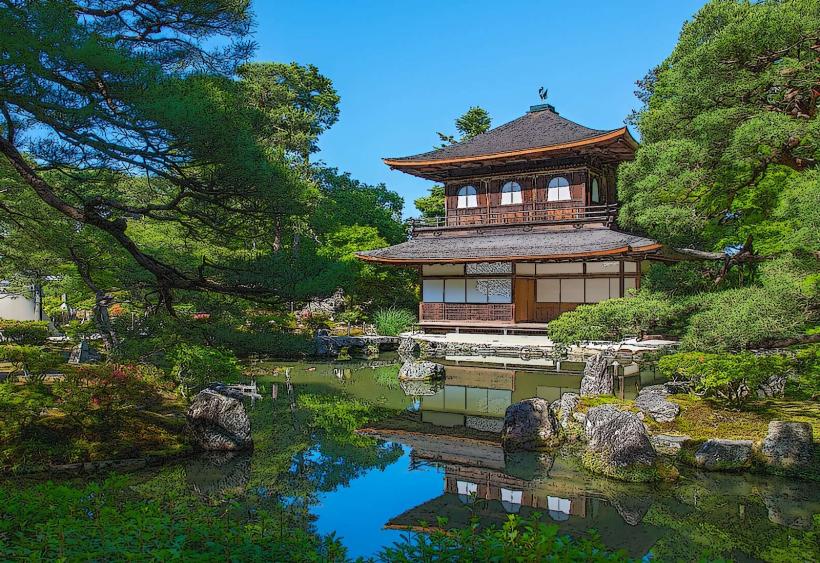
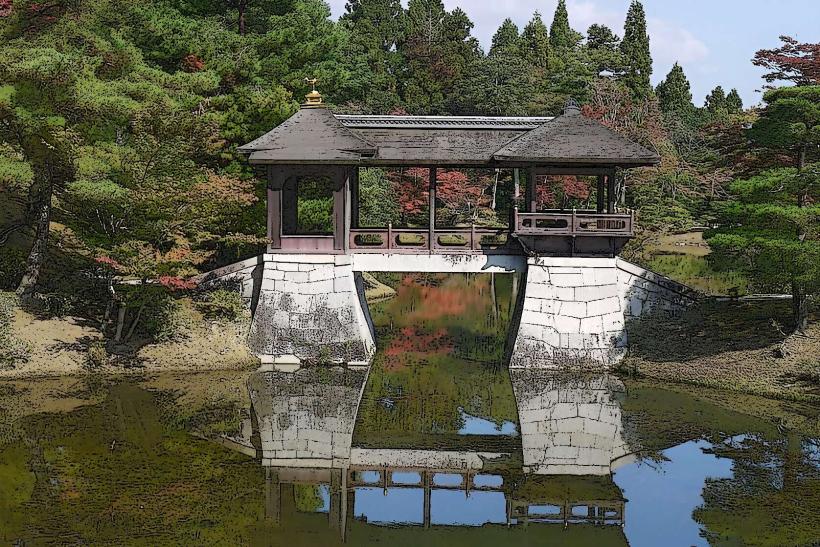
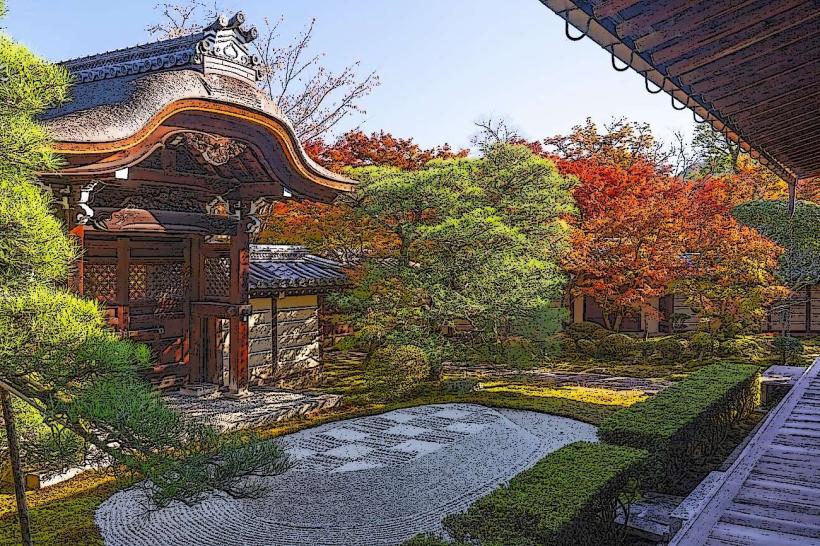
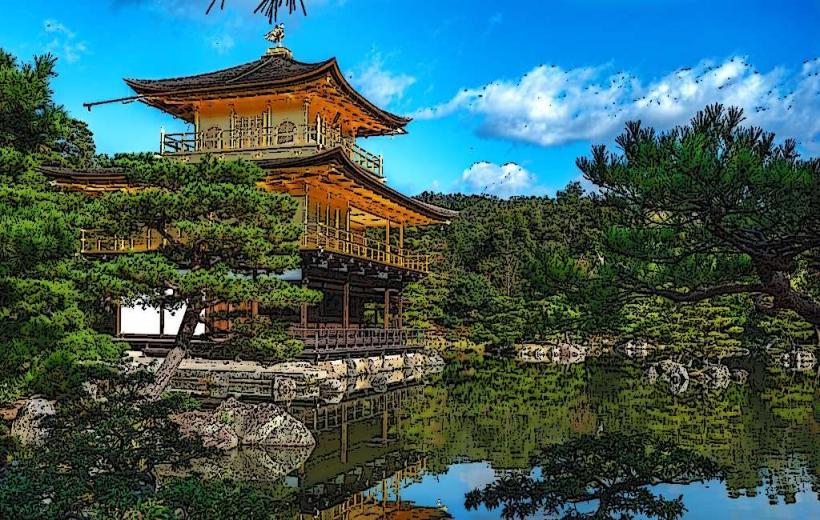
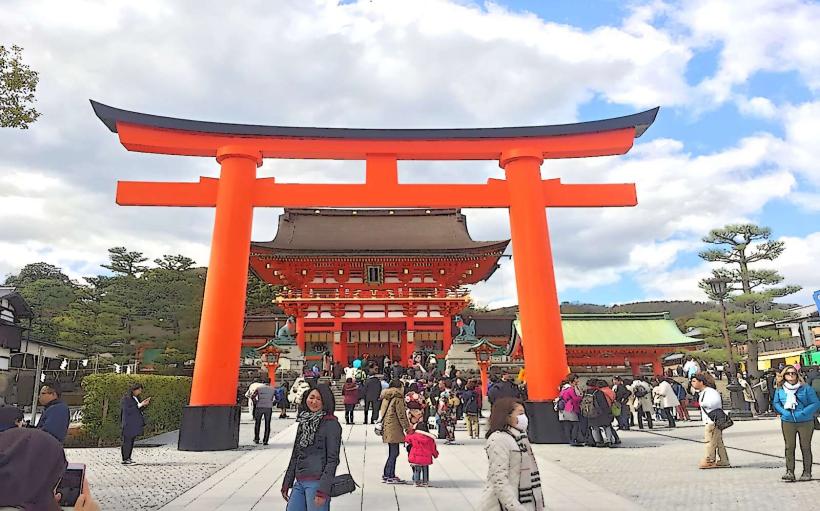
The temple complex comprises multiple wooden structures, including the Hojo (Abbot's Hall) and the Tahoto (Pagoda). The main buildings are painted in traditional Japanese temple colors, with dark wood and grey tiled roofs. The grounds feature meticulously maintained gardens with ponds, stone pathways, and a variety of deciduous trees, particularly Japanese maples.
Location & Access Logistics
Eikan-do Zenrin-ji is situated approximately 4 kilometers northeast of Kyoto Station. Access is via the Kyoto City Bus system; take bus number 5 or 43 to the Nanzen-ji Kita bus stop, which is a 5-minute walk from the temple entrance. Limited street parking is available in the vicinity, but is often restricted during peak seasons. The nearest subway station is Keage Station on the Tozai Line, a 15-minute walk away.
Historical & Ecological Origin
The temple was founded in 853 by Shinsho, a disciple of Kobo Daishi. It was later moved to its current location by the monk Eikan in 869. The temple is primarily known for its association with the Jodo Shu (Pure Land) sect of Buddhism. The surrounding gardens are designed in the traditional Japanese landscape style, incorporating natural topography and water features.
Key Highlights & Activities
Visitors can explore the various temple halls, including the Hojo with its tatami rooms and garden views. The Tahoto offers panoramic views of the surrounding hills and city. The main attraction during autumn is the viewing of the maple leaves. Photography of the "Mikaeri Amida" statue is permitted in designated areas. Walking the garden paths is a primary activity.
Infrastructure & Amenities
Restrooms are available within the temple grounds. Shaded areas are provided by the temple buildings and the dense tree canopy in the gardens. Cell phone signal (4G/5G) is generally available. Food vendors and small restaurants are located on the streets leading to the temple entrance.
Best Time to Visit
For autumn foliage, the peak viewing period is typically from mid-November to early December. The best time of day for photography, especially of the gardens, is in the early morning or late afternoon to avoid harsh sunlight. There are no specific tide requirements for visiting.
Facts & Legends
The temple's most famous artifact is the "Mikaeri Amida" (Looking-back Amida) statue. Legend states that the statue turned its head to look back at the Buddha as he was walking in procession, an event that inspired the statue's unique pose. This is said to represent Amida's compassion and willingness to turn back for those who are lost.
Nearby Landmarks
- Nanzen-ji Temple (0.2km West)
- Philosopher's Path (0.8km North)
- Heian Shrine (1.5km Southwest)
- Kyoto Municipal Museum of Art (1.6km Southwest)
- Ginkaku-ji (Silver Pavilion) (2.1km North)