Information
Landmark: Heian ShrineCity: Kyoto
Country: Japan
Continent: Asia
Heian Shrine, Kyoto, Japan, Asia
The Heian Shrine is a Shinto shrine located in the Sakyo Ward of Kyoto, Japan. It was constructed to commemorate the 1100th anniversary of the founding of Kyoto as the imperial capital.
Visual Characteristics
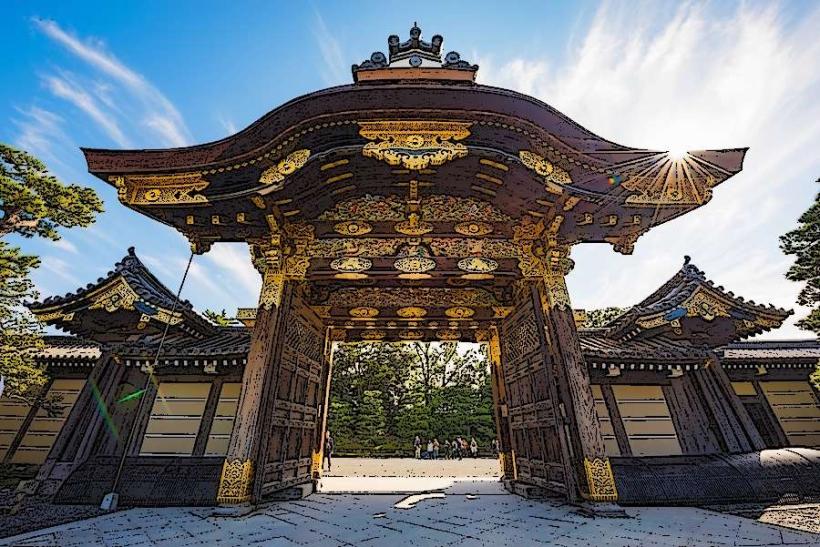
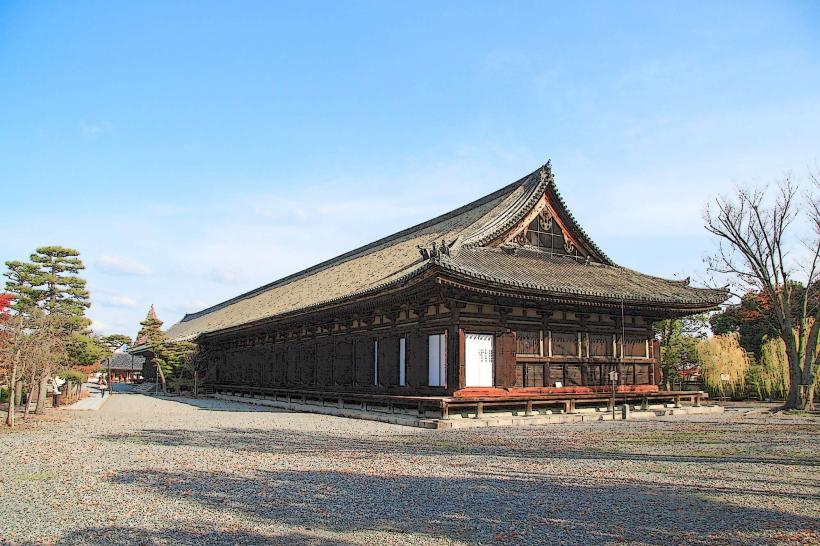
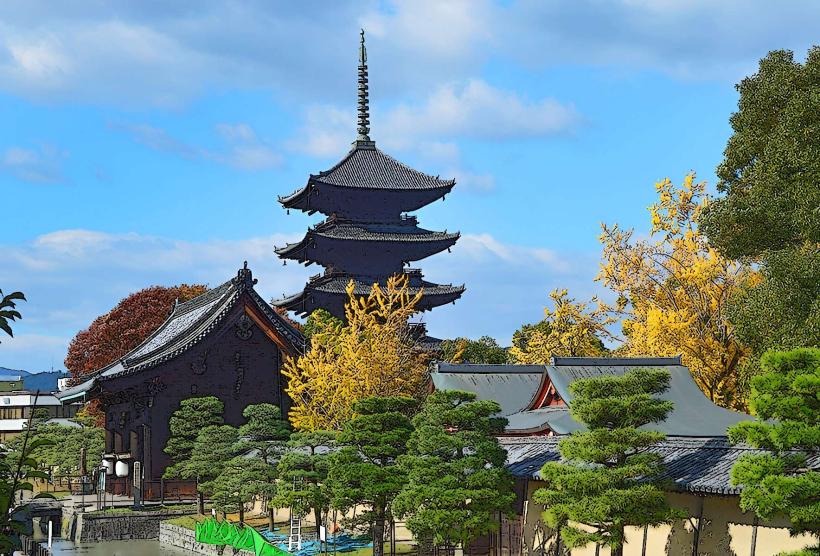
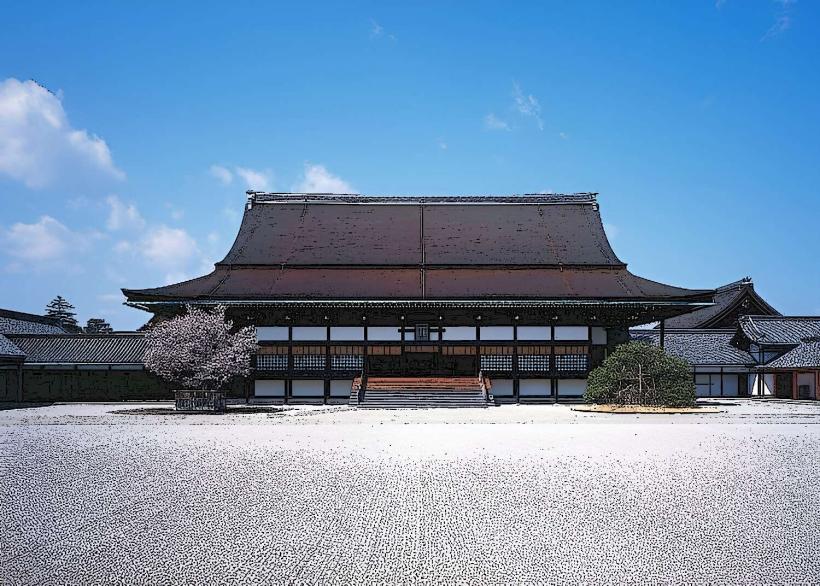
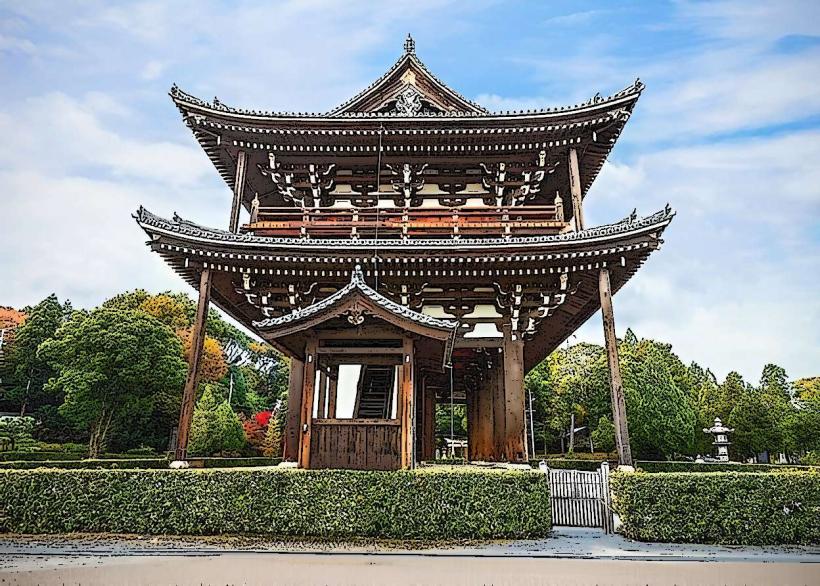
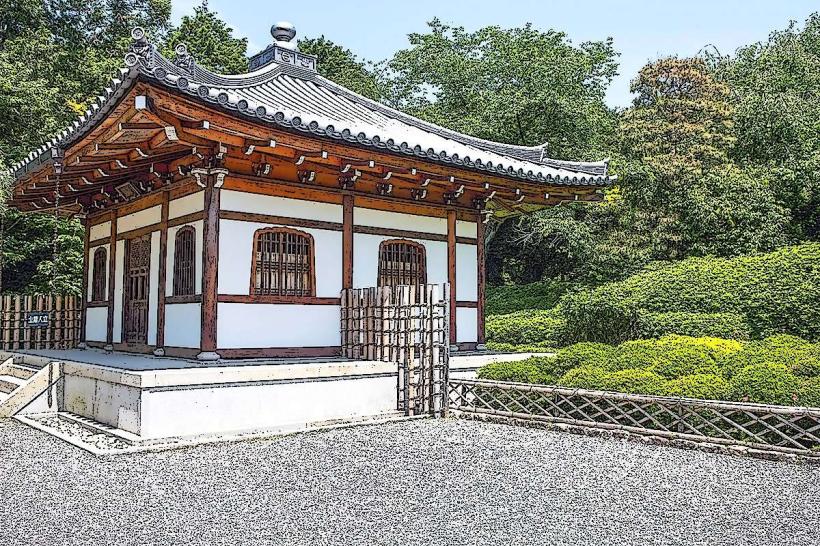
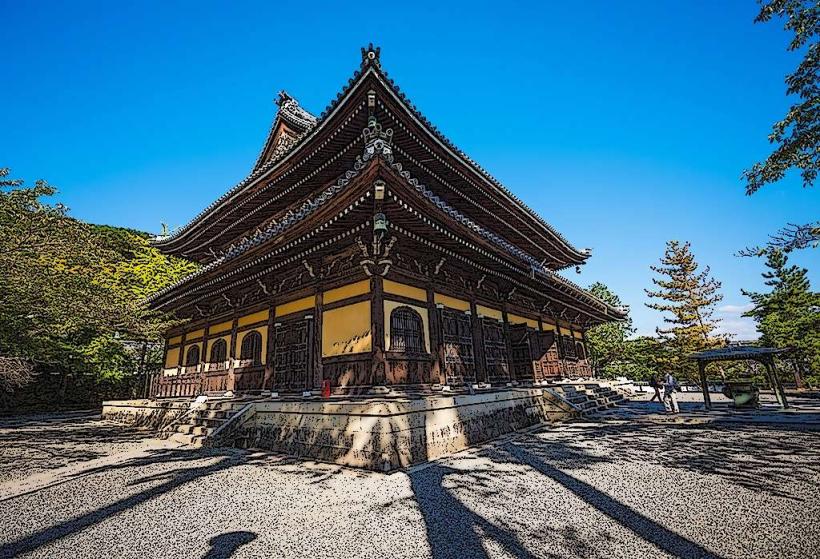
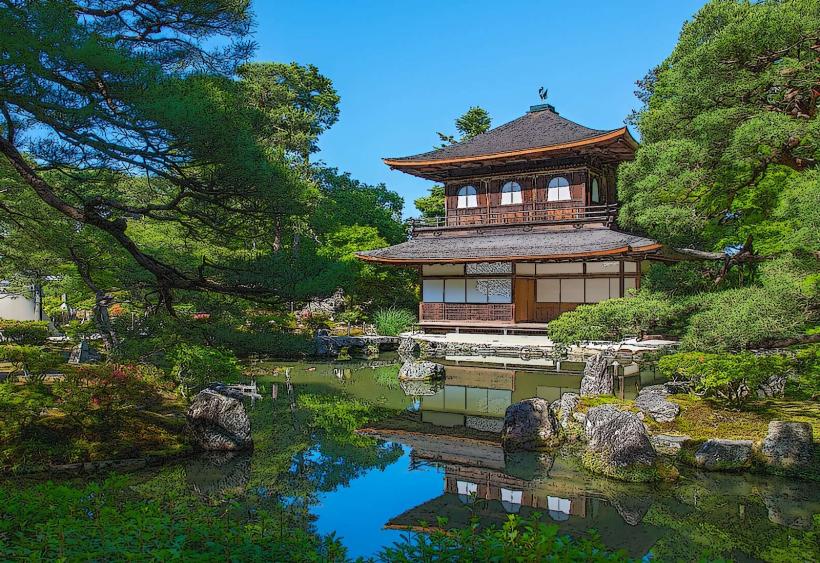
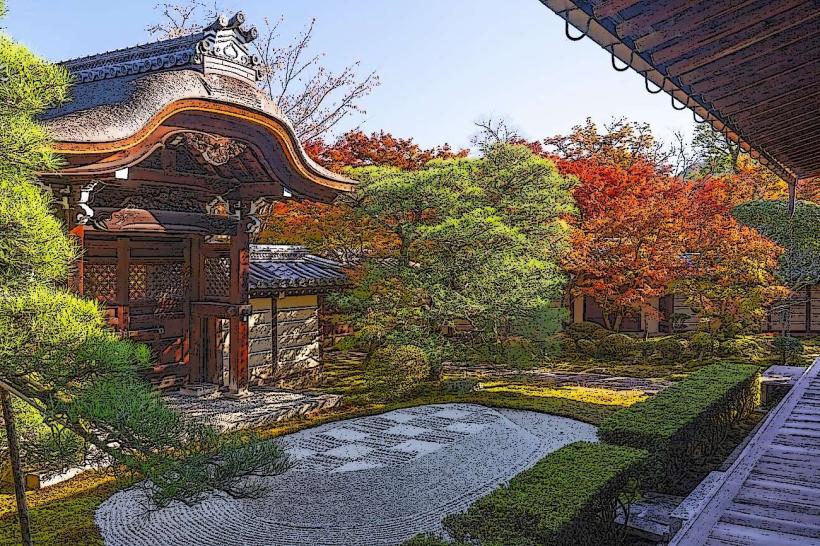
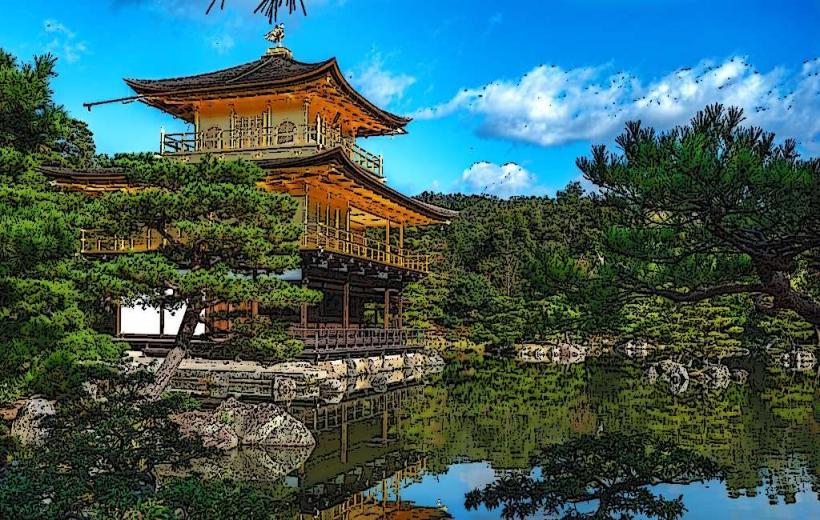
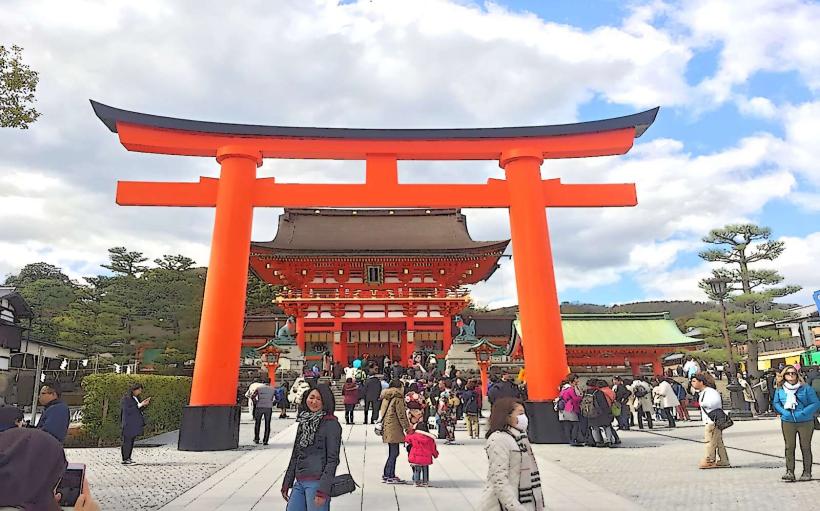
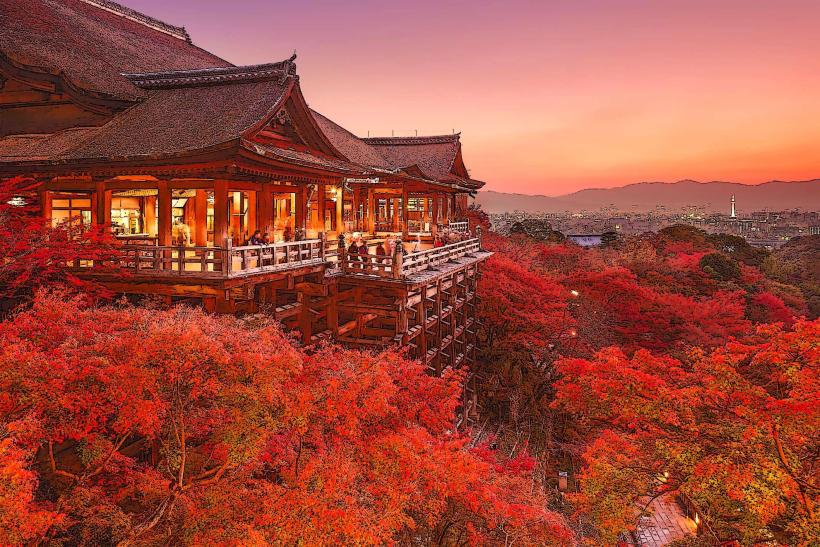
The shrine complex features a large, vermilion-painted main hall and a five-story pagoda. The buildings are constructed primarily of wood, with tiled roofs. The grounds include a large garden with a central pond, bridges, and various flora. The main gate, the Otorii, is one of the largest in Japan.
Location & Access Logistics
The Heian Shrine is situated approximately 3 kilometers east of Kyoto Station. Access is via Kyoto City Bus lines 5, 46, or 100, with the "Heian Jingu-mae" stop directly in front of the shrine. Parking is available on-site for a fee. The nearest subway station is Higashiyama Station on the Tozai Line, approximately a 10-minute walk away.
Historical & Ecological Origin
The Heian Shrine was built in 1895 to celebrate Kyoto's 1100th anniversary as the capital of Japan. It was designed by Chuta Ito and replicates the Imperial Palace of the Heian period (794-1185) on a two-thirds scale. The gardens were designed by Ogawa Jihei VII.
Key Highlights & Activities
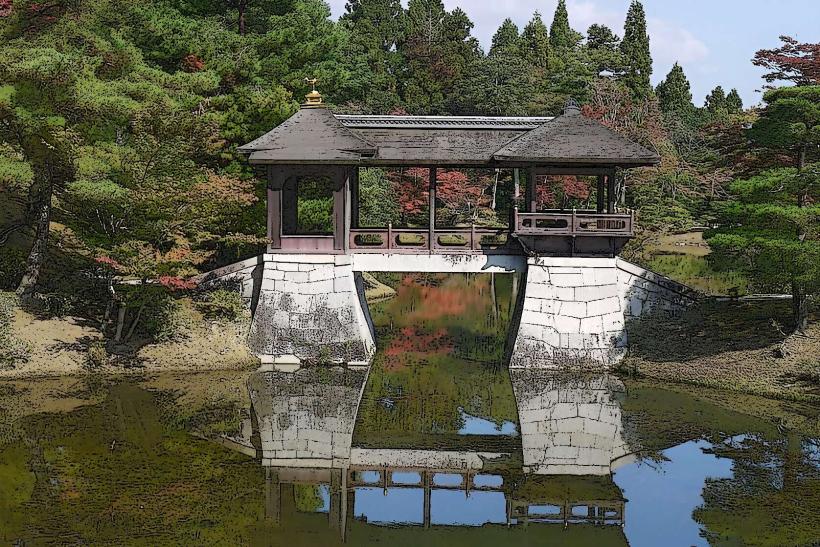
Visitors can explore the main shrine buildings, including the Daikyu-den (Great Thanksgiving Hall). The extensive gardens, divided into East, West, and North sections, are accessible via a separate entrance fee. The West Garden features a large pond with a central island and a traditional Japanese bridge. Photography of the architecture and gardens is permitted.
Infrastructure & Amenities
Restrooms are available within the shrine complex. Shaded areas are present in the gardens. Cell phone signal (4G/5G) is generally good within the grounds. Food vendors and small restaurants are located outside the main entrance and along the adjacent streets.
Best Time to Visit
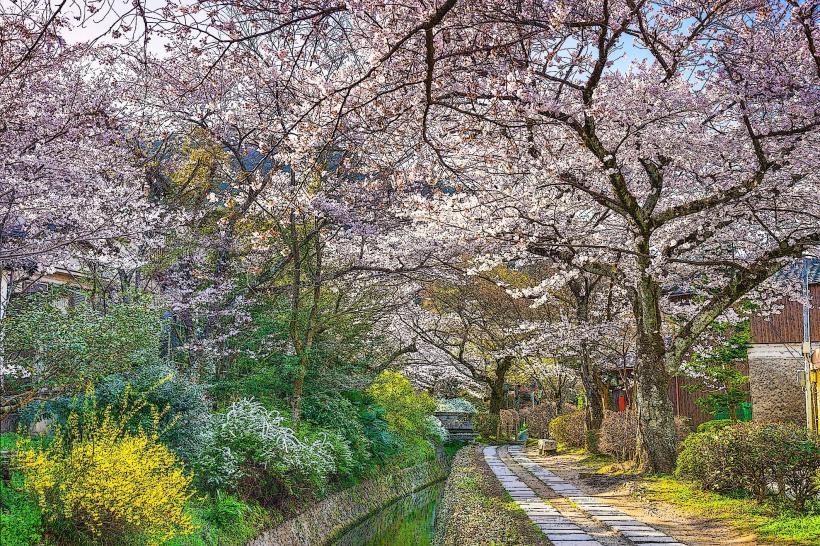
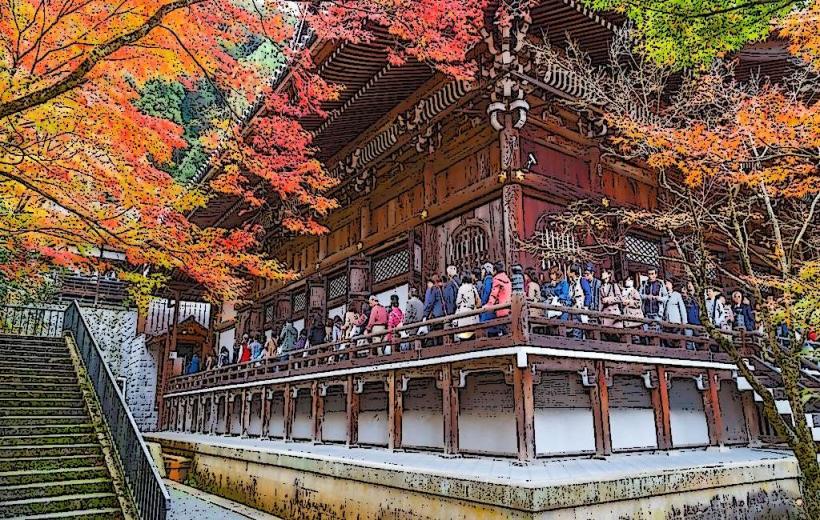
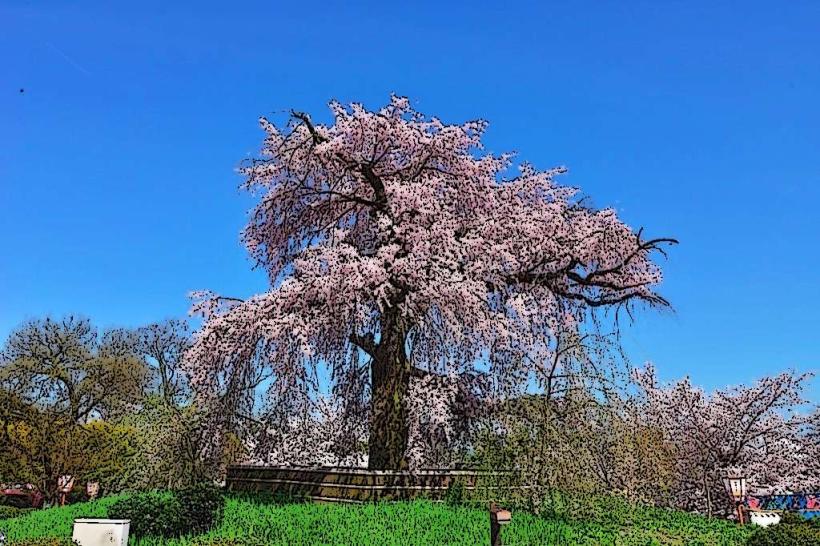
For optimal lighting for photography of the buildings, early morning or late afternoon is recommended. The gardens are particularly notable during cherry blossom season (late March to early April) and autumn foliage (mid-November). The shrine is open year-round.
Facts & Legends
A unique aspect of the Heian Shrine is that it houses the spirits of Emperor Kanmu, the first emperor to reign from Kyoto, and Emperor Komei, the last emperor to reign from Kyoto. The shrine's construction was a significant undertaking, involving the relocation of several existing buildings from the Heian period.
Nearby Landmarks
- Kyoto City KYOCERA Museum of Art (0.2km West)
- Nanzen-ji Temple (0.8km Southwest)
- Ginkaku-ji Temple (Silver Pavilion) (1.5km North)
- Eikan-do Zenrin-ji Temple (1.0km Southwest)
- Philosopher's Path (1.2km North)