Landmark: Elephanta Caves
City: Mumbai
Country: India
Continent: Asia
Elephanta Caves, Mumbai, India, Asia
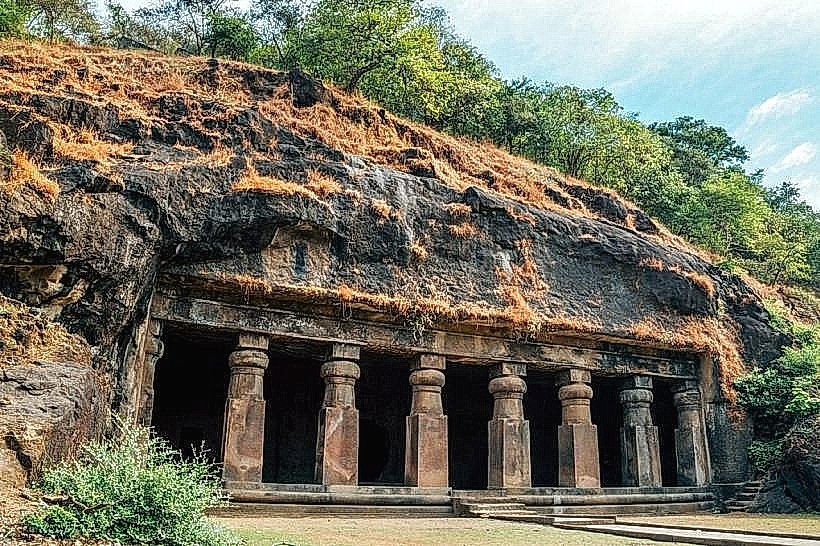
The Elephanta Caves are a collection of rock-cut caves located on Elephanta Island in Mumbai Harbor, India.
These caves primarily feature Hindu and Buddhist sculptures carved directly into basalt rock.
Visual Characteristics
The caves are carved from basalt rock, exhibiting a greyish-brown natural color. The primary cave, Cave 1, is the largest and most significant, featuring colossal pillars and intricate relief sculptures depicting scenes from Hindu mythology, particularly the life of Shiva. The architectural style is characterized by its rock-cut nature, with elements of ancient Indian temple architecture. The complex includes multiple caves, varying in size and preservation, with some featuring elaborate carvings and others more rudimentary structures.
Location & Access Logistics
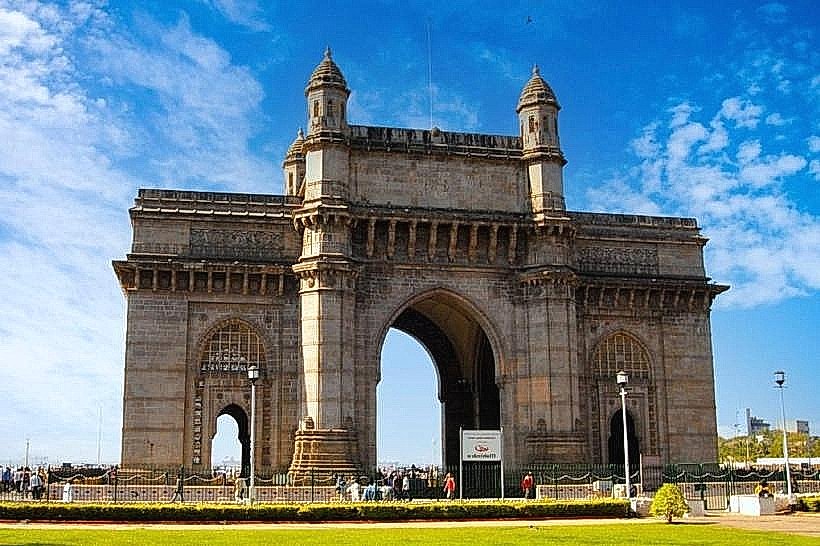
Elephanta Island is accessible via ferry from the Gateway of India in South Mumbai. Ferry services operate daily, with departures typically every 30 minutes to an hour, depending on the season and demand. The ferry journey takes approximately one hour. Upon arrival at Elephanta Island, visitors can reach the caves by walking approximately 150 meters uphill or by taking a short toy train ride (additional fee applies). There is no direct road access to the caves; private vehicles must be left in parking areas near the Gateway of India.
Historical & Ecological Origin
The Elephanta Caves are believed to have been carved between the 6th and 8th centuries CE. The exact builders and their specific purpose remain subjects of scholarly debate, but the prevailing theory attributes them to the Kalachuri dynasty. The primary purpose was religious, serving as Hindu temples and monasteries, with a strong emphasis on Shaivism. Ecologically, the island is composed of basalt rock, a volcanic igneous rock, which provided the medium for the extensive rock-cut architecture.
Key Highlights & Activities
Exploration of the main cave (Cave 1) to view the Trimurti sculpture, a three-headed representation of Shiva. Examination of the narrative relief panels depicting Shiva's cosmic dance (Nataraja) and his marriage to Parvati. Visiting the smaller caves, including those with Buddhist iconography. Photography is permitted within the complex. Walking the pathways connecting the various caves.
Infrastructure & Amenities
Restrooms are available near the ferry landing point on Elephanta Island. Limited shaded areas are present within the cave complex, primarily from the rock overhangs. Cell phone signal (4G/5G) is generally available on the island, though it can be intermittent within the caves themselves. Small food stalls and vendors selling water and snacks are located near the ferry terminal and the base of the caves.
Best Time to Visit
The best time of day for photography is generally in the morning, between 9:00 AM and 11:00 AM, or in the late afternoon, between 3:00 PM and 5:00 PM, to avoid harsh midday light and capture the sculptures with softer illumination. The best months to visit are from October to March, when the weather is cooler and drier. High tide is not a significant factor for accessing the caves, as the ferry service operates regardless.
Facts & Legends
The caves were named "Elephanta" by Portuguese sailors who discovered a large stone elephant statue near the entrance, which has since deteriorated. Local legend suggests that the caves were the site of a battle between Shiva and the demon Andhaka, with the sculptures depicting this conflict.
Nearby Landmarks
- Gateway of India (4km Southwest)
- Chhatrapati Shivaji Maharaj Vastu Sangrahalaya (Museum) (4.5km Southwest)
- Colaba Causeway (5km Southwest)
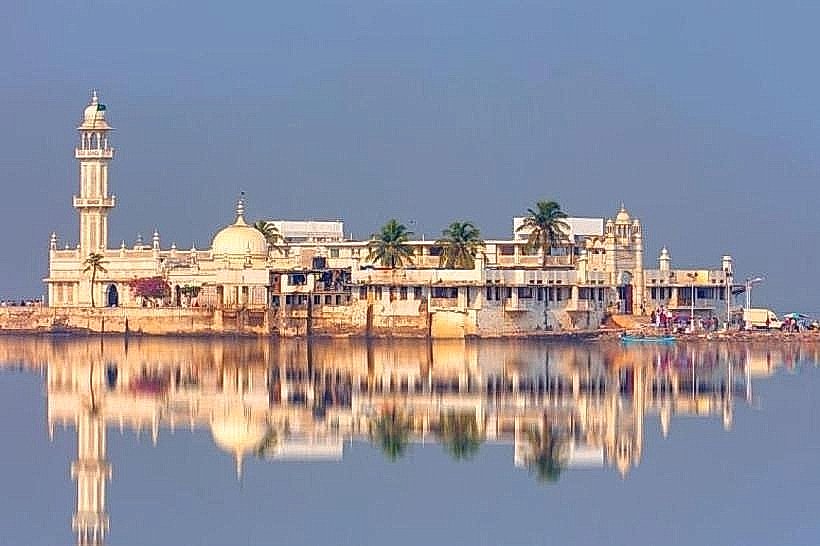
- Haji Ali Dargah (6km Southwest)