Landmark: Mani Bhavan
City: Mumbai
Country: India
Continent: Asia
Mani Bhavan, Mumbai, India, Asia
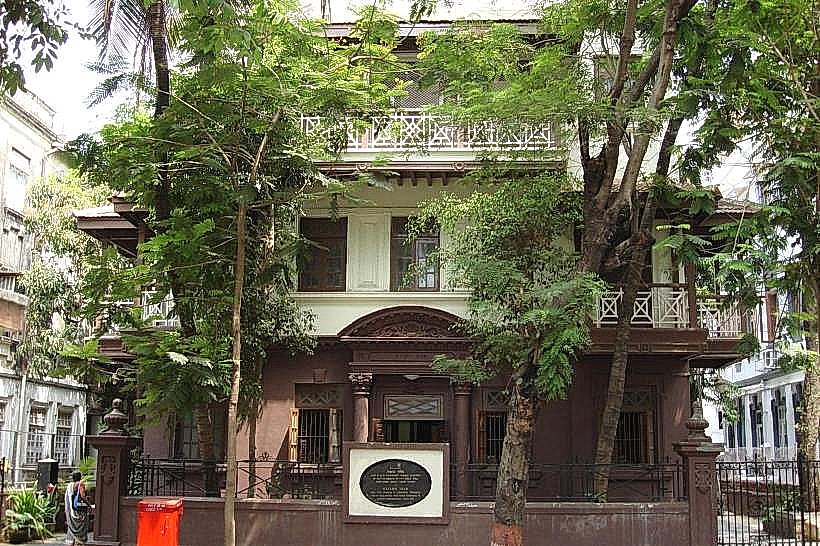
Mani Bhavan is a museum and former residence of Mahatma Gandhi located in the Gamdevi neighborhood of Mumbai, India.
It served as Gandhi's base of operations in Mumbai from 1917 to 1934.
Visual Characteristics
The building is a three-story structure constructed from red brick. It features a simple, functional architectural style with arched windows and a flat roof. The interior is organized into rooms displaying artifacts and photographs related to Gandhi's life and work.
Location & Access Logistics
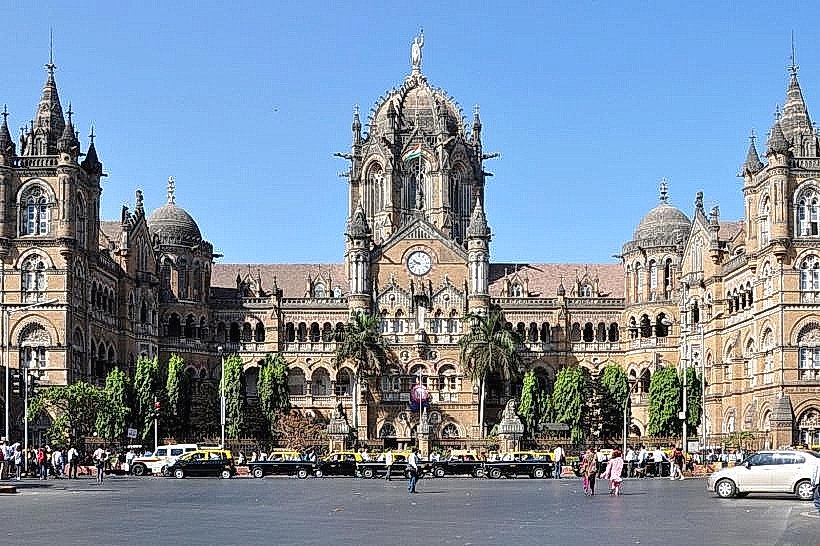
Mani Bhavan is situated at 19, Laburnum Road, Gamdevi, Mumbai. It is approximately 4 kilometers southwest of the Chhatrapati Shivaji Maharaj Terminus (CSMT) railway station. Access is via local roads; taxis and auto-rickshaws are readily available. The nearest local train station is Grant Road, about 1 kilometer east. Bus routes serving the Gamdevi area include 123, 168, and 212.
Historical & Ecological Origin
Mani Bhavan was originally a private residence owned by the wealthy Gujarati merchant Revashankar Jhaverbhai Mehta. Mahatma Gandhi resided here during his visits to Mumbai between 1917 and 1934. The building was converted into a museum and memorial in 1936.
Key Highlights & Activities
Visitors can view exhibits detailing Gandhi's life, including his personal belongings, photographs, and books. A library within the Bhavan houses a collection of works on Gandhi and related subjects. The room where Gandhi slept is preserved. Educational programs and lectures are occasionally held.
Infrastructure & Amenities
Restrooms are available on-site. Limited seating is provided within the exhibition areas. Cell phone signal (4G/5G) is generally available. No food vendors are located directly at Mani Bhavan; however, numerous small eateries and restaurants are present in the surrounding Gamdevi neighborhood.
Best Time to Visit
The best time to visit is during the morning or late afternoon to avoid the midday heat. The museum is open year-round, but weekdays generally have fewer visitors than weekends. The monsoon season (June to September) can bring heavy rainfall, potentially affecting travel.
Facts & Legends
A significant event that occurred at Mani Bhavan was the formulation of the Non-Cooperation Movement in 1920. It is also where Gandhi decided to launch the Civil Disobedience Movement in 1930.
Nearby Landmarks
- August Kranti Maidan (1.2km Southwest)
- Haji Ali Dargah (3.5km West)
- Dhobi Ghat (4.0km West)
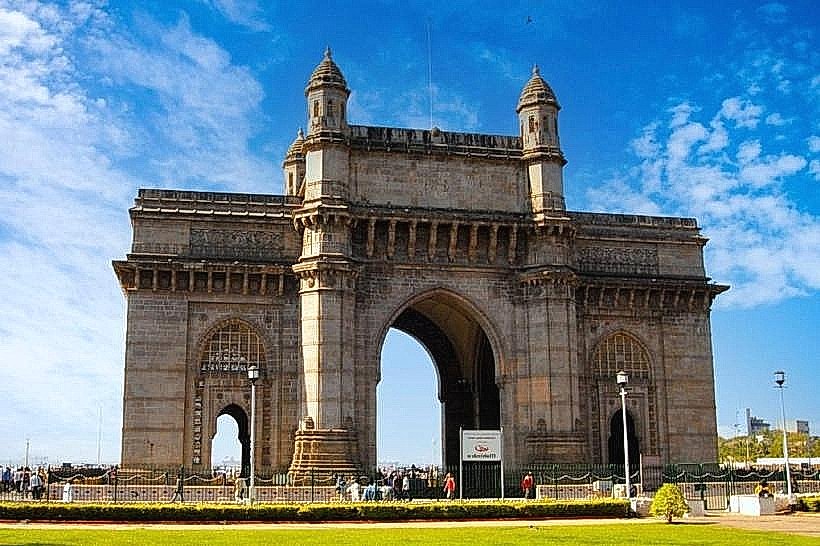
- Gateway of India (4.8km Southeast)
- Chhatrapati Shivaji Maharaj Vastu Sangrahalaya (Museum) (4.5km Southeast)