Information
Landmark: Ewaso Ng'iro RiverCity: Isiolo
Country: Kenya
Continent: Africa
Ewaso Ng'iro River, Isiolo, Kenya, Africa
The Ewaso Ng'iro River is a river in northern Kenya, originating in the Aberdare Range and flowing eastwards through arid regions. It is a vital water source for wildlife and local communities in the arid northern region of Kenya.
Visual Characteristics
The river's appearance varies seasonally. During the dry season, it can be reduced to a series of pools and trickles, with exposed sandbanks. In the wet season, it becomes a wider, faster-flowing body of water, often with a muddy brown color due to sediment. The surrounding vegetation is typically sparse, consisting of acacia trees and dry grasses, with denser riverine vegetation along its banks.
Location & Access Logistics
The Ewaso Ng'iro River flows through Isiolo County, Kenya. Access points are numerous along its course. From Isiolo town, travel east on the A2 road for approximately 30 kilometers to reach areas along the river. Unpaved tracks branch off the A2, providing access to specific river sections. Parking is generally available on the banks in designated areas, though it is informal. Public transport to Isiolo town is available via bus services from major Kenyan cities like Nairobi. From Isiolo, local matatus (minibuses) or private hire vehicles can be used to reach river access points.
Historical & Ecological Origin
The Ewaso Ng'iro River is an endorheic river, meaning it does not reach the sea. It flows into the Lorian Swamp and eventually disappears into the Chalbi Desert. Its origin is in the highlands of the Aberdare Range, where it is fed by rainfall. Ecologically, it is classified as a vital river system supporting a semi-arid ecosystem, crucial for the survival of numerous animal species and pastoralist communities.
Key Highlights & Activities
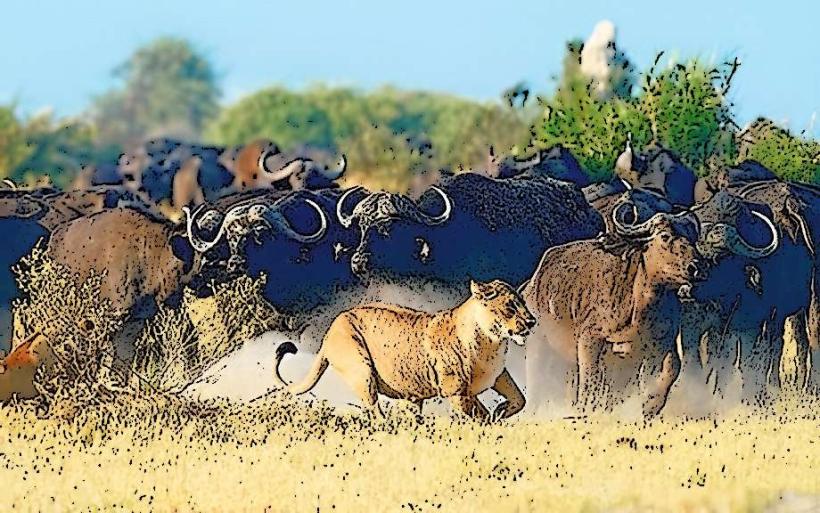
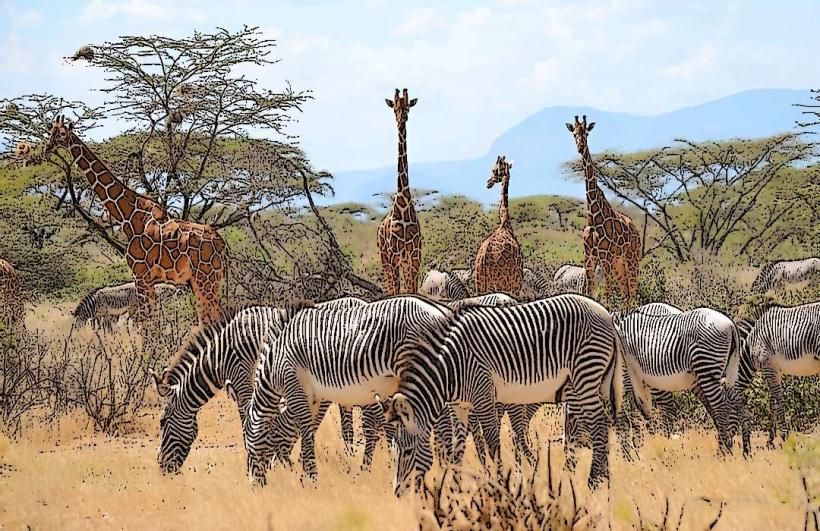
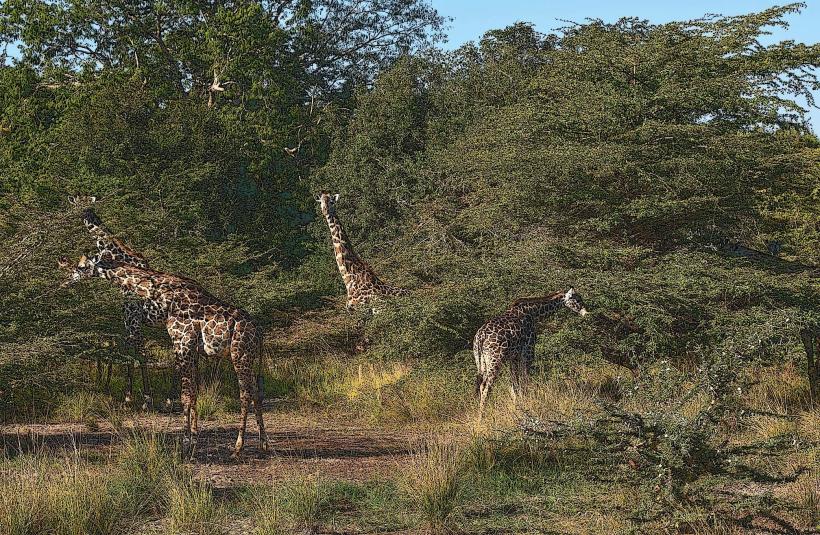
Wildlife viewing is a primary activity, with opportunities to observe elephants, lions, reticulated giraffes, zebras, and various bird species, particularly during the dry season when animals congregate at water sources. Guided game drives are available in conservancies along the river. Birdwatching is also a significant activity. Cultural visits to Samburu and Borana communities can be arranged.
Infrastructure & Amenities
Basic amenities are limited. Some lodges and conservancies along the river offer accommodation, restaurants, and guided tours. Public restrooms are generally not available outside of lodges or designated conservancy areas. Shade is provided by acacia trees along the riverbanks. Cell phone signal can be intermittent, with 4G/5G coverage being unreliable in remote sections.
Best Time to Visit
The best time for wildlife viewing is during the dry season, from June to October, when animals are concentrated around the river. The early morning (6:00 AM - 9:00 AM) and late afternoon (4:00 PM - 6:30 PM) offer optimal lighting for photography due to softer light and increased animal activity. There are no specific tide requirements as it is a river.
Facts & Legends
The Ewaso Ng'iro River is known as the "River of Brown Water" due to the high sediment content carried from the highlands. A local legend among the Samburu people speaks of the river being a gift from the gods, providing life to the otherwise barren landscape.
Nearby Landmarks
- Samburu National Reserve (15km Northwest)
- Buffalo Springs National Reserve (20km West)
- Shaba National Reserve (35km East)
- Lorian Swamp (80km East)