Landmark: Fatehpur Sikri
City: Agra
Country: India
Continent: Asia
Fatehpur Sikri, Agra, India, Asia
Fatehpur Sikri is a historical city located approximately 40 kilometers west of Agra, India. It served as the capital of the Mughal Empire under Emperor Akbar.
Visual Characteristics
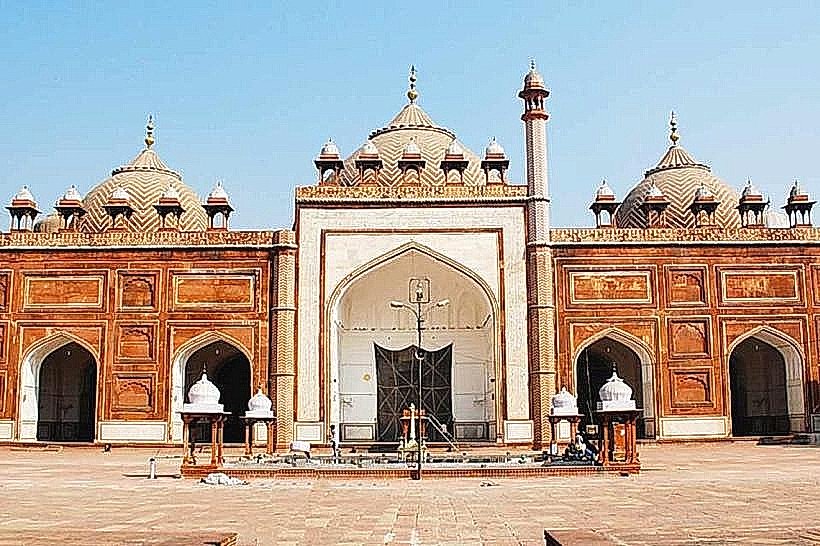
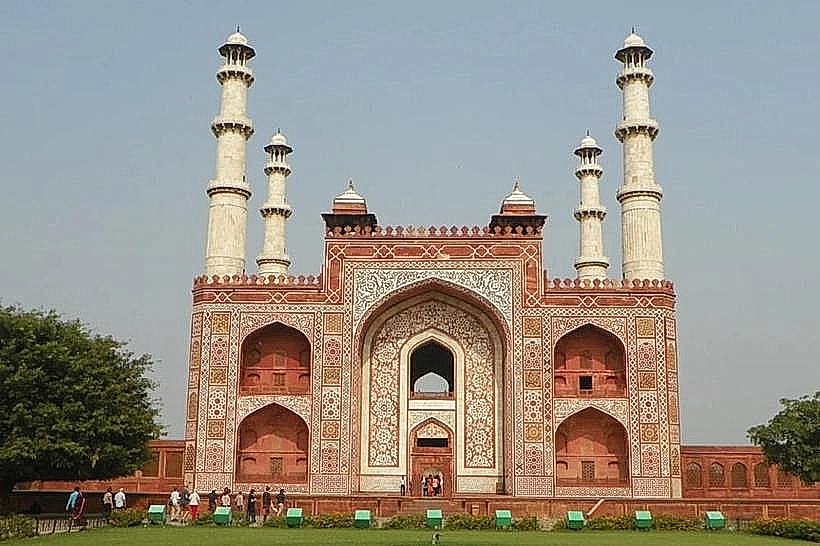
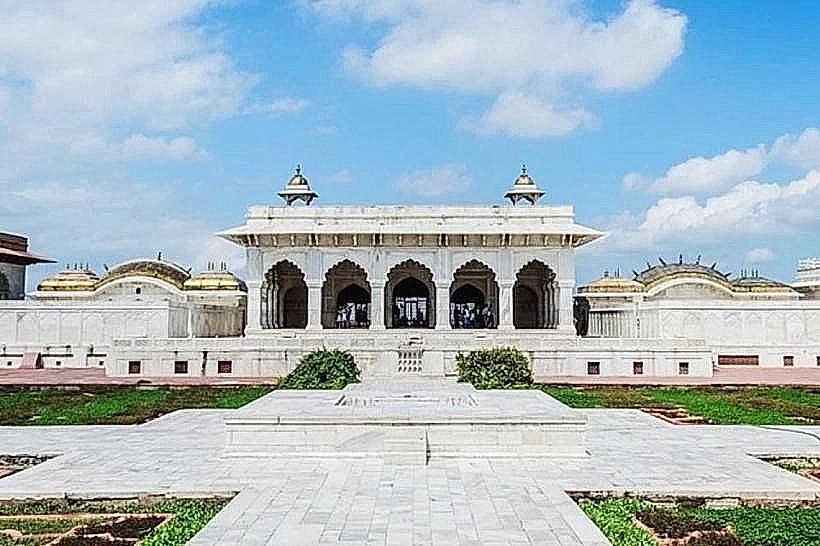
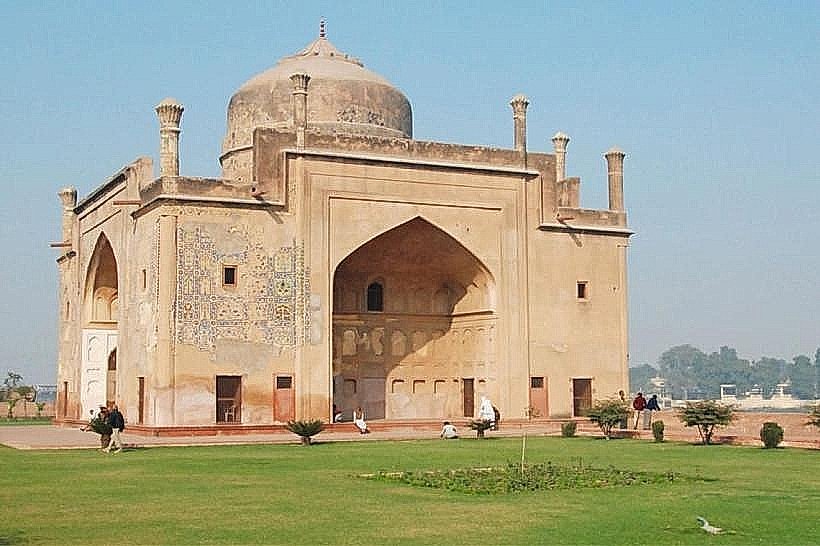
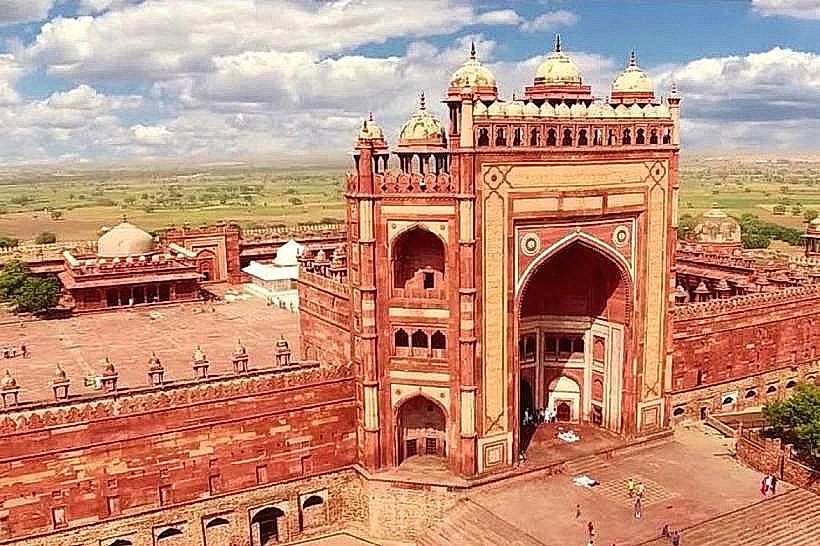
The city is constructed primarily from red sandstone, giving it a uniform reddish-brown hue. Key structures include the Buland Darwaza, a monumental gateway; the Jama Masjid, a large mosque; and various palaces and courtyards such as the Panch Mahal and Diwan-i-Khas. Architectural styles blend Persian, Indian, and Islamic influences, characterized by intricate carvings, arches, and domes.
Location & Access Logistics
Fatehpur Sikri is accessible via National Highway 21 (NH 21), also known as the Agra-Jaipur Road. The distance from Agra's city center is approximately 40 kilometers. Parking is available at designated lots outside the main complex. Public transport options include regular bus services from Agra's Idgah Bus Stand to Fatehpur Sikri. Auto-rickshaws and taxis are also available.
Historical & Ecological Origin
Construction of Fatehpur Sikri began in 1571 and was completed around 1585. It was commissioned by Emperor Akbar and designed by various architects under his supervision. The city was intended to be the new capital of the Mughal Empire, but was abandoned due to water scarcity. The site is situated on a rocky outcrop.
Key Highlights & Activities
Visitors can explore the Buland Darwaza, ascend its steps for a panoramic view. The Jama Masjid offers architectural observation. The Panch Mahal, a five-story pavilion, is notable for its tiered structure. The Diwan-i-Khas, or Hall of Private Audience, features a central pillar. Guided tours are available, providing historical context.
Infrastructure & Amenities
Restrooms are located within the complex. Shade is available in covered areas and under some trees. Cell phone signal (4G/5G) is generally available. Food vendors and small shops are situated outside the main entrance to the complex, offering snacks and beverages.
Best Time to Visit
The best time of day for photography is during the early morning or late afternoon when the red sandstone is illuminated by softer light. The optimal months for visiting are from October to March, avoiding the intense heat of summer and the monsoon season. There are no tide-related considerations.
Facts & Legends
A local legend states that barren women who tie a thread around the tomb of Sufi saint Salim Chishti within the Jama Masjid complex are blessed with children. The city's abandonment is attributed to a combination of water shortage and political considerations, rather than a single catastrophic event.