Landmark: Jama Masjid of Agra
City: Agra
Country: India
Continent: Asia
Jama Masjid of Agra, Agra, India, Asia
The Jama Masjid of Agra is a large congregational mosque located in Agra, India.
It was constructed in the 17th century and serves as a significant religious site.
Visual Characteristics
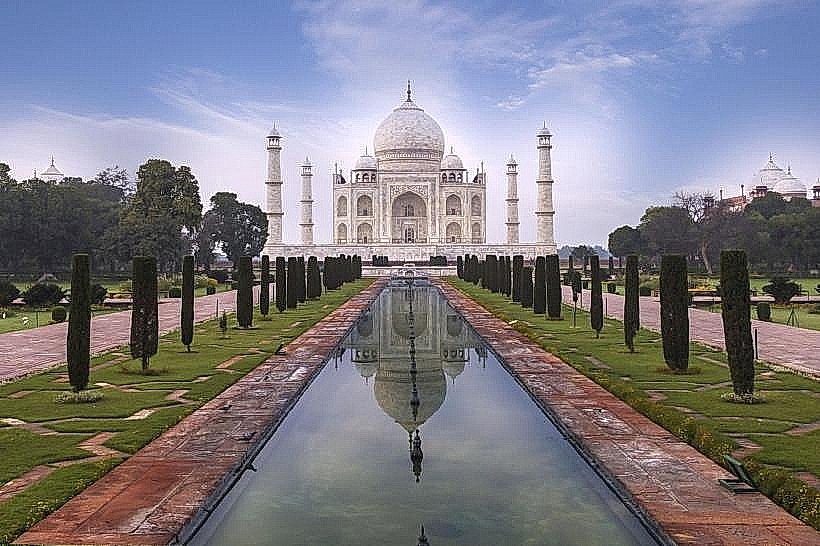
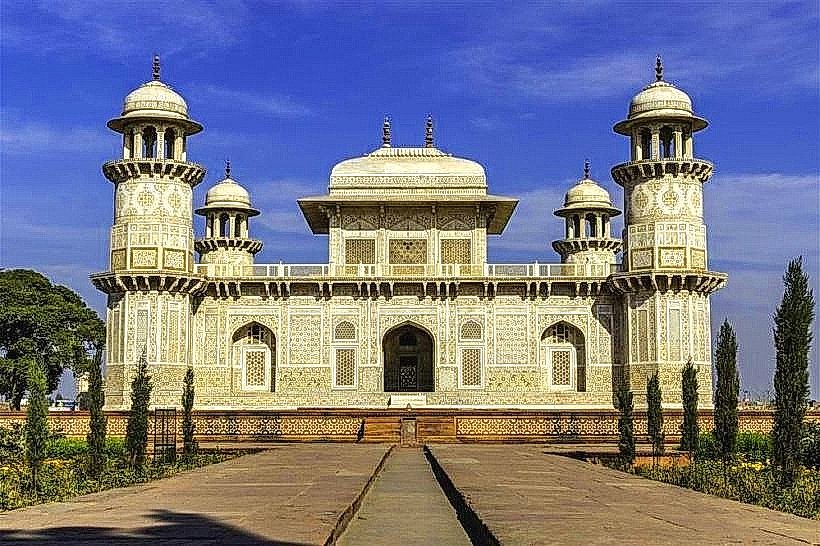
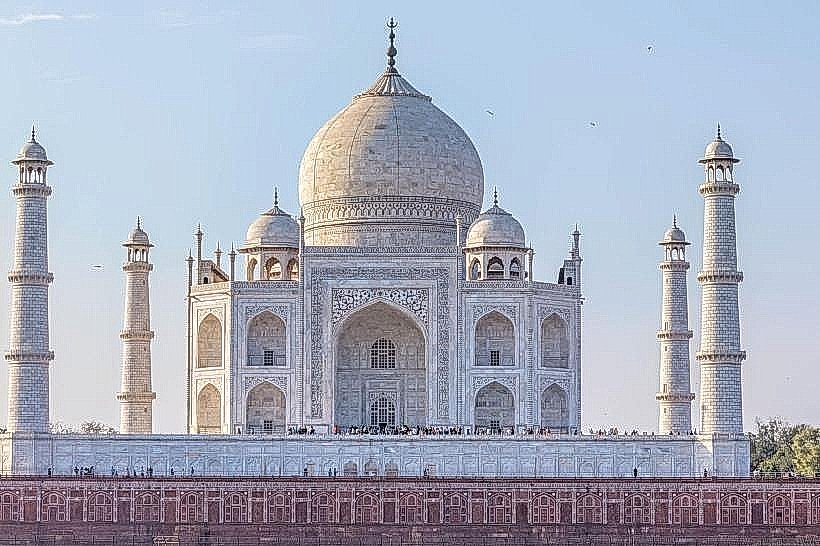
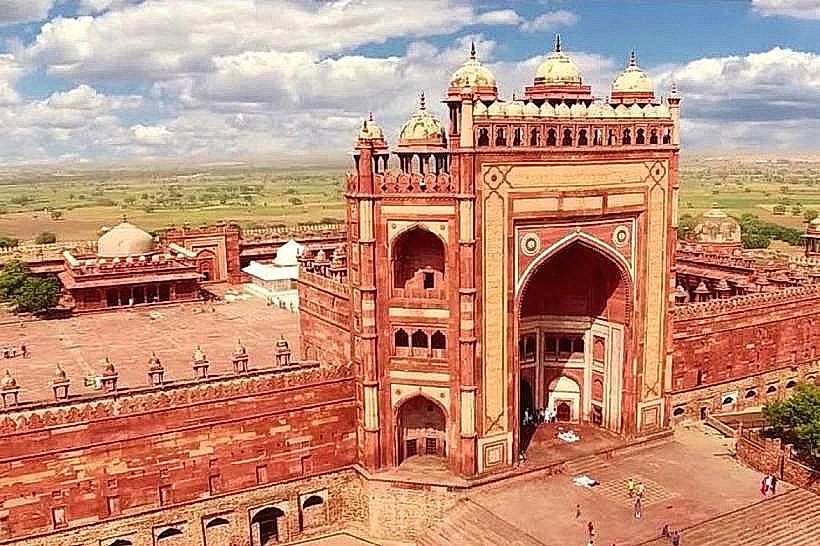
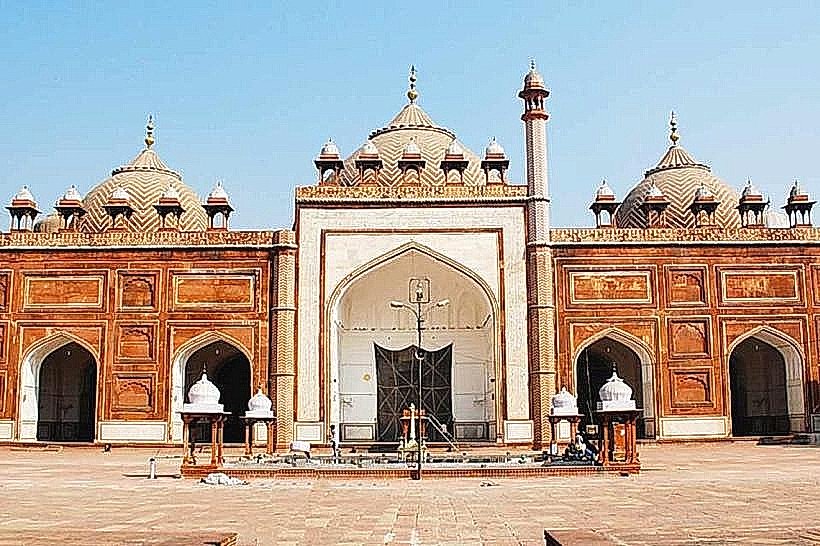
The mosque is constructed primarily from red sandstone, with white marble used for decorative elements and domes. It features a large central courtyard, measuring approximately 100 meters by 80 meters. The main prayer hall is a long, rectangular structure with a series of arches and domes. The facade is adorned with intricate carvings and calligraphy. The central dome is flanked by two smaller domes, and minarets rise from the corners of the courtyard.
Location & Access Logistics
The Jama Masjid is situated in the heart of Agra, approximately 1.5 kilometers southwest of the Agra Fort. Access is via the Mehtab Bagh Road, which connects to the main city thoroughfares. Parking is available in designated areas near the mosque, though it can be limited during peak hours. Public transport options include auto-rickshaws and cycle-rickshaws from various points in the city. The nearest major bus station is Idgah Bus Stand, approximately 3 kilometers away.
Historical & Ecological Origin
Construction of the Jama Masjid began in 1644 and was completed in 1648. It was commissioned by the Mughal Emperor Shah Jahan and built by his daughter, Jahanara Begum. The mosque was intended to serve as a congregational prayer site for the residents of Agra and was designed to accommodate a large number of worshippers.
Key Highlights & Activities
Visitors can explore the expansive central courtyard. The main prayer hall is accessible for observation outside of prayer times. Photography is permitted within the complex. Observing the architectural details and calligraphy is a primary activity.
Infrastructure & Amenities
Restrooms are available within the mosque complex. Shade is provided by the arcades surrounding the courtyard and the prayer hall itself. Cell phone signal (4G/5G) is generally available. Food vendors are located in the vicinity outside the mosque premises.
Best Time to Visit
The best time of day for photography is in the early morning or late afternoon when the sunlight casts long shadows and highlights the sandstone. The optimal months for visiting are from October to March, when the weather is cooler and drier. There are no specific tide requirements for visiting.
Facts & Legends
A unique feature of the Jama Masjid is its gateway, which is said to have been salvaged from the nearby Agra Fort. Local lore suggests that the mosque was built to commemorate the death of Shah Jahan's favorite daughter, though historical records indicate it was commissioned by Jahanara Begum herself.
Nearby Landmarks
- Agra Fort (1.5km Northeast)
- Mehtab Bagh (2.0km East)
- Sikandra Tomb (8.0km Northwest)
- Itmad-ud-Daulah's Tomb (3.5km North)