Landmark: Fort of Beira (Fortaleza de São Caetano de Sofala)
City: Beira
Country: Mozambique
Continent: Africa
Fort of Beira (Fortaleza de São Caetano de Sofala), Beira, Mozambique, Africa
The Fort of Beira, also known as Fortaleza de São Caetano de Sofala, is a historical fortification situated in the city of Beira, Mozambique.
Visual Characteristics
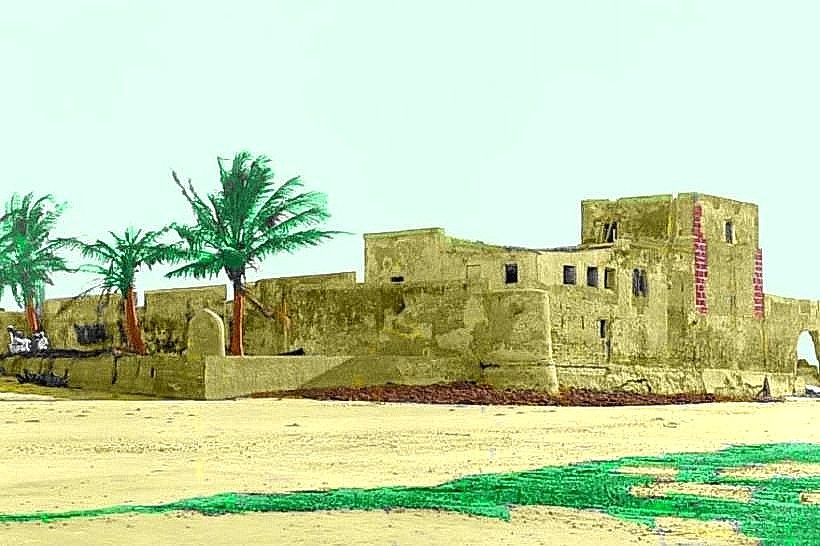
The fort is constructed primarily from coral stone and limestone, exhibiting a weathered, pale grey exterior. It features thick, defensive walls with crenellations and bastions. The structure is roughly rectangular with an internal courtyard. Its current state shows signs of erosion and partial ruin, with vegetation encroaching on some sections.
Location & Access Logistics
The fort is located on the southern edge of Beira, approximately 3 kilometers south of the city center. Access is via Avenida Marginal. Parking is available on-site, though it is unpaved. Public transport options are limited; local minibuses (chapas) serving the southern routes may pass nearby, requiring a short walk to the entrance. The nearest major road is Avenida Marginal.
Historical & Ecological Origin
Construction of the Fort of Beira began in 1767 and was completed in 1781. It was built by the Portuguese colonial administration under the command of Governor Francisco de Mello da Cunha. Its original purpose was to defend the port of Sofala and the surrounding Portuguese territories from potential attacks by rival European powers and local adversaries.
Key Highlights & Activities
Exploration of the fort's ramparts and interior courtyards is possible. Visitors can observe the architectural remnants of its defensive design. Photography of the stonework and the coastal views from the upper levels is a common activity. No guided tours are currently offered.
Infrastructure & Amenities
There are no formal amenities within the fort. Restrooms are not available. Shade is minimal, primarily provided by the fort's remaining structures. Cell phone signal (4G/5G) is generally available. No food vendors are present at the fort itself; options are available in the city center.
Best Time to Visit
The best time of day for photography is late afternoon, when the sun angle provides favorable lighting on the stone structures. The dry season, from May to October, offers the most pleasant weather conditions with lower humidity and less rainfall. There are no tidal considerations for access.
Facts & Legends
A local legend suggests that during its construction, workers discovered a hidden cache of gold coins within the coral stone, though this remains unverified. The fort was strategically important for controlling trade routes along the coast.
Nearby Landmarks
- Praia do Macuti (0.8km North-West)
- Beira Cathedral (3.2km North)
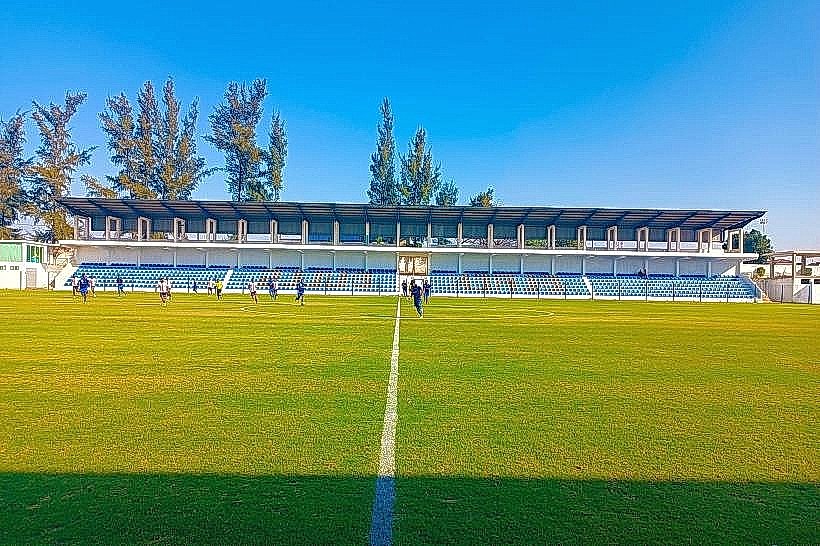
- Estádio Municipal de Beira (3.5km North)
- Museu de Terras de Sofala (4.0km North)