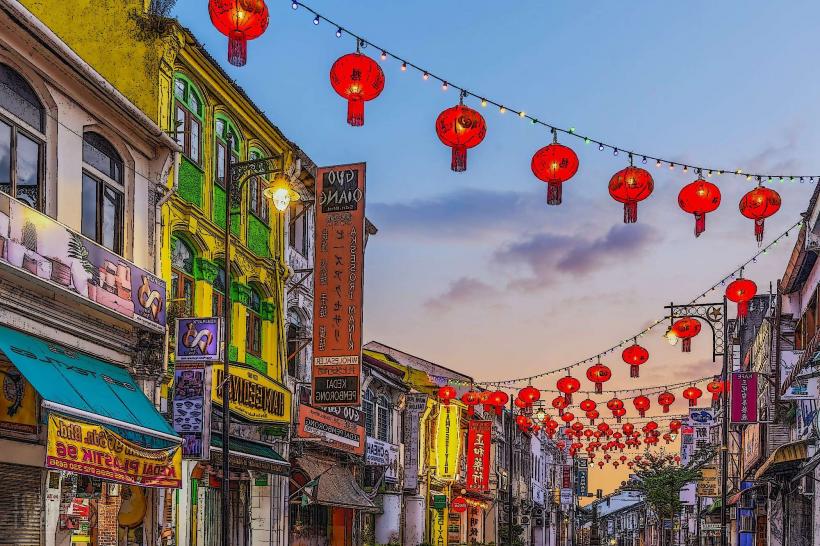
Landmark: George Town UNESCO World Heritage Site
City: George Town
Country: Malaysia
Continent: Asia
George Town UNESCO World Heritage Site, George Town, Malaysia, Asia
George Town UNESCO World Heritage Site is a cultural and historical urban area located on the northeastern coast of Penang Island, Malaysia.
This designation encompasses the historic core of George Town, recognized for its unique multicultural heritage and well-preserved colonial architecture.
Visual Characteristics
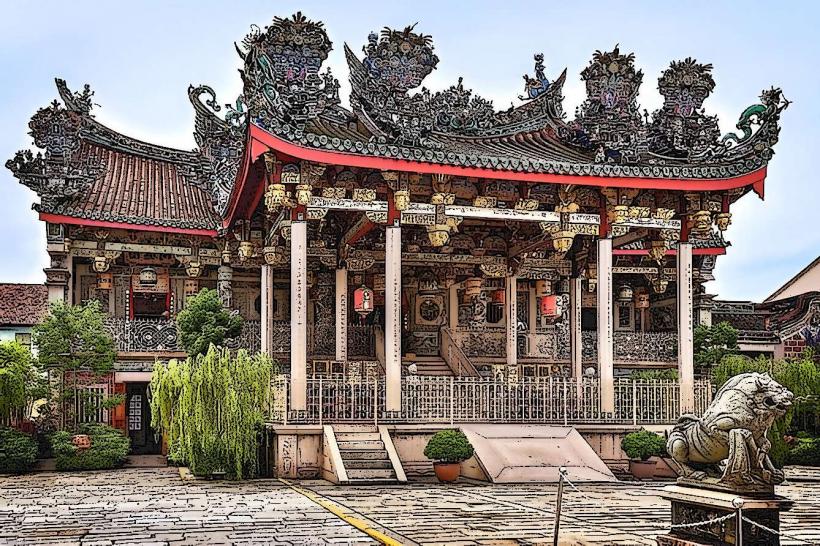
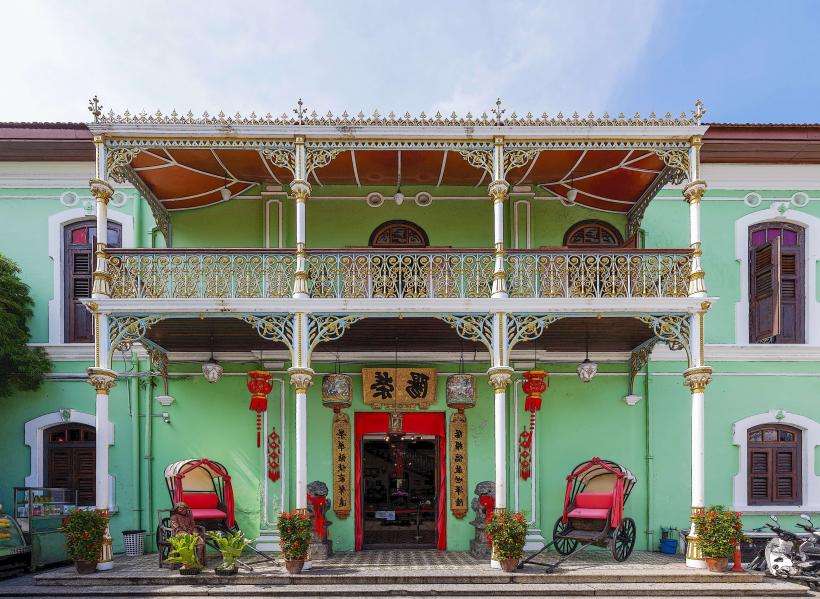
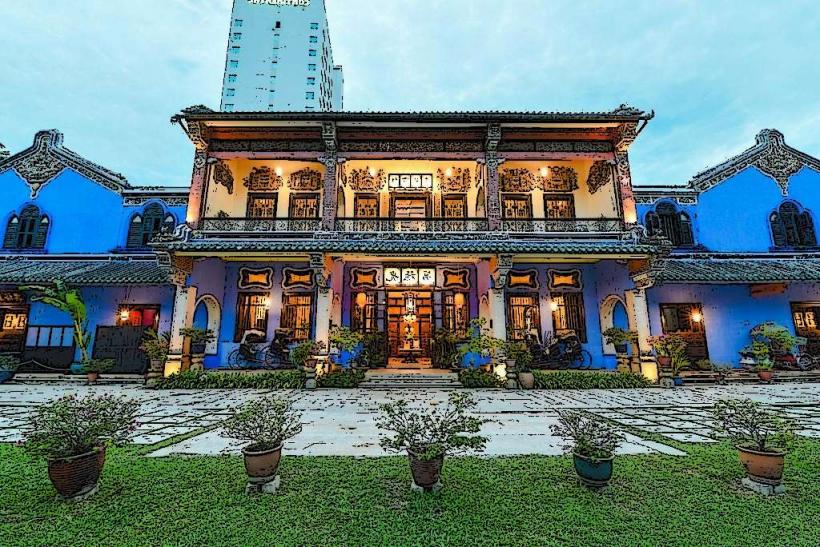
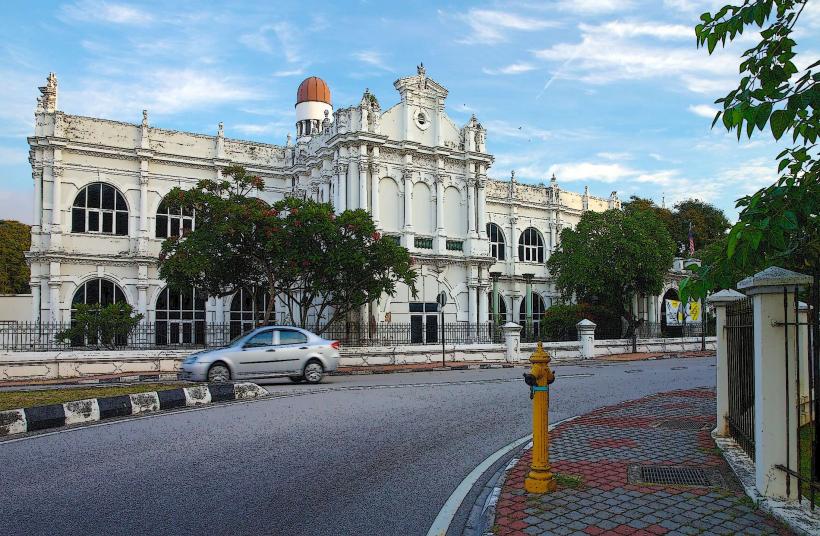
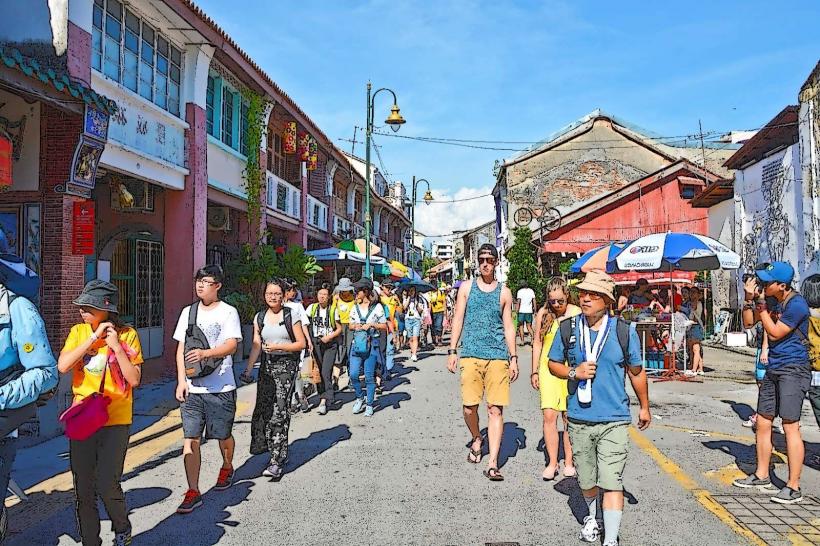
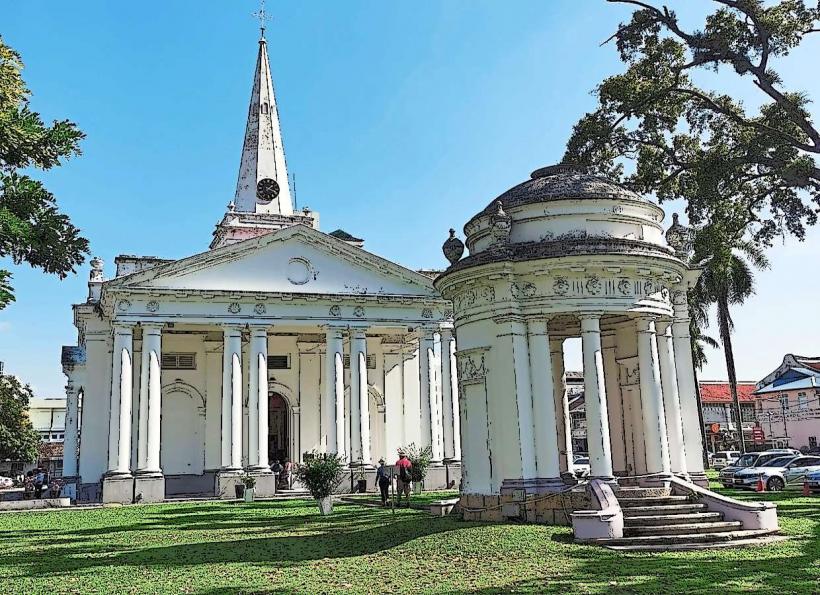
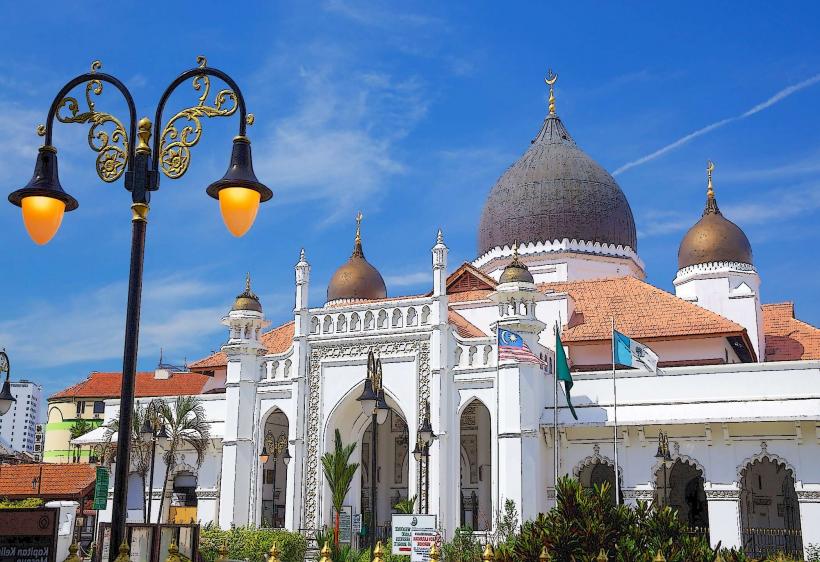
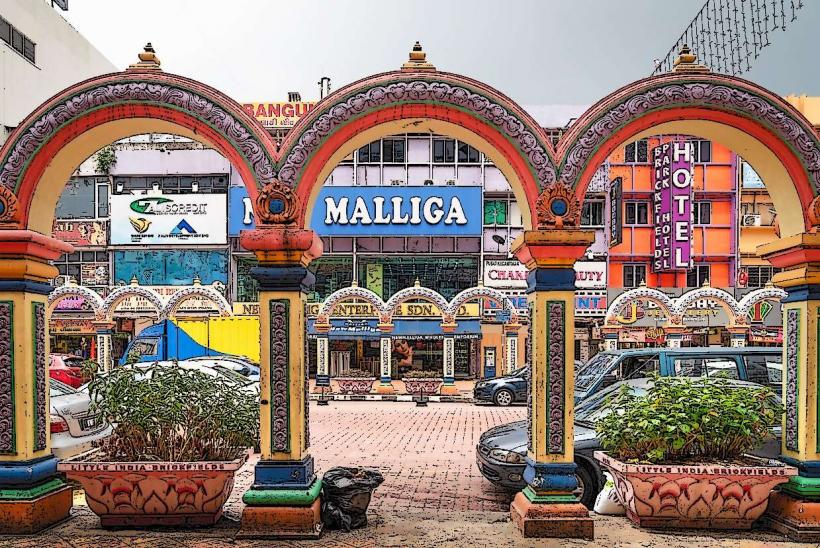
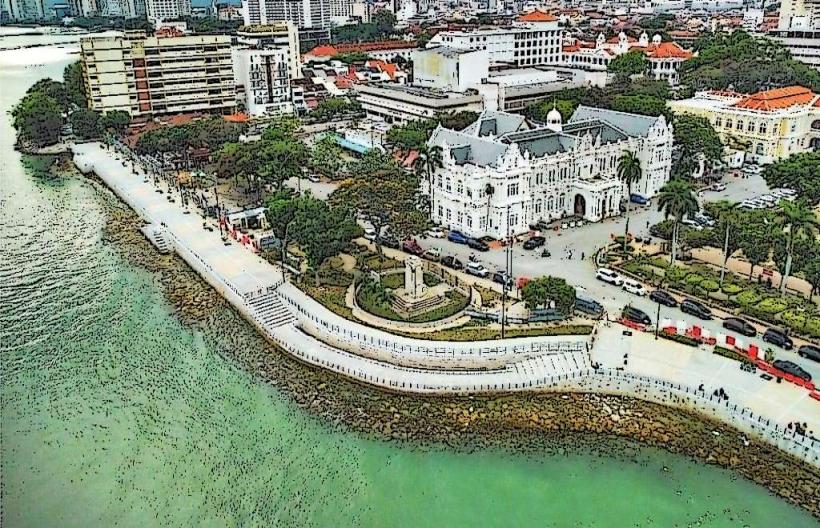
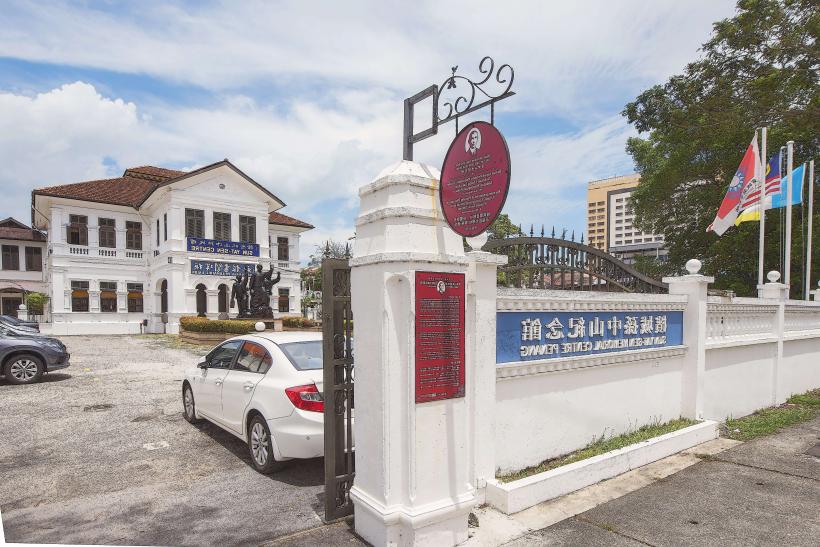
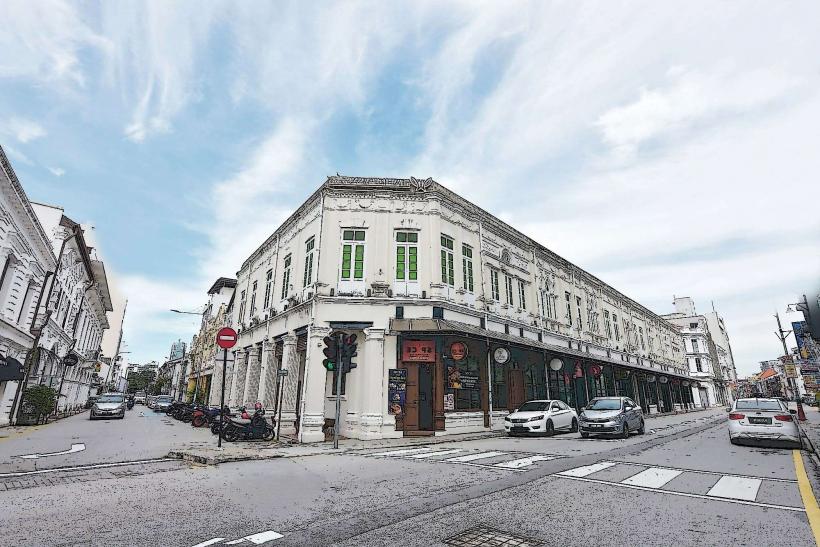
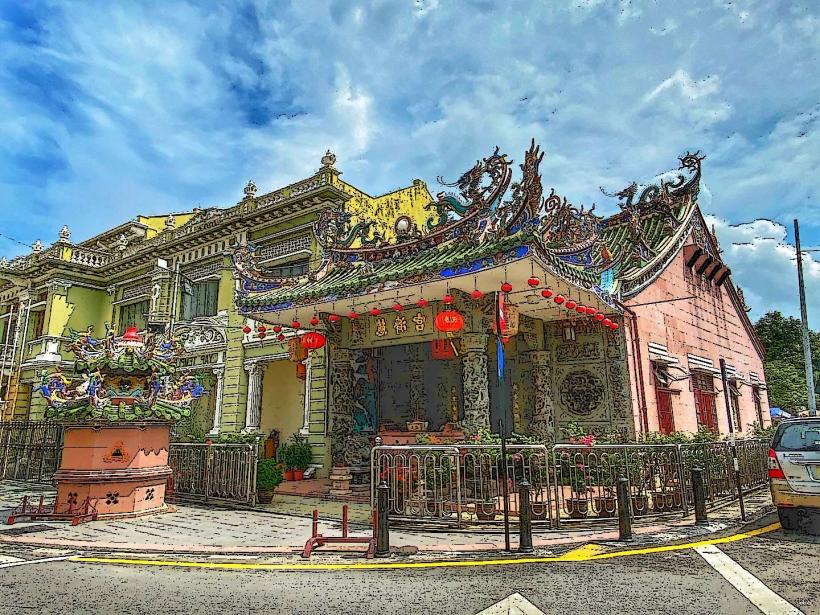
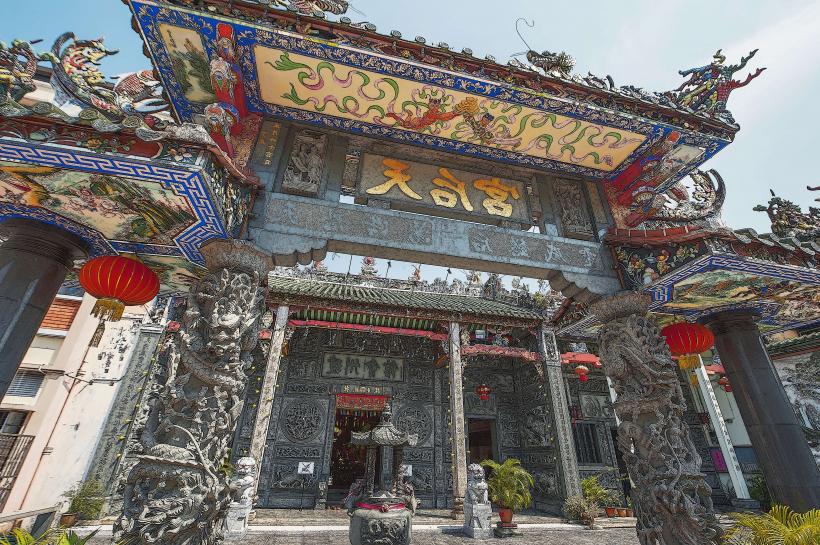
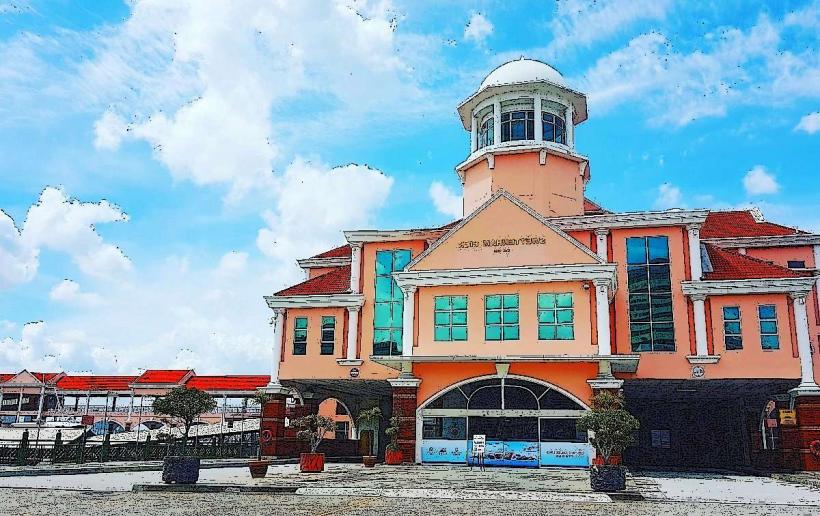
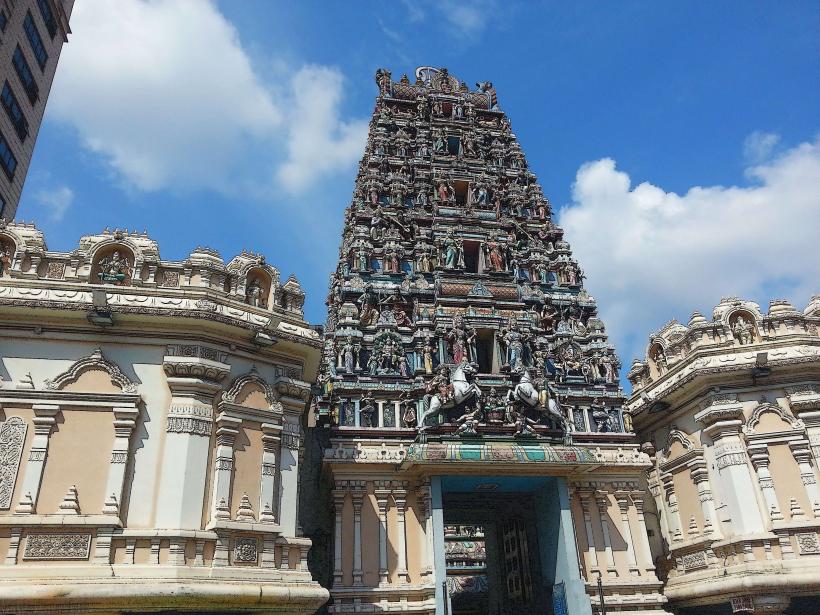
The site features a dense urban fabric characterized by a mix of colonial-era buildings, traditional shophouses, clan houses, and religious structures. Architectural styles include British colonial, Chinese vernacular, and Straits Chinese (Peranakan) influences. Building materials commonly consist of brick, plaster, and timber, with many structures painted in pastel hues or natural earth tones. Rooflines are often tiled, with decorative elements visible on many facades. The streetscape is defined by narrow lanes and wider avenues.
Location & Access Logistics
George Town is situated on Penang Island, accessible via the Penang Bridge and the Sultan Abdul Halim Muadzam Shah Bridge. The historic core is located approximately 15 kilometers from Penang International Airport (PEN). Within George Town, the UNESCO site is centrally located. Parking is available in multi-story car parks such as the one at Komtar or along designated street parking zones, though availability can be limited. Public transport includes numerous local bus routes (e.g., Rapid Penang lines 101, 102, 103, 104, 201, 202, 203, 204, 206, 301, 302, 304, 401, 401E) serving the area. The free CAT (Central Area Transit) shuttle bus also operates within the heritage zone.
Historical & Ecological Origin
George Town was founded in 1786 by Captain Francis Light of the British East India Company as a trading post. It served as the capital of the Straits Settlements and developed into a major port and multicultural hub. The site's origin is rooted in colonial expansion and the subsequent influx of traders and migrants from China, India, and the Malay Archipelago, leading to a unique fusion of cultures and architectural styles.
Key Highlights & Activities
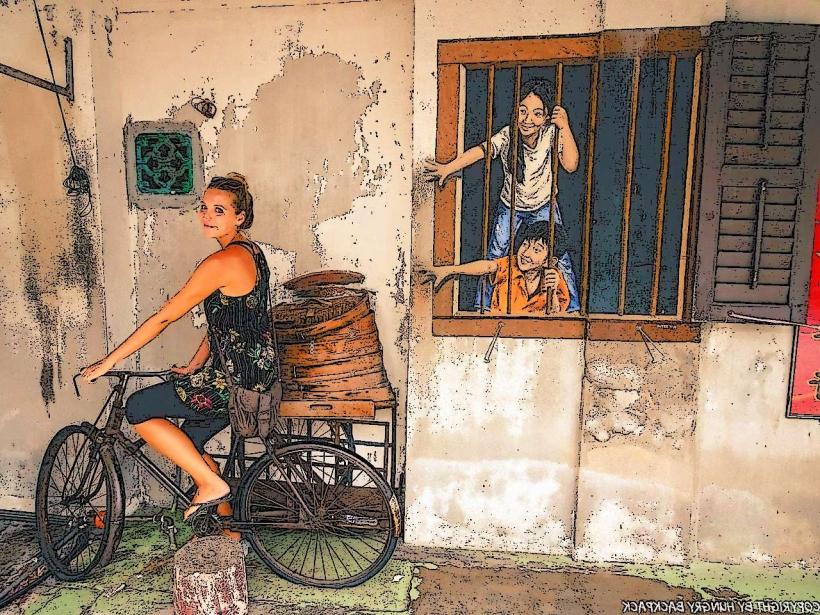
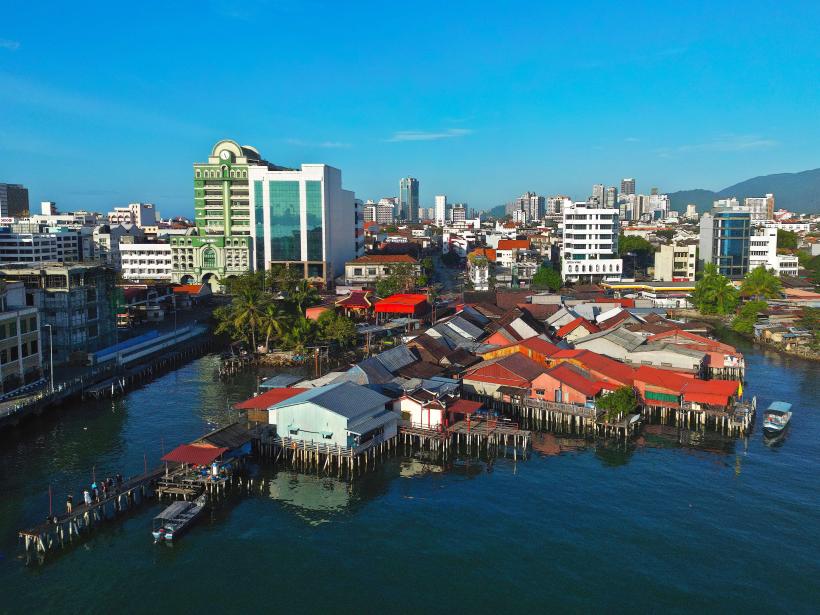
Exploration of street art murals by Ernest Zacharevic and others is a primary activity. Visiting historical clan houses such as Khoo Kongsi and Tan Clan Jetty is recommended. Architectural appreciation of colonial buildings like the Town Hall and the former Supreme Court is possible. Sampling local cuisine at hawker centers and heritage restaurants is a significant draw. Guided walking tours focusing on history, architecture, or food are available.
Infrastructure & Amenities
Restrooms are available in public buildings, museums, and many food establishments. Shade is provided by building overhangs and trees along some streets. Cell phone signal (4G/5G) is generally strong throughout the area. Numerous food vendors, cafes, and restaurants are located within the heritage zone.
Best Time to Visit
The best time of day for photography is generally early morning or late afternoon to avoid harsh midday light and capture softer shadows. The driest months are typically from December to March, though rain can occur year-round. Humidity is consistently high.
Facts & Legends
A notable historical oddity is the presence of numerous Clan Jetties, wooden piers built over the water by Chinese immigrant communities, each representing a different surname. These structures have existed for over a century and continue to house residents.
Nearby Landmarks
- Kek Lok Si Temple (3.5km Southwest)
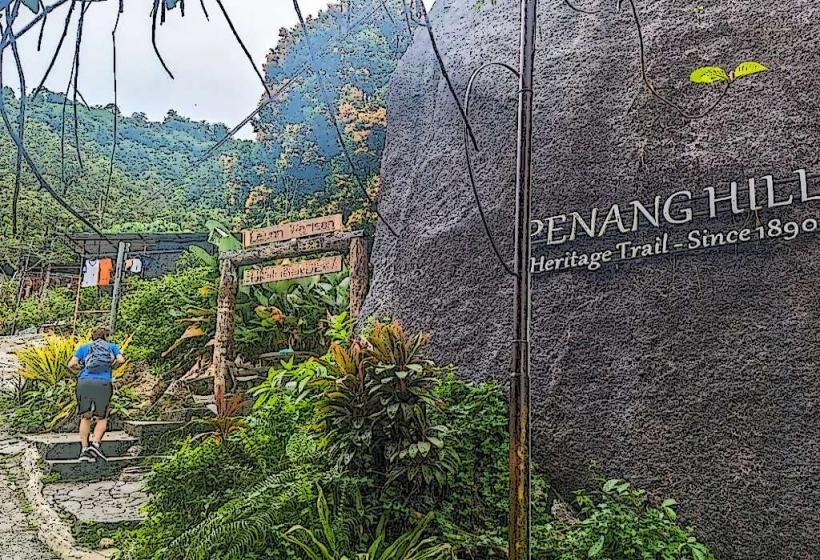
- Penang Hill (4.0km Southwest)
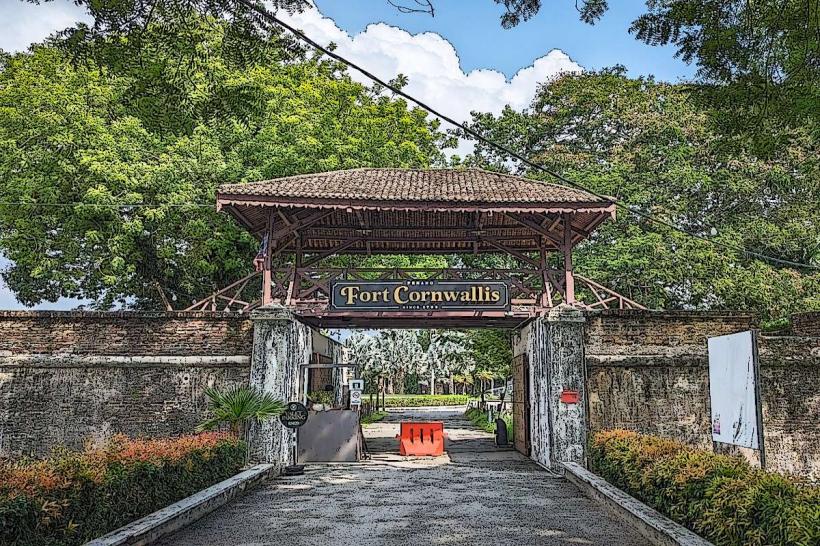
- Fort Cornwallis (0.8km North)
- Penang State Museum & Art Gallery (0.3km West)
- Cheong Fatt Tze Mansion (The Blue Mansion) (0.2km West)