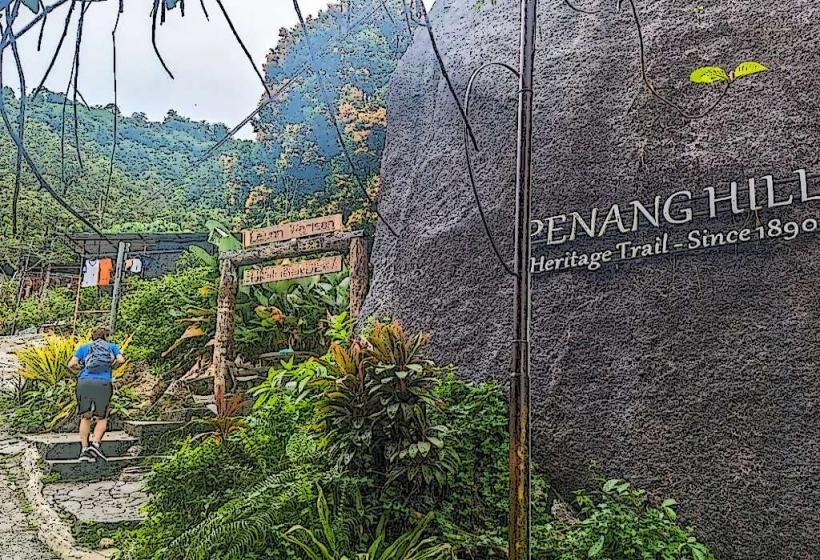
Landmark: Penang Heritage Trail
City: George Town
Country: Malaysia
Continent: Asia
Penang Heritage Trail, George Town, Malaysia, Asia
The Penang Heritage Trail is a designated route through George Town, Malaysia, highlighting its historical and cultural sites. It encompasses a significant portion of the city's UNESCO World Heritage buffer zone.
Visual Characteristics
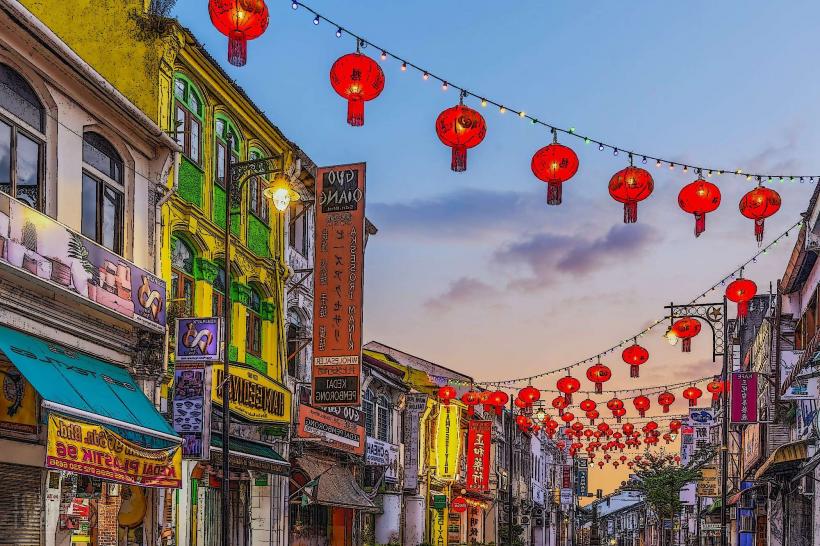
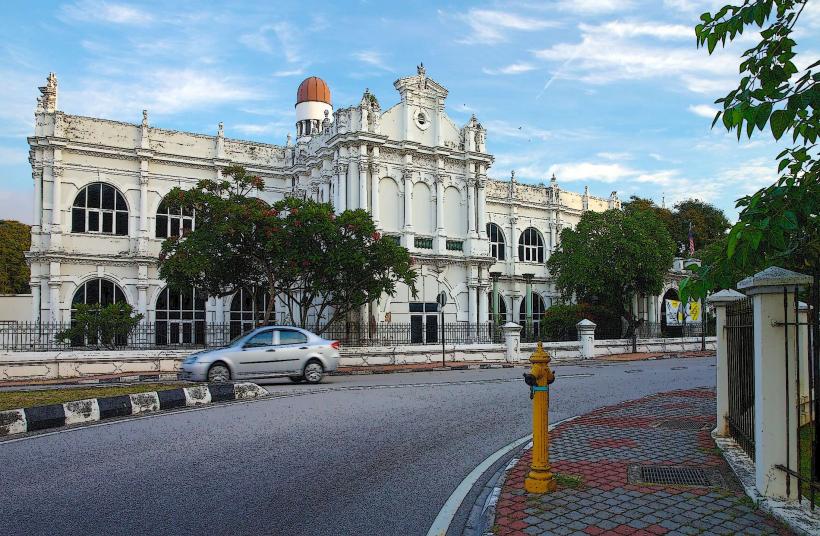
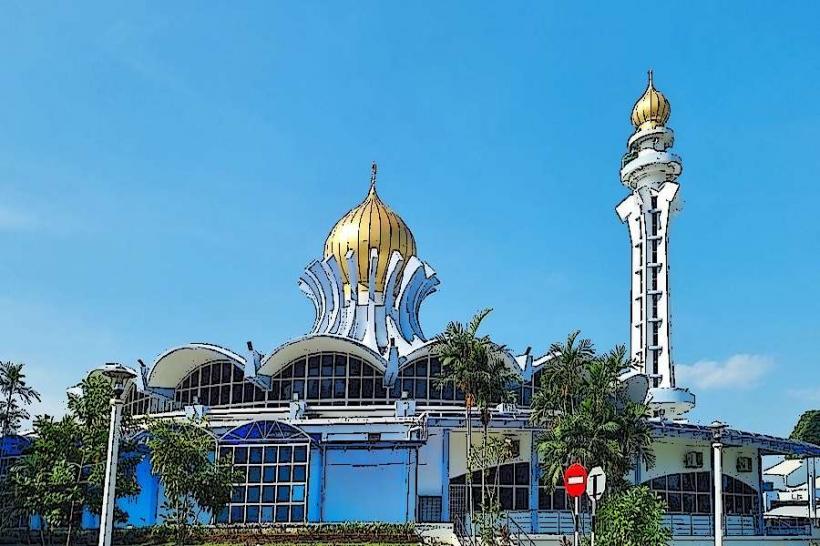
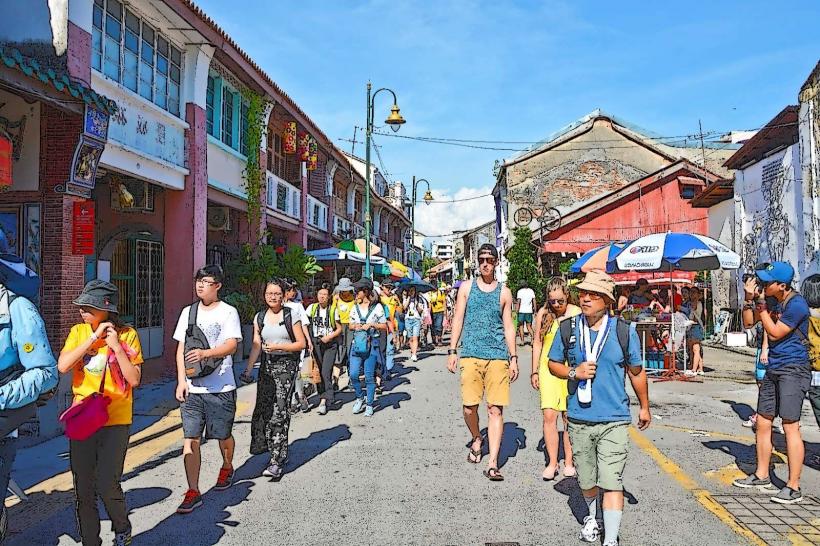
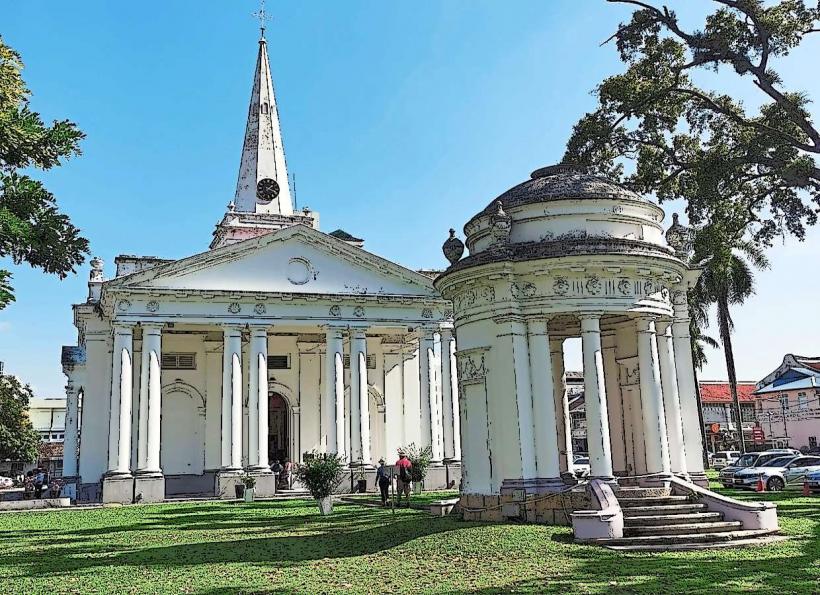
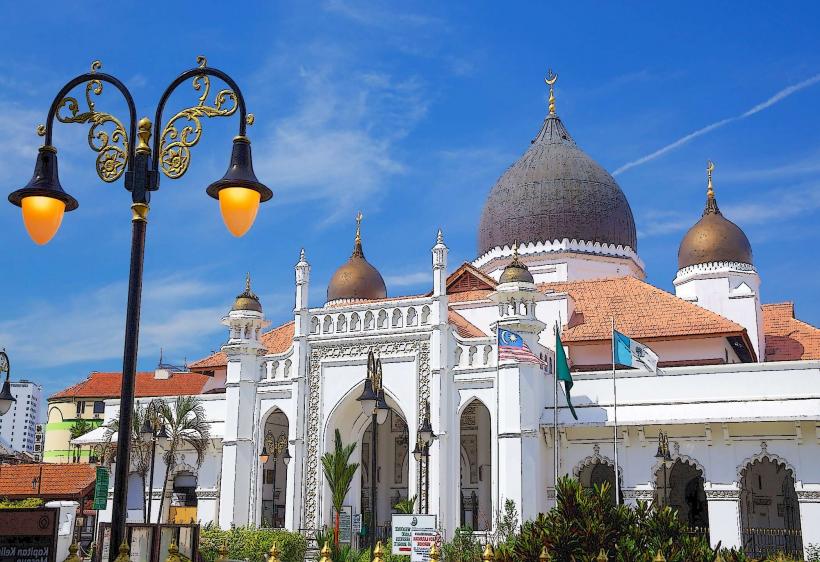
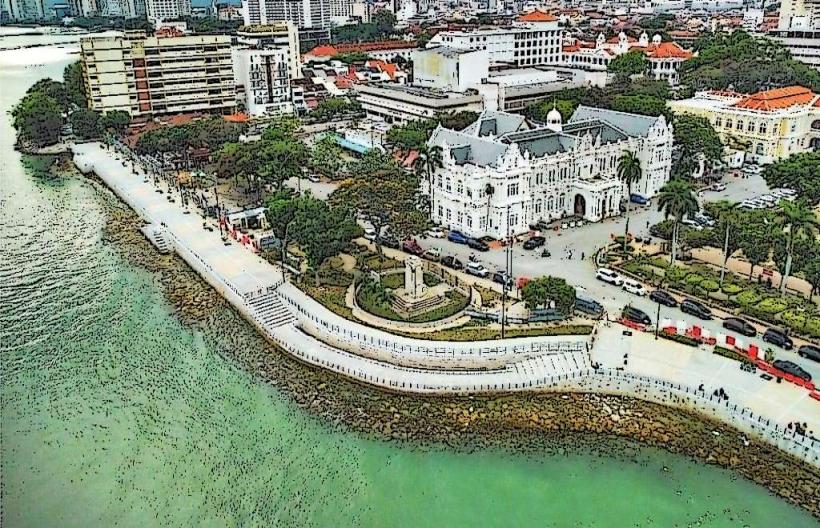
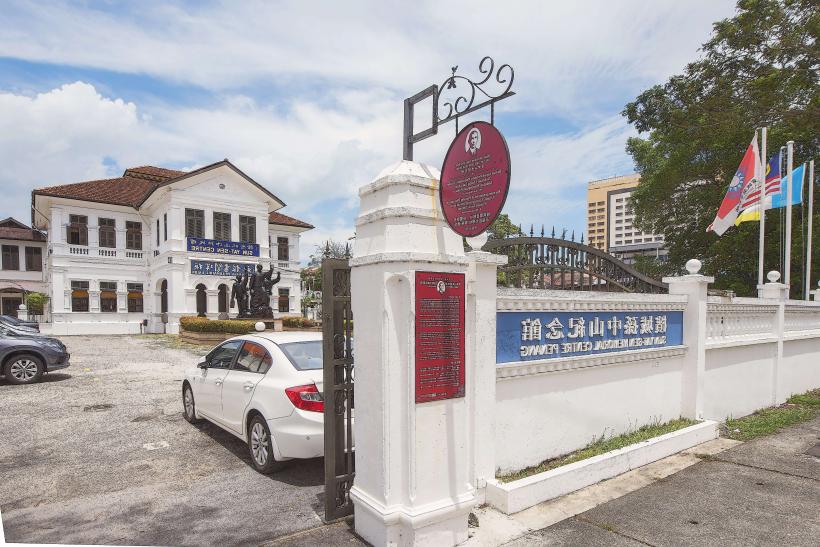
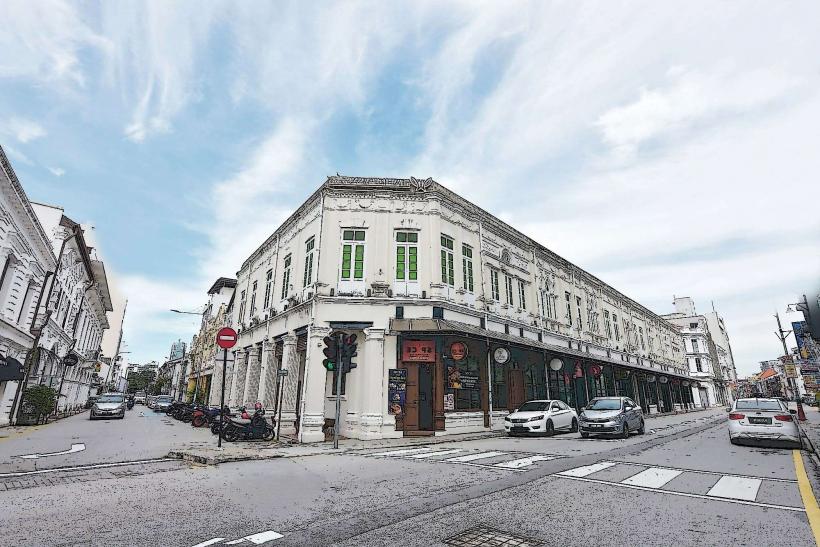
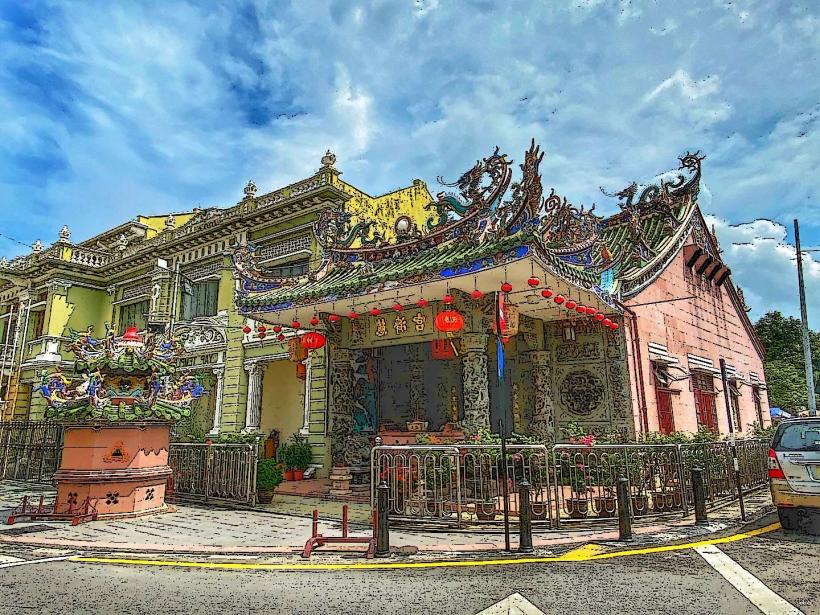
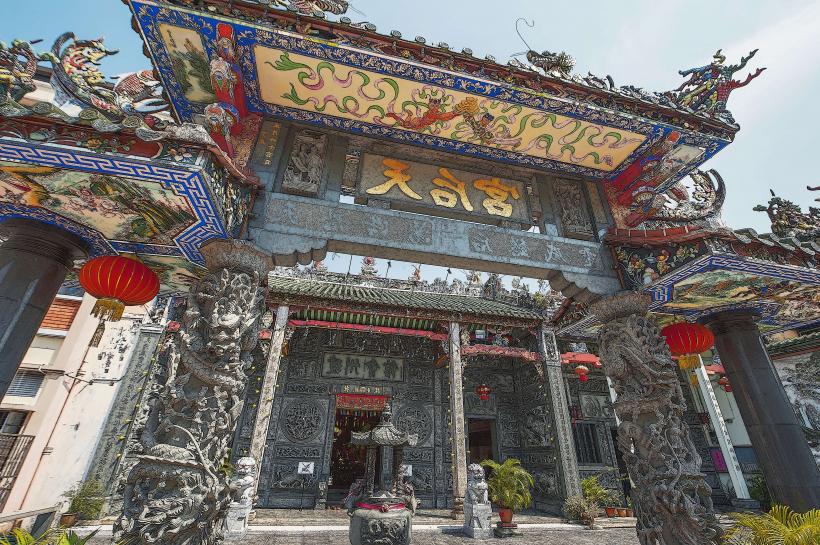
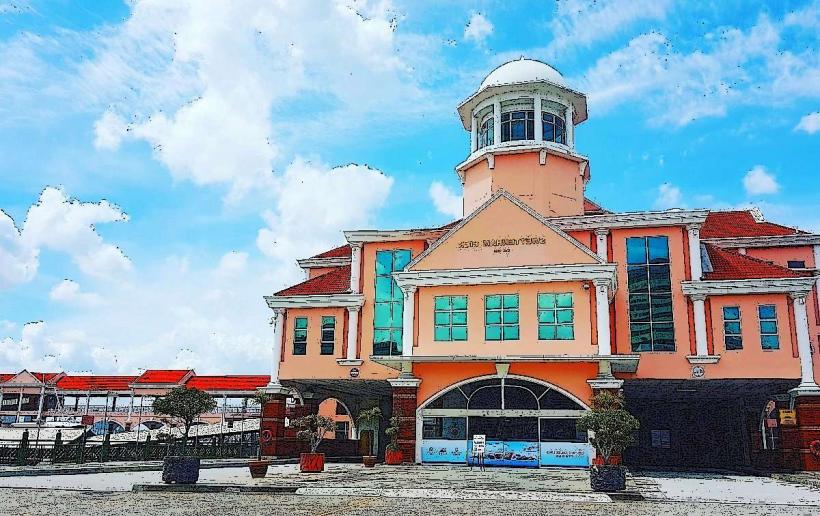
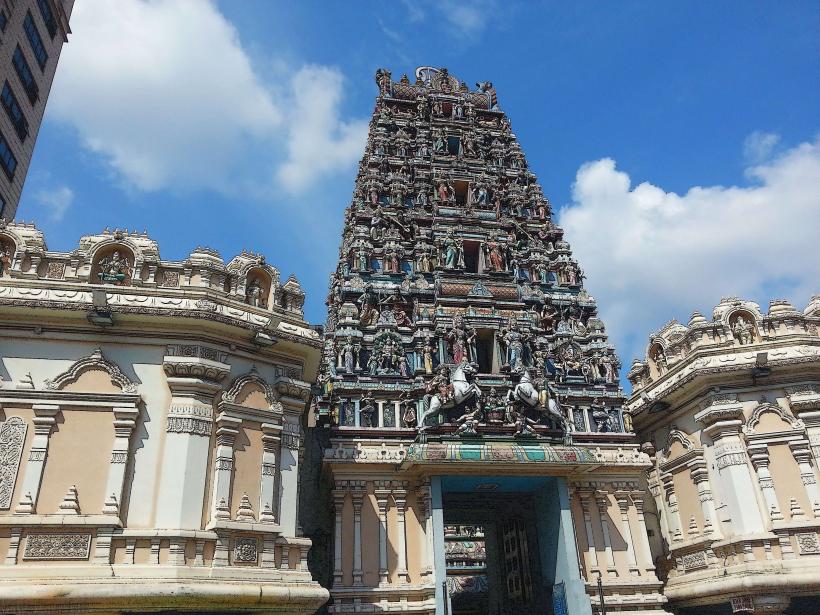
The trail passes through areas characterized by colonial-era architecture, including British colonial buildings constructed with brick and stucco, often painted in pastel colors. Traditional Straits Chinese shophouses, featuring intricate carvings and tiled roofs, are prevalent. The area also includes Chinese clan houses (kongsi), mosques, and Hindu temples, showcasing diverse architectural styles and materials such as wood, stone, and plaster.
Location & Access Logistics
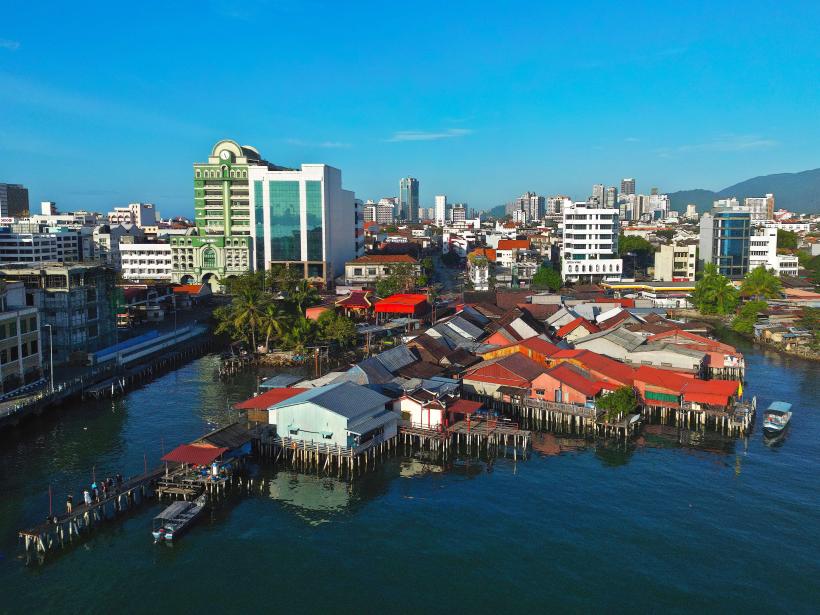
George Town is located on the northeastern tip of Penang Island, Malaysia. The Heritage Trail is accessible by car, with parking available in multi-story car parks such as the one at Komtar or along designated street parking zones within the heritage area. Public transport options include Rapid Penang buses, with numerous routes serving George Town center. Specific bus numbers like 101, 102, 103, 104, and 204 stop within or near the trail's vicinity. The trail is also walkable and best explored on foot.
Historical & Ecological Origin
George Town was founded in 1786 by Captain Francis Light of the British East India Company as a trading post. The city developed as a multicultural hub, attracting merchants and migrants from China, India, and the Malay Archipelago. The architectural styles reflect this history, with influences from British colonial, Chinese, and Malay traditions. The area is situated on reclaimed land and coastal plains.
Key Highlights & Activities
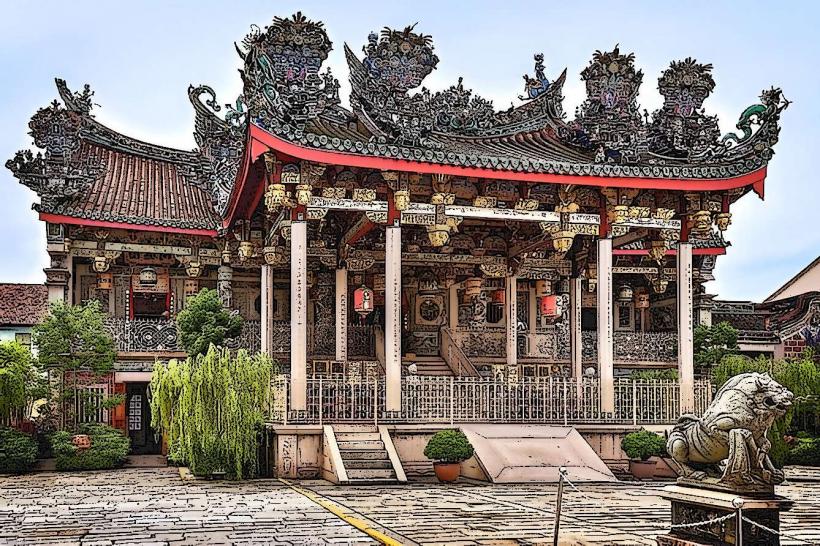
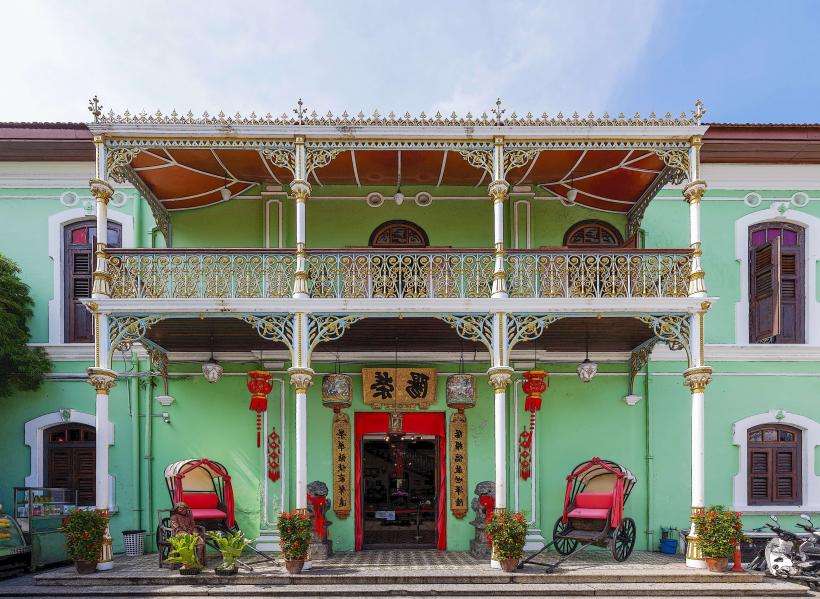
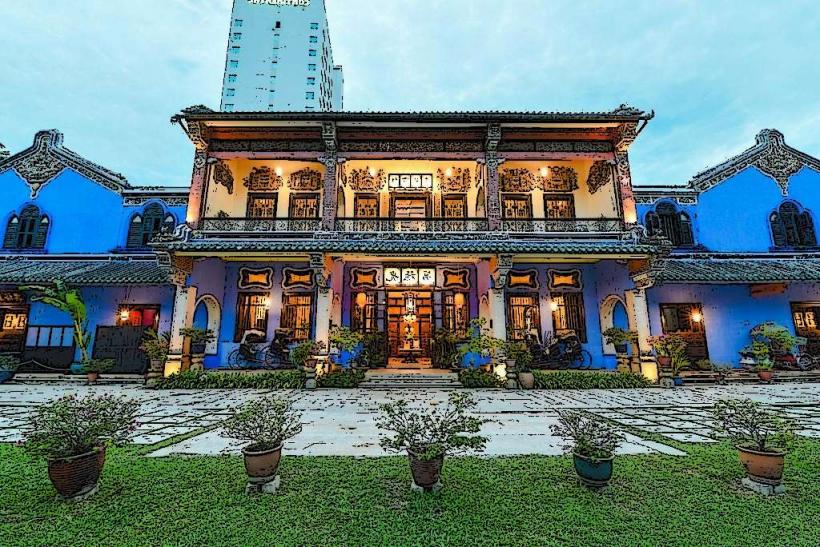
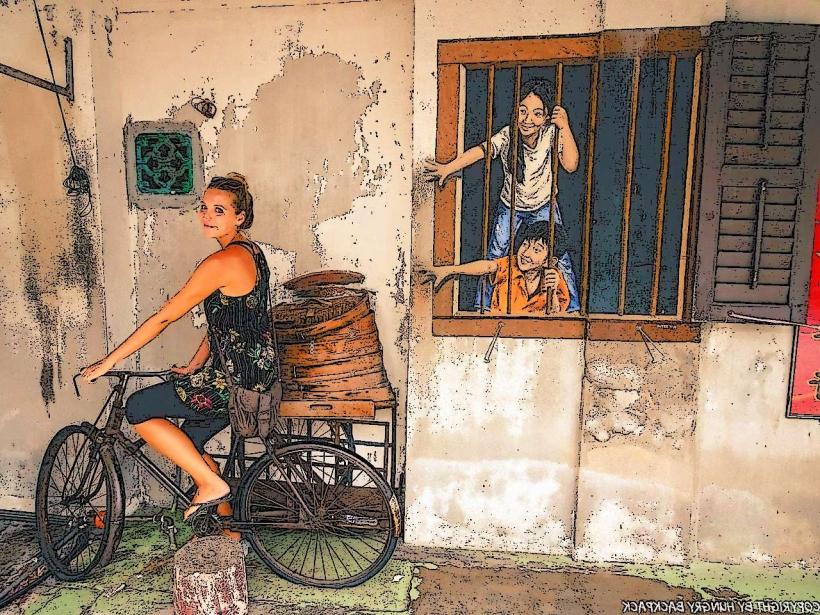
Walking the trail allows for observation of historical buildings such as Khoo Kongsi, Cheong Fatt Tze Mansion (The Blue Mansion), and Pinang Peranakan Mansion. Visitors can explore street art installations, visit religious sites like the Goddess of Mercy Temple and Kapitan Keling Mosque, and sample local cuisine from street vendors and hawker centers. Photography of architectural details and street scenes is a primary activity.
Infrastructure & Amenities
Restrooms are available in public buildings, museums, and many food establishments along the trail. Shade is provided by building overhangs and trees in some sections. Cell phone signal (4G/5G) is generally strong throughout George Town. Numerous food vendors and restaurants are located within the heritage zone, offering a range of local dishes.
Best Time to Visit
The best time of day for photography is typically in the morning (08:00-10:00) or late afternoon (16:00-18:00) to avoid harsh midday light and capture softer shadows. The best months for weather are generally from December to February, which fall within the drier season. High tide or low tide is not a significant factor for accessing the trail itself.
Facts & Legends
A notable historical oddity is the presence of numerous clan houses (kongsi) built by Chinese immigrant groups, which served as community centers and places of worship. The Khoo Kongsi, in particular, is renowned for its elaborate architecture and detailed carvings, representing a significant investment by its members. It is said that the clan members originally intended to build a grand temple, but were restricted by colonial authorities, leading to the construction of a magnificent clan house instead.
Nearby Landmarks
- Khoo Kongsi (0.1km West)
- Cheong Fatt Tze Mansion (The Blue Mansion) (0.2km Southwest)
- Pinang Peranakan Mansion (0.3km East)
- Kapitan Keling Mosque (0.2km Southeast)
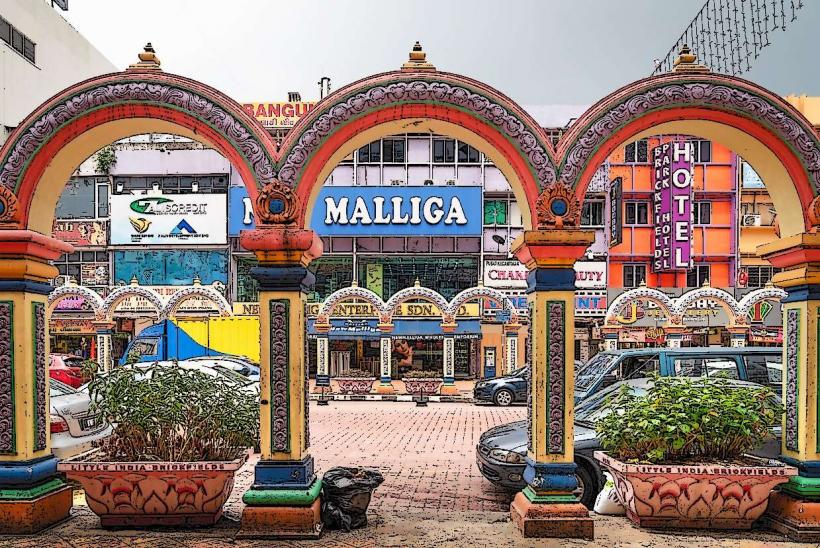
- Little India (0.4km South)