Landmark: Street Art in George Town
City: George Town
Country: Malaysia
Continent: Asia
Street Art in George Town, George Town, Malaysia, Asia
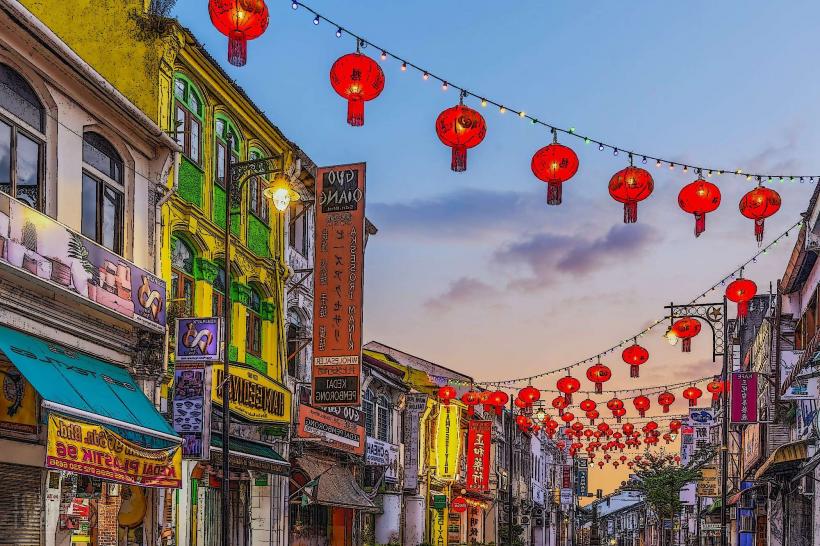
George Town, Malaysia, is recognized for its extensive collection of street art, primarily concentrated within the city's historic core.
Visual Characteristics
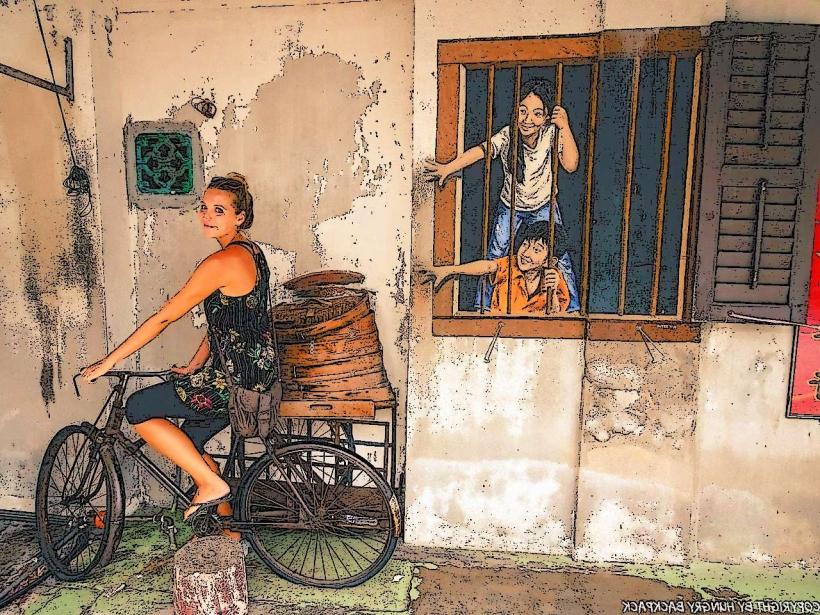
The street art comprises murals painted directly onto building facades, often depicting local life, historical scenes, and whimsical characters. Mediums include acrylic paint, oil paint, and sometimes incorporate three-dimensional elements like iron-rod sculptures. The artwork varies in scale from small, intricate pieces to large-scale murals covering entire walls. Colors are generally bright and varied, reflecting the tropical environment and cultural influences.
Location & Access Logistics
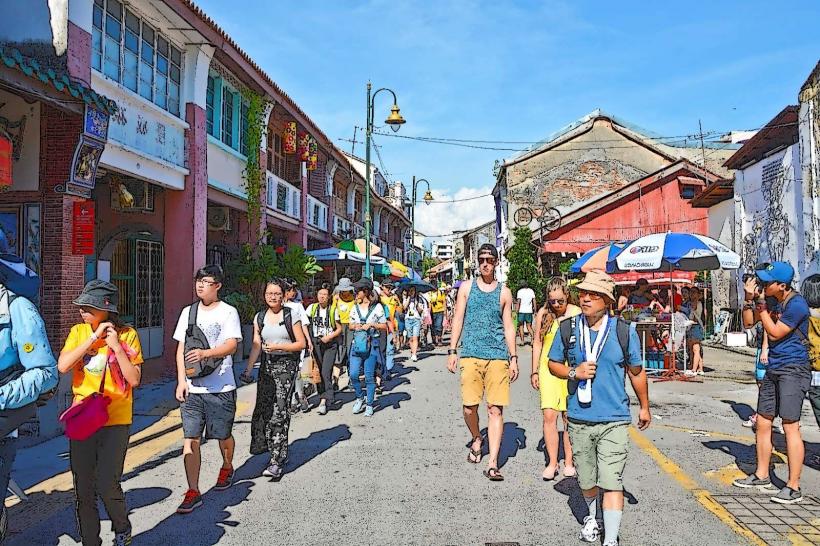
The street art is located within the UNESCO World Heritage Site of George Town, specifically in areas such as Armenian Street, Ah Quee Street, and Chulia Street. These areas are accessible by foot from the city center. Public parking is available in designated multi-story car parks, such as the one at Komtar. Bus services, including the CAT (Central Area Transit) free shuttle bus, stop at various points within the heritage zone.
Historical & Ecological Origin
The street art movement in George Town gained significant momentum in 2009 when Lithuanian artist Ernest Zacharevic was commissioned to create a series of murals for the George Town Festival. This initiative aimed to enhance the cultural appeal of the city and attract tourism. The art is integrated into the existing urban fabric, often interacting with the architecture and historical context of the buildings.
Key Highlights & Activities
Visitors can engage in self-guided walking tours to discover the murals. Specific artworks include "Kids on a Bicycle," "Reaching Up," and "Little Children Playing." Many murals are interactive, designed to be photographed with visitors posing alongside them. The iron-rod sculptures, created by local artist Tang Mun Kian, provide historical anecdotes about the surrounding streets.
Infrastructure & Amenities
Restrooms are available in public facilities and within many cafes and shops in the heritage zone. Shade is provided by building overhangs and trees along some streets. Cell phone signal (4G/5G) is generally strong throughout the area. Numerous food vendors, cafes, and restaurants are located within close proximity to the street art locations.
Best Time to Visit
The best time of day for photography is typically in the late afternoon, between 3:00 PM and 5:00 PM, when the light is softer and less direct, reducing harsh shadows. The best months for visiting are generally from March to October, avoiding the peak monsoon season which usually occurs from November to February. There are no tide-related considerations for viewing the street art.
Facts & Legends
One notable piece, "The Girl in Blue," is said to be inspired by a local legend of a spirit that guards the street. Another interesting aspect is the ongoing addition of new artworks by local and international artists, making each visit potentially different.
Nearby Landmarks
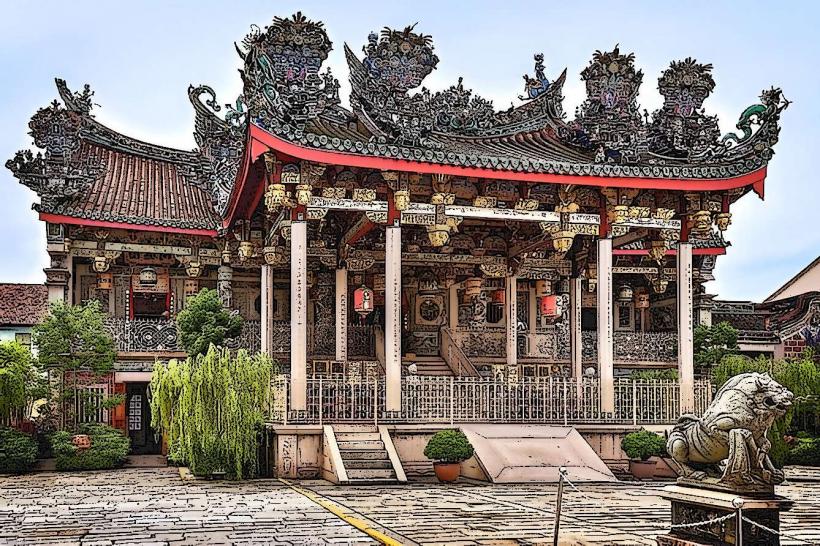
- Khoo Kongsi (0.3km West)
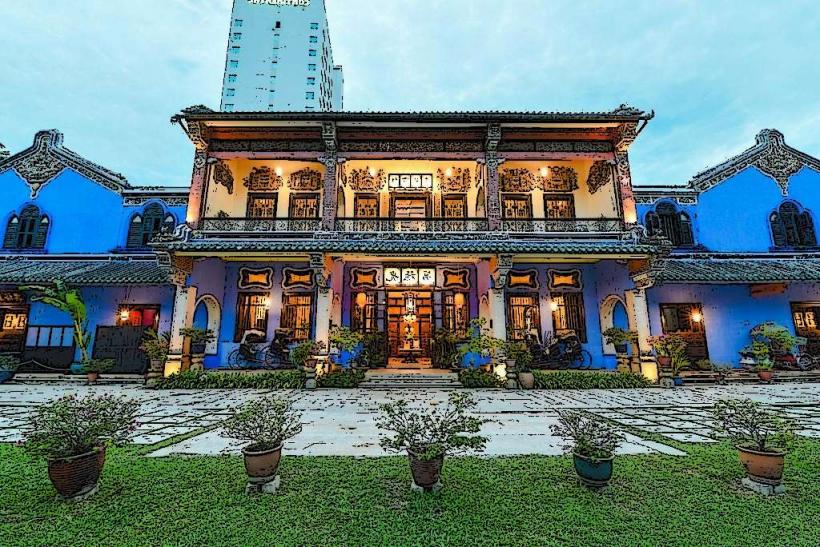
- Cheong Fatt Tze Mansion (The Blue Mansion) (0.4km Southwest)
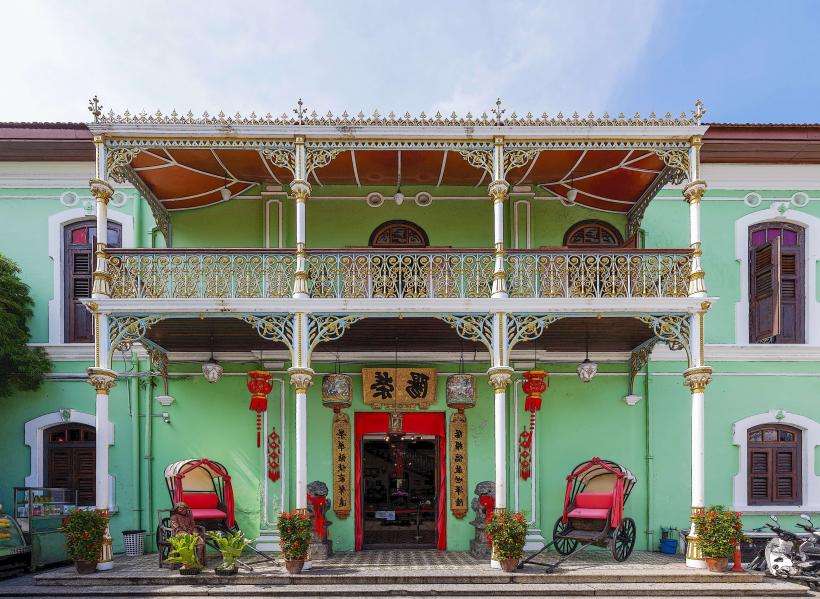
- Pinang Peranakan Mansion (0.6km Southeast)
- Kuan Yin Temple (0.2km North)
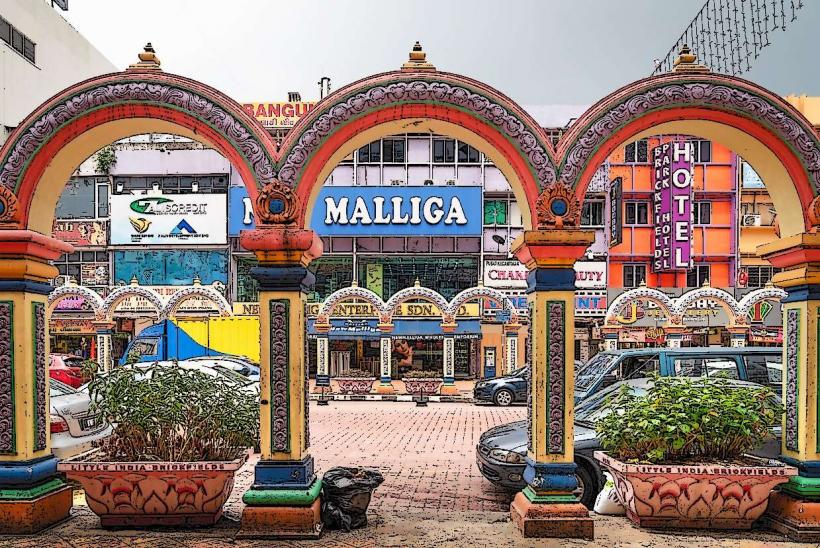
- Little India (0.5km South)