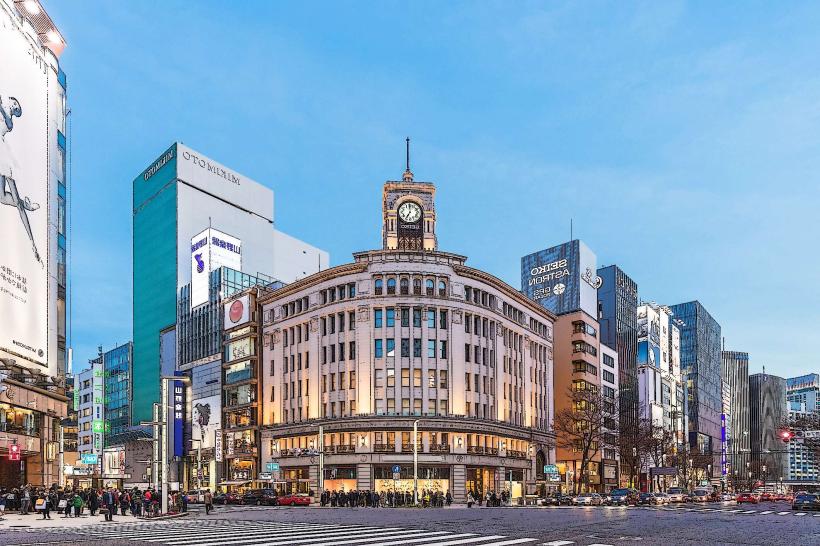
Landmark: Ginza District
City: Tokyo
Country: Japan
Continent: Asia
Ginza District, Tokyo, Japan, Asia
The Ginza District is a commercial and entertainment area located in Chuo City, Tokyo, Japan.
It is known for its upscale shopping, dining, and entertainment venues.
Visual Characteristics
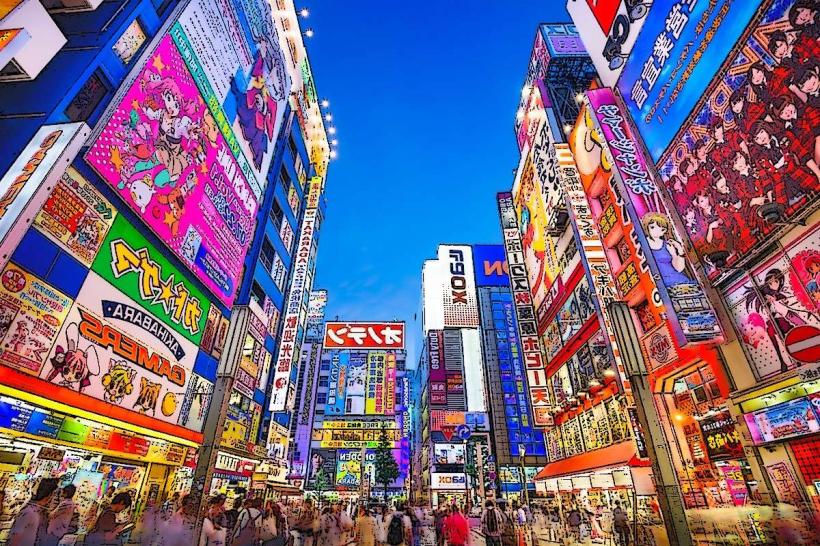
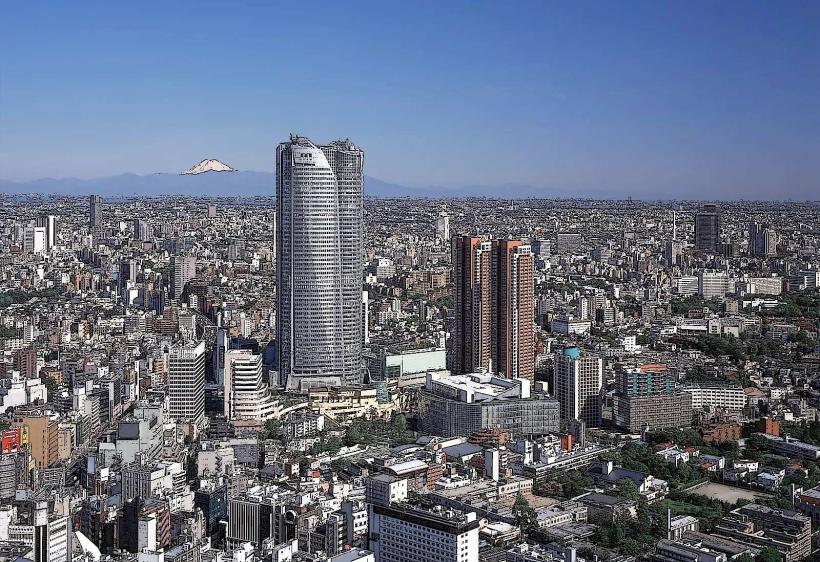
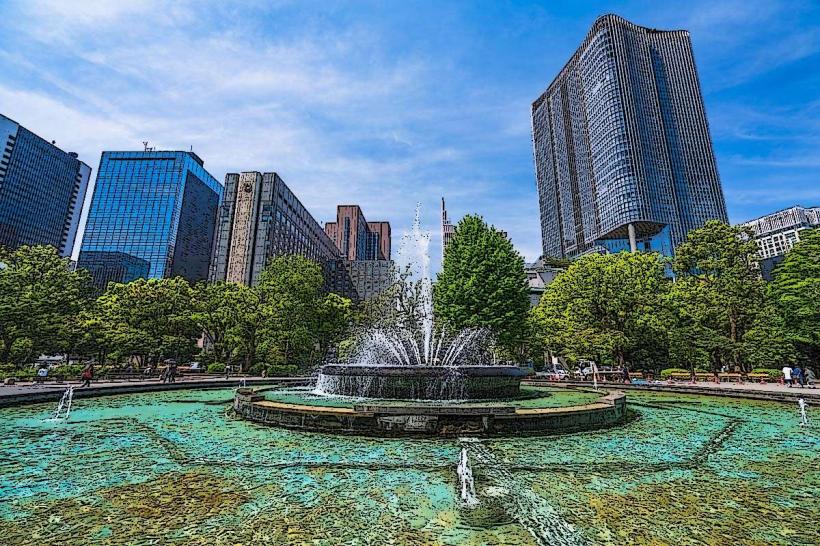
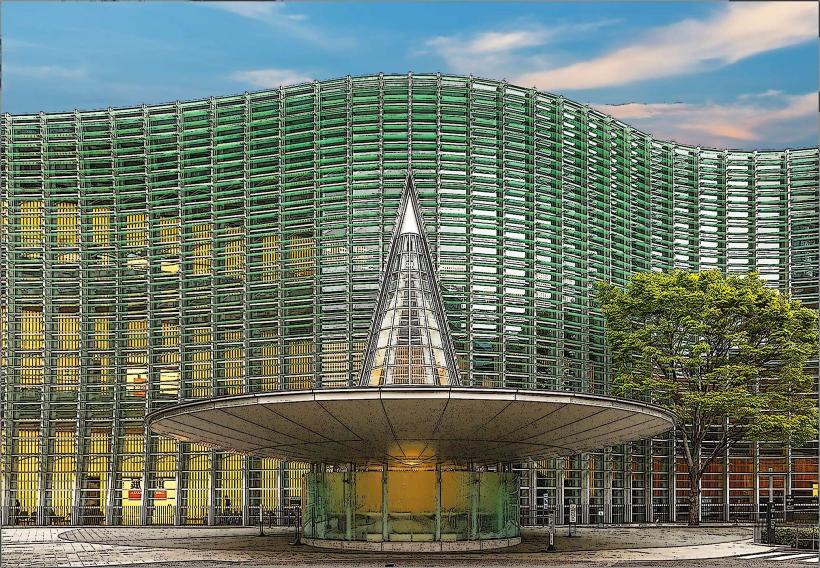
Ginza is characterized by multi-story department stores and luxury brand boutiques, many featuring modern glass and steel facades. The streets are wide, with pedestrian zones implemented on weekends. Building heights vary, with many structures reaching 10-15 stories, though some are taller. The architectural styles range from contemporary commercial designs to more traditional Japanese influences in older buildings.
Location & Access Logistics
Ginza is situated in central Tokyo, approximately 2km south of the Imperial Palace. Access is primarily via the Tokyo Metro. The Ginza Line, Marunouchi Line, and Hibiya Line all serve the Ginza Station, a major transit hub. JR Yurakucho Station is also within walking distance. Limited street parking is available in paid garages, but is generally expensive and difficult to secure. Weekend pedestrian zones restrict vehicle access on Chuo Dori.
Historical & Ecological Origin
Ginza's origins trace back to the Edo period when it was the site of a silver coin mint (gin-za). After a major fire in 1872, the area was rebuilt with Western-style brick buildings, marking its transition into a modern commercial center. The district has undergone continuous redevelopment, adapting to changing economic and architectural trends.
Key Highlights & Activities
Shopping for high-end fashion, electronics, and traditional crafts is a primary activity. Dining options range from Michelin-starred restaurants to casual eateries. The Kabuki-za Theatre offers traditional Japanese performances. Art galleries and department store food halls (depachika) are also points of interest. Weekend pedestrian zones allow for leisurely exploration of the main thoroughfare.
Infrastructure & Amenities
Public restrooms are available within department stores and some public facilities. Shade is provided by building overhangs and awnings. Cell phone signal (4G/5G) is consistently strong throughout the district. Numerous food vendors and restaurants are present, offering a wide variety of culinary options.
Best Time to Visit
For photography, early morning (before 9 AM) offers softer light and fewer crowds. Weekends, particularly during the afternoon pedestrian zone hours (12 PM to 5 PM on Saturdays and Sundays, weather permitting), provide a distinct atmosphere. For shopping, weekdays are generally less crowded. There are no specific tide requirements for visiting Ginza.
Facts & Legends
Ginza was the first district in Tokyo to have Western-style streetlights installed in the late 19th century. A persistent urban legend suggests that the area's high property values are partly due to its historical connection to the imperial family, though this is unverified.
Nearby Landmarks
- Tokyo Station (1km North)
- Imperial Palace East Garden (1.5km North)
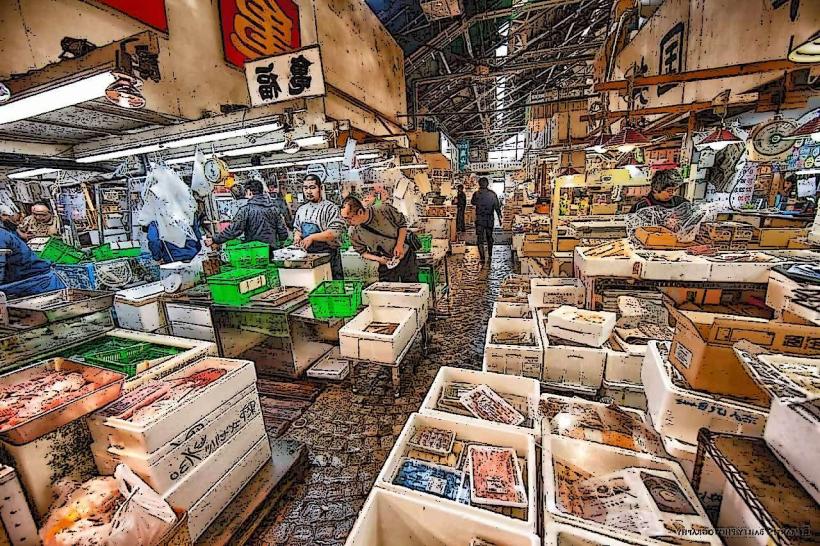
- Tsukiji Outer Market (1.2km Southeast)
- Hama Rikyu Gardens (1.8km South)
- Shimbashi (0.8km Southwest)