Landmark: Green Mountain National Forest
City: Rutland
Country: USA Vermont
Continent: North America
Green Mountain National Forest, Rutland, USA Vermont, North America
Green Mountain National Forest is a protected area located in central and western Vermont, USA. It encompasses a significant portion of the Green Mountains range.
Visual Characteristics
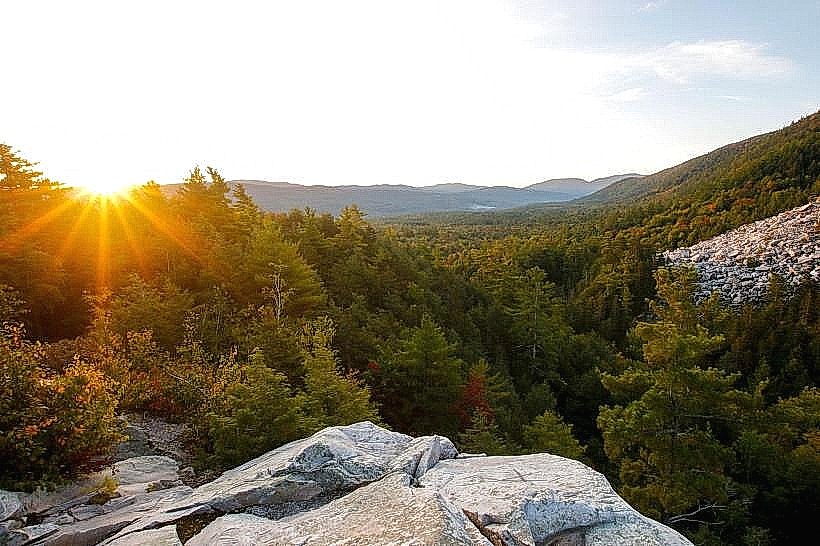
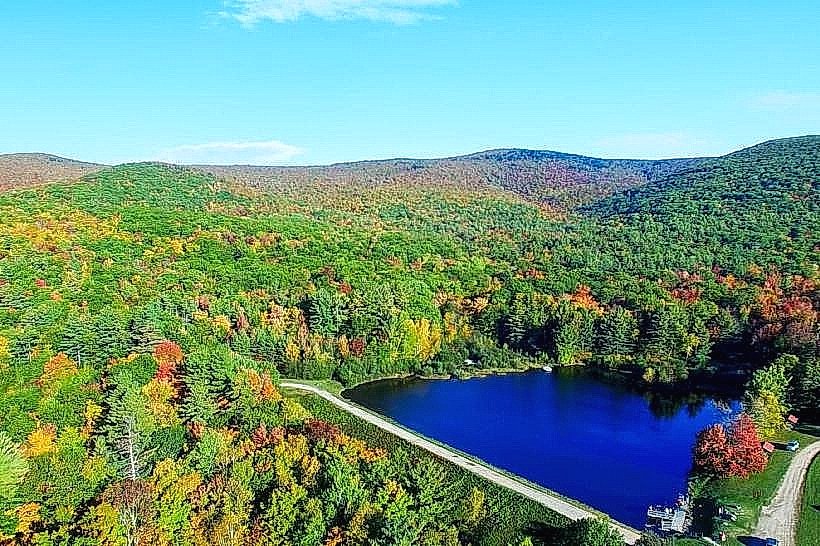
The forest is characterized by extensive deciduous and coniferous woodlands. Dominant tree species include sugar maple, yellow birch, beech, red spruce, and balsam fir. Elevation ranges from approximately 300 meters (1,000 feet) to over 1,200 meters (4,000 feet). Numerous streams and rivers traverse the landscape, with water clarity varying based on recent precipitation. Rock outcroppings and glacial erratics are common features.
Location & Access Logistics
The forest is accessible via multiple routes. Interstate 89 and Interstate 91 provide major access points to Vermont. State Routes 100, 125, and 73 are primary roads traversing the forest. The closest major city is Rutland, approximately 15 kilometers (9 miles) east of the forest's western boundary. Parking is available at designated trailheads and recreation areas. Public transport options are limited within the forest itself; bus services operate to towns bordering the forest, such as Rutland and Middlebury.
Historical & Ecological Origin
Green Mountain National Forest was established in 1932. Its creation was a response to widespread deforestation and soil erosion following extensive logging and agricultural use in the late 19th and early 20th centuries. The forest is part of the Appalachian-Blue Ridge Mountains ecoregion, with its geological formation primarily shaped by ancient mountain-building events and subsequent glacial activity.
Key Highlights & Activities
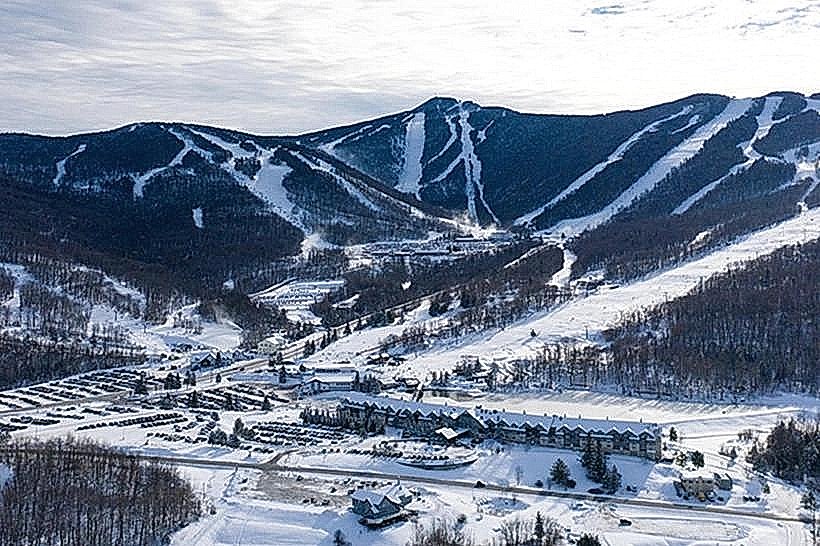
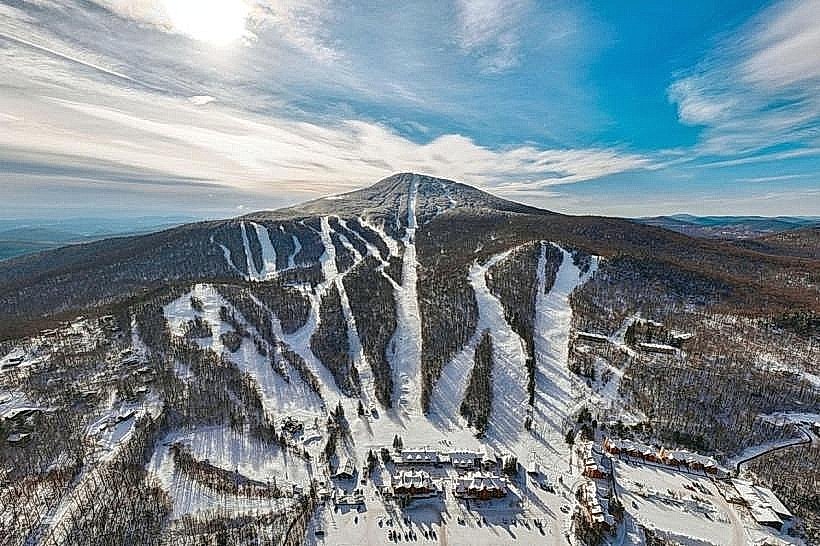
Hiking is a primary activity, with over 800 kilometers (500 miles) of trails, including sections of the Long Trail and the Appalachian Trail. Camping is permitted at designated campgrounds and in backcountry areas under specific regulations. Fishing is available in designated streams and lakes. Wildlife observation is possible throughout the forest. Skiing and snowboarding are available at ski resorts located within or adjacent to the forest boundaries.
Infrastructure & Amenities
Restrooms are available at major trailheads and campgrounds. Some developed recreation areas offer picnic tables and shelters. Cell phone signal is intermittent and generally unavailable in remote areas. Food vendors are not present within the forest; provisions should be obtained in nearby towns.
Best Time to Visit
For hiking and general recreation, the months of June through October offer the most favorable weather. Fall foliage, typically peaking in late September to early October, provides distinct visual characteristics. Winter months (December to March) are suitable for snow-based activities, but access may be restricted due to snow accumulation. Photography is best in the early morning or late afternoon for optimal natural light.
Facts & Legends
The Long Trail, the oldest long-distance hiking trail in the United States, runs the length of the Green Mountains and passes through the forest. A local legend speaks of the "Green Lady," a spectral figure said to inhabit the higher peaks, appearing to lost hikers.
Nearby Landmarks
- Mount Snow Ski Resort (35km Southeast)
- Quechee Gorge (40km East)
- Lake Champlain (50km West)
- Killington Ski Resort (20km South)
- Woodstock Village (45km East)