Landmark: Gyeongju National Park
City: Gyeongju
Country: South Korea
Continent: Asia
Gyeongju National Park, Gyeongju, South Korea, Asia
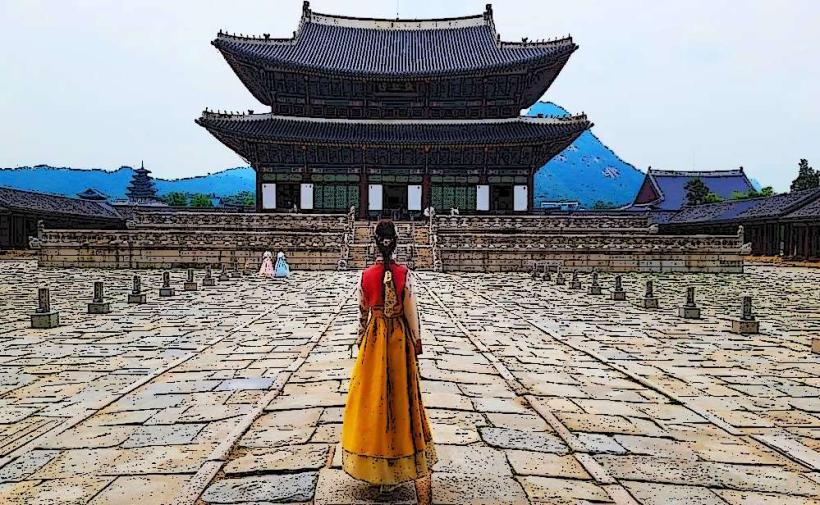
Gyeongju National Park is a protected area encompassing historical sites within the city of Gyeongju, South Korea. It preserves a significant portion of the Silla Kingdom's cultural heritage.
Visual Characteristics
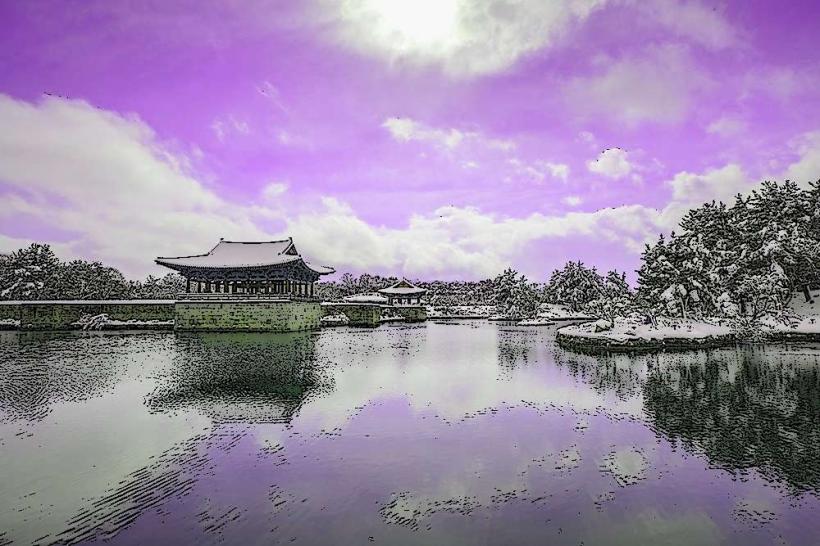
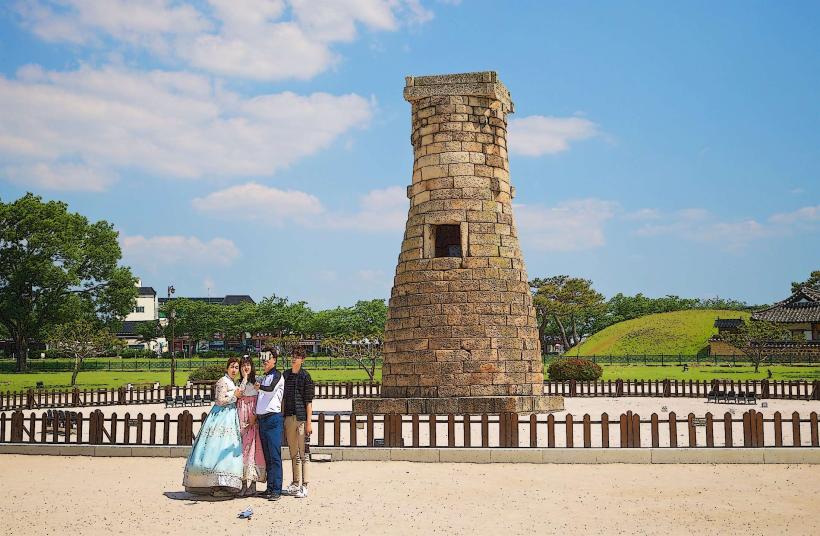
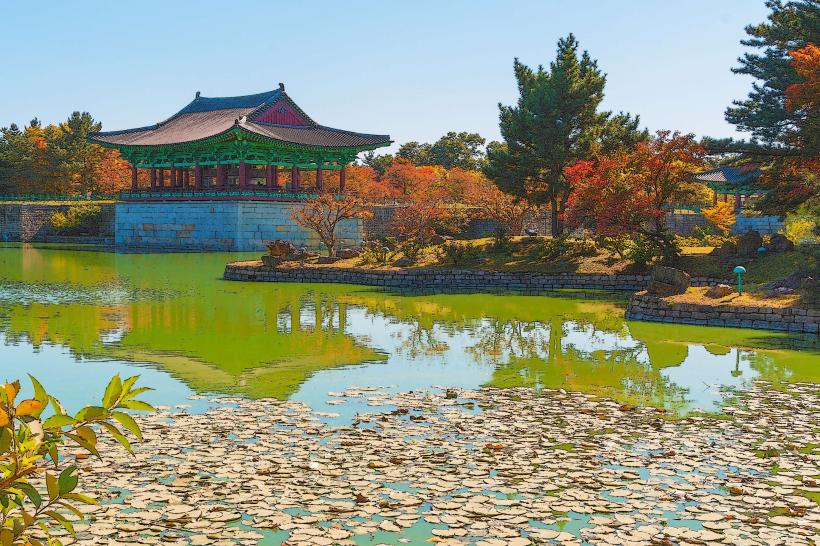
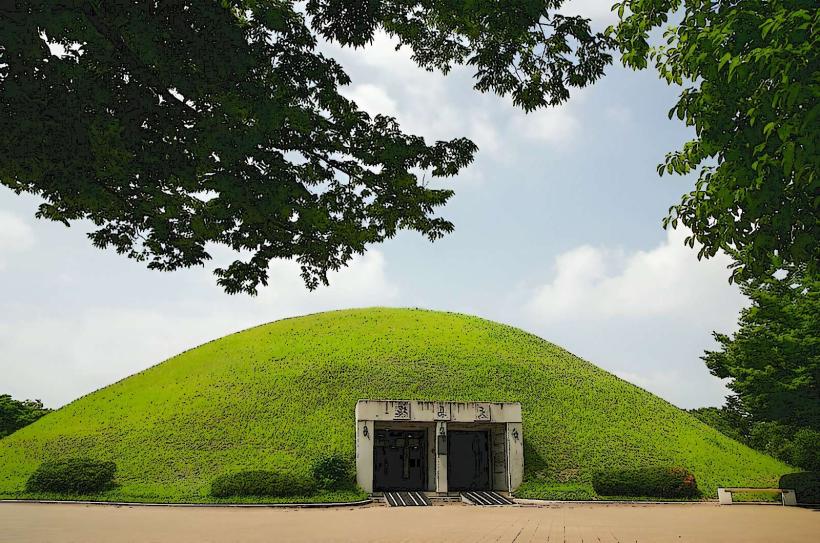
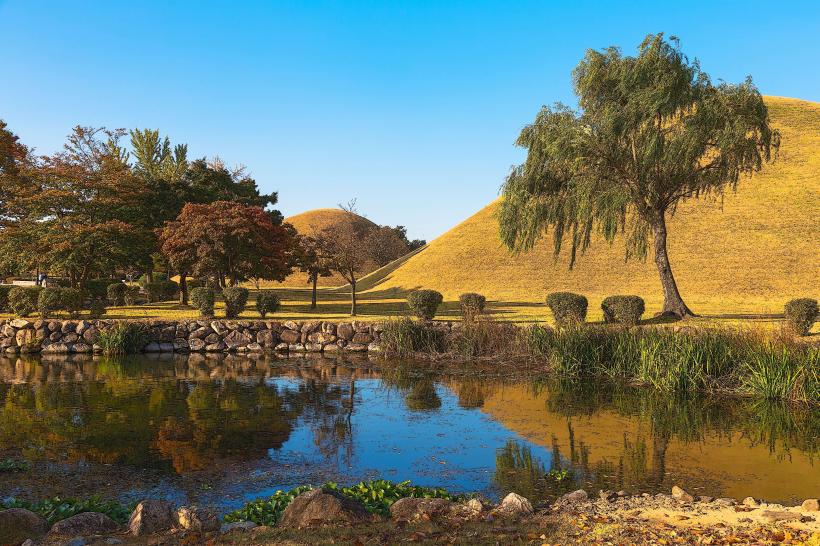
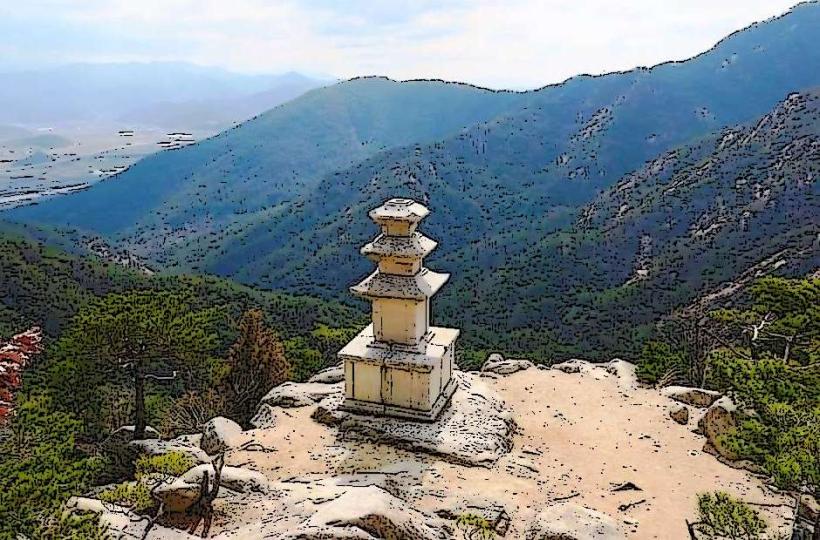
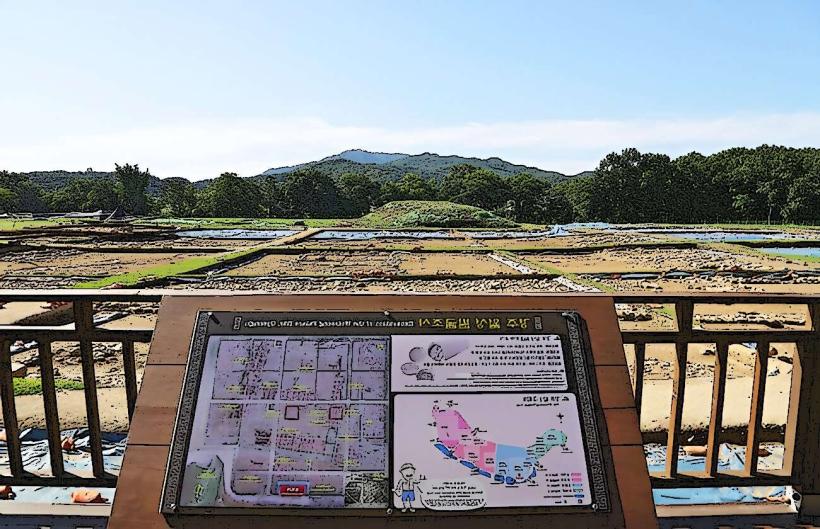
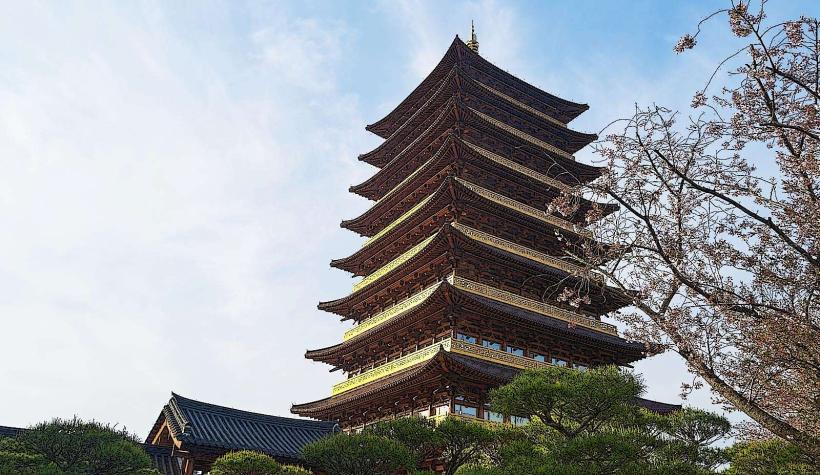
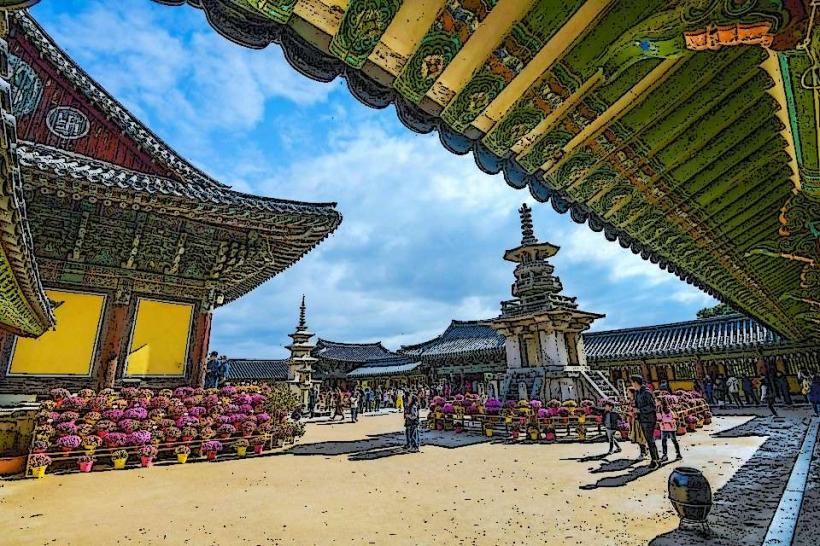
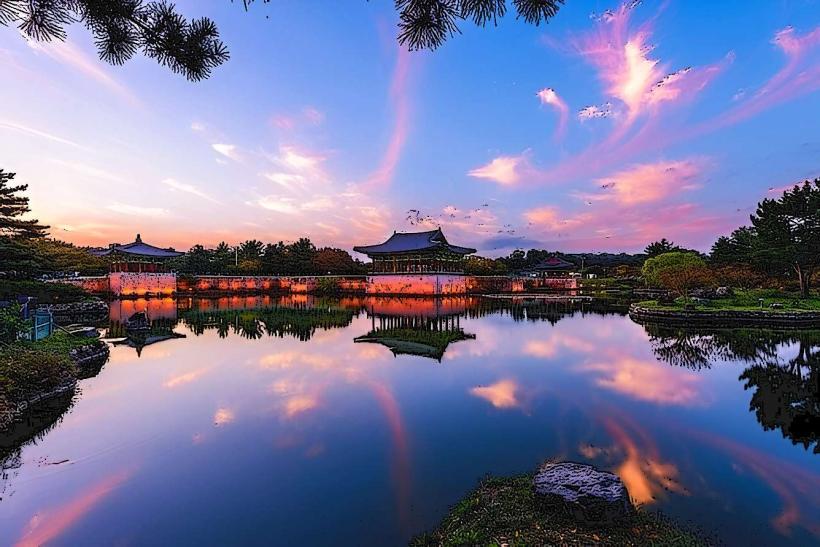
The park is characterized by rolling hills, open grasslands, and clusters of ancient burial mounds (tumuli). These mounds are typically grass-covered earthen structures, varying in size and diameter. Within the park, visitors will find stone pagodas, temple ruins constructed from granite, and forested areas. The vegetation is predominantly deciduous trees, with seasonal changes affecting the landscape's color palette.
Location & Access Logistics
Gyeongju National Park is situated within the urban and peri-urban areas of Gyeongju city. The main park areas are accessible from the city center via local roads. For instance, the Bulguksa Temple area is approximately 15km east of Gyeongju Station. Parking is available at designated lots near major attractions like Bulguksa Temple and Seokguram Grotto. Public transport options include city bus lines, such as Bus 10, which serves the Bulguksa Temple entrance from Gyeongju Station.
Historical & Ecological Origin
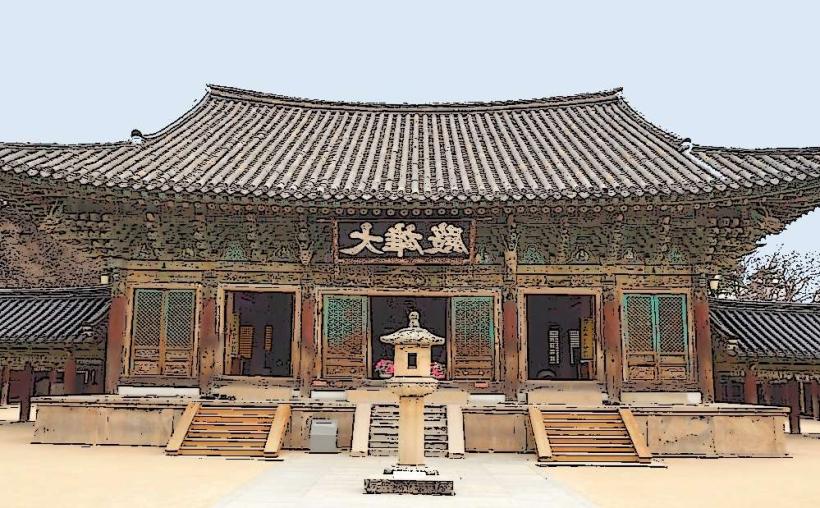
The park's historical significance stems from its role as the capital of the Silla Kingdom (57 BCE – 935 CE). The burial mounds are the resting places of Silla royalty and nobility. Key structures like Bulguksa Temple were constructed in the 8th century CE, with significant renovations occurring later. Ecologically, the area is part of the temperate deciduous forest biome.
Key Highlights & Activities
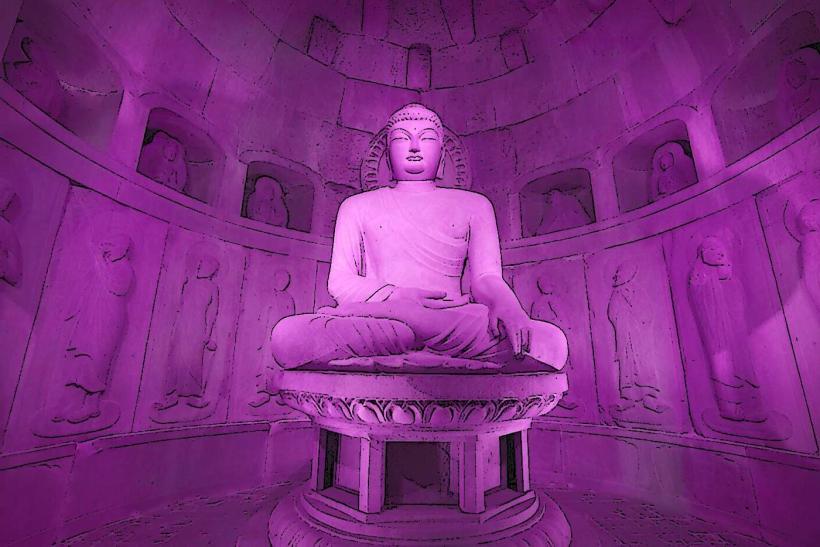
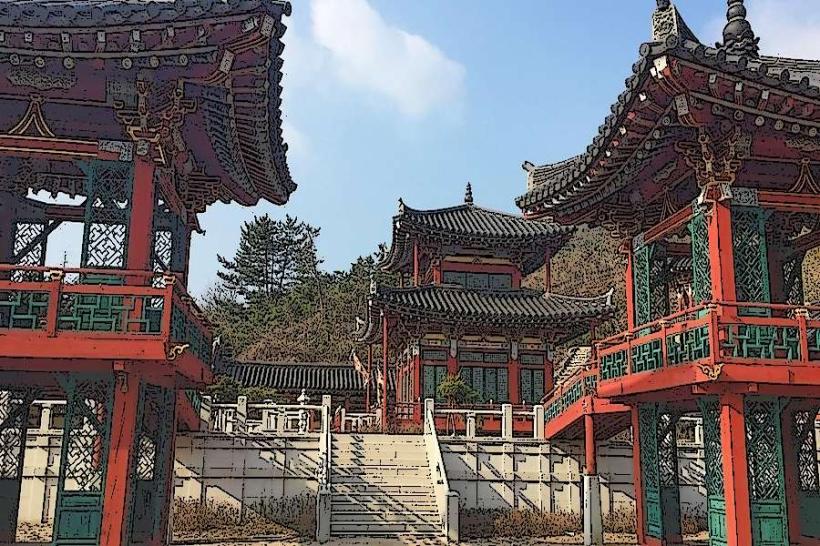
Activities include walking the trails connecting various historical sites, observing the architecture of Bulguksa Temple and Seokguram Grotto, and exploring the burial mounds in Daereungwon Tomb Complex. Photography of the ancient structures and natural scenery is permitted. Guided tours are available for specific sections of the park.
Infrastructure & Amenities
Restrooms are available at major visitor centers and near prominent attractions. Shaded areas are provided by trees and some covered structures. Cell phone signal (4G/5G) is generally available throughout the park. Food vendors and restaurants are located near the entrances of Bulguksa Temple and Seokguram Grotto.
Best Time to Visit
For optimal lighting for photography, early morning or late afternoon is recommended. The best months for weather are typically April to May (spring) and September to October (autumn), offering mild temperatures and clear skies. No specific tide requirements apply to this inland park.
Facts & Legends
A notable historical oddity is the discovery of the Cheonmachong Tomb, which yielded a painting on birch bark depicting a winged horse (Cheonma), giving the tomb its name. A local legend suggests that the stones used to build Bulguksa Temple were brought by a celestial being.
Nearby Landmarks
- Bulguksa Temple (0.1km North)
- Seokguram Grotto (3.5km Northeast)
- Daereungwon Tomb Complex (12km West)
- Gyeongju Historic Areas (11km West)
- Cheomseongdae Observatory (12km West)