Landmark: Namsan Mountain
City: Gyeongju
Country: South Korea
Continent: Asia
Namsan Mountain, Gyeongju, South Korea, Asia
Namsan Mountain is a significant cultural and natural site located within the city limits of Gyeongju, South Korea.
This mountain preserves a dense concentration of Silla Dynasty Buddhist relics and offers extensive hiking trails.
Visual Characteristics
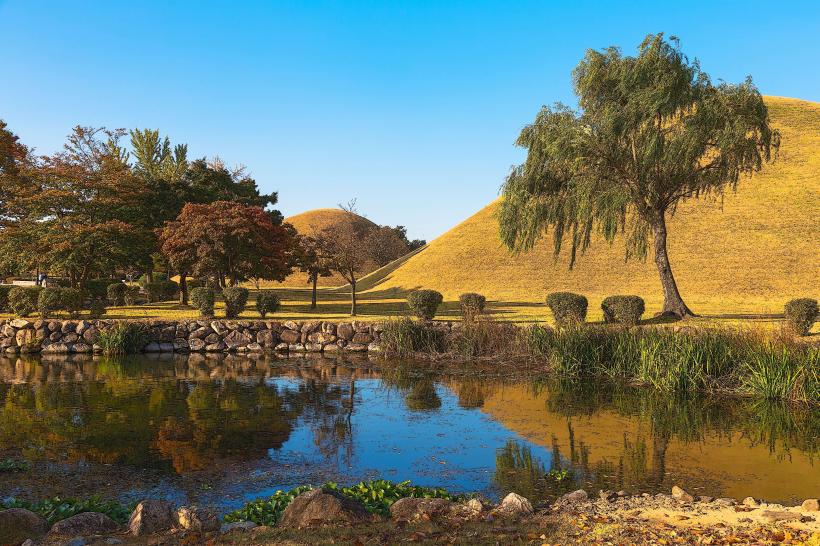
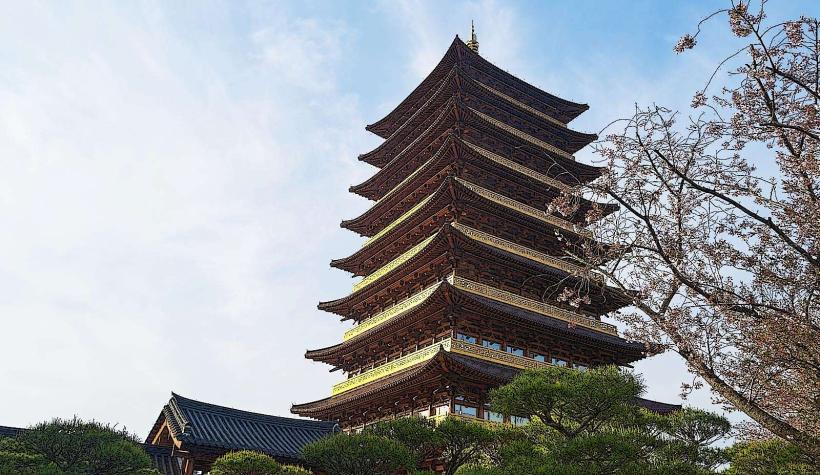
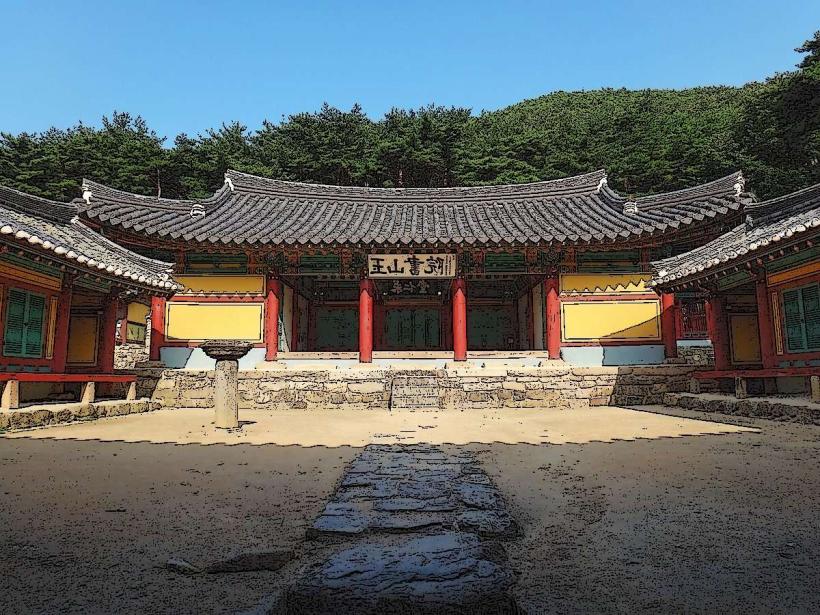
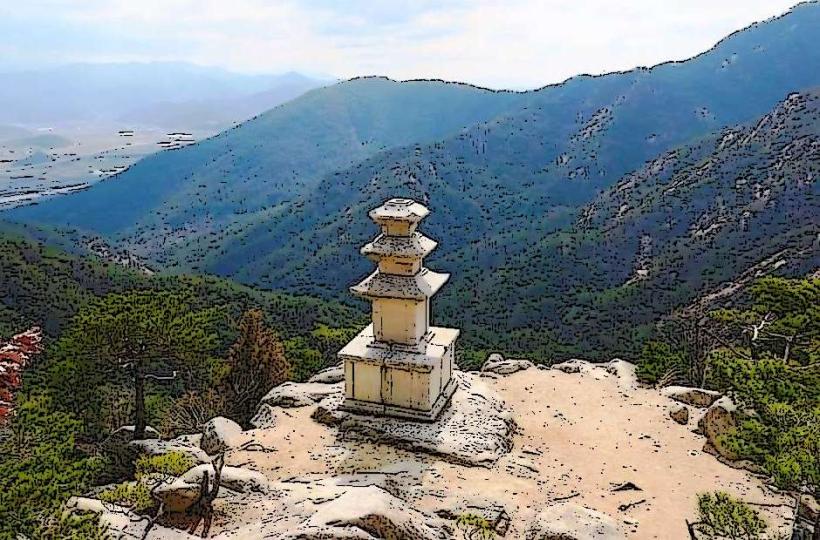
Namsan Mountain is characterized by its granite peaks, reaching an elevation of 494 meters. The slopes are covered with mixed deciduous and coniferous forests, with dense vegetation in many areas. Numerous exposed granite outcrops and rock formations are visible throughout the mountain. The mountain is dotted with over 100 Buddhist statues, pagodas, and temple sites, many carved directly into the rock faces.
Location & Access Logistics
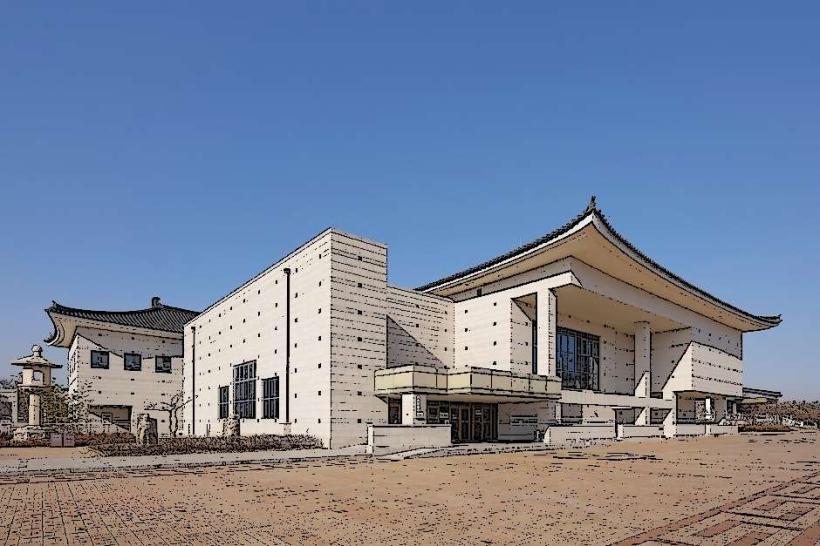
Namsan Mountain is situated south of central Gyeongju. Access points are numerous, with the most common starting points being near the Gyeongju National Museum (approximately 2km North-East of the summit) and the Bomun Lake Resort area. Several local bus lines, including Bus 10, 11, and 16, stop near the base of the mountain. Parking is available at designated lots near the main trailheads, such as the one at the Gyeongju National Museum. The mountain is accessible by foot from various points within the city.
Historical & Ecological Origin
Namsan Mountain served as a primary site for Buddhist worship and construction during the Silla Kingdom (57 BCE – 935 CE). Over 100 Buddhist sites, including temples, pagodas, and stone Buddha carvings, were established here between the 6th and 10th centuries. Geologically, the mountain is composed of Precambrian granite. Ecologically, it represents a temperate forest ecosystem.
Key Highlights & Activities
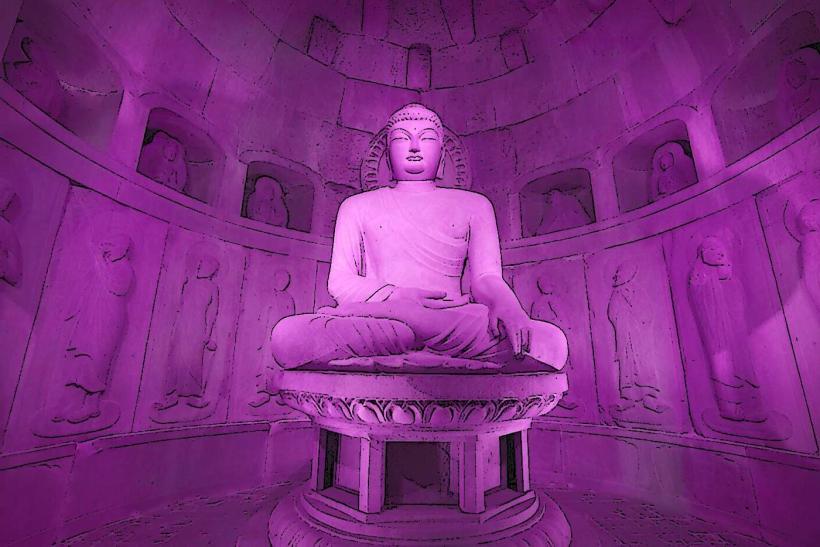
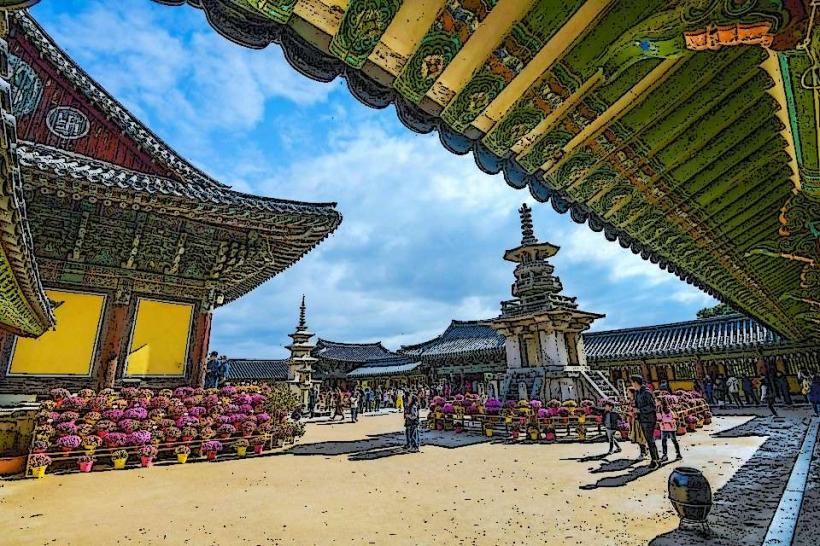
Hiking is the primary activity, with multiple trails leading to various historical sites. Specific points of interest include the Seokguram Grotto (though technically a separate site, it is often associated with Namsan's cultural sphere), the Triple Pagoda of Bulguksa Temple (located at the base), the Buddha of the Three Faces (Samjok Ami-tabul), and the Standing Buddha of Tapgol. Visitors can explore over 100 Buddhist relics scattered across the mountain. Photography of the historical carvings and natural scenery is common.
Infrastructure & Amenities
Restrooms are available at major trailheads and near some of the more accessible historical sites. Shaded areas are plentiful due to forest cover. Cell phone signal (4G/5G) is generally available on the lower slopes and near populated access points, but can be intermittent at higher elevations and in remote sections. Food vendors are not typically found directly on the mountain trails; however, restaurants and shops are located near the Gyeongju National Museum and the Bomun Lake Resort.
Best Time to Visit
For photography, early morning or late afternoon light provides optimal illumination for the stone carvings. The best months for visiting are April to May and September to October, offering mild temperatures and clear skies. Summer months (June-August) can be hot and humid with increased rainfall. Winter (December-February) is cold but offers clear views.
Facts & Legends
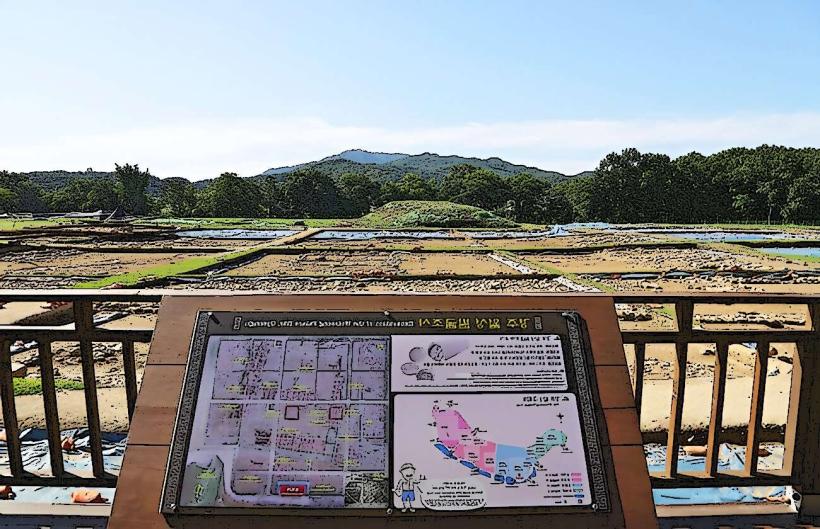
A notable historical oddity is the sheer density of Buddhist artifacts; Namsan is considered an open-air museum of Silla Buddhism. A specific tip for visitors is to consult detailed trail maps before ascending, as the mountain is extensive and many paths are not clearly marked. The "Buddha of the Three Faces" is a unique carving where three distinct Buddha faces are depicted on a single rock face.
Nearby Landmarks
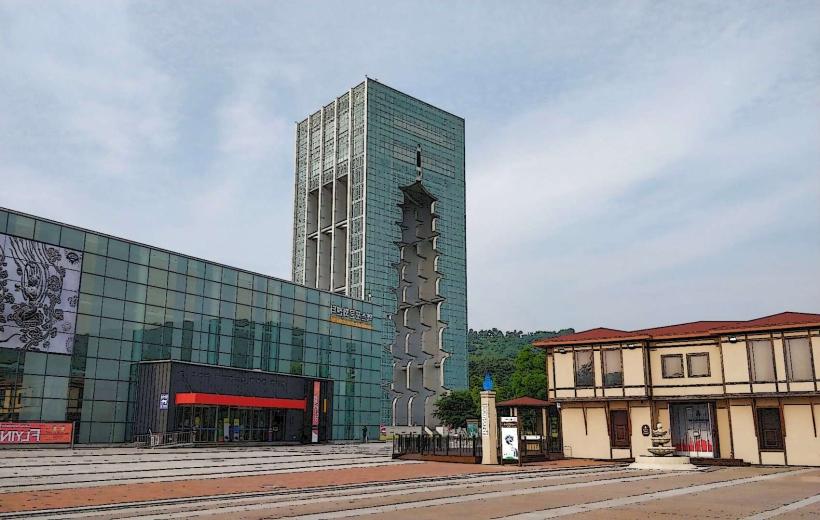
- Gyeongju National Museum (1.5km North-East)
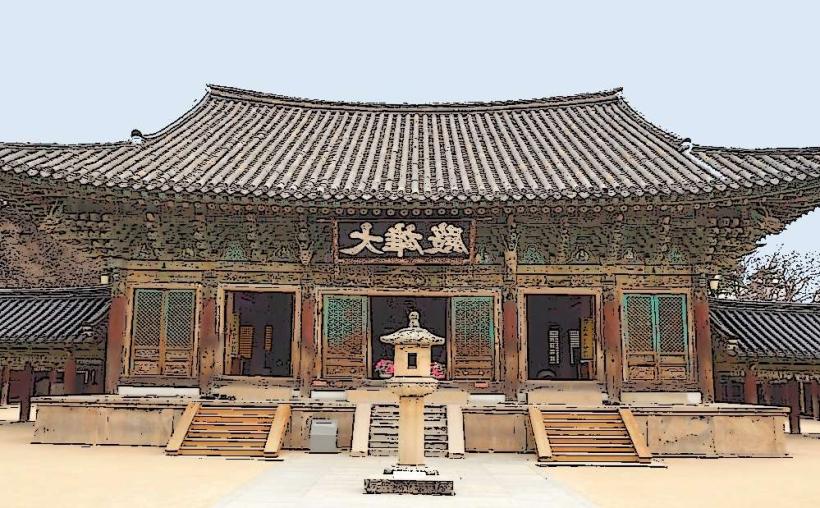
- Bulguksa Temple (2.0km East)
- Bomun Lake Resort (3.5km North-West)
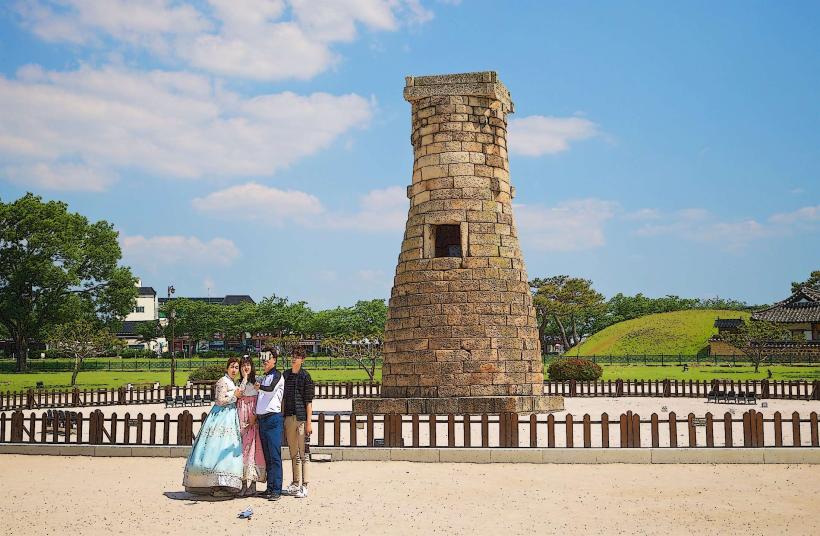
- Cheomseongdae Observatory (4.0km North)
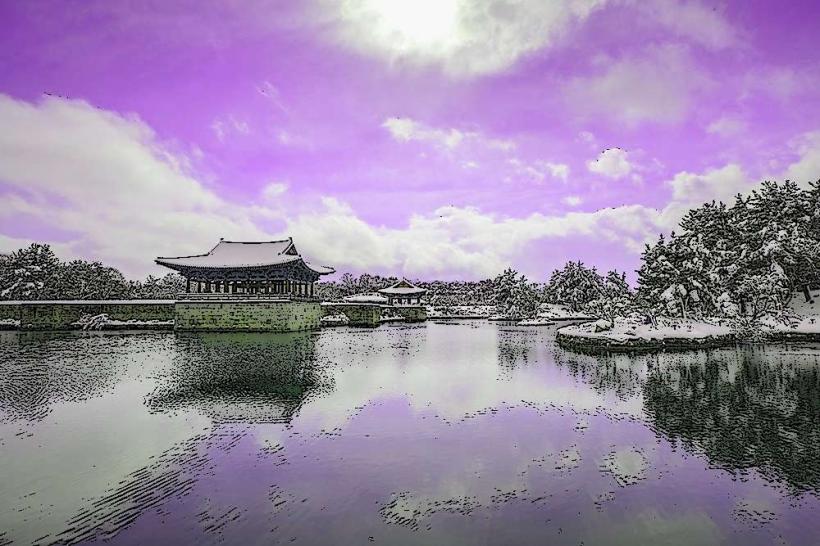
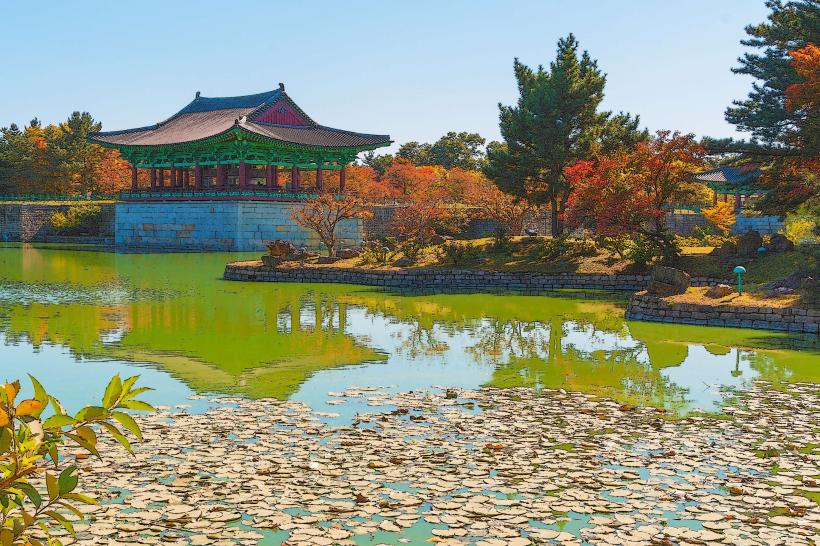
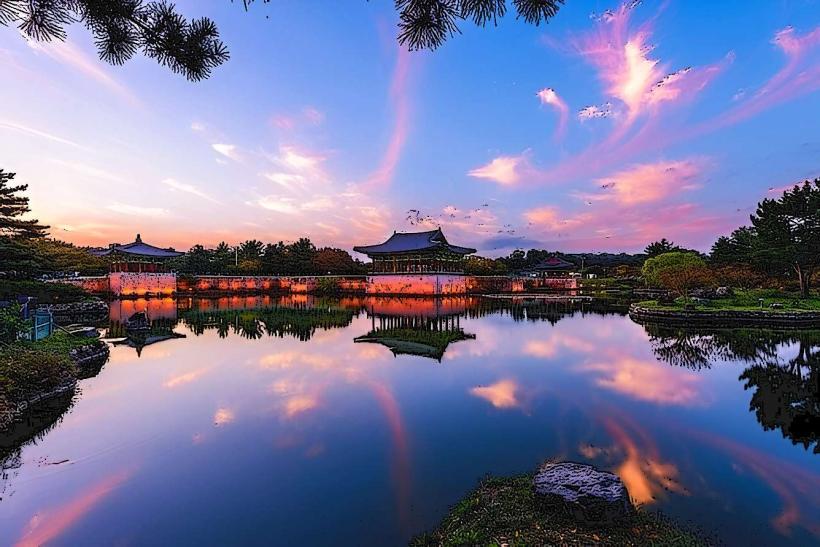
- Donggung Palace and Wolji Pond (Anapji) (4.5km North)