Information
Landmark: Hawaiian Paradise ParkCity: Hilo
Country: USA Hawaii
Continent: North America
Hawaiian Paradise Park, Hilo, USA Hawaii, North America
Hawaiian Paradise Park is a residential development located on the Big Island of Hawaii, near Hilo.
It is characterized by its large, undeveloped lots and proximity to the Pacific Ocean.
Visual Characteristics
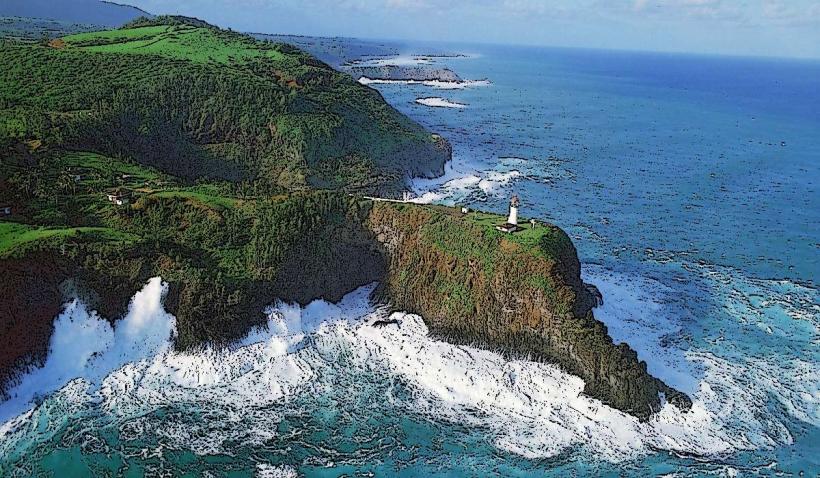
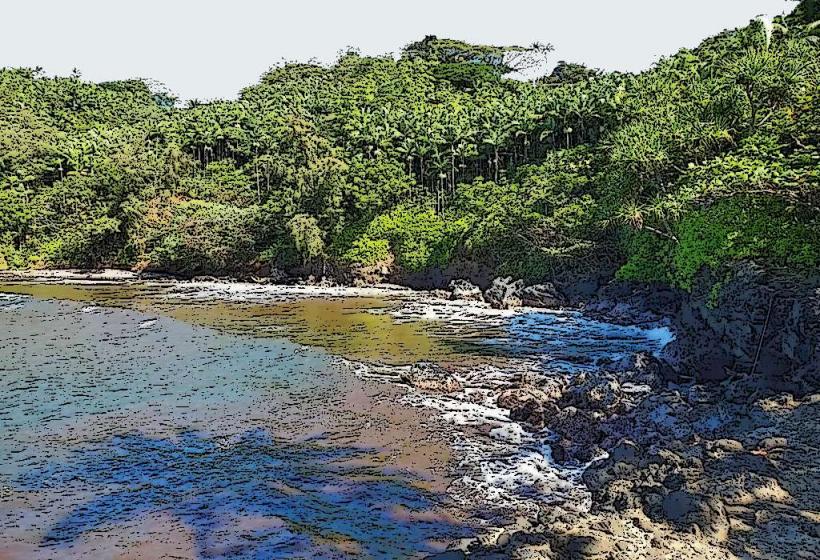
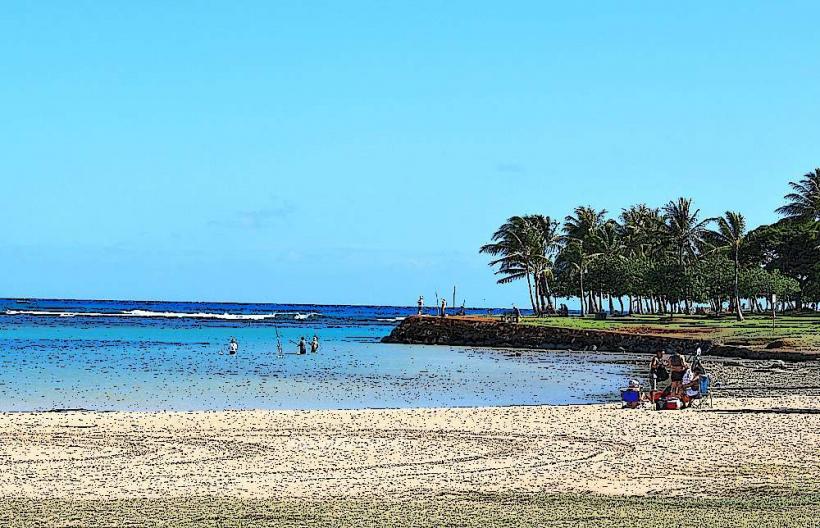
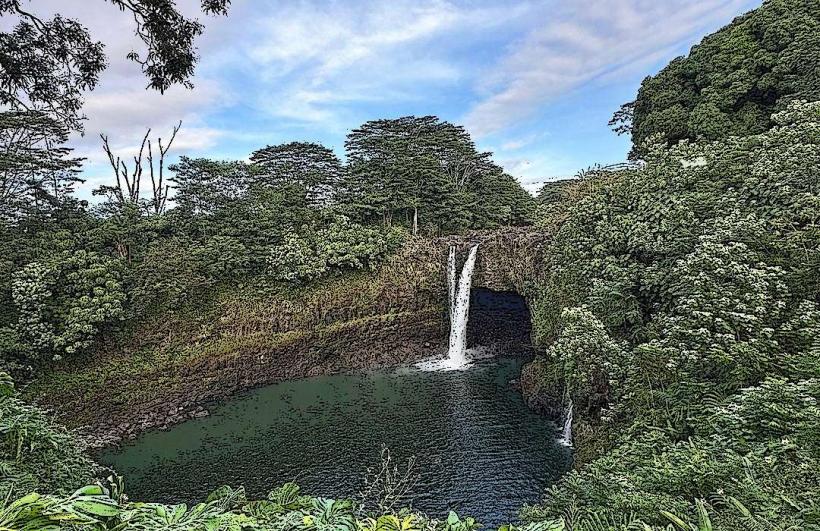
The landscape consists of relatively flat terrain with a dense covering of native and introduced vegetation, including various types of trees, shrubs, and grasses. The soil is primarily volcanic in origin, appearing dark brown to black. The coastline is predominantly rocky, with lava flows meeting the ocean. Lot sizes are typically one acre or larger, contributing to a less densely built environment.
Location & Access Logistics
Hawaiian Paradise Park is situated approximately 15 miles southeast of Hilo. Access is primarily via Hawaii Tropical Belt Road (also known as Old Volcano Road) and Paradise Drive. Major access points are off Highway 11. There is no dedicated public transport service within the park itself; residents and visitors rely on private vehicles. Parking is generally available on individual properties or along the sides of unpaved roads within the development.
Historical & Ecological Origin
Hawaiian Paradise Park was established as a residential subdivision in the mid-20th century, designed to offer large land parcels. Ecologically, the area is part of the Puna District, known for its recent volcanic activity and lush, tropical rainforest environment. The land was historically used for agriculture before its development into residential lots.
Key Highlights & Activities
Activities are primarily self-directed due to the undeveloped nature of many areas. Residents and visitors can explore the local flora and fauna on foot. Access to the coastline allows for observation of ocean conditions and lava flows, depending on current geological activity. Some residents maintain private access points to the ocean for recreational purposes.
Infrastructure & Amenities
Infrastructure within Hawaiian Paradise Park is varied. Paved roads are present on main thoroughfares, while many interior roads are unpaved and can become muddy after rainfall. Potable water is supplied via a private water system. Electricity and telephone services are available. Cell phone reception (4G/5G) can be inconsistent, particularly in more remote sections of the park. There are no public restrooms or designated food vendors within the development; amenities are typically found in nearby towns like Kea'au.
Best Time to Visit
The best time for photography is generally during the morning or late afternoon when the sun angle provides softer light. The climate is tropical, with consistent temperatures year-round. Rainfall is frequent, particularly during the winter months (November to March). Visiting during drier periods, typically from April to October, can offer more comfortable conditions for outdoor exploration.
Facts & Legends
A notable characteristic of Hawaiian Paradise Park is its ongoing interaction with volcanic activity. The area has been impacted by past lava flows, and residents often monitor Kīlauea volcano's activity. A local "secret" tip is to be aware of the unpaved road conditions, especially after rain, and to have a vehicle suitable for potentially rough terrain.
Nearby Landmarks
- Hawaii Volcanoes National Park (15km Southwest)
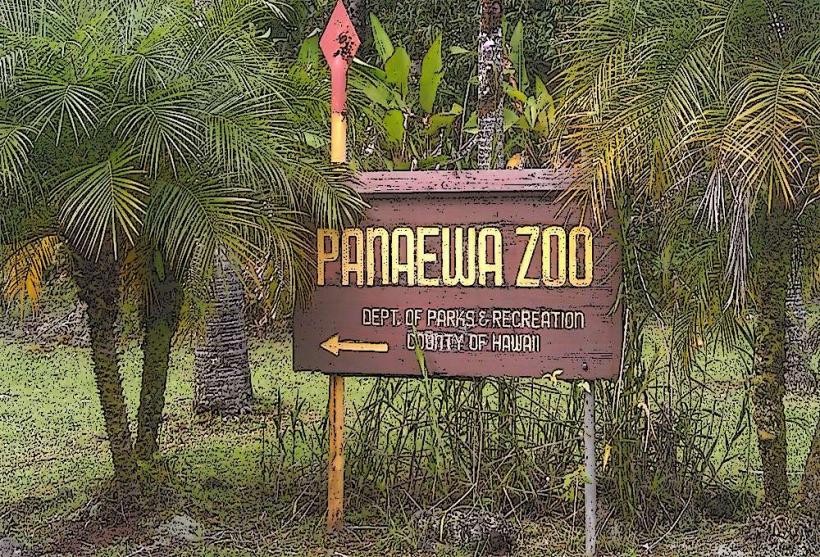
- Panaʻewa Rainforest Zoo and Gardens (10km Northwest)
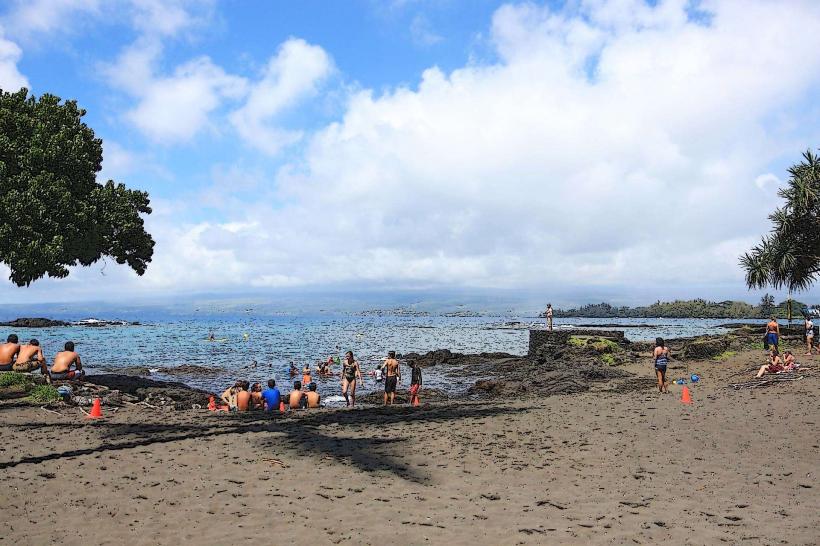
- Richardson Ocean Park (8km Southeast)
- Carlsmith Beach Park (9km Southeast)
- Lava Tree State Monument (12km Southeast)