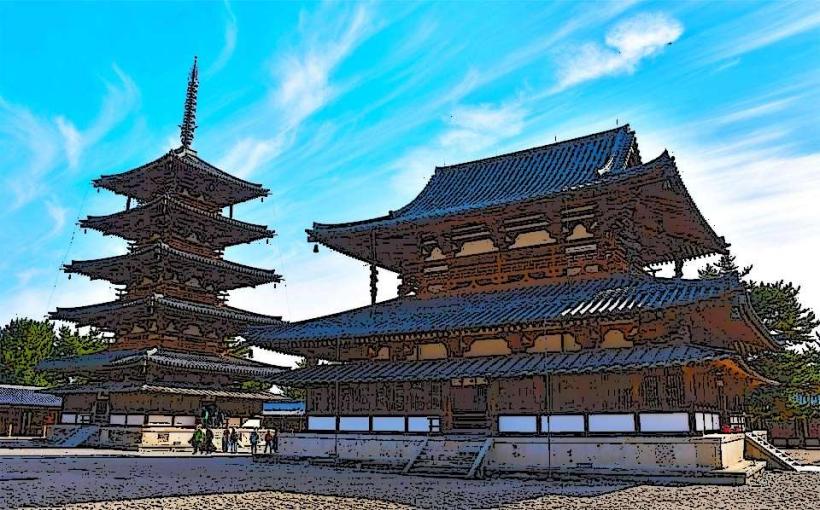
Landmark: Horyu-ji Temple
City: Nara
Country: Japan
Continent: Asia
Horyu-ji Temple, Nara, Japan, Asia
Horyu-ji Temple is a Buddhist temple complex located in Ikaruga, Nara Prefecture, Japan.
It is one of the world's oldest surviving wooden structures and a significant repository of Buddhist art and artifacts.
Visual Characteristics
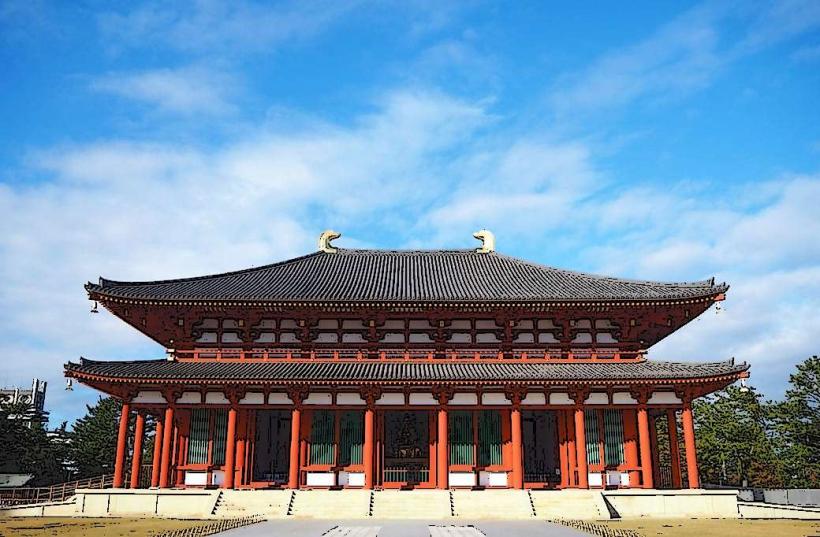
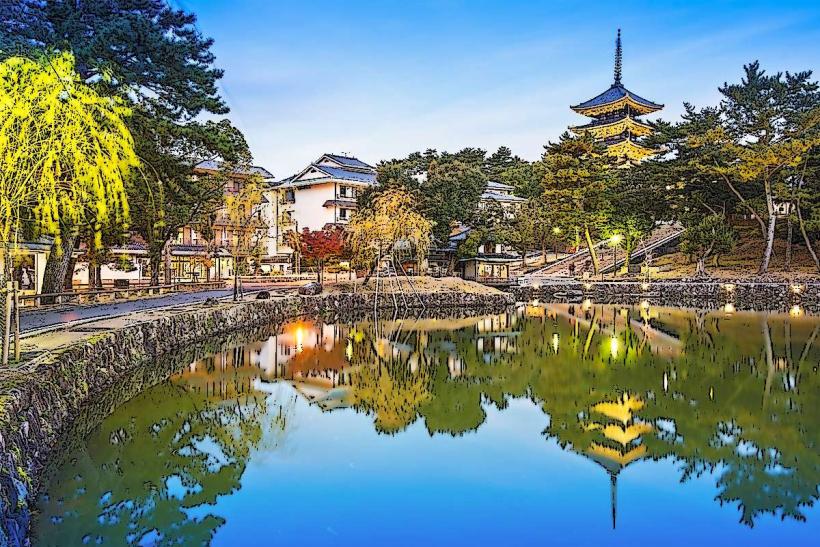
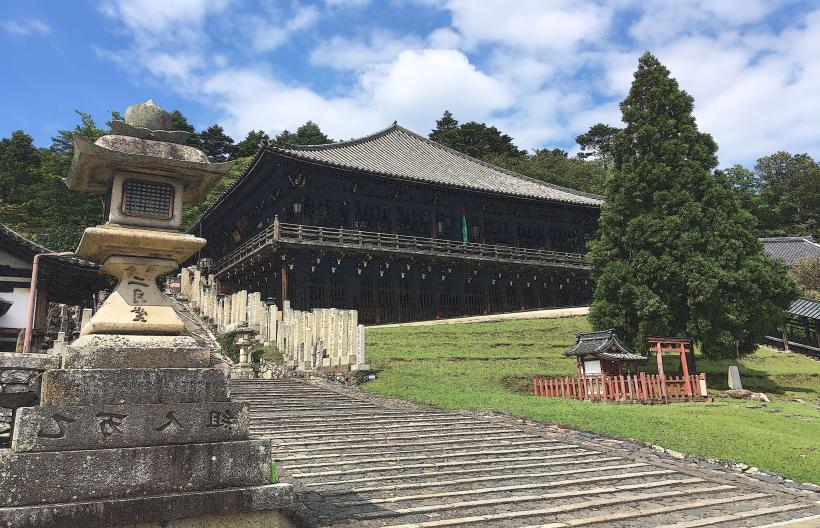
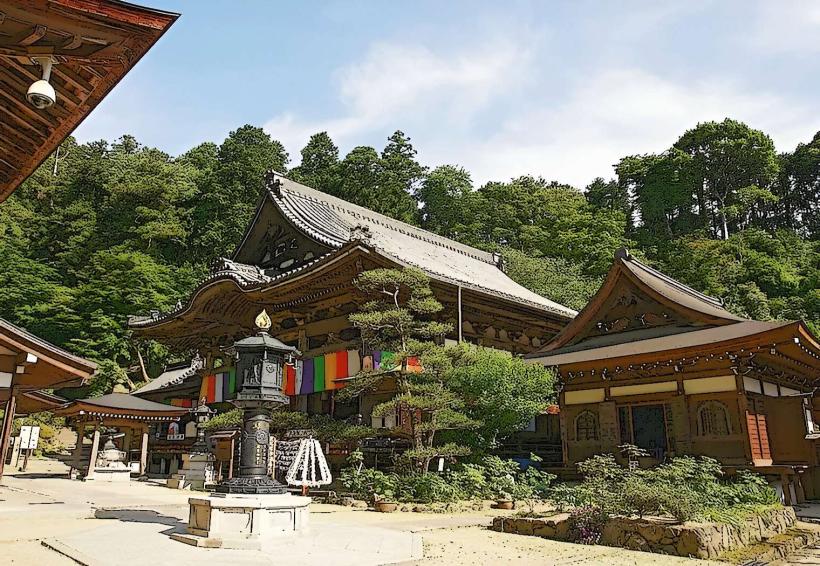
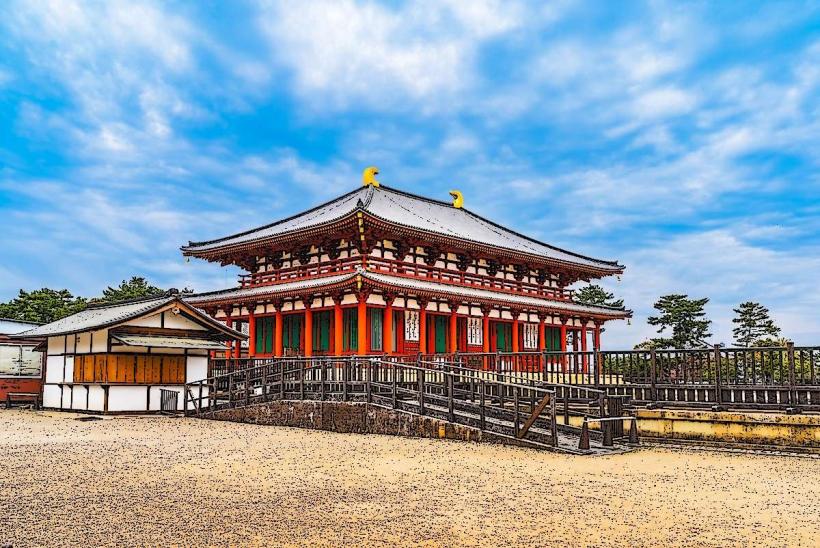
The temple complex comprises over 50 buildings, including the five-story Kondo (Golden Hall) and the Five-Story Pagoda. The structures are primarily constructed from cypress wood, exhibiting a natural, weathered patina. The roofs are tiled with grey ceramic tiles. The architectural style reflects early Japanese Buddhist design, influenced by Tang Dynasty China. The Kondo stands approximately 13 meters high, while the pagoda reaches about 32 meters.
Location & Access Logistics
Horyu-ji Temple is situated approximately 12 kilometers southwest of Nara City. Access from Nara Station involves taking the JR Yamatoji Line to Oji Station (approx. 15 minutes), followed by a 20-minute walk or a short bus ride (Nara Kotsu Bus lines 71, 72, or 97) to the Horyu-ji Sanmon bus stop. Parking is available at designated lots near the temple entrance, with a fee. Limited street parking may be found in the vicinity.
Historical & Ecological Origin
Horyu-ji was founded in 607 AD by Prince Shotoku, who was a proponent of Buddhism in Japan. The original structures were built by skilled artisans of the Asuka period. The temple has undergone several reconstructions and renovations over its history, most notably after fires in 670 AD and 1949 AD. The current main structures date from the 17th century, though some elements are older.
Key Highlights & Activities
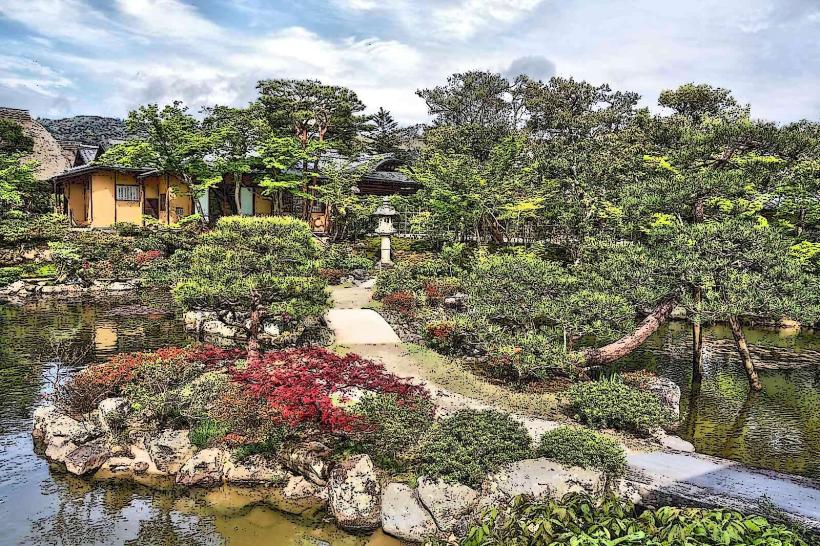
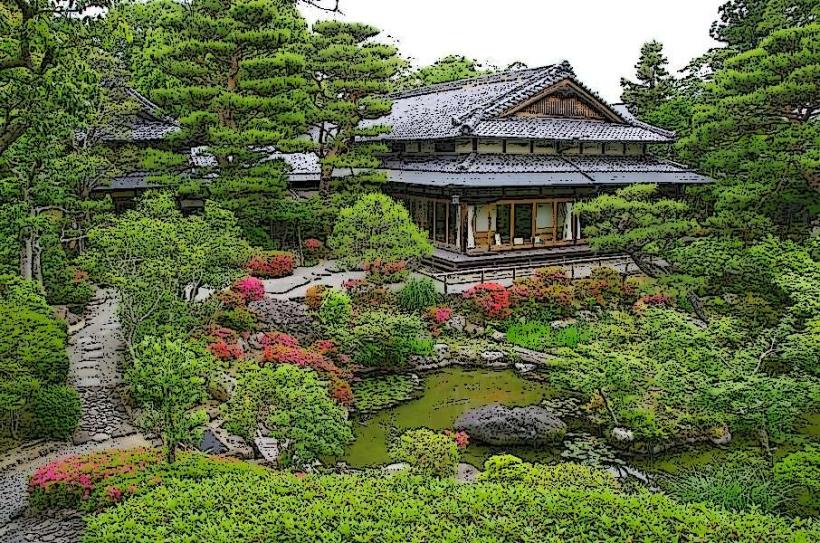
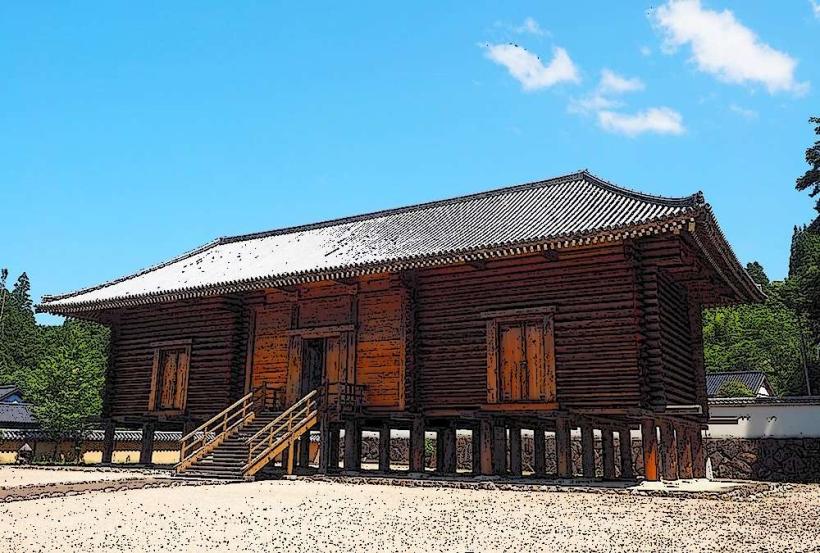
Visitors can explore the Great Lecture Hall (Daikodo), the Bell Tower (Shoro), and the Treasure House (Homotsuden), which houses numerous national treasures. The Kondo contains important Buddhist statues and murals. Walking the grounds allows for observation of the architectural details and the surrounding gardens. Photography is permitted in designated outdoor areas, but not inside the main halls.
Infrastructure & Amenities
Restrooms are available within the temple grounds. Shaded areas are provided by the temple buildings and mature trees. Cell phone signal (4G/5G) is generally available. Food vendors and small restaurants are located outside the main temple entrance and along the approach road.
Best Time to Visit
For optimal lighting on the structures, early morning (9:00 AM - 11:00 AM) or late afternoon (2:00 PM - 4:00 PM) is recommended. The best months for visiting are spring (March-May) for mild weather and autumn (September-November) for pleasant temperatures and fall foliage. There are no tide-dependent activities.
Facts & Legends
A local legend states that Prince Shotoku himself helped carry stones for the construction of the pagoda. A verified historical oddity is that the temple has survived numerous fires and earthquakes throughout its long history, a testament to its construction methods and the dedication to its preservation.
Nearby Landmarks
- Nara National Museum (8.5km Northeast)
- Todai-ji Temple (11.2km Northeast)
- Kasuga Taisha Shrine (12.1km Northeast)
- Isuien Garden (10.8km Northeast)
- Kofuku-ji Temple (10.5km Northeast)