Information
Landmark: Mount WakakusaCity: Nara
Country: Japan
Continent: Asia
Mount Wakakusa, Nara, Japan, Asia
Mount Wakakusa is a grass-covered mountain located in Nara, Japan. It is known for its distinctive shape and its role in local traditions.
Visual Characteristics
The mountain's slopes are covered in dense, short grass, giving it a rounded appearance. The summit reaches an elevation of 342 meters. The vegetation is primarily grassland with scattered pine trees, particularly on the lower slopes. The mountain is a prominent feature of the Nara skyline.
Location & Access Logistics
Mount Wakakusa is situated approximately 1.5 kilometers east of Nara Park's central area. Access is via walking paths originating from the park. The nearest train station is Kintetsu Nara Station, which is about a 20-minute walk to the base of the mountain. There is no dedicated parking at the mountain itself; visitors typically park in Nara Park's public parking lots. Public bus lines serving Nara Park also provide access to the vicinity.
Historical & Ecological Origin
Mount Wakakusa is a natural geological formation, part of the Ikoma Mountains range. Its ecological classification is temperate grassland. The mountain has been a site of human activity for centuries, notably for the annual Yamayaki (mountain burning) festival, which dates back to the Edo period (1603-1868) and is believed to have origins in a border dispute resolution or pest control.
Key Highlights & Activities
Hiking to the summit is the primary activity. The ascent involves well-maintained walking trails. Visitors can observe the panoramic views of Nara city and the surrounding landscape from the top. The annual Yamayaki festival, held on the fourth Saturday of January, involves setting fire to the dry grass on the mountainside.
Infrastructure & Amenities
Restrooms are available at the base of the mountain and near the summit. Shaded areas are limited, primarily found at the base. Cell phone signal (4G/5G) is generally available. Food vendors are not present on the mountain itself but are common in the adjacent Nara Park area.
Best Time to Visit
For photography, early morning or late afternoon light provides optimal illumination of the grassy slopes. The best months for visiting are spring (March-May) for pleasant weather and autumn (September-November) for clear skies and cooler temperatures. The Yamayaki festival requires attendance on a specific date in January. There are no tide-dependent activities.
Facts & Legends
A local legend suggests that the Yamayaki festival originated from a dispute between two temples, Todai-ji and Kofuku-ji, over territorial boundaries. The fire was used to mark the borders. A practical tip for visitors is to wear appropriate footwear for the ascent, as the trails can be steep in sections.
Nearby Landmarks
- Nara Park (0.2km West)
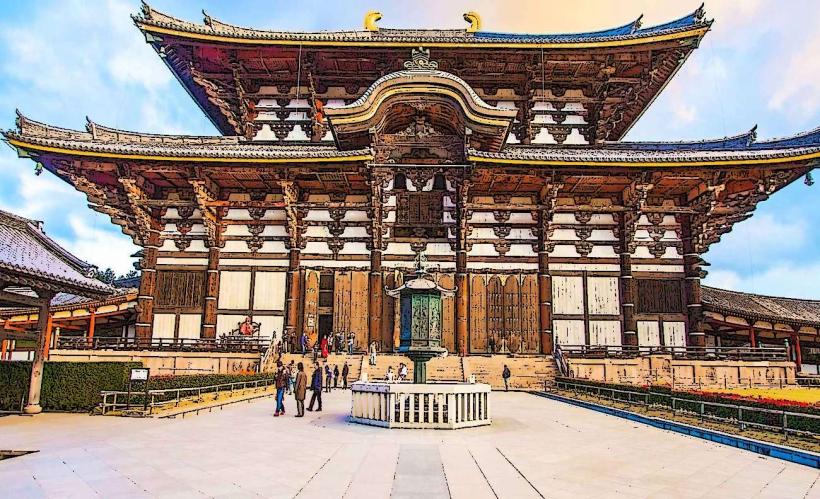
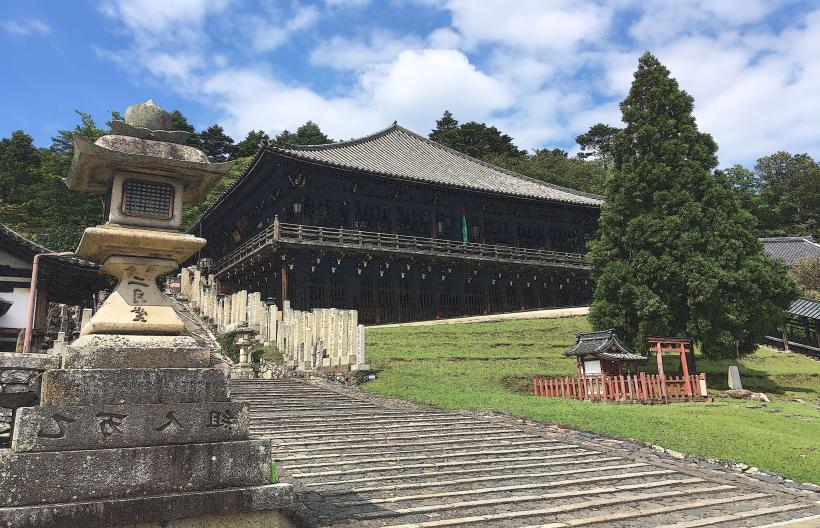
- Todai-ji Temple (1.0km West)
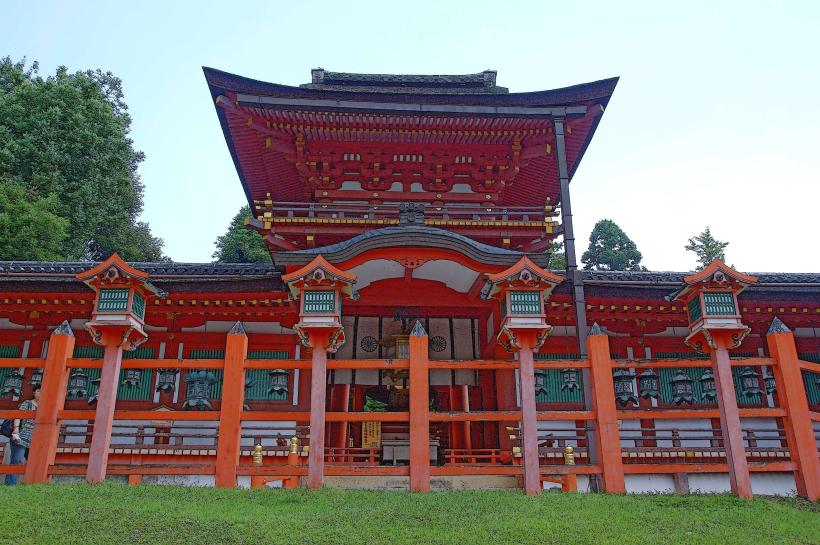
- Kasuga Taisha Shrine (1.5km Southwest)
- Kofuku-ji Temple (1.8km West)
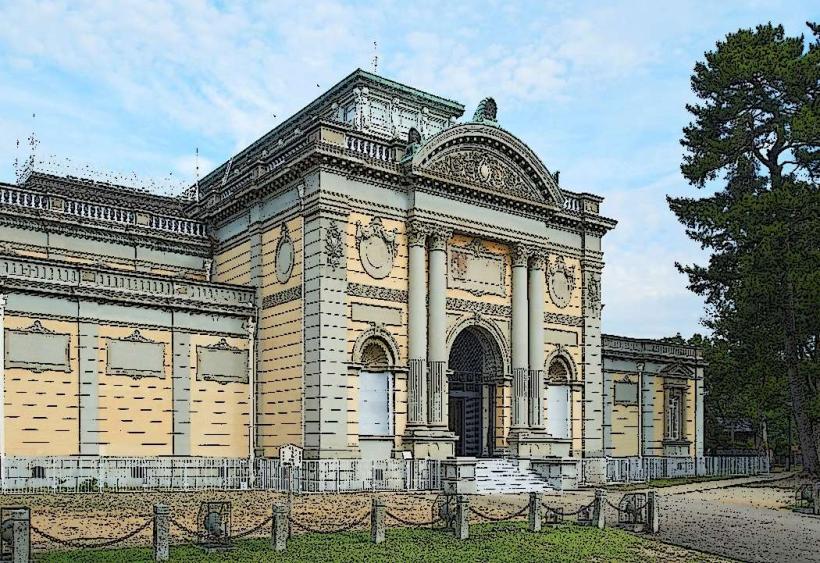
- Nara National Museum (1.9km West)