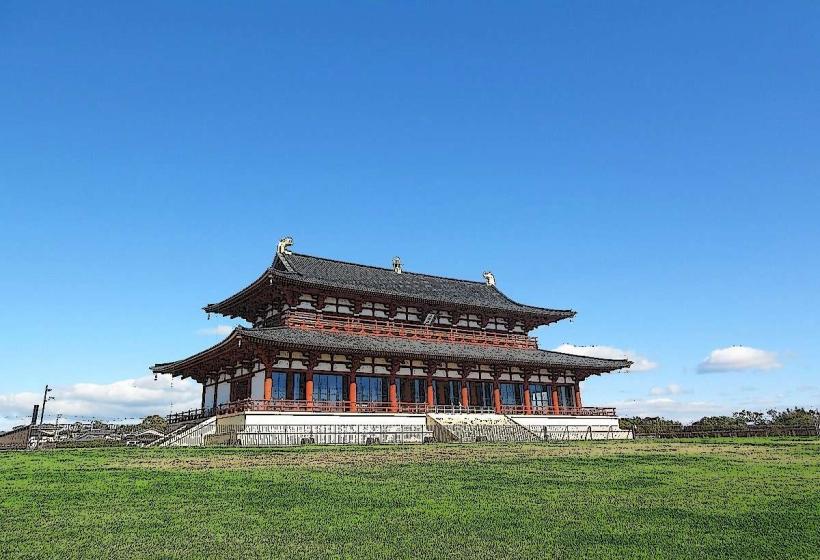
Landmark: Nara Palace Site
City: Nara
Country: Japan
Continent: Asia
Nara Palace Site, Nara, Japan, Asia
The Nara Palace Site is the former imperial palace complex of Japan's capital city, Heijo-kyo, located in the present-day city of Nara.
Visual Characteristics
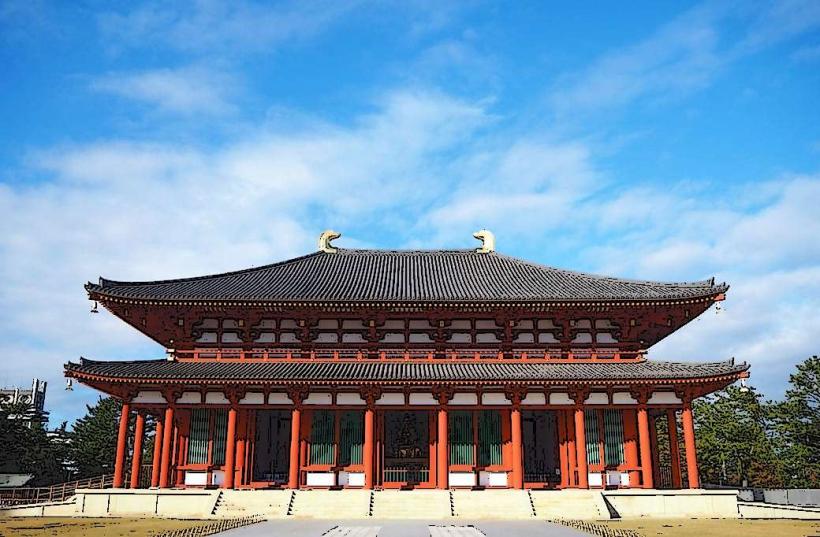
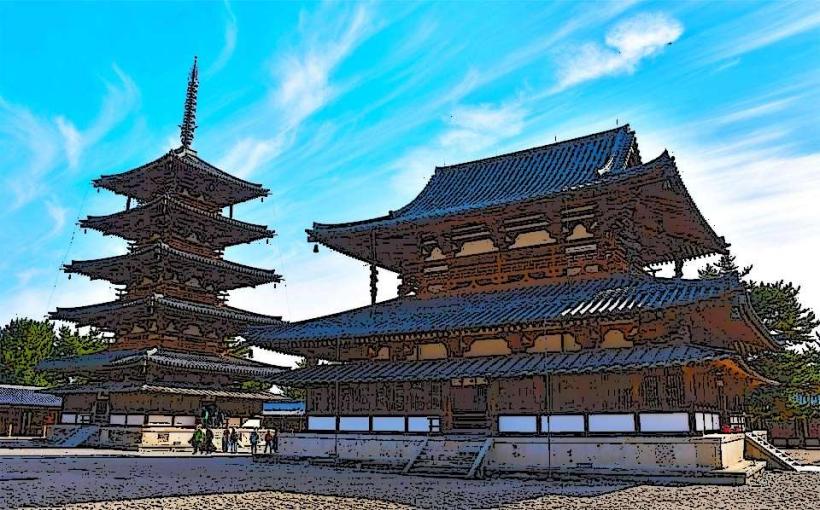
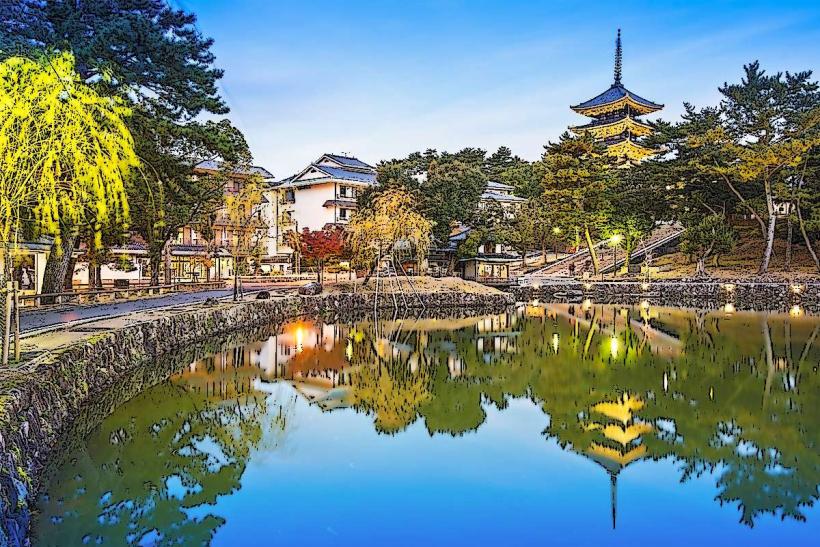
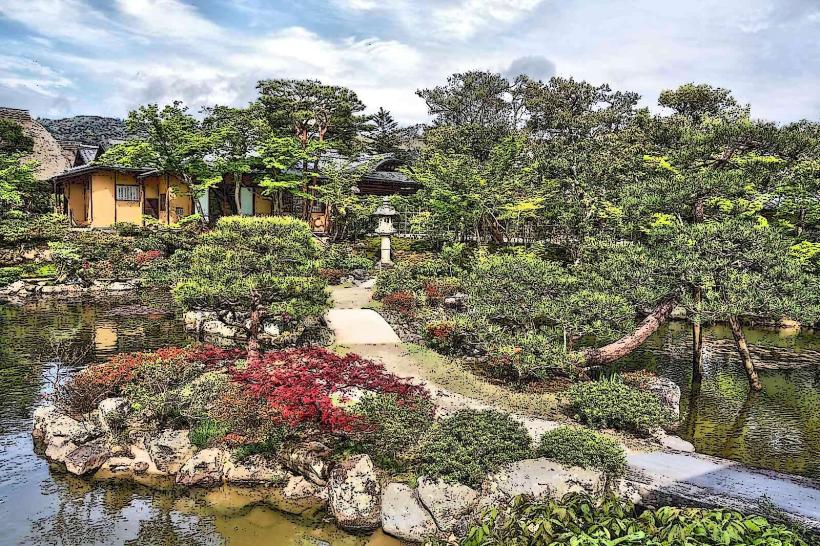
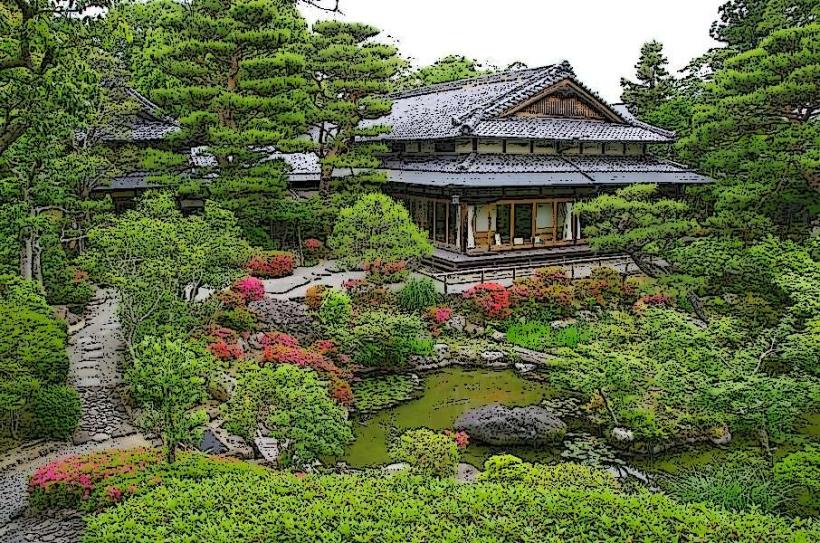
The site is primarily an archaeological park featuring excavated foundations of the palace buildings. Visible elements include stone foundations, drainage systems, and outlines of former walls and courtyards. Reconstructed sections of the East Palace Garden demonstrate the original layout and landscaping. The area is largely flat, with sparse vegetation in excavated zones and more mature trees in preserved garden areas.
Location & Access Logistics
The Nara Palace Site is situated approximately 2km east of JR Nara Station and Kintetsu Nara Station. Access is via National Route 24. Parking is available at designated lots on the north and east sides of the site. Public transport options include the Nara Kotsu Bus lines 88, 97, and 103, which stop at the "Heijo Palace Remains" bus stop. The site is also accessible via a 20-minute walk from the JR Yamato-Saidaiji Station.
Historical & Ecological Origin
Construction of the Nara Palace began in 710 AD, coinciding with the establishment of Heijo-kyo as the capital. The complex served as the seat of government and imperial residence until the capital moved to Heian-kyo (Kyoto) in 794 AD. The site is classified as a historical archaeological zone, representing a significant period of Japanese urban planning and imperial administration.
Key Highlights & Activities
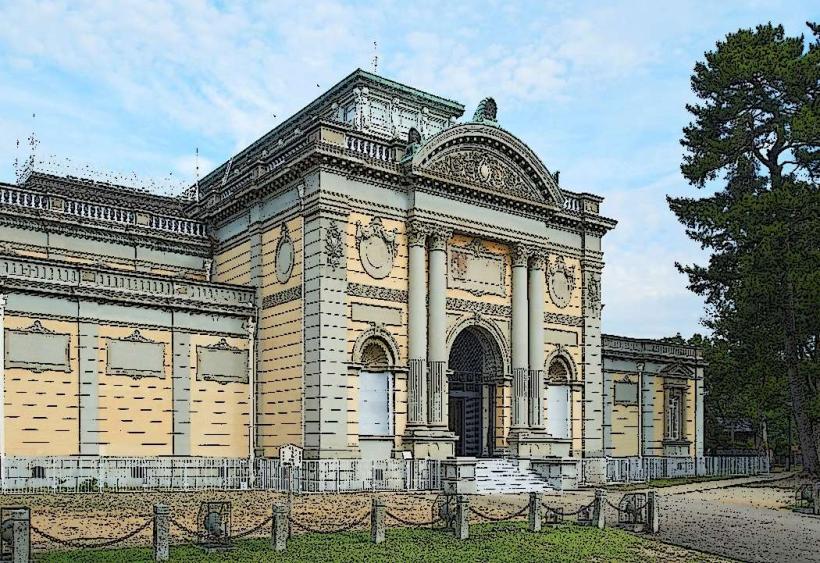
Visitors can explore the excavated foundations of the Great Audience Hall and the Imperial Residence. The reconstructed East Palace Garden offers insight into ancient Japanese garden design. The Nara National Museum's Heijo Palace Site Exhibition Hall, located on-site, displays artifacts recovered from the excavations. Walking the perimeter of the former palace grounds is possible.
Infrastructure & Amenities
Restrooms are available at the visitor center and near the East Palace Garden. Shaded areas are limited to trees within the garden and benches. Cell phone signal (4G/5G) is generally available across the site. No on-site food vendors are present, but small cafes and restaurants are located outside the main park area, particularly near the visitor center.
Best Time to Visit
For optimal lighting for photography of the reconstructed garden elements, early morning or late afternoon is recommended. The best months for visiting are April to May and October to November, offering mild temperatures and clear skies. High tide or low tide is not a relevant factor for this land-based historical site.
Facts & Legends
A unique historical oddity is the discovery of numerous wooden tablets (mokkan) during excavations, providing detailed administrative records and insights into daily life during the Nara period. One such tablet records the distribution of rice to palace officials.
Nearby Landmarks
- Nara National Museum (0.8km West)
- Kofuku-ji Temple (1.5km West)
- Todai-ji Temple (2.2km West)
- Kasuga Taisha Shrine (2.8km Southwest)
- Isuien Garden (1.8km West)