Landmark: Hot Springs National Park
City: Hot Springs
Country: USA Arkansas
Continent: North America
Hot Springs National Park, Hot Springs, USA Arkansas, North America
Hot Springs National Park is a protected area located within the city limits of Hot Springs, Arkansas, USA. It preserves a collection of natural thermal springs and the historic bathhouses that utilize them.
Visual Characteristics
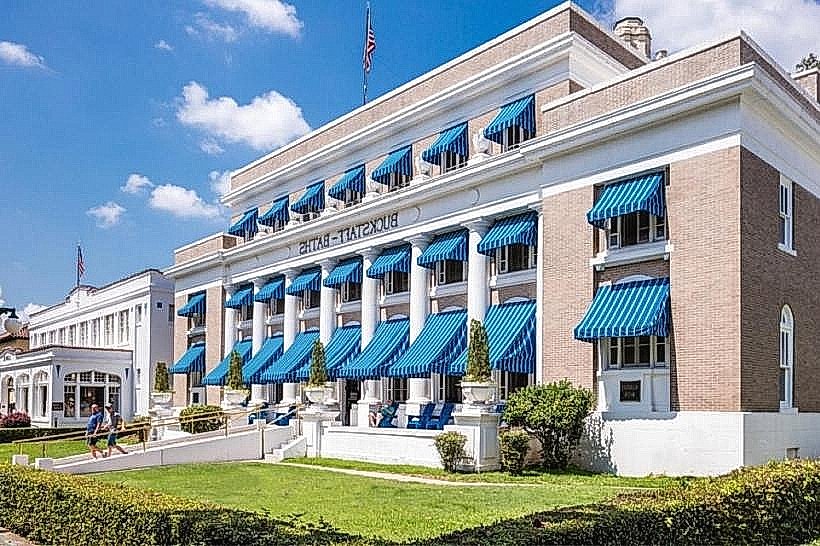
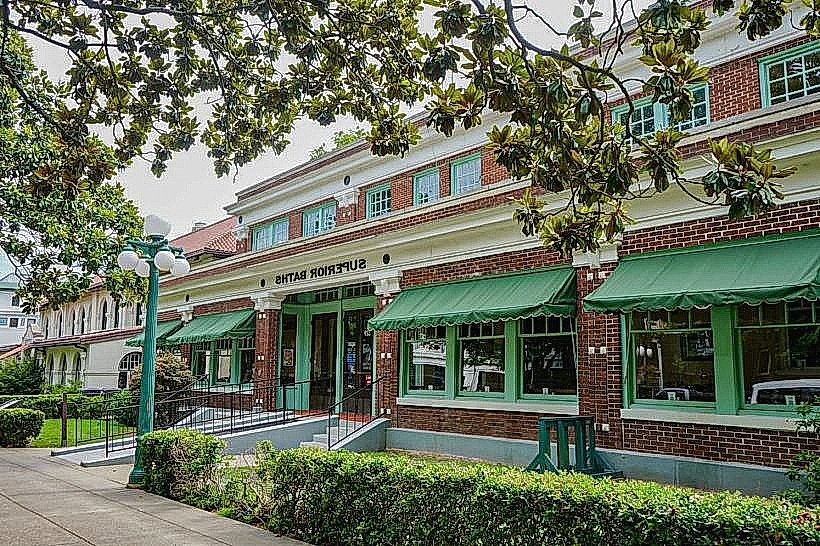
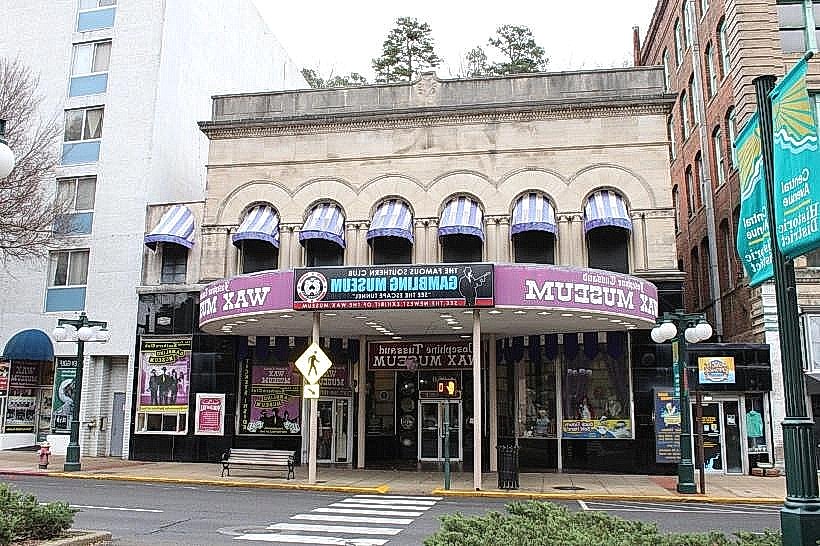
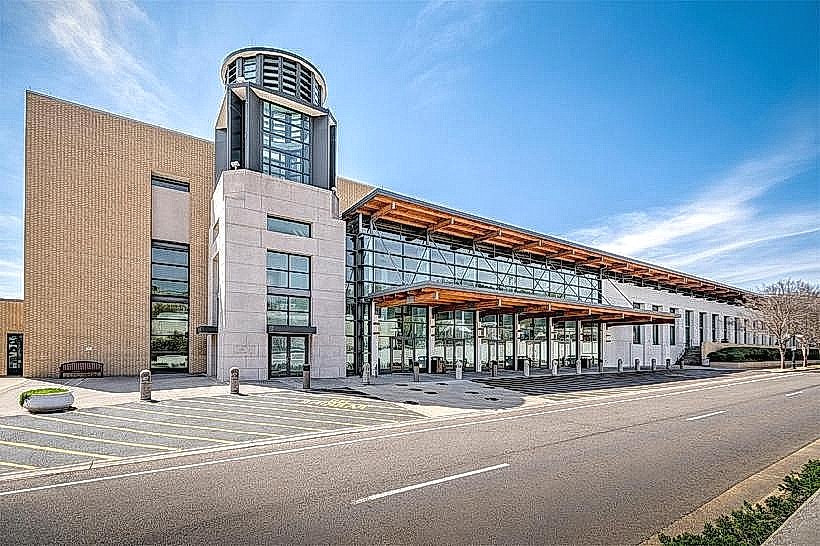
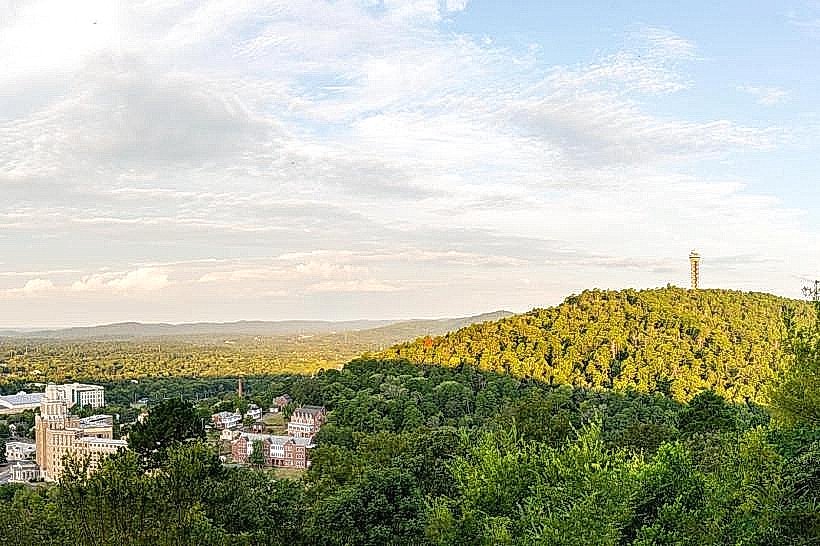
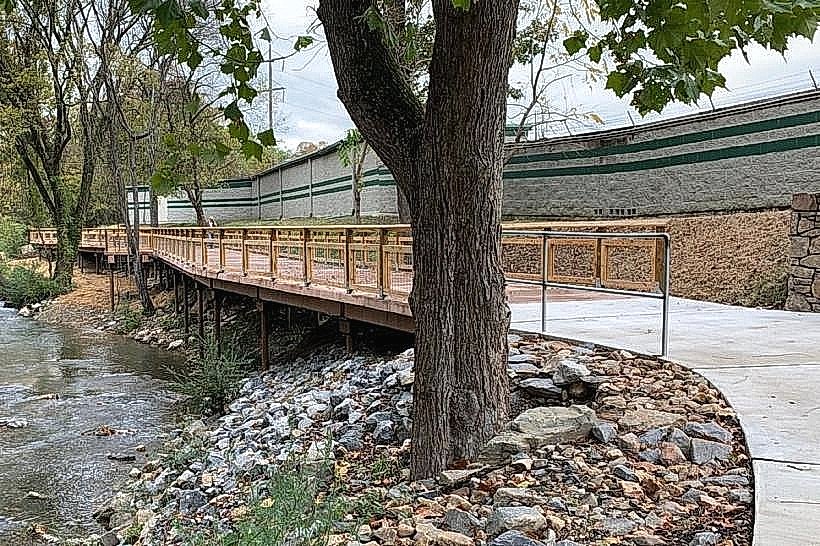
The park features a central Bathhouse Row, a collection of architecturally diverse buildings constructed primarily from brick, stone, and concrete. Structures range from two to four stories in height, exhibiting styles such as Spanish Renaissance Revival and Art Deco. The surrounding landscape includes Ouachita Mountain foothills with dense deciduous forestation, interspersed with the clear waters of Hot Springs Creek.
Location & Access Logistics
The park is situated within the city of Hot Springs, Arkansas. Access is directly from U.S. Route 70. The main entrance is located at 101 Central Avenue. Ample parking is available in designated lots along Central Avenue and Fountain Street, with metered street parking also present. Public transportation within the city includes bus routes that service the downtown area, with stops near Bathhouse Row.
Historical & Ecological Origin
The thermal springs are geologically formed, with water originating from deep within the earth, heated by geothermal energy, and emerging at the surface. The area was designated a National Park in 1921, though its use for therapeutic bathing dates back to the 19th century. The bathhouses were constructed between 1892 and 1923, with the primary purpose of providing public access to the spring waters for health and wellness.
Key Highlights & Activities
Visitors can tour the historic Fordyce Bathhouse, which serves as the park's visitor center and museum. Sampling the spring water is permitted at designated public fountains. Hiking trails are available on the surrounding hills, including the Grand Promenade, a paved walkway behind Bathhouse Row. Guided tours of the bathhouses are offered. Bathing in the thermal waters is available at Buckstaff Bathhouse and Quapaw Baths.
Infrastructure & Amenities
Restrooms are available within the visitor center and at operational bathhouses. Shade is provided by the forest canopy and the architecture of the bathhouses. Cell phone signal (4G/5G) is generally available within the developed areas of the park. Food vendors and restaurants are located along Central Avenue, adjacent to the park.
Best Time to Visit
The park is accessible year-round. For outdoor activities like hiking, spring (April-May) and fall (September-October) offer moderate temperatures. Photography of the bathhouse architecture is optimal during daylight hours. The thermal waters are consistently maintained at approximately 104°F (40°C).
Facts & Legends
The springs are believed to have been discovered by Native American tribes centuries ago. A specific historical oddity is that the water is naturally filtered through sandstone and sand over a period of 4,000 years before reaching the surface, emerging at a constant temperature of 104°F (40°C) regardless of the season.
Nearby Landmarks
- Garvan Woodland Gardens: 3.5km Southeast
- Mid-America Science Museum: 4.2km Southwest
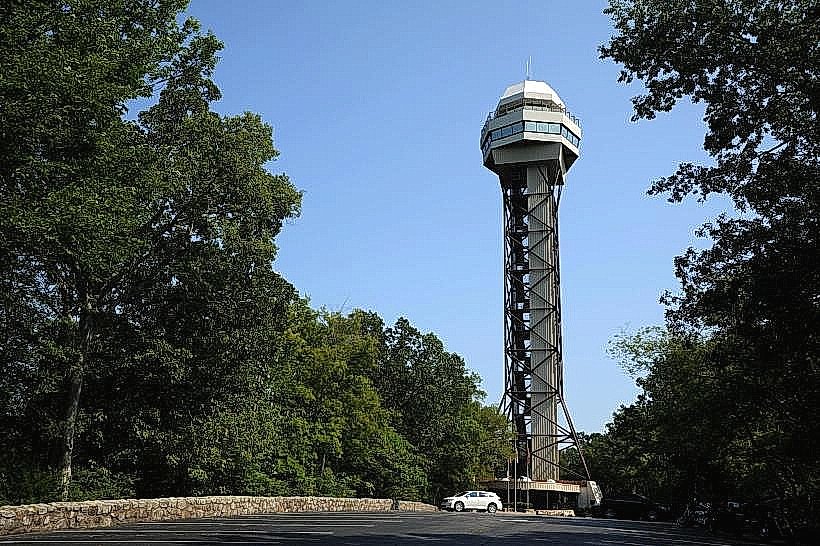
- Hot Springs Mountain Tower: 1.8km Northwest
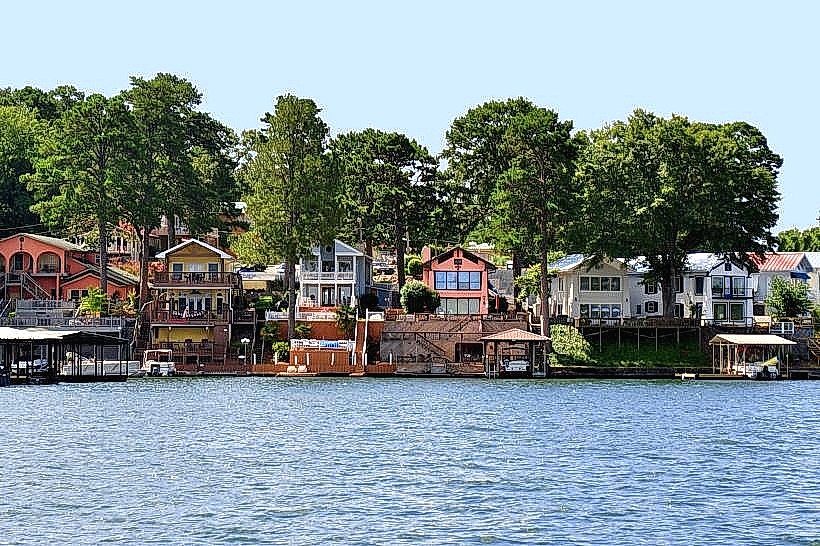
- Lake Hamilton: 5.0km South