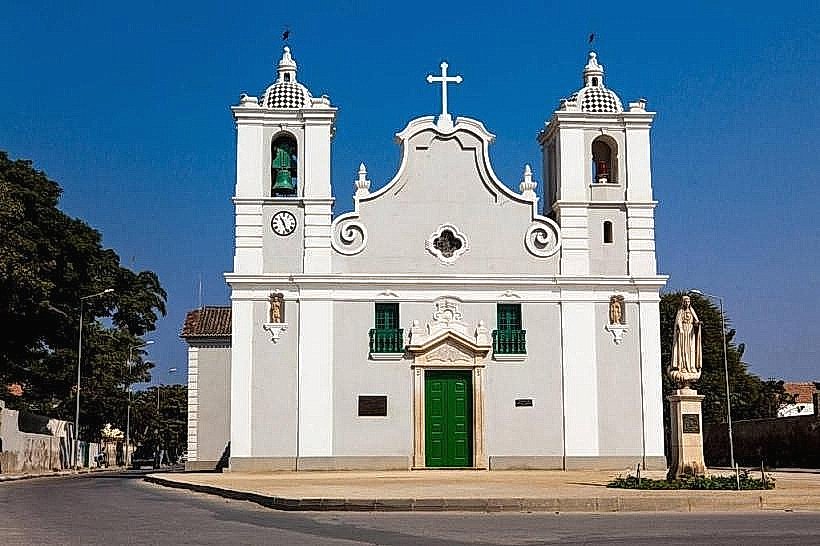
Landmark: Igreja do Carmo
City: Benguela
Country: Angola
Continent: Africa
Igreja do Carmo, Benguela, Angola, Africa
Igreja do Carmo is a Roman Catholic church located in the city of Benguela, Angola.
This religious structure serves as a significant historical and architectural point of interest within the urban landscape.
Visual Characteristics
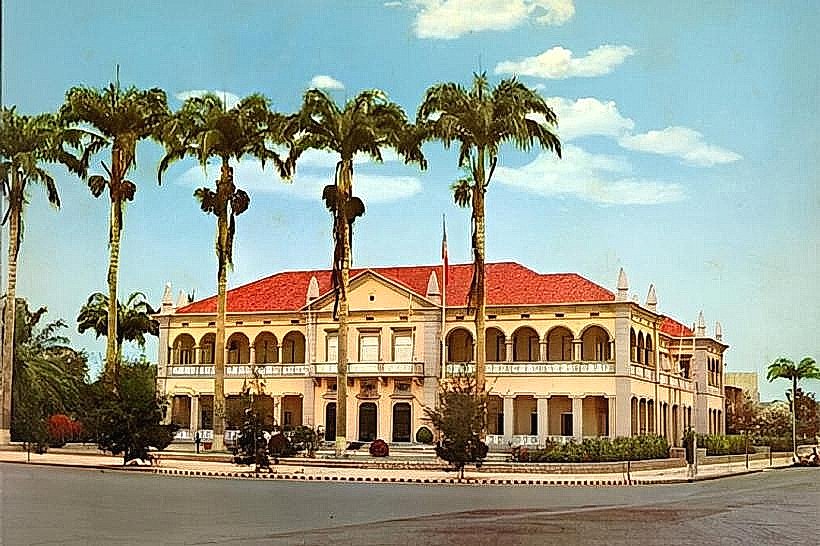
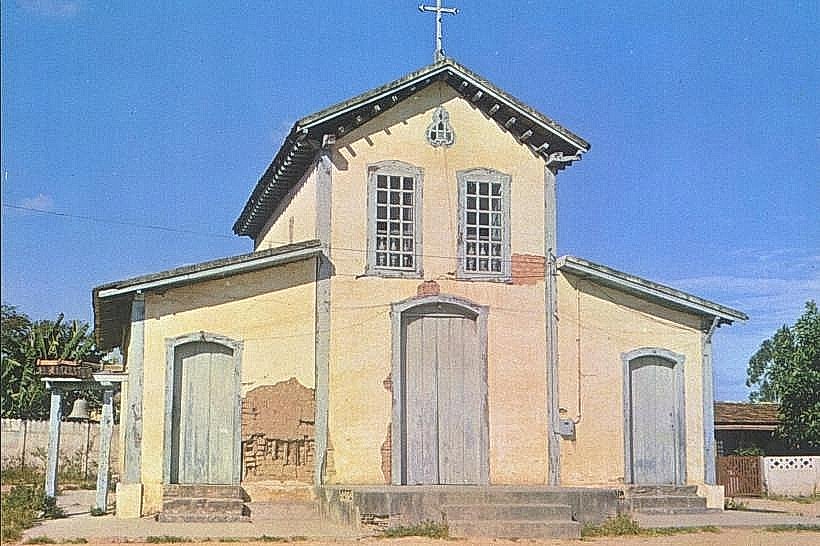
The church is constructed primarily from stone and plaster, painted in a pale yellow hue. It features a single bell tower situated above the main entrance. The architectural style is indicative of Portuguese colonial design, with a simple, rectangular nave and a pitched roof.
Location & Access Logistics
Igreja do Carmo is situated in the central district of Benguela. It is approximately 1 kilometer west of the city center. Access is via paved urban roads, with street parking available on adjacent streets, though capacity is limited. Public transport routes serving the city center also pass within a 500-meter radius of the church.
Historical & Ecological Origin
Construction of Igreja do Carmo began in the 17th century, with significant renovations and expansions occurring in the 18th and 19th centuries. It was built by Carmelite friars as part of their monastic complex. Its original purpose was to serve as a place of worship and a center for religious activities for the local community and the Carmelite order.
Key Highlights & Activities
Visitors can observe the church's exterior architecture. Interior access is typically limited to scheduled service times or by special arrangement. The immediate vicinity offers opportunities for urban exploration and photography of colonial-era buildings.
Infrastructure & Amenities
Restrooms are not publicly available within the church premises. There is no dedicated shade in the immediate outdoor area. Cell phone signal (4G/5G) is generally strong in this urban location. Food vendors are typically found in the main city center, approximately 1 kilometer away.
Best Time to Visit
For exterior photography, the late afternoon provides direct sunlight on the facade. The dry season, from May to September, offers the most consistent weather conditions. There are no tidal considerations for visiting this inland structure.
Facts & Legends
During the Portuguese colonial era, the church bells were reportedly used to signal important civic events in addition to religious services. Local accounts suggest that during periods of unrest, the church served as a temporary sanctuary.
Nearby Landmarks
- Museu Nacional de Arqueologia (0.8km East)
- Fortaleza de São Francisco Xavier (1.2km South-West)
- Praça da Independência (0.9km East)
- Mercado Municipal (1.1km East)