Landmark: Iguazú National Park
City: Iguazu
Country: Argentina
Continent: South America
Iguazú National Park, Iguazu, Argentina, South America
Iguazú National Park is a protected area located in the Misiones Province of Argentina, adjacent to the Iguazú River.
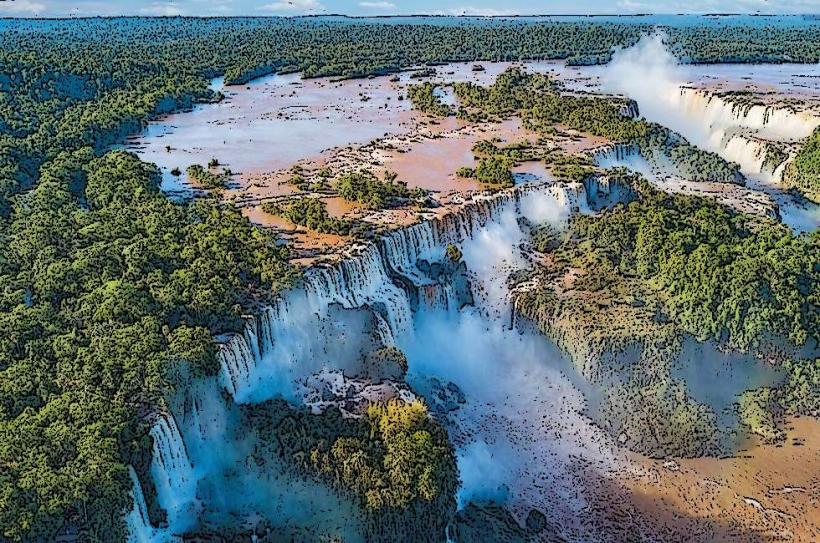
This park encompasses a significant portion of the Iguazú Falls, a system of hundreds of individual waterfalls.
Visual Characteristics
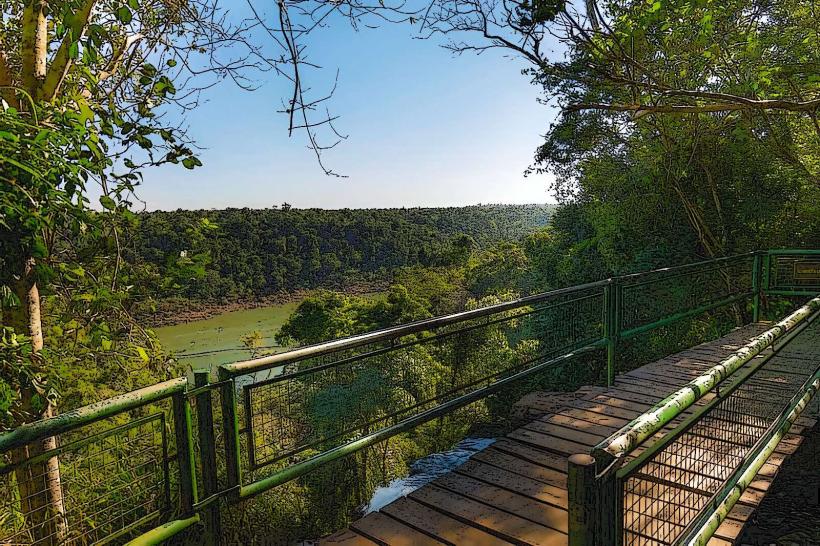
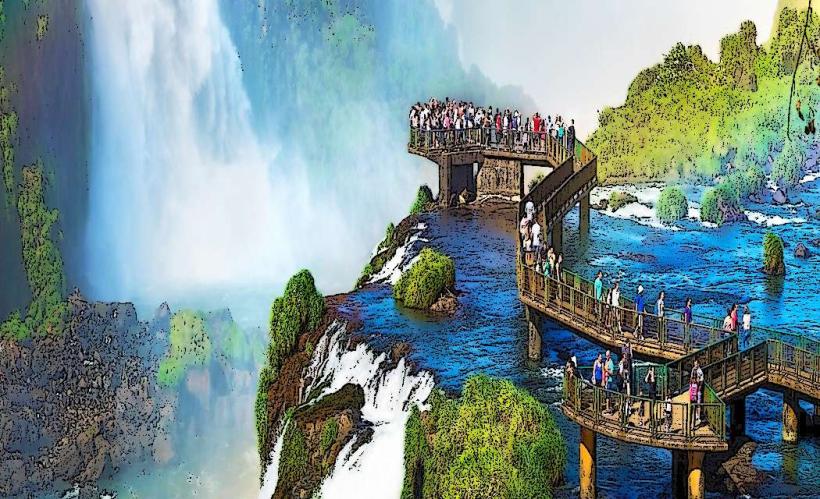
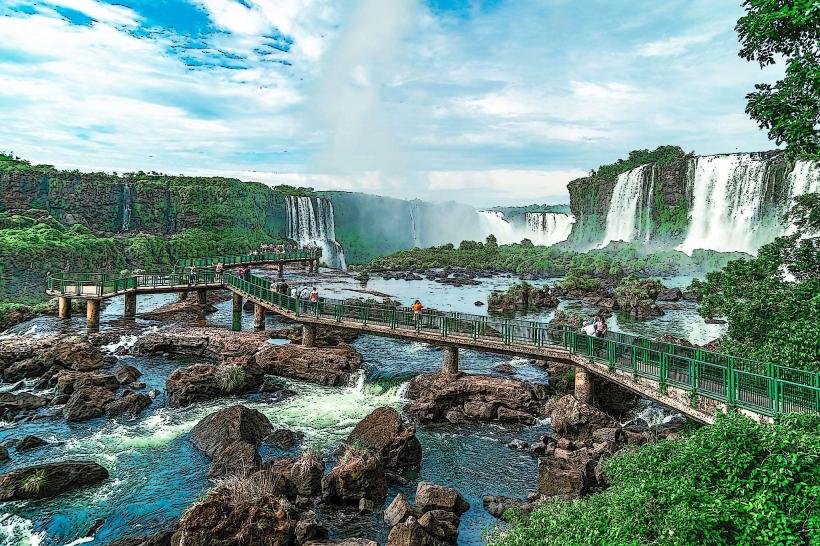
The park features dense subtropical rainforest. The Iguazú River, a wide and brown waterway, flows through the landscape, culminating in the falls. The falls themselves are characterized by multiple cascades of varying heights and widths, with water plunging over basalt cliffs. Vegetation includes a high diversity of trees, ferns, and epiphytes.
Location & Access Logistics
Iguazú National Park is situated approximately 17 kilometers (10.5 miles) west of the city of Puerto Iguazú. Access is primarily via National Route 12. The park entrance is clearly marked. Ample parking is available at the visitor center. Public transport options include local bus lines that run regularly from Puerto Iguazú to the park entrance.
Historical & Ecological Origin
The geological formation of the Iguazú Falls is attributed to the erosion of basalt rock over millions of years by the Iguazú River. The park was established as a national park in 1934 to preserve the unique subtropical rainforest ecosystem and the falls. It is classified as a subtropical rainforest biome.
Key Highlights & Activities
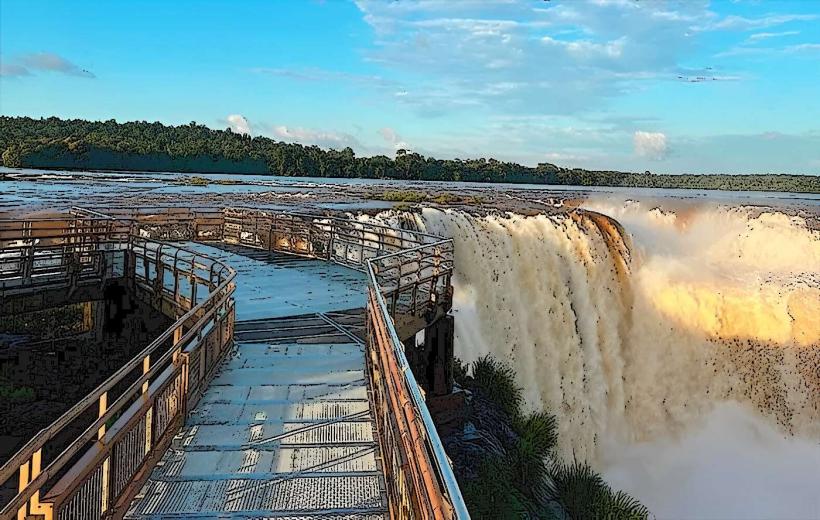
Visitors can walk along the extensive network of elevated walkways and viewing platforms that provide close-up perspectives of the falls, including the Garganta del Diablo (Devil's Throat). Boat tours are available that take passengers directly to the base of some of the larger cascades. Hiking trails through the rainforest offer opportunities for wildlife observation. The Upper Circuit offers panoramic views, while the Lower Circuit provides closer access to the falls.
Infrastructure & Amenities
Restrooms are available at the visitor center and at various points along the main circuits. Shaded areas are provided by natural tree cover and constructed shelters. Cell phone signal (4G) is generally available within the park, particularly near the visitor center. Food vendors and a restaurant are located at the main visitor center area.
Best Time to Visit
The best time of day for photography is generally in the morning or late afternoon when the sun angle is lower, reducing glare and enhancing colors. The months of April, May, September, and October typically offer pleasant weather with lower humidity and fewer crowds. The volume of water at the falls is consistent year-round, though it can increase significantly during the rainy season (December to March).
Facts & Legends
A local legend states that the falls were created by a giant serpent god who, in a fit of rage, carved the riverbed and created the cascades. A verified historical fact is that the park's ecosystem supports over 2,000 species of vascular plants and a significant population of jaguars, though sightings are rare.
Nearby Landmarks
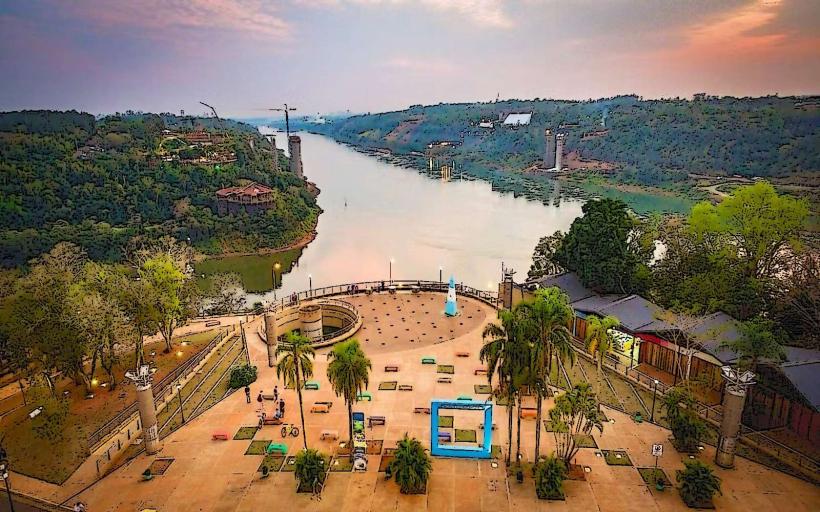
- 3.5km East: Hito Tres Fronteras (Three Borders Landmark)
- 17km East: Puerto Iguazú City Center
- 20km Northeast: Iguazú National Park (Brazilian side)
- 25km Southwest: Wanda Mines