Landmark: Imperial City (Citadel)
City: Hue
Country: Vietnam
Continent: Asia
Imperial City (Citadel), Hue, Vietnam, Asia
The Imperial City, also known as the Citadel, is a walled palace complex located in the city of Hue, Vietnam.
It served as the seat of the Nguyen Dynasty, Vietnam's last imperial family.
Visual Characteristics
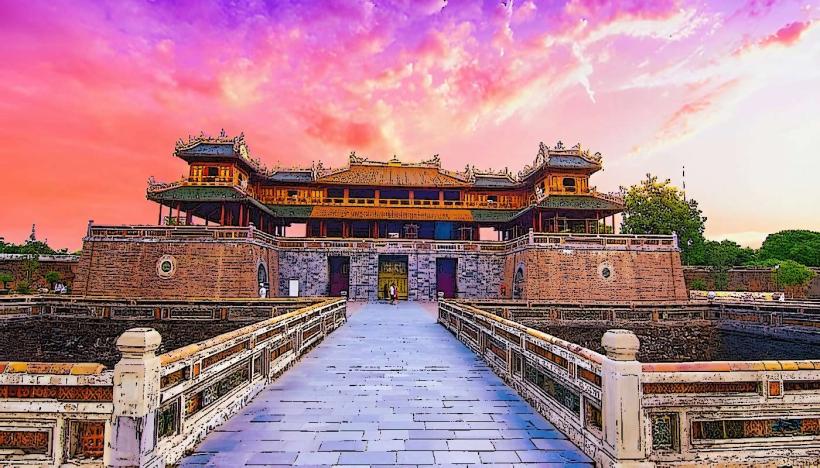
The Citadel is a rectangular complex constructed primarily from brick and stone. Its exterior walls, approximately 6 meters high and 2.5 meters thick, are topped with crenellations. The complex is divided into several sections, including the Imperial Enclosure and the Forbidden Purple City, featuring numerous palaces, temples, gates, and courtyards. Architectural styles blend Vietnamese and Chinese influences, with ornate roofs, carved wooden beams, and decorative tilework.
Location & Access Logistics
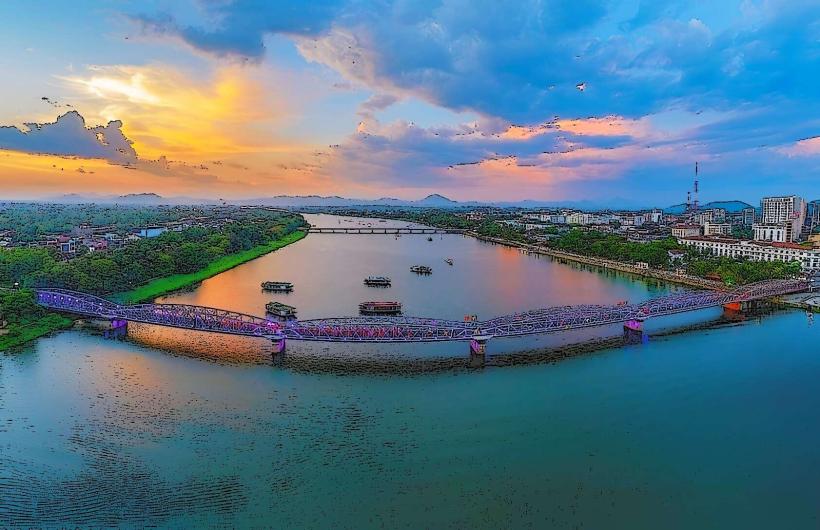
The Imperial City is situated on the north bank of the Perfume River in Hue. It is approximately 2 kilometers from the city center. Access is via Tran Hung Dao Street or Le Duan Street. Parking is available at designated lots outside the main gates, particularly near the Ngo Mon Gate. Public transport options include local buses that stop near the Citadel entrances. Boat tours on the Perfume River often include a stop at the Citadel.
Historical & Ecological Origin
Construction of the Imperial City began in 1804 under Emperor Gia Long and was completed in 1833 under Emperor Minh Mang. It was designed by French architect Antoine Dubois and Vietnamese mandarins. The original purpose was to serve as the administrative and political center of the Nguyen Dynasty and as the royal residence.
Key Highlights & Activities
Exploration of the various gates, including the Ngo Mon Gate and the Hien Nhon Gate. Viewing the Thai Hoa Palace, the site of coronations and important court ceremonies. Visiting the Mieu Temple complex, dedicated to the Nguyen emperors. Walking through the courtyards and gardens within the Imperial Enclosure. Observing the remnants of the Forbidden Purple City.
Infrastructure & Amenities
Restrooms are available at multiple points within the complex. Shaded areas are provided by trees and the roofs of various structures. Cell phone signal (4G/5G) is generally available within the Citadel grounds. Food vendors and small cafes are located outside the main entrances, particularly near the Ngo Mon Gate.
Best Time to Visit
The best time of day for photography is in the early morning or late afternoon when the sunlight is softer and casts longer shadows. The dry season, from January to August, offers the most favorable weather conditions. High tide is not a specific requirement for visiting the Citadel.
Facts & Legends
A specific tip for visitors is to allocate at least 3-4 hours to fully explore the vastness of the Citadel. The complex was heavily damaged during the Tet Offensive in 1968, and many structures are reconstructions or ruins, offering a tangible connection to its turbulent history.
Nearby Landmarks
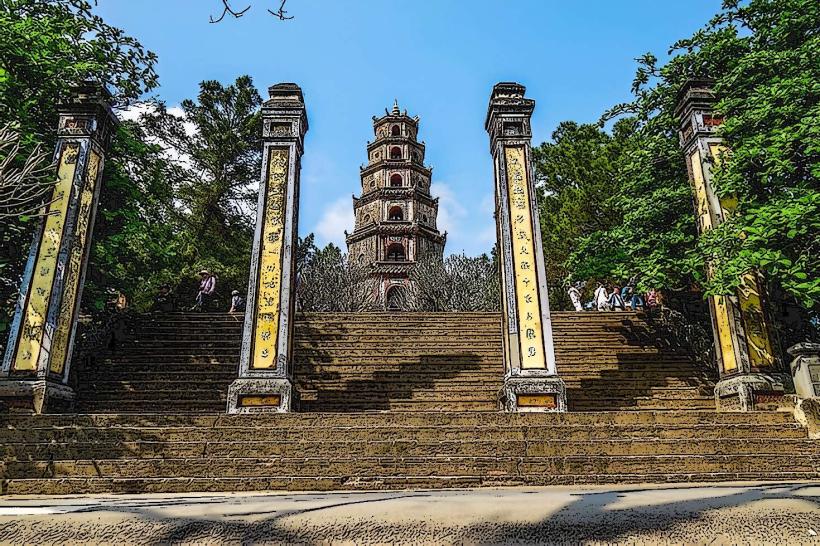
- Thien Mu Pagoda (3.5km Northwest)
- Hue Museum of Royal Antiquities (0.8km Southwest)
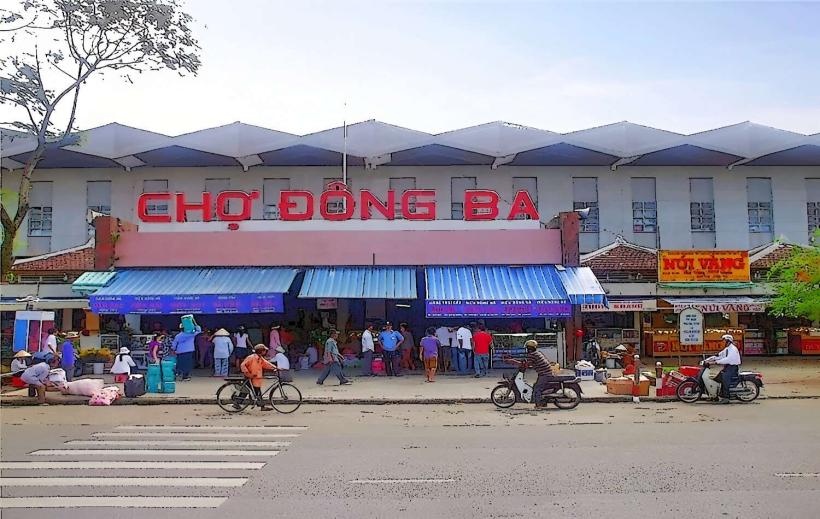
- Dong Ba Market (1.2km South)
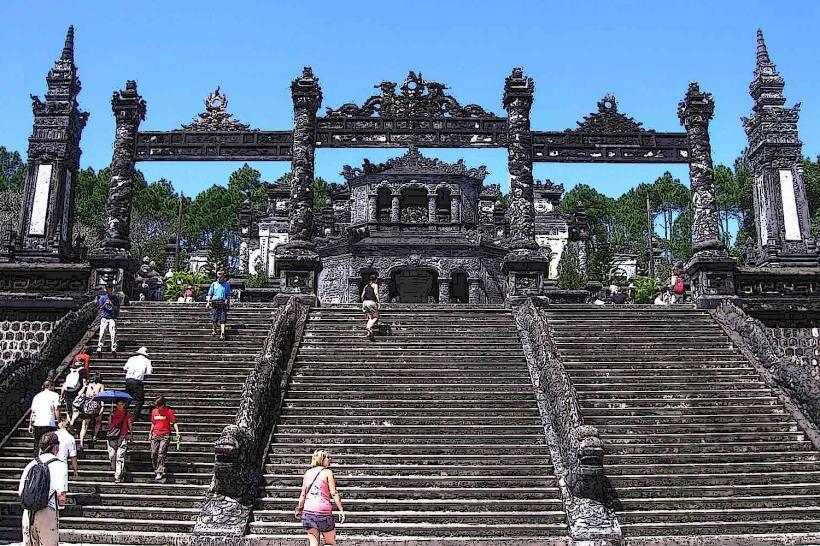
- Tomb of Khai Dinh (9.5km Southwest)
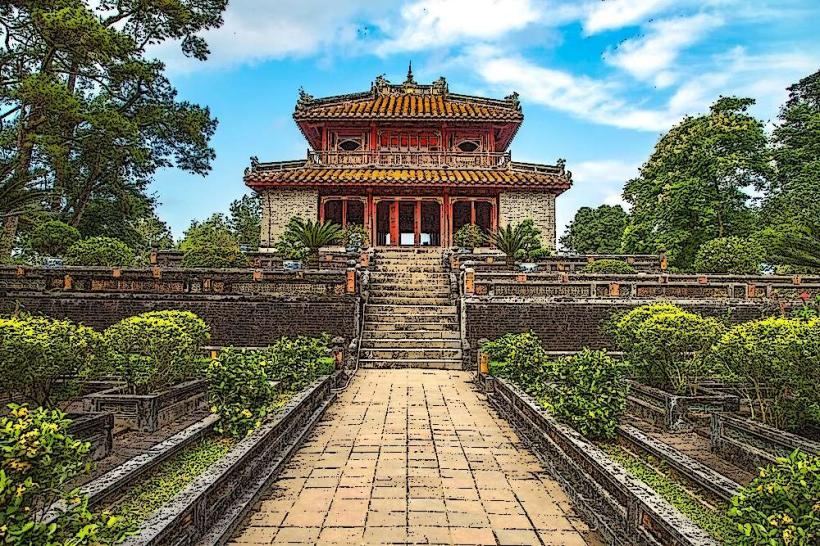
- Tomb of Minh Mang (12km Southwest)