Landmark: Thien Mu Pagoda
City: Hue
Country: Vietnam
Continent: Asia
Thien Mu Pagoda, Hue, Vietnam, Asia
Thien Mu Pagoda is a historic Buddhist temple situated on the northern bank of the Perfume River in Hue, Vietnam.
It is one of the oldest and most significant religious sites in the city.
Visual Characteristics
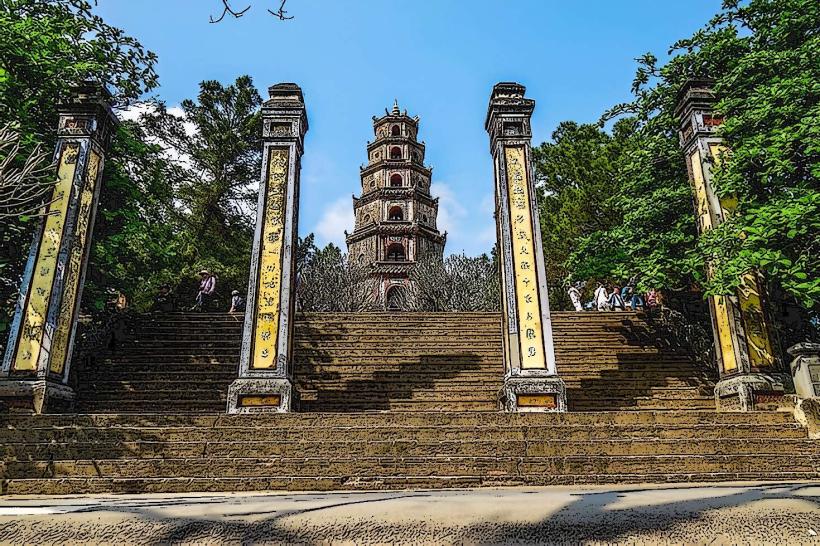
The pagoda complex is dominated by the Phuoc Duyen Tower, an octagonal, seven-story structure constructed from brick and concrete, standing 21 meters tall. The tower's exterior is painted a pale yellow. The main temple buildings are constructed with dark timber and feature traditional Vietnamese architectural elements, including curved roofs with decorative finials. The grounds are landscaped with manicured gardens and feature several ancient trees.
Location & Access Logistics
Thien Mu Pagoda is located approximately 5 kilometers west of Hue's city center. Access is primarily via the Nguyen Hoang Ton road. Visitors can drive directly to the site, where a dedicated parking area is available. Alternatively, boat tours along the Perfume River frequently include Thien Mu Pagoda as a stop. Public bus route 2 operates from the city center and stops near the pagoda entrance.
Historical & Ecological Origin
Construction of the pagoda began in 1601 under the Nguyen Lords, specifically Lord Nguyen Hoang, who ordered its construction to commemorate the arrival of a Buddhist legend. The Phuoc Duyen Tower was added later in 1844 by Emperor Thieu Tri. The site is situated on a hill overlooking the Perfume River, a location chosen for its strategic and scenic advantages.
Key Highlights & Activities
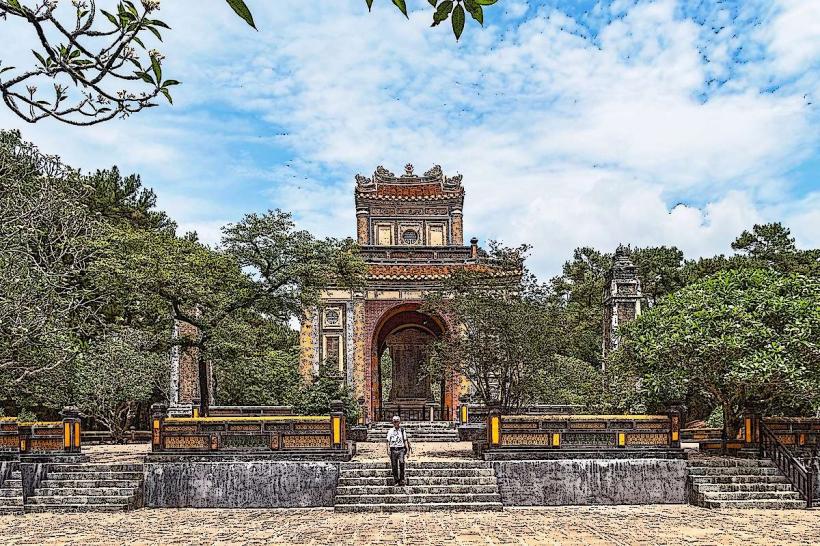
Visitors can ascend the Phuoc Duyen Tower for views of the surrounding area. Exploration of the main temple halls, which house numerous Buddha statues and Buddhist artifacts, is permitted. The grounds offer opportunities for walking and observing the architecture and gardens. The adjacent Stupa of Emperor Minh Mang is also accessible.
Infrastructure & Amenities
Restrooms are available on-site. Limited shaded areas are provided by the temple structures and trees. Cell phone signal (4G/5G) is generally available. No food vendors are located within the pagoda complex itself, but several are situated along the road leading to the entrance.
Best Time to Visit
For optimal lighting conditions for photography, early morning (7:00 AM - 9:00 AM) or late afternoon (4:00 PM - 5:30 PM) is recommended. The weather in Hue is generally pleasant from February to April, with lower humidity and moderate temperatures. The pagoda is accessible year-round.
Facts & Legends
A significant historical event associated with Thien Mu Pagoda is its use as a site for political protest. In 1963, Buddhist monks and nuns gathered here to protest the policies of the South Vietnamese government, leading to the self-immolation of Thich Quang Duc, an event captured in iconic photographs.
Nearby Landmarks
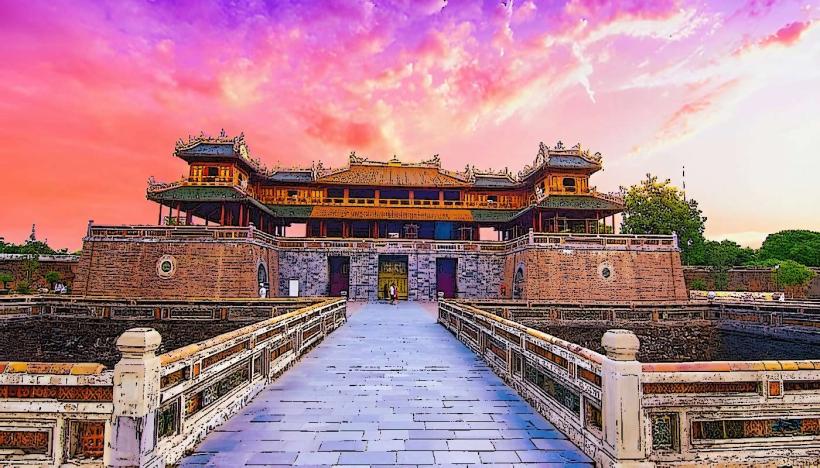
- Imperial City (Citadel) - 4.5km East
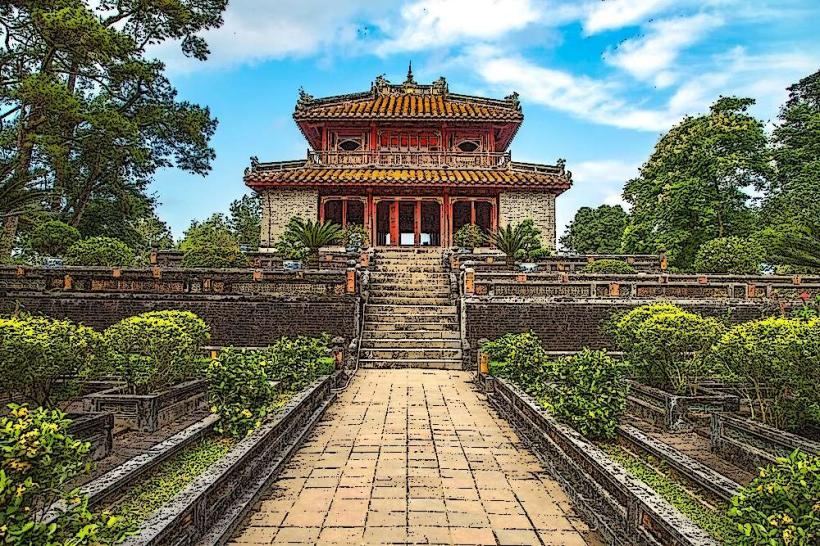
- Royal Tombs of Minh Mang - 7km Southwest
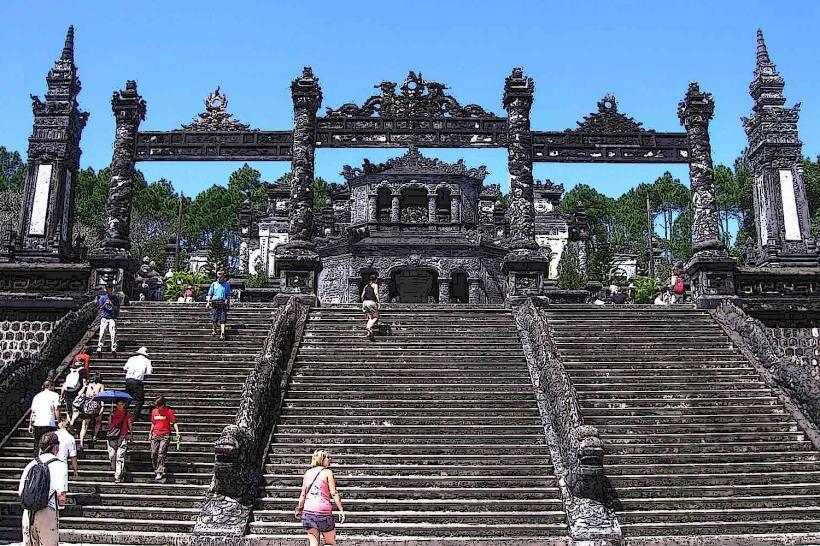
- Royal Tombs of Khai Dinh - 9km Southwest
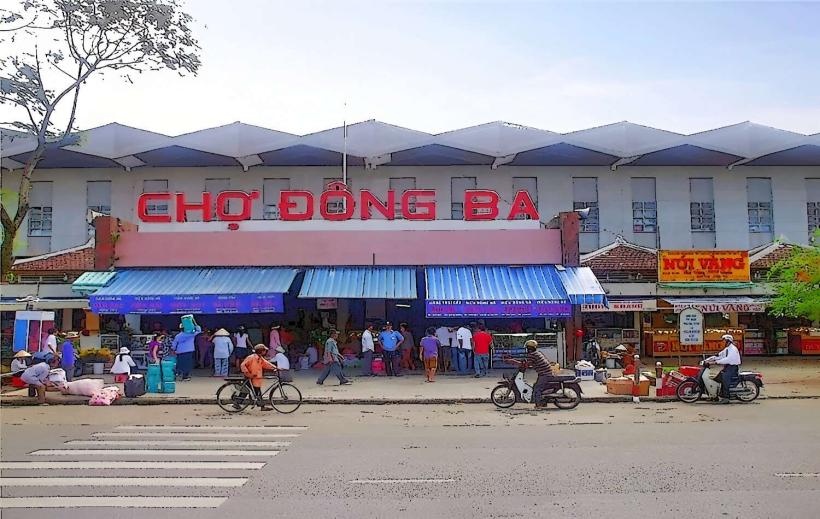
- Dong Ba Market - 5km East
- Truong Tien Bridge - 5km East