Landmark: John Day Fossil Beds National Monument
City: John Day
Country: USA Oregon
Continent: North America
John Day Fossil Beds National Monument, John Day, USA Oregon, North America
John Day Fossil Beds National Monument is a protected area in Oregon, USA, preserving significant paleontological resources.
It is divided into three distinct units: the Sheep Rock, Painted Hills, and Clarno units, each offering unique geological and fossil displays.
Visual Characteristics
The monument features layered sedimentary rock formations exhibiting a range of colors including reds, oranges, yellows, and grays, particularly prominent in the Painted Hills Unit. Vegetation is sparse, consisting primarily of sagebrush, grasses, and scattered juniper trees. The terrain is characterized by steep canyons, rolling hills, and exposed rock faces.
Location & Access Logistics
The monument is located in central Oregon, approximately 30 miles east of the city of John Day. Access to the individual units varies. The Painted Hills unit is accessible via US Route 26 and then turning onto Hill Road. The Sheep Rock Unit is reached via Oregon Route 19. The Clarno Unit is accessed via Oregon Route 219. Parking is available at designated visitor areas within each unit. Public transport is not available to the monument; personal vehicle is required.
Historical & Ecological Origin
The fossil beds represent millions of years of geological history, primarily from the Miocene and Oligocene epochs. The formations are the result of ancient volcanic activity, sedimentation in ancient lakebeds, and subsequent erosion. The fossils preserved include a diverse array of ancient mammals, plants, and insects, providing insight into past ecosystems.
Key Highlights & Activities
Visitors can explore interpretive trails that highlight fossil sites and geological features. The Painted Hills unit offers short, paved trails to viewpoints. The Sheep Rock unit features the Thomas M. Hunt Fossil Preparation Lab, where visitors can observe paleontologists at work. Hiking is permitted on designated trails. Photography is a common activity, especially at the Painted Hills during sunrise and sunset.
Infrastructure & Amenities
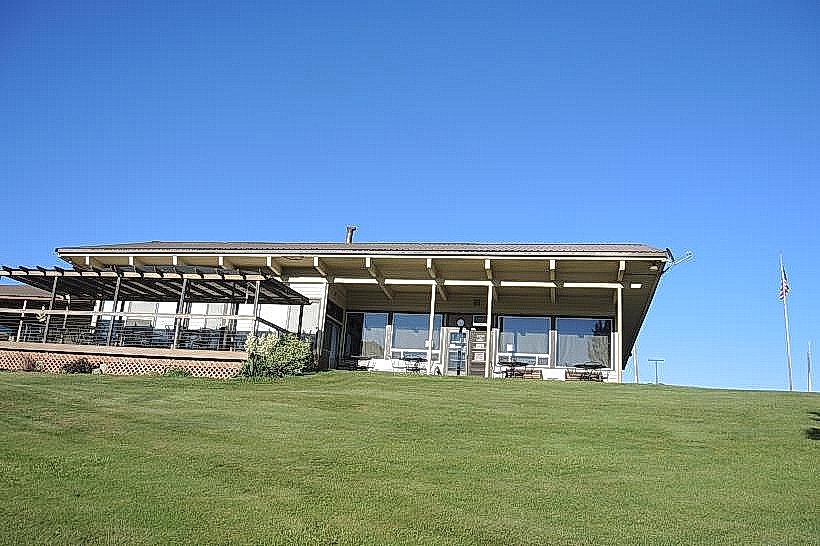
Restrooms are available at the Painted Hills Visitor Center and the Sheep Rock unit's John Day Fossil Beds Visitor Center. Shade structures are present at some viewpoints. Cell phone signal is intermittent and generally unreliable throughout the monument. Food vendors are not present within the monument; visitors should bring their own supplies.
Best Time to Visit
The best time for photography at the Painted Hills is during the early morning or late afternoon when the low-angle sunlight enhances the colors of the formations. The months of May through October offer the most favorable weather conditions, with daytime temperatures generally ranging from 60°F to 90°F. Winter months can bring snow and ice, potentially limiting access.
Facts & Legends
A unique aspect of the monument is the presence of "petrified wood" that is not wood at all, but rather fossilized grass culms, known as paleobotanical specimens. These are often mistaken for wood but represent ancient grasses that grew in the region.
Nearby Landmarks
- Oregon Trail Interpretive Center (15km Southwest)
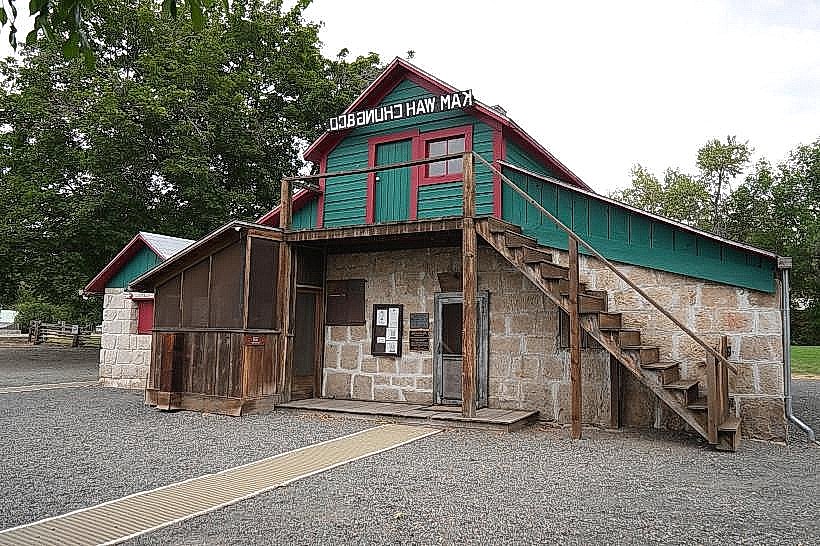
- Kam Wah Chung Museum (10km Southwest)
- Strawberry Mountain Wilderness (40km Southeast)
- Malheur National Forest (Adjacent to the monument)