Landmark: Sheep Rock Unit
City: John Day
Country: USA Oregon
Continent: North America
Sheep Rock Unit, John Day, USA Oregon, North America
The Sheep Rock Unit is a geological formation located within the John Day Fossil Beds National Monument in Oregon, USA.
This unit showcases ancient fossil beds and distinct geological strata.
Visual Characteristics
The Sheep Rock Unit is characterized by exposed sedimentary rock layers exhibiting a range of colors including shades of brown, red, and gray. The terrain is arid and dissected by erosion, forming steep slopes and canyons. Vegetation is sparse, consisting primarily of grasses and low-lying shrubs adapted to dry conditions. Prominent rock formations include hoodoos and balanced rocks.
Location & Access Logistics
The Sheep Rock Unit is situated approximately 10 miles east of the town of Kimberly, Oregon. Access is via the John Day Highway (US-26). From US-26, turn north onto the Sheep Rock Road, which is a paved county road. The unit is accessible directly from this road. Parking is available at designated pull-offs and a small visitor center parking area. No public transport services the Sheep Rock Unit.
Historical & Ecological Origin
The geological formations within the Sheep Rock Unit are primarily composed of the Mascall Formation and the Rattlesnake Formation, dating back to the Miocene epoch (approximately 15 to 6 million years ago). These formations preserve a rich record of ancient mammal fossils, including horses, camels, and rhinoceroses. The area's arid climate and erosion patterns have exposed these fossil-bearing layers.
Key Highlights & Activities
Hiking is permitted on designated trails, such as the Blue Basin Overlook Trail (0.5 miles roundtrip) and the Sheep Rock Overlook Trail (0.2 miles roundtrip). Fossil viewing is a primary activity, with interpretive signs explaining the geological and paleontological significance. Photography of the colorful rock formations is also a common activity.
Infrastructure & Amenities
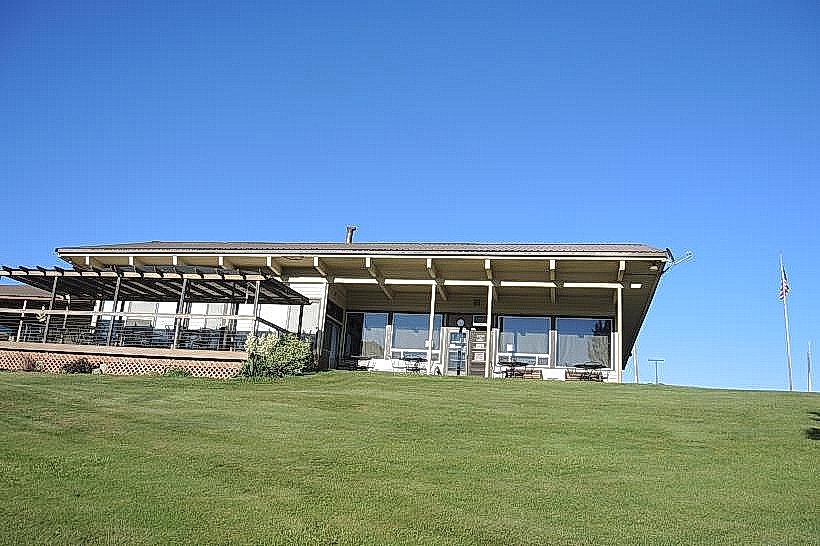
A small visitor center is located within the Sheep Rock Unit, offering interpretive displays and restrooms. There are picnic tables available at the visitor center. Cell phone signal is intermittent to non-existent within the unit. No food vendors are present within the unit; visitors should bring their own supplies.
Best Time to Visit
The best time of day for photography is during the early morning or late afternoon when the low-angle sunlight enhances the colors of the rock formations. The most favorable months for visiting are from April to June and September to October, avoiding the extreme heat of summer and potential winter road closures. There are no tidal considerations.
Facts & Legends
The name "Sheep Rock" originates from a large, distinct rock formation that, from a distance, resembles a sheep. A significant paleontological discovery in the area was the identification of the extinct rhinoceros, Teleoceras, which roamed the ancient grasslands.
Nearby Landmarks
- John Day Fossil Beds National Monument - Thomas Condon Paleontology Center (0.5km West)
- Picture Gorge (3km West)
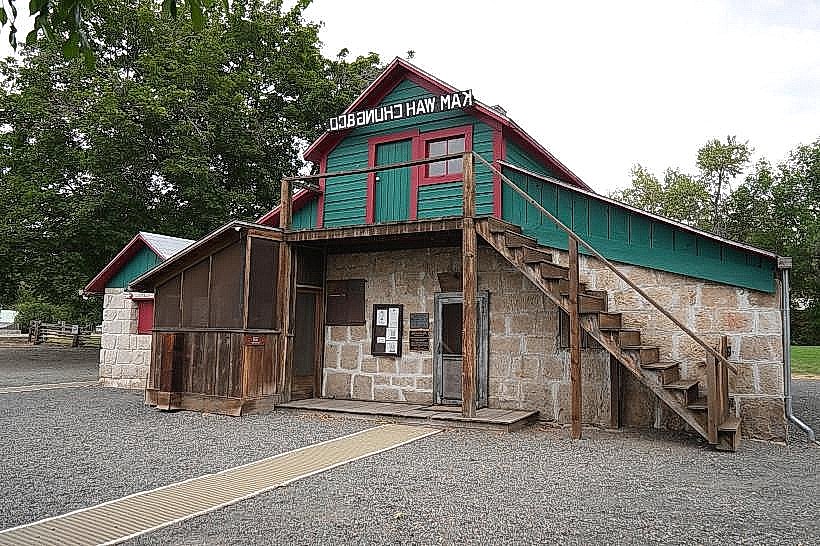
- Kam Wah Chinese Temple (15km Southwest)
- John Day River (2km South)