Landmark: Judean Desert
City: Arad
Country: Israel
Continent: Asia
Judean Desert, Arad, Israel, Asia
The Judean Desert is a rain-shadow desert located in Israel and the West Bank, situated between the Judean Mountains to the west and the Dead Sea and Jordan Rift Valley to the east. Despite its relatively small area of approximately 1,500 square kilometers, it contains extreme topographical shifts, dropping from 1,000 meters above sea level to 430 meters below sea level.
Visual Characteristics
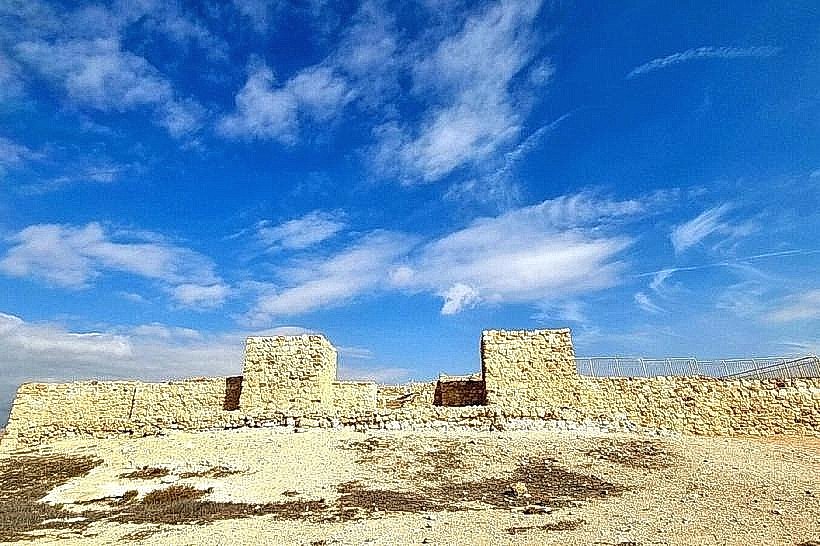
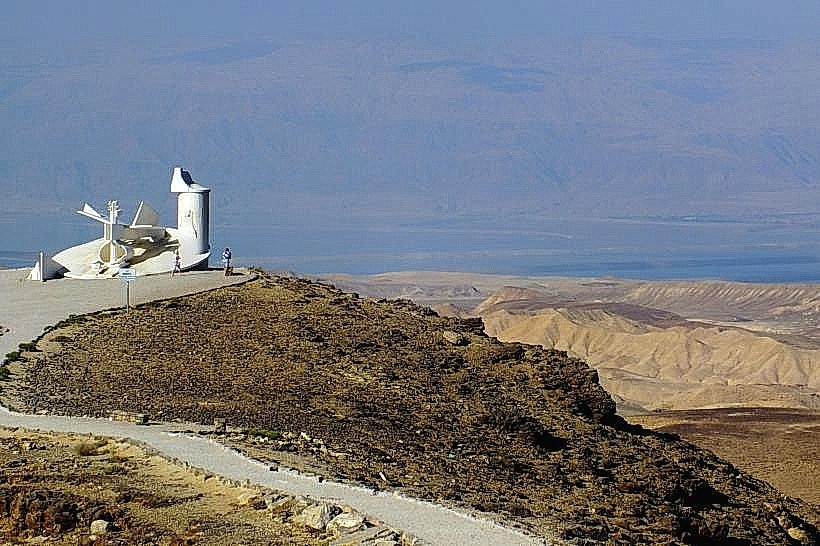
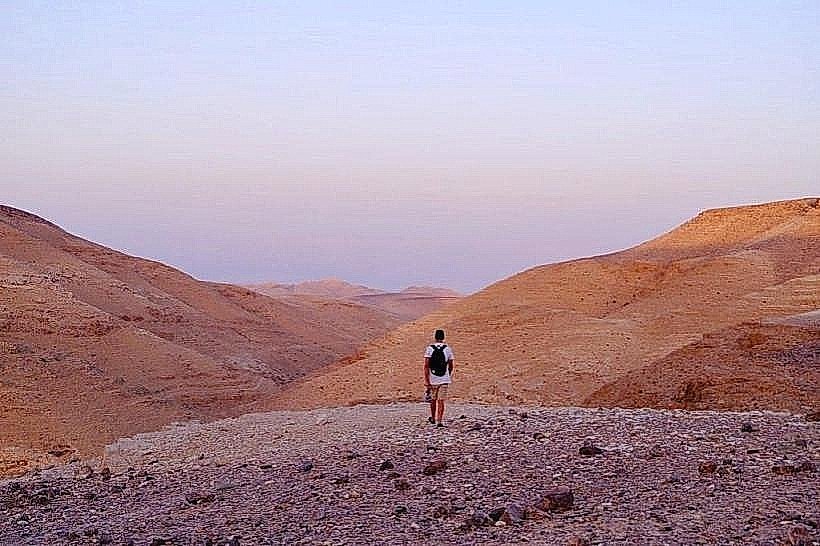
The landscape is defined by stark limestone hills, deep canyons (wadis), and dramatic plateaus. The western region features rolling chalk hills, while the eastern edge terminates in the "Fault Escarpment," where cliffs drop sharply toward the Dead Sea. The terrain is largely barren, though winter rains trigger sudden "flash floods" that transform dry riverbeds into torrential rivers and coat the valleys in a temporary layer of green vegetation and desert wildflowers.
Location & Access Logistics
The desert is bordered by Jerusalem and Bethlehem to the west and the Dead Sea to the east. Primary access is via Route 1 (Jerusalem–Dead Sea) or Route 90, which runs north-south along the coastline. Municipal buses and organized tours frequent the main sites, though interior regions require 4x4 vehicles. Key entry points include the Ma'ale Adumim area, the Ein Gedi oasis, and the Arad plateau.
Historical & Ecological Origin
Formed by the "rain shadow" effect, the Judean Mountains block Mediterranean moisture, creating a desert environment in close proximity to fertile highlands. Historically, the desert served as a refuge for outcasts, monks, and rebels. It was the site of the Jewish revolt at Masada and the location where the Dead Sea Scrolls were preserved in the Qumran caves for two millennia.
Key Highlights & Activities
Hiking and Canyoning: Popular routes include Wadi Qelt, Nahal Arugot, and Nahal David, many of which contain year-round springs and hidden waterfalls.
Monasteries: Ancient Greek Orthodox monasteries, such as Mar Saba and St. George’s, are built directly into the canyon walls.
Archaeology: Major sites include the fortress of Masada, the Qumran caves, and the Herodium palace-fortress.
Jeep Safaris: Off-road tours explore the "Mars-like" terrain of the Sodom and Adumim regions.
Infrastructure & Amenities
Modern infrastructure is concentrated along the peripheries. Major visitor centers with restrooms, water, and food are located at Masada, Ein Gedi, and Qumran. 5G cellular signal is strong on high plateaus and near the Dead Sea resorts, but it is frequently lost within the deep canyons. Hikers must utilize marked trails, as the terrain is prone to sinkholes near the coastline and unpredictable flash floods during winter.
Best Time to Visit
Late autumn through early spring (October to April) is the optimal window. During this time, temperatures are mild and the risk of heatstroke is low. Summer temperatures regularly exceed 40°C, making hiking dangerous. Visitors must monitor weather forecasts for the Judean Highlands, as rain in Jerusalem can cause lethal flash floods in the desert canyons even if the desert sky remains clear.
Facts & Legends
The Judean Desert is the traditional site of the "Scapegoat" ritual, where a goat was sent into the wilderness (Azazel) on Yom Kippur. A verified biological fact is the presence of the Nubian Ibex and the Syrian Hyrax, both of which thrive in the cliffside ecosystems. The desert air is uniquely oxygen-rich and low in pollen due to the high atmospheric pressure at the Dead Sea basin.
Nearby Landmarks
Dead Sea: Eastern border
Masada National Park: Southeastern edge
Ein Gedi Nature Reserve: Eastern edge
Jericho: Northern edge
Mar Saba Monastery: Central region