Information
Landmark: Kampot Pepper PlantationsCity: Kampot
Country: Cambodia
Continent: Asia
Kampot Pepper Plantations, Kampot, Cambodia, Asia
Kampot Pepper Plantations are agricultural sites dedicated to the cultivation of Piper nigrum, located in the Kampot Province of Cambodia. These plantations are situated in the fertile plains and foothills surrounding the city of Kampot.
Visual Characteristics
The plantations consist of rows of pepper vines, typically trained to grow on trellises or poles. The vines are characterized by their green, heart-shaped leaves and clusters of small, unripe berries that turn red as they mature. The soil is generally reddish-brown. The landscape is often interspersed with palm trees and other tropical vegetation. Structures on the plantations may include drying sheds and small processing facilities, often constructed from wood and corrugated metal.
Location & Access Logistics
Kampot Pepper Plantations are located approximately 5-15 km from the center of Kampot city. Access is primarily via unpaved or gravel roads branching off National Road 3. Specific plantation access points vary. Rental motorbikes or tuk-tuks are the most common modes of transport from Kampot. Limited parking is available at individual plantation sites, often informal dirt areas. Public transport does not directly service the plantations; visitors must arrange private transport.
Historical & Ecological Origin
The cultivation of Kampot pepper dates back to at least the 13th century, with significant expansion during the French colonial period in the late 19th and early 20th centuries. The specific soil composition, rainfall patterns, and microclimate of the Kampot region are considered crucial for the pepper's distinct flavor profile. The plantations are part of a tropical monsoon climate ecosystem.
Key Highlights & Activities
Visitors can observe the pepper cultivation process from vine to dried product. Activities include guided tours explaining the farming techniques, tasting sessions of different pepper varieties (green, black, red, white), and purchasing fresh or dried pepper. Some plantations offer demonstrations of traditional pepper processing methods.
Infrastructure & Amenities
Amenities vary by plantation. Some larger, more established plantations may have small visitor centers with basic seating and shade structures. Restrooms are generally available at these sites. Cell phone signal (4G) is typically present but can be intermittent. Food vendors are not usually present directly on the plantations; visitors often rely on nearby restaurants or bring their own provisions.
Best Time to Visit
The best time for visiting is during the dry season, from November to April, to avoid heavy rainfall. The pepper harvest typically occurs between February and May. For photography, early morning or late afternoon light provides softer illumination. High tide or low tide is not a relevant factor for visiting pepper plantations.
Facts & Legends
Kampot pepper was historically renowned globally for its quality. A specific tip for visitors is to look for the Geographical Indication (GI) certification, which guarantees the pepper's origin and quality standards. Local lore sometimes attributes the pepper's unique pungency to the mineral-rich soil and the proximity to the Bokor Mountain range.
Nearby Landmarks
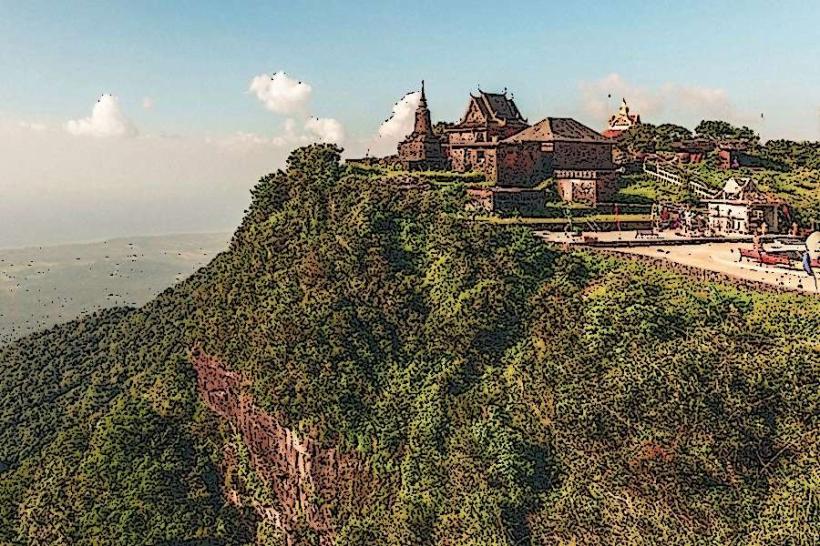
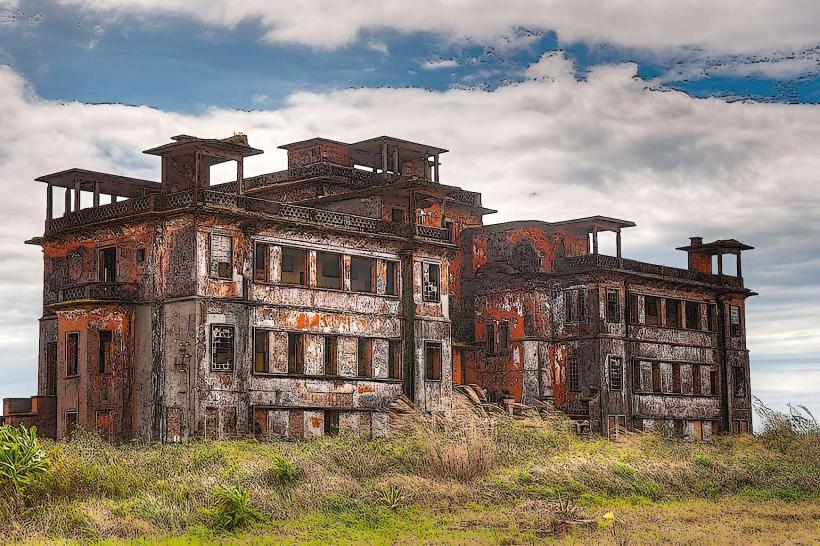
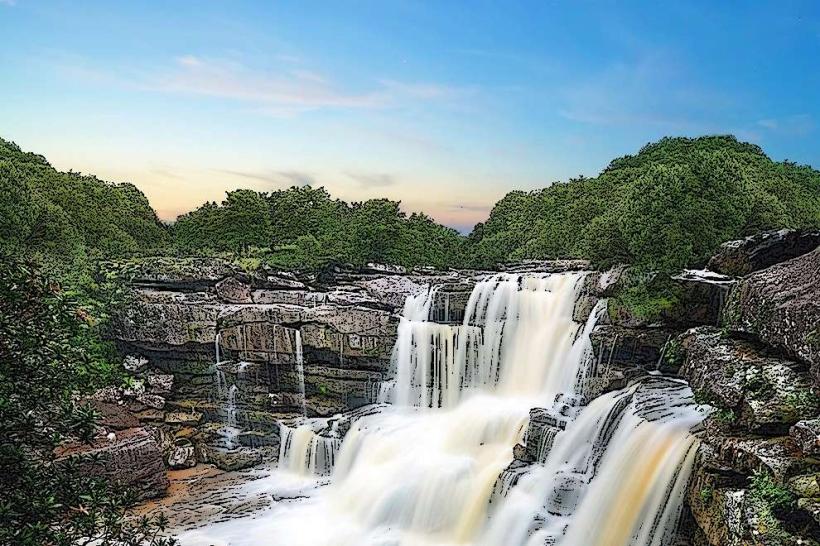
- Bokor National Park (10km Northwest)
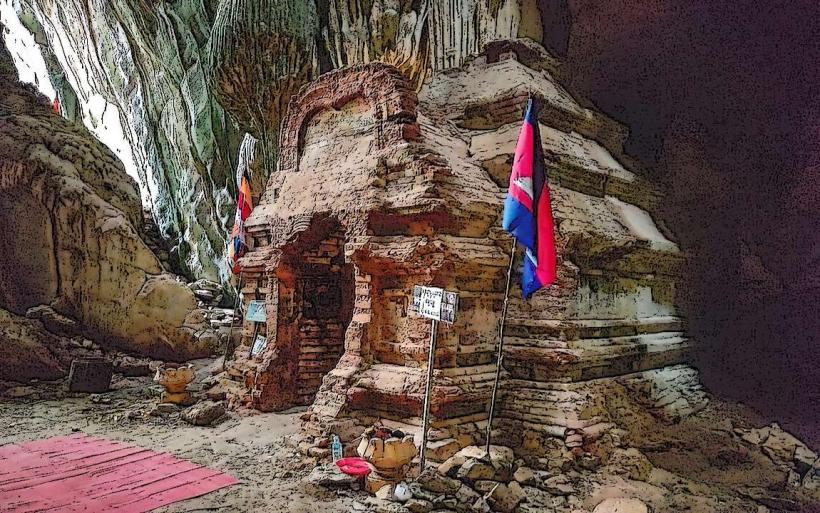
- Phnom Chhngok Cave Temple (8km West)
- Kampot River (2km East)
- Kep National Park (20km Southeast)
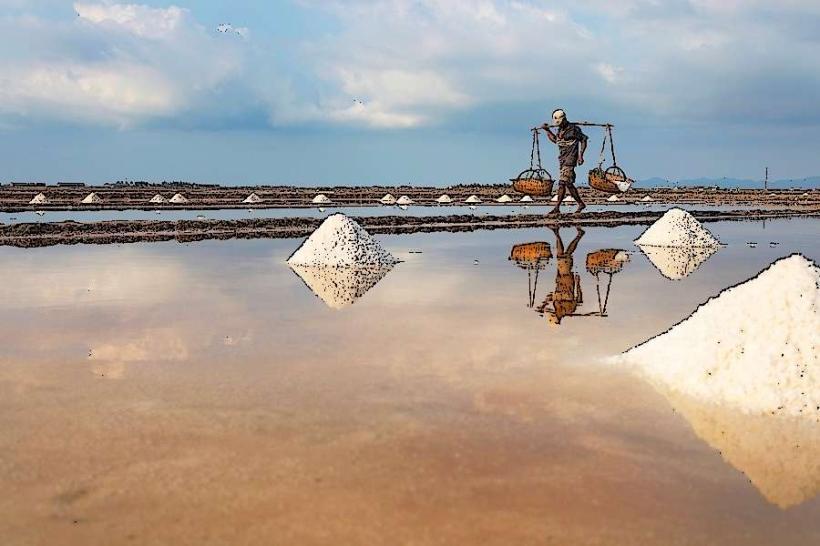
- Salt Fields of Kampot (7km South)